REVIEW · TIGRE
Buenos Aires: Ticket – Classic Delta of Tigre Boat Tour
Book on GetYourGuide →Operated by Funny Times Travel & Tours · Bookable on GetYourGuide
The delta calms you fast. This Classic Delta of Tigre Boat Tour turns the noisy Buenos Aires feeling down to quiet serene waters, while the five-river route keeps you moving through the Paraná Delta’s biggest channels. I like how you get a guided look at local island life with houses, schools, and churches along the way. One thing to plan for: there’s no hotel pickup, so you’ll need to get yourself to Tigre’s fluvial port area.
What really sells this outing is the mix of nature and real-world living. The crew comes across as warm and helpful, and the commentary runs through the boat in Spanish then English, which makes the history-and-sights part easy to follow. The time is tight but not rushed at 1 hour, which works well if you’re traveling with teens or just want a break without losing a whole day.
You’ll also want to think about where you’ll stand. You can sit in a cooler indoor space or head to the deck, but the narration isn’t as easy to hear from outside. The meeting point is the Sturla Tigre office at Estación Fluvial Tigre, Est. Fluvial Local 10, Gral. Mitre 319 area, and you can pick up tickets at the Sturla booth in the Tigre Fluvial Port.
In This Review
- Key highlights worth targeting
- Tigre Delta in One Hour: What the cruise feels like
- Getting to the Tigre Fluvial Port without a pickup plan
- The 5 main rivers plus the smaller streams: how the route is structured
- Seeing real island life: homes, schools, churches, and recreation
- Tigre sights you pass: City Hall, Art Museum, and museum/park views
- Deck vs indoor cabin: hearing Spanish-then-English commentary
- Price and value: is $27 worth a one-hour river reset?
- Timing tips: choosing 10:30 vs 4:00 departures
- Should you book the Classic Delta of Tigre Boat Tour?
- FAQ
- How long is the Classic Delta of Tigre boat tour?
- What does the tour include?
- Where is the meeting point in Tigre?
- Does the price include pickup from Buenos Aires hotels?
- Is there a personal guide during the tour?
- What time does the tour run?
- Is the tour commentary available in multiple languages?
- Is free cancellation available?
Key highlights worth targeting
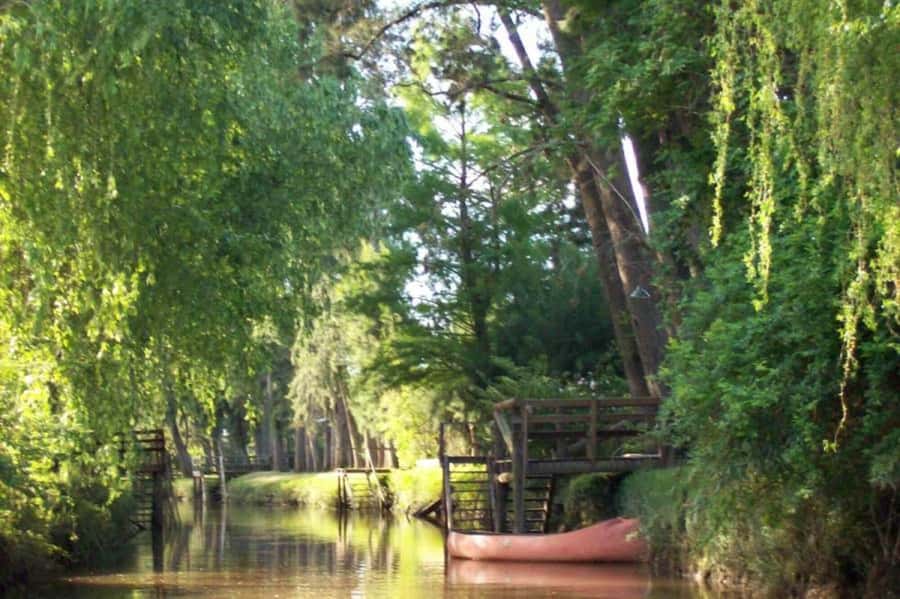
- Serenity in one hour: a short cruise that still feels like a real change of pace
- Five main rivers first: then the boat shifts into smaller streams for variety
- Island life in plain view: homes, schools, churches, and everyday recreation areas
- Big-sight pass-by moments: Tigre City Hall, Tigre Art Museum, and museums/park views
- Sound system rhythm: Spanish narration followed by English, clearest from inside
Tigre Delta in One Hour: What the cruise feels like
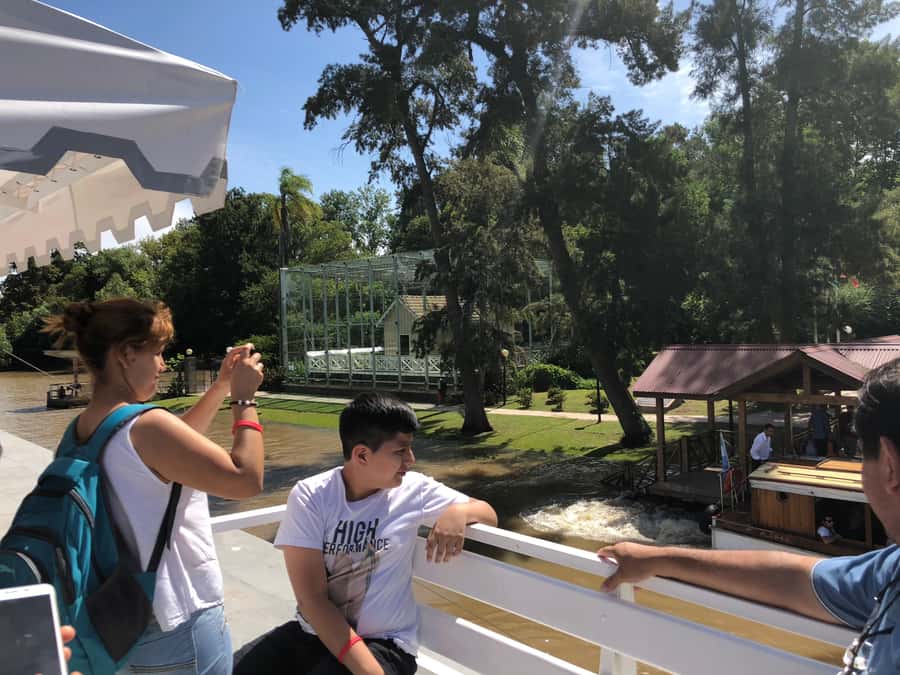
This is the Paraná Delta’s “greatest hits” version. You start in the main waterways and you don’t just slide past empty-looking banks. The cruise is designed so you can read what’s going on: how the islands are shaped, where life concentrates, and why Tigre became such a favorite escape for Porteños.
The pace is relaxed. You’re not hopping between stops; you’re cruising, looking, and listening. That matters because the delta is visual. Even in a short trip, the mix of wide channels, narrower canals, and small connecting streams gives you a sense of scale—one that’s hard to get from photos. If you’re the type who likes a clear, efficient outing (no half-day commitments), this duration is honestly the sweet spot.
One practical note: the boat experience also depends on comfort. You’ll likely see people choosing where to sit based on temperature and sound. If you’re sensitive to heat or want the best chance of understanding the guide, plan around sitting inside first, then step outside for photos once the scenery hits a good moment.
And yes, you’ll be close enough to feel the delta vibe. People use this tour as a break from city life, and it delivers that “different world” effect quickly. The waters can look calm and mirror-like, which makes the island buildings and tree lines easier to pick out.
You can also read our reviews of more tours and experiences in Tigre

Getting to the Tigre Fluvial Port without a pickup plan
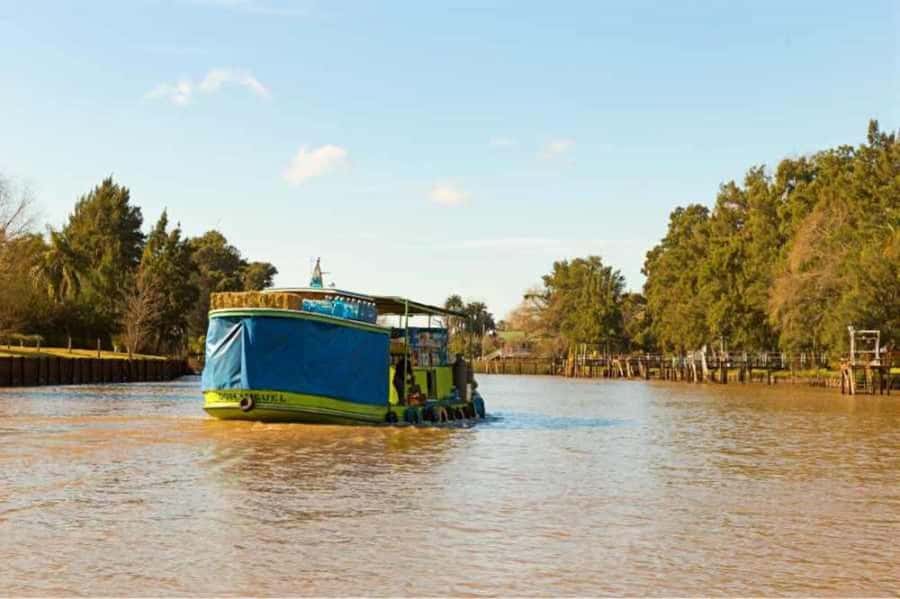
There’s no transportation included from hotels or apartments. That’s the main logistical trade-off. The tour starts from the Tigre fluvial port zone, and you’re expected to arrive there on your own.
Here’s how I’d plan it so you don’t end up stressed:
- Give yourself buffer time to reach Estación Fluvial Tigre and find the Sturla area.
- Aim to show up early enough to avoid last-minute scrambling at boarding time.
- If you’re using a taxi, build in normal city timing. In one real-world example, a family took about 45 minutes from Recoleta by premium taxi, costing around 40,000 ARS, and they were glad they arrived in time.
Ticket pickup is at the port. You’ll present at the Sturla Tigre office at Est. Fluvial Local 10, Gral. Mitre 319 (Tigre Fluvial Port). Even if you booked online, the on-site Sturla booth is where you get your tickets sorted for boarding.
Once you’re at the right dock, the process feels straightforward. The staff on land and on the ship are described as very friendly, which helps if you’re navigating in a second language or traveling with family.
If you’re trying to time it with the rest of your Buenos Aires day, pick one of the daily departures: 10:30, 12:00, 1:30, 2:45, or 4:00. With a one-hour cruise, you can still keep the day flexible around meals and other activities.
The 5 main rivers plus the smaller streams: how the route is structured
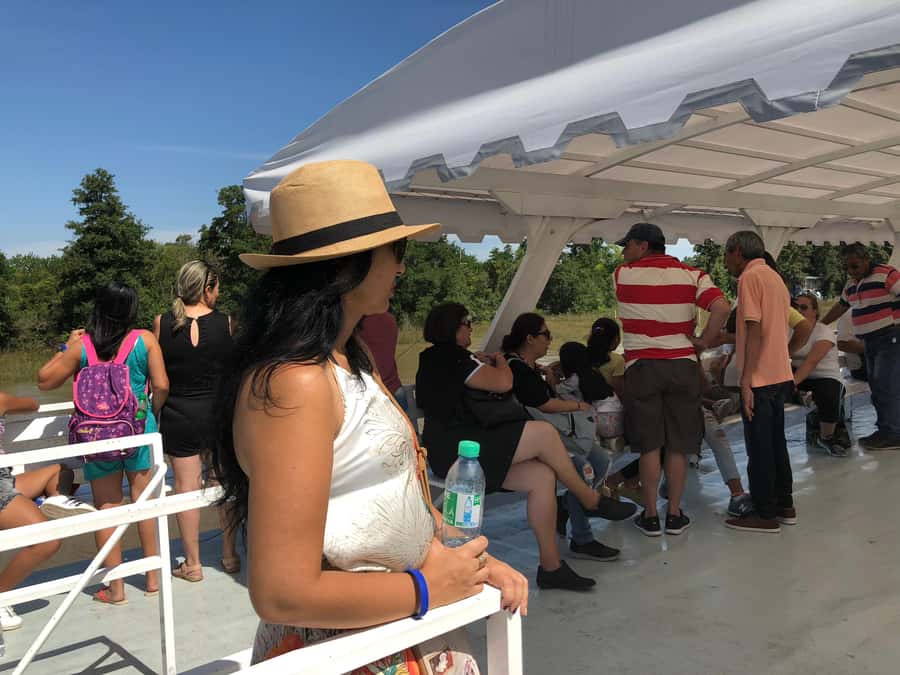
The tour is built around a clear concept: five main rivers in the first big stretch, followed by smaller waterways for a change in scenery. That structure matters because the Paraná Delta isn’t uniform. Wide channels feel open and airy; smaller streams feel tucked-in and more intimate.
During the first portion, you’ll be cruising along the delta’s major routes. This is where you can get the “map in your head” feeling: you understand direction, you notice where island clusters sit, and you see how homes and institutions relate to the water access.
Then the boat moves through narrower connections and smaller streams. These sections tend to look more “human-scale” because buildings and greenery appear closer to the waterline. Even without a formal walking stop, you get a sense of changing neighborhoods—one stretch looks more like open travel corridors, while another feels like daily routes for locals.
The key value here is variety without complexity. Many tours are either long and tiring, or short but superficial. This one tries to cover enough of the delta system that you walk away understanding what makes Tigre Delta special: not one canal, but a network.
Also, the route is packed with sights you pass by. So while you’re watching water and greenery, you’re also ticking off cultural and city-reference points that make the outing more than just scenery.
Seeing real island life: homes, schools, churches, and recreation
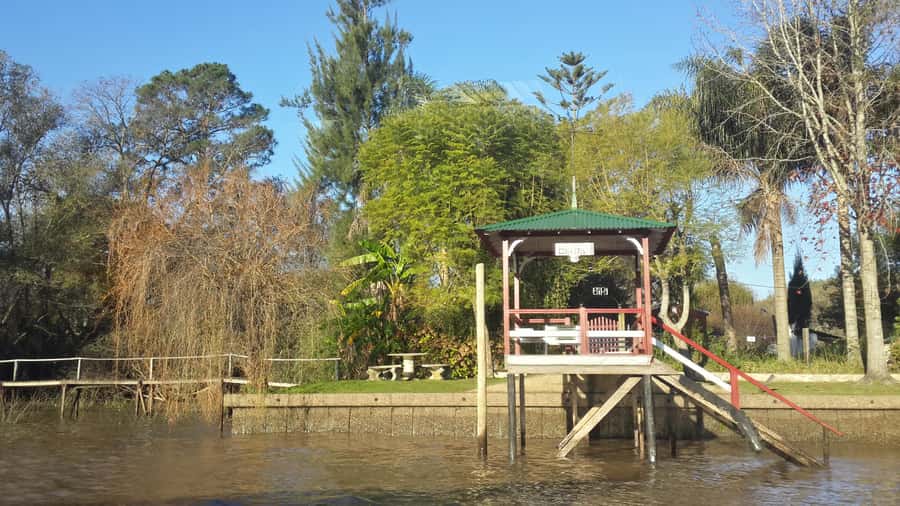
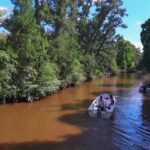
One reason this cruise works is that it doesn’t treat the islands like a backdrop. You’ll see actual island communities from the water: houses, schools, churches, and recreation areas. That’s a big deal because it shifts the experience from postcard to lived-in.
What I like about these views is how they help you understand what “delta living” means. When you can see institutions like schools and churches, you realize people aren’t just visiting weekend cottages. There’s infrastructure and routine—an actual community rhythm.
You can also focus on the way homes line up with the channels. From the boat, you get a natural framing tool: the water acts like a corridor, and you see how the built environment uses it. Even if you don’t speak Spanish, the visual cues are strong—buildings, gathering spaces, and the layout of island edges.
If you’re traveling with kids or teens, this part is often where attention holds. It’s easy to explain: this is where people live and learn, not just where the boat turns around. And in a short one-hour experience, that makes the whole trip feel more meaningful.
The only caveat: you may want to balance photography with listening. The narration covers key landmarks and context, and it’s easier to hear inside the cabin than on the open deck.
Tigre sights you pass: City Hall, Art Museum, and museum/park views
This tour doesn’t stop to let you enter buildings, but it does pass major Tigre highlights that give you “context anchors.” When you’re later walking around Tigre on your own, you’ll recognize what you already saw from the water.
Here are the specific sights included in the onboard sightseeing flow:
- Rowing clubs, which fit the whole Tigre identity tied to water sports and leisure
- Parque de la Costa, the amusement park view that many people associate with Tigre’s visitor side
- Tigre City Hall, a civic landmark that adds an official city presence to the river scene
- Tigre Art Museum, formerly the Tigre Hotel, which connects the delta to the area’s older tourism/architecture story
- Sarmiento Museum, another cultural reference point you’ll notice as you cruise
Those details make the cruise easier to “place.” Instead of floating through generic water scenery, you’re given a set of recognizable names and functions. That’s also why the dual-language narration (Spanish first, then English) is useful. Even if you only catch part of it, having the main names repeated helps you follow along.
One more planning tip: if you care most about museums and architecture, don’t spend the entire hour outside. Come inside for the narration moments, then use the deck for the clearer photo angles when you see the sights approaching.
You can also read our reviews of more boat tours in Tigre


Deck vs indoor cabin: hearing Spanish-then-English commentary
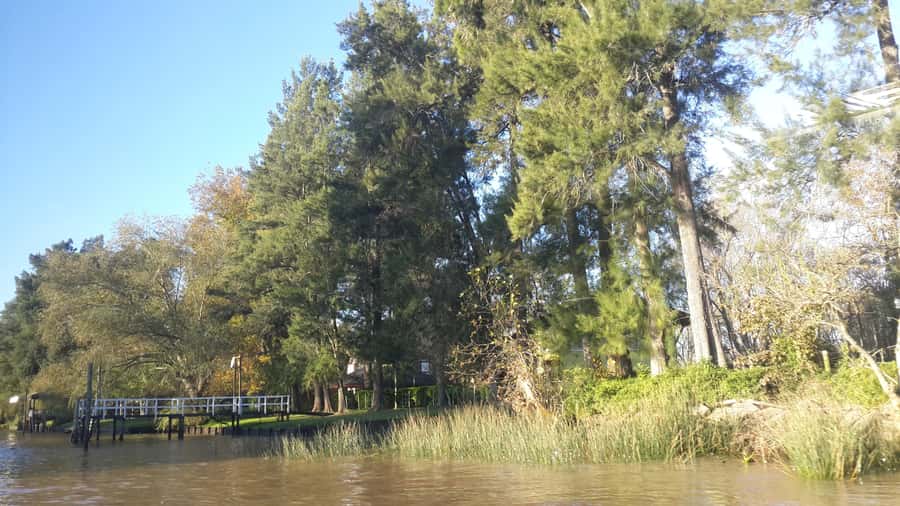
Comfort and sound are the quiet difference between an okay trip and a great one. The boat has a cooler interior seating area, and many people find it pleasant to sit inside—especially in warmer weather.
The narration is delivered via speakers. It starts in Spanish, then switches to English. The big practical thing: you’ll hear it more clearly from indoors. One review note that stands out is that when you move to the deck for fresh air, the information is harder to catch.
So here’s a simple way to manage it:
- Start inside for the first part of the route when the guide is introducing the key rivers and scenes.
- Step outside briefly for photos and skyline views.
- If you’re interested in the landmark names (City Hall, Tigre Art Museum, and museums), return inside when the boat is near those sights so you don’t miss the spoken context.
Also, because the tour is only about an hour, you don’t have time to “figure out the boat” halfway through. Deciding where to sit early helps you relax and enjoy the scenery without missing the story.
The crew is friendly and the onboard information is reported as easy to understand, which is a plus. Just remember that sound depends on location.
Price and value: is $27 worth a one-hour river reset?
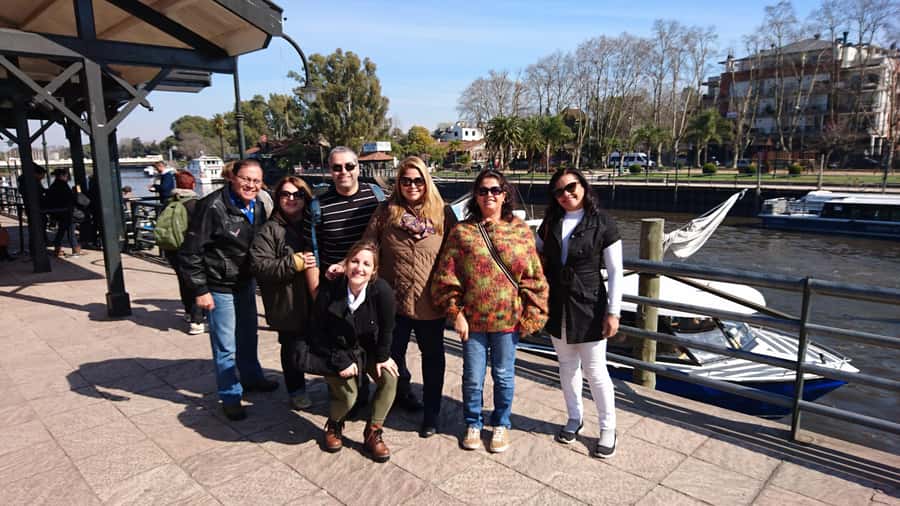
At about $27 per person, this cruise is priced like a practical Buenos Aires day add-on: short, focused, and not a budget-killer. You’re paying for time, comfort on the water, and a guided route through a major delta system—not for a long, multi-transfer excursion.
What makes it good value isn’t only the cost. It’s the structure:
- Duration is right: 1 hour means less fatigue and fewer scheduling headaches.
- Coverage is broad for the time: five main rivers plus smaller streams.
- You get context: the tour passes recognizable Tigre landmarks and museums, with narration in Spanish then English.
It’s also a good fit for families. One review specifically called out that it worked well for both parents and teenagers, mainly because it’s a change of pace from city noise without requiring extra stamina.
Here’s who I think this fits best:
- You want a real break from Buenos Aires street life.
- You like nature but you also want a guide to explain what you’re seeing.
- You’re short on time and still want something “worth leaving the city for.”
If you’re the type who wants to get off the boat, walk through neighborhoods, and spend hours at multiple stops, this might feel a bit too compact. But for river views, island life glimpses, and Tigre landmarks in one shot, the value looks solid.
Timing tips: choosing 10:30 vs 4:00 departures
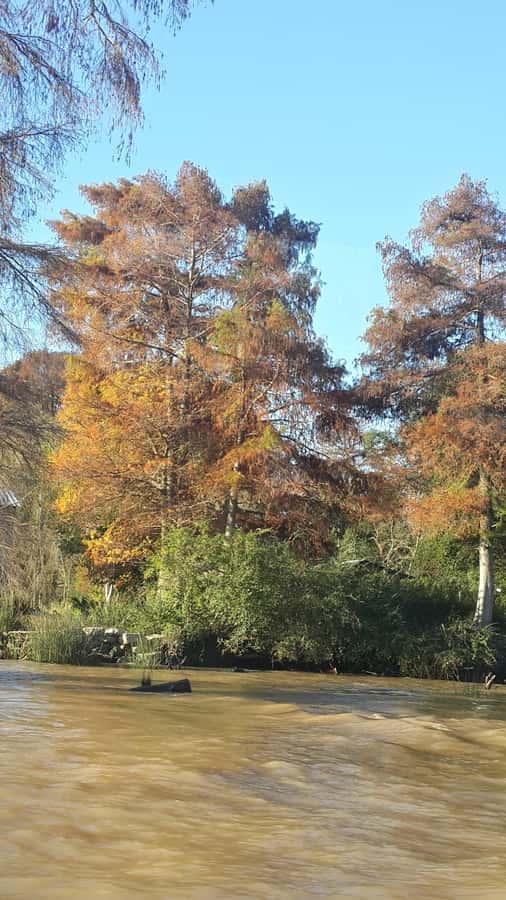
The tour runs daily at 10:30, 12:00, 1:30, 2:45, and 4:00, so you can match it to your day rhythm. With a one-hour cruise, you don’t need a complicated schedule, which is part of the appeal.
If your priority is a relaxed, slower pace, the earlier departures can feel less hectic. You’ll likely get a calmer start in Tigre before the area gets busier. If your priority is a softer light for photography, the later departure can be appealing, since you’re cruising closer to afternoon.
What matters most is your comfort plan for the boat:
- If you prefer hearing the narration, plan to spend more time inside.
- If you prefer deck photos, plan quick outside moments so you don’t miss the spoken names and explanations.
Also keep in mind that if you arrive late or miss the boarding rhythm, things can get messy. One review described that one group seemed prioritized at boarding. That’s not something you should bet on. Arrive early, find the Sturla office area, and get your seat settled early.
Finally, because the meeting point is inside the Tigre fluvial port, you’ll want your Tigre arrival time to be realistic. A buffer is always a good idea when you’re traveling on a schedule.
Should you book the Classic Delta of Tigre Boat Tour?
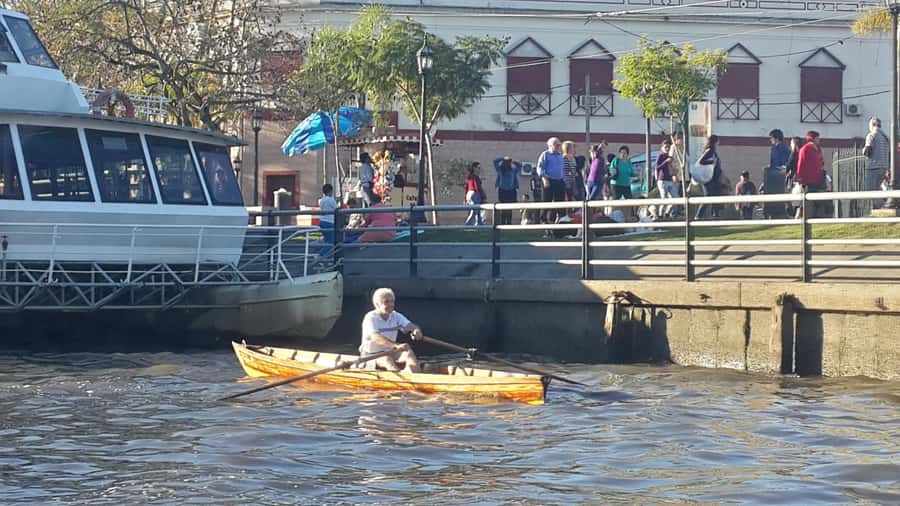
Book it if you want a low-stress, high-impact Tigre taste in just one hour. The combo of five major rivers, island-life views (homes, schools, churches), and pass-by landmarks (City Hall, Tigre Art Museum, and museum/park sights) makes this tour feel more useful than a generic canal cruise. It’s also a friendly, easy outing for mixed-age groups.
Skip it only if your idea of a great tour requires lots of off-boat stops and extended exploring. This is a cruise with sightseeing context, not a walking tour.
If you do book, I’d choose a departure time that lets you arrive calmly at the Sturla Tigre meeting point, then prioritize indoor seating for the Spanish-then-English narration. You’ll get the story, then enjoy the deck when the scenery looks best.
FAQ
How long is the Classic Delta of Tigre boat tour?
The tour lasts 1 hour.
What does the tour include?
It includes a boat trip through the 5 main rivers of the Tigre Delta.
Where is the meeting point in Tigre?
You present at the Sturla Tigre Office at Estación Fluvial Tigre, Est. Fluvial Local 10, Gral. Mitre 319.
Does the price include pickup from Buenos Aires hotels?
No. The experience does not include pickup from apartments or hotels. You’ll need to get to the Tigre Port area where the tour begins.
Is there a personal guide during the tour?
No personal guide is included.
What time does the tour run?
It runs daily at 10:30, 12:00, 1:30, 2:45, and 4:00.
Is the tour commentary available in multiple languages?
The onboard information is delivered first in Spanish and then in English.
Is free cancellation available?
Yes. You can cancel up to 24 hours in advance for a full refund.