REVIEW · TIGRE
Tigre: Safari Náutico en Tigre/ Biosphere Reserve Boat Tour
Book on GetYourGuide →Operated by Safari Náutico en Tigre 'Reserva de Biosfera' · Bookable on GetYourGuide
Tigre turns into a wildlife maze. This private Tigre Delta boat day takes you through the UNESCO-protected Biosphere Reserve Delta del Paraná, with cruising time, photo stops, and enough breaks to actually enjoy the water.
Two things I really like about this experience are the small, private feel on the boat and the way guides talk about what you’re seeing as you move—plants, animals, and how people live on the islands. You’ll get a live guide in multiple languages, and the captain keeps the pace practical so you can watch birds instead of just holding your camera.
One consideration: it’s time on open water with sun and wind, so if you’re sensitive to heat or don’t like getting wet, plan your day around sun protection and bringing what you need.
In This Review
- Key points to know before you go
- Why a Tigre Delta boat day beats a city-only plan
- Getting to Safari Náutico en Tigre (and not wasting time)
- 270 minutes on the water: what your day feels like, stop by stop
- Tres Bocas: the first cruise segment
- Humedales observation time: spotting wildlife with context
- Río de la Plata photo stop: a visual change of pace
- Arroyo Pajarito break: aperitif and tasting
- Delta Terra: more photo time and a short visit
- Puerto de Frutos: arts and crafts on the river
- Museo de Arte de Tigre: culture without forcing it
- Wildlife and wetlands education: what you’ll actually notice
- Food, drinks, and that island-style lunch feeling
- Culture and history beyond the water: what the stops add
- Price and value: what $150 buys you in this kind of day
- Who this tour fits best (and who might reconsider)
- Practical tips before you go (so the day stays fun)
- Should you book Safari Náutico en Tigre?
- FAQ
- How long is the Tigre Delta boat tour?
- Where is the meeting point?
- What does the tour cost?
- Is the tour private?
- What languages are available for the live guide?
- Is the boat tour wheelchair accessible?
- What wildlife will we see?
- Do we stop for food or drinks during the tour?
- Do you visit Puerto de Frutos and a museum?
- What should I bring for the day?
- Is there free cancellation or pay later options?
Key points to know before you go
- Private boat access for a calmer ride and more time for questions
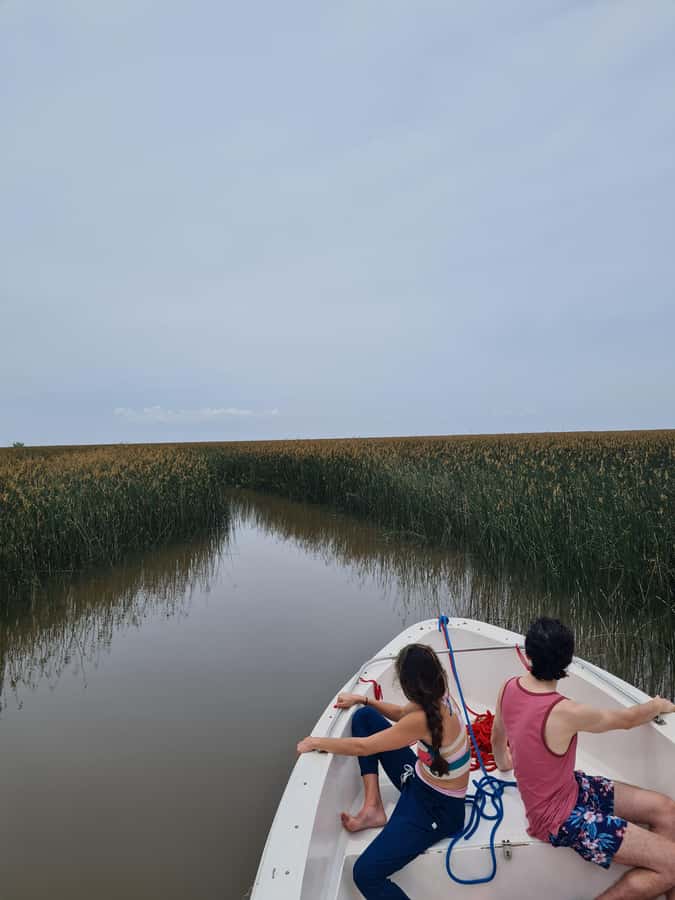
- Biosphere Reserve cruising through protected wetlands near Tigre
- Río de la Plata photo stop to break up the wildlife watching
- Humedales observation time plus bird and flora spotting focus
- Puerto de Frutos and Tigre art museum stop for culture beyond the water
- Break with aperitif and food tasting at riverside-style spots
Why a Tigre Delta boat day beats a city-only plan
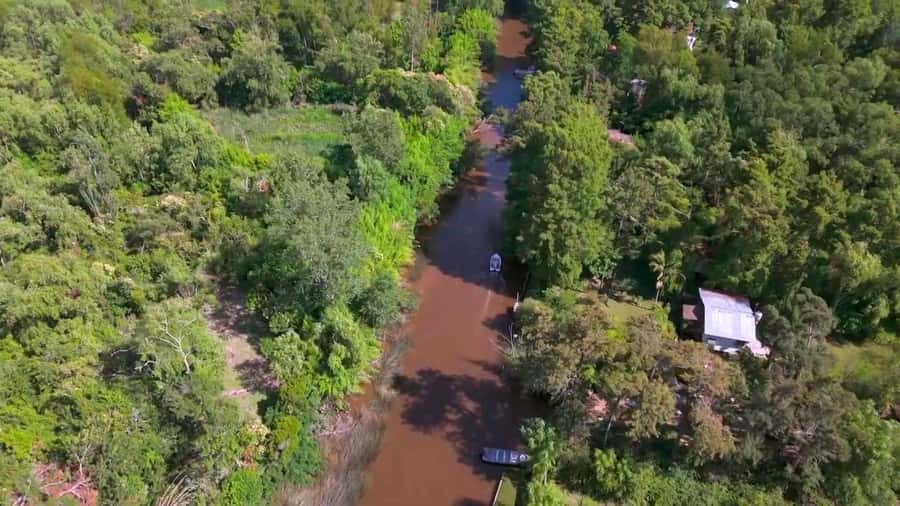
If you already have a Buenos Aires weekend, this tour is a smart swap-in. Tigre is close enough for a day trip, but the atmosphere changes fast once you’re on the water. You trade traffic and pavement for canals, reed beds, and the kind of quiet where bird calls do most of the talking.
What makes this outing especially appealing is that it’s not just a straight cruise. You move between different sections of the Delta and the Río de la Plata area, and you get real time to look, ask, and reset. It’s built around wildlife and wetlands education, but you’re also given room to enjoy the day at your pace—photos, a market stop, and time for food rather than rushing from one quick photo to the next.
The total time is about 270 minutes (roughly 4.5 hours). That’s long enough to feel like you left the city, but not so long that it becomes a slog.
You can also read our reviews of more boat tours in Tigre
Getting to Safari Náutico en Tigre (and not wasting time)
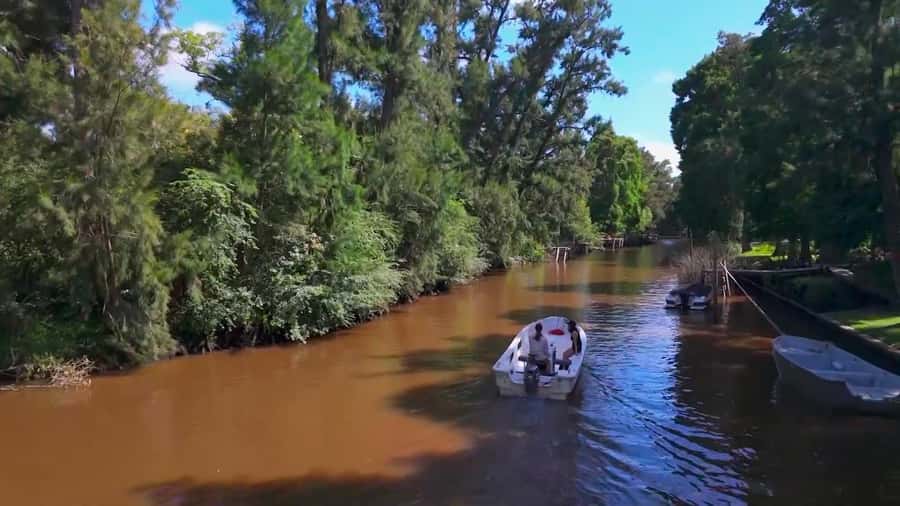
You’ll meet in Tigre at Safari Náutico en Tigre Reserva de Biosfera. The meeting point is 200 meters from Tigre station on the Mitre branch, and it’s easy to find on Google Maps under the same name.
This matters more than people think. When you’re doing a water tour, being early helps you settle in: you get a quick moment for sunglasses, water, and sunscreen, and you can ask your guide about the best side of the boat for photos.
Also, this is a private group format. That usually means the timing is more flexible for you than it is for mass tours, but it still helps to arrive a bit early so the day runs smoothly.
270 minutes on the water: what your day feels like, stop by stop
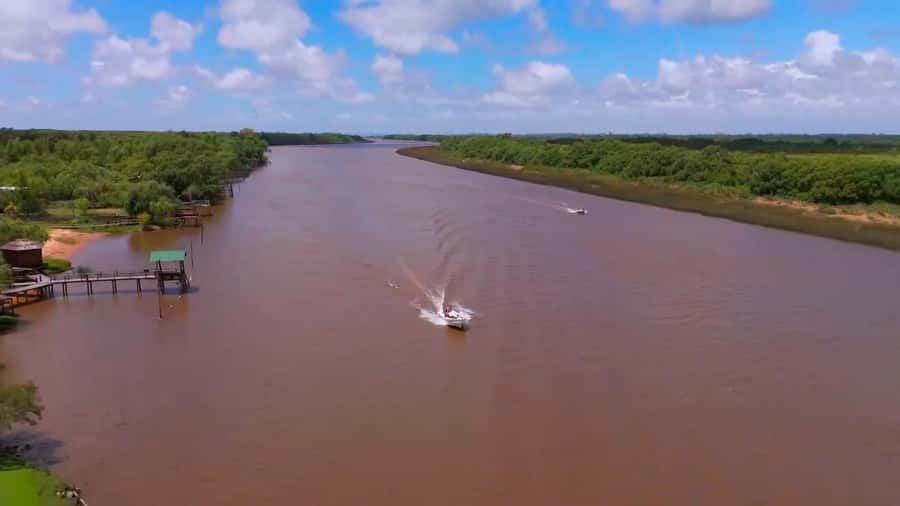
Your tour starts at Tigre’s Reserva de Biosfera dock and moves through a sequence of wildlife and culture moments. Even if the boat keeps moving, the pace is organized so you’re not stuck only sitting.
Tres Bocas: the first cruise segment
First you sail to Tres Bocas. This is where you start seeing how the Delta works—smaller channels, changes in water flow, and the way vegetation forms boundaries. Expect the first stretch to feel like orientation: you get bearings, and the guide can set the tone for what you’ll watch for later.
Humedales observation time: spotting wildlife with context
Next comes the Observatorio de humedales Delta. This is where the wetlands theme becomes practical. Instead of random bird spotting, you’re pointed toward what matters: the plants that shape the habitat and the animals that use it.
Why it’s valuable: the Delta can look like “just greenery” from the water if you don’t know what you’re looking at. A good guide turns the same reeds and birds into information you’ll remember after the trip.

Río de la Plata photo stop: a visual change of pace
Then you reach a Río de la Plata moment with a photo stop. This shift is useful because it breaks up the canal feel and gives you a wider, more open-water perspective.
If you care about photos, this is the kind of stop you’ll appreciate: you’re still on the water, but the view changes. If you don’t care about photos, it’s still a good breather—stand, stretch, and take a moment before heading back into tighter waterways.
Arroyo Pajarito break: aperitif and tasting
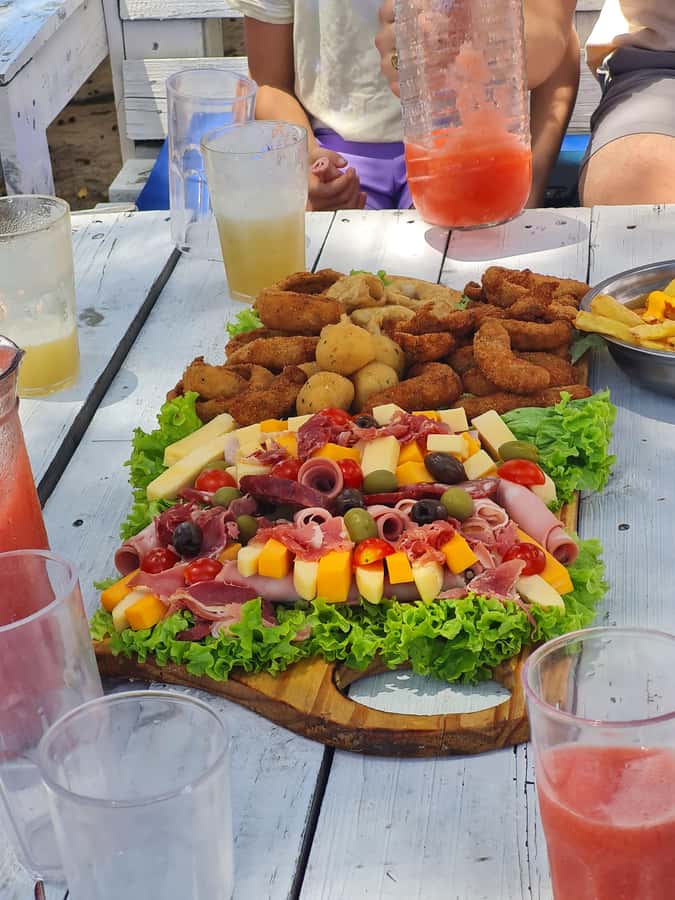
At Arroyo Pajarito, you get a break time with an aperitif and options like beer, cocktail, coffee, tea, wine, and food tasting (plus more food choices depending on the day). This is a big part of why the tour feels enjoyable rather than purely observational.
Two practical reasons to like this stop:
- You cool down and hydrate.
- The food break is part of the local experience, not an awkward scramble to find lunch.
Delta Terra: more photo time and a short visit
Then comes Delta Terra for a photo stop and visit. Think of this as a second chance to soak in the area and interact with what’s around you, not only what’s passing by.
This is also where the guide’s expertise can really pay off. When the boat slows, you can spot details you would miss at cruising speed—patterns in vegetation, bird behavior, and the way waterways connect.
Puerto de Frutos: arts and crafts on the river
Next is Puerto de Frutos, where you visit the arts & crafts market. This is one of the best add-ons in Tigre because it’s not a shopping trap by default. You’re already in a river setting, so browsing locally made items feels natural.
If you like bringing home something small and Argentine but not mass-produced, this stop is worth your attention.
Museo de Arte de Tigre: culture without forcing it
Finally, you go to Museo de Arte de Tigre for a break, photo stop, and a guided tour plus free time. For a water-first day, this is a smart balance: art and history help you understand Tigre beyond its waterways.
One nice thing about this timing: by the end, you’ve had enough nature time that the museum doesn’t feel like an interruption. It feels like the day finishing with an extra layer.
Wildlife and wetlands education: what you’ll actually notice
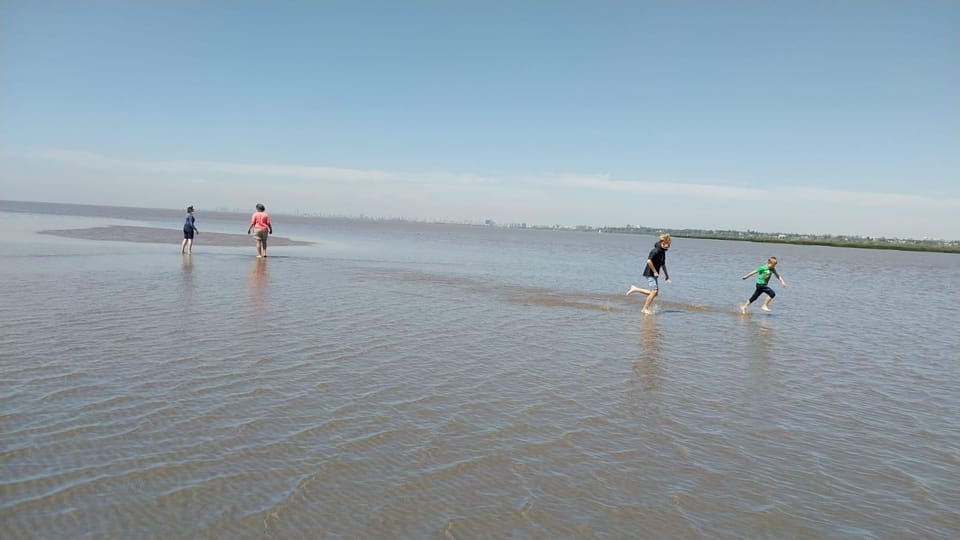
This tour is designed around the Delta’s flora and fauna in the Rioplatense area. That word education can sound stiff. On the water, it’s usually simpler: the guide points out what you can see right now, then explains why it’s there.
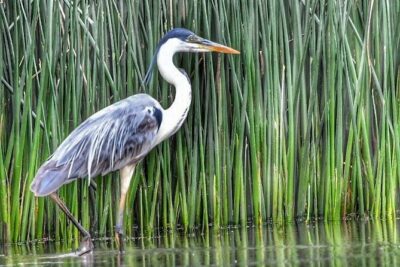
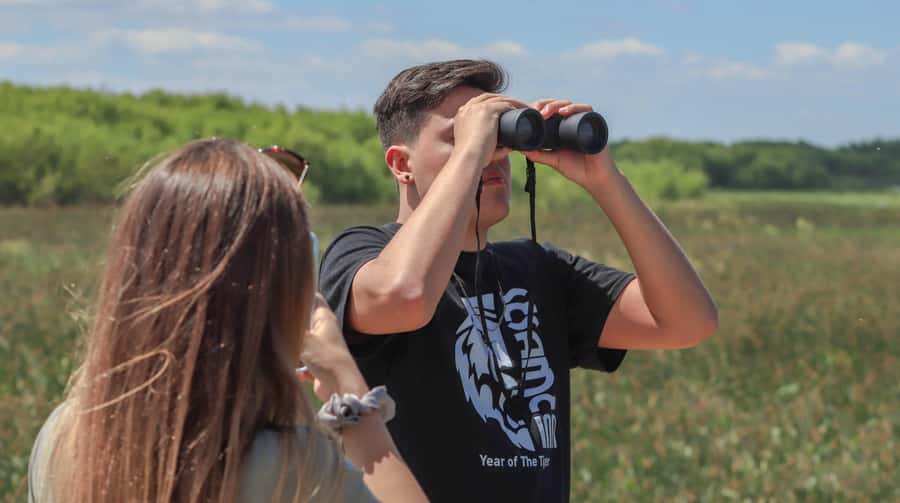
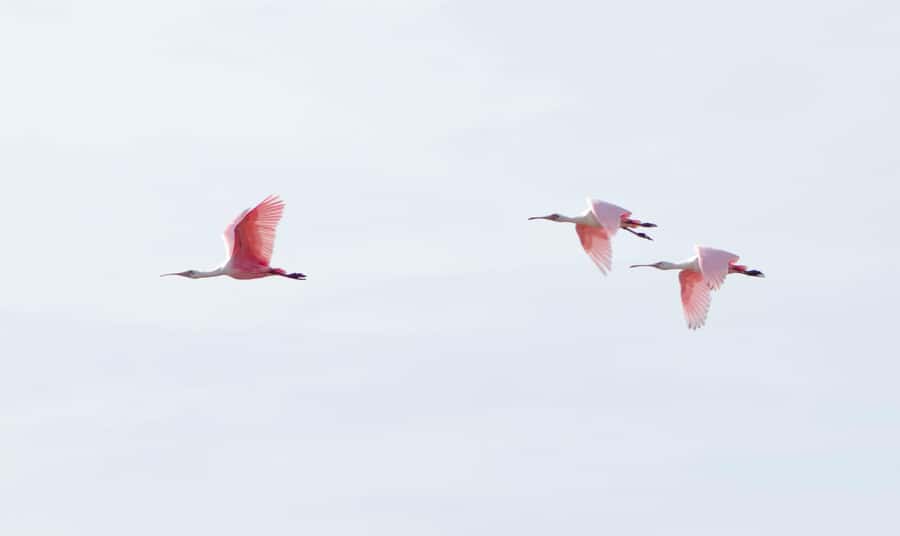
Birdlife is the headline. Expect lots of attention on birds and the wetlands systems that support them. If you’re hoping for specific mammals, you should be realistic. One guest experience highlights a capybara search that didn’t end in a sighting, even though they went into a wilder area.
So treat animal spotting as a best-effort experience, not a guarantee. You’ll still get value if you’re not chasing one species. Watching how birds move through reeds, how water channels change, and how vegetation clusters tells its own story.
Also, the guides and captains are described as locals. That matters because local experience tends to focus on behavior and habitat, not just facts. In the real world, that often means you hear better explanations about the Delta and how island life works.
You may meet guides such as Lina or Lautaro, and captains such as Sergio. There’s a consistent vibe in these examples: friendly, fun, and invested in making your time on the water meaningful.
Food, drinks, and that island-style lunch feeling
This isn’t a dry nature tour where you stare at water and starve. You’re scheduled for a break at Arroyo Pajarito with aperitif options and food tasting, and the overall day includes stops at riverside villages where you can eat traditional cuisine.
One of the best values of this kind of tour is the timing: you’re not trying to find a restaurant while you’re already hungry and sunburning. Your guide coordinates the pause so you can enjoy the meal without turning it into a logistical headache.
In at least one experience, the food stop is described as off the main tourist track—more frequented by islanders—then served in a spot that feels scenic and calm. You should still expect a relaxed meal structure rather than a formal sit-down, but the vibe tends to be local.
Culture and history beyond the water: what the stops add
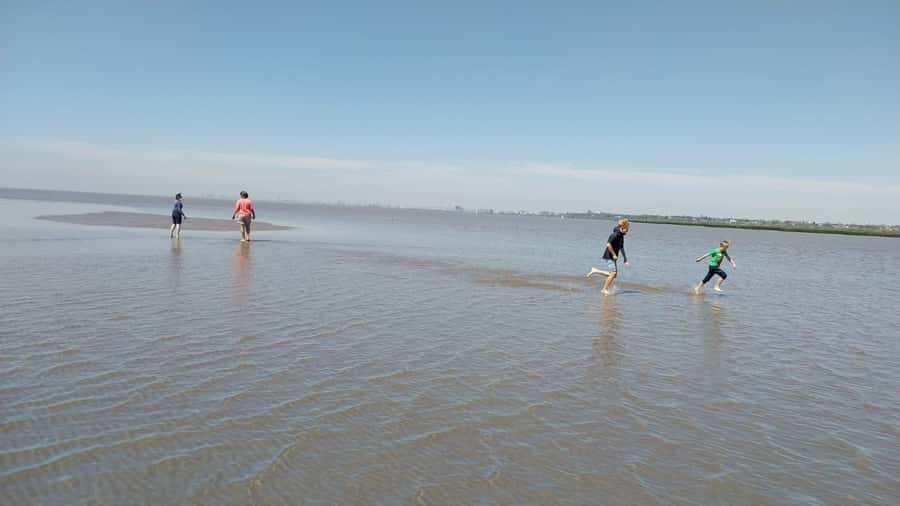
You’ll get more than canals. The day includes market time at Puerto de Frutos and a museum visit at Museo de Arte de Tigre. The goal isn’t to turn your boat trip into a lecture series—it’s to give you context for the place you’re cruising through.
Museums and markets can feel optional on nature days, but here they help you link two halves of the Delta story:
- How the waterways shape daily life
- How Tigre has built culture around that water-world
And because it’s a private group, you can usually adjust your attention. If you’re not museum-y, you can focus more on the guided tour plus free time. If you love local crafts, Puerto de Frutos can be your main souvenir stop.
Price and value: what $150 buys you in this kind of day
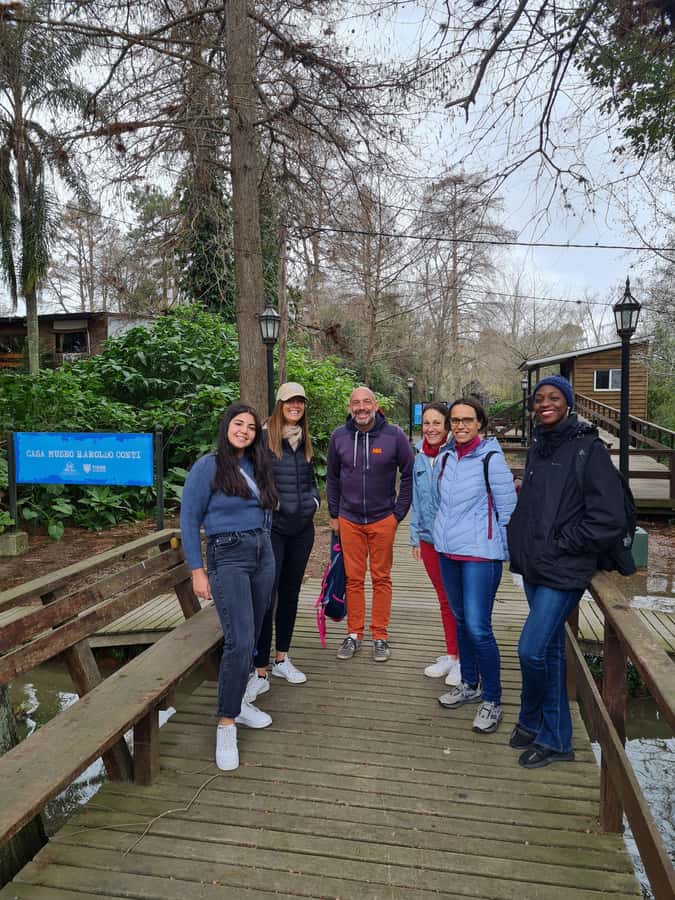
At $150 per person, this sits in the mid-to-upper range for day tours around Greater Buenos Aires. The value comes from a mix of things, not just one line item.
Here’s where that price tends to pay off:
- Private group format (less crowding, more flexibility)
- A real 4.5-hour outing that includes multiple stops and activities
- Biosphere Reserve focus and wildlife interpretation
- Food and drinks during scheduled breaks
- A guided tour component at the museum plus the market stop
If you’re comparing to cheaper mass tours, ask yourself this: do you want the day to feel like a checklist, or do you want it to feel like you’re moving through one place with a local guide who can answer questions in real time? This tour is built for the second option.
Who this tour fits best (and who might reconsider)
This experience is a strong match if you:
- Like wildlife watching but want explanations, not just binocular guessing
- Want a break from city sightseeing without losing cultural touches
- Prefer a private format for questions and a calmer pace
- Care about wetlands and how people live near them
It may be less ideal if you:
- Are mainly interested in urban attractions and don’t want a day that feels outdoors-first
- Hate sun/wind exposure (you can manage it, but it’s still open water time)
- Expect guaranteed sightings of a specific animal (capybaras are possible, but not promised)
Practical tips before you go (so the day stays fun)
Bring the basics, because the Delta can go from pleasant to blinding fast:
- Sunglasses
- Sun hat
- Sunscreen
- Water
A couple of real-world mindset tips help too:
- Wear light clothing that can handle getting damp.
- Keep your day flexible in case you feel the heat early; the scheduled breaks are there for a reason.
- If you’re into photos, have your camera ready at transitions. The best moments often happen right after the boat slows.
Also note: the tour offers a live guide in Spanish, English, French, and Russian, and it’s wheelchair accessible. If you have mobility needs, it’s worth checking in before the day so the boat setup and timing work smoothly for you.
Should you book Safari Náutico en Tigre?
I’d book it if you want a meaningful Delta day that blends wildlife watching, wetlands education, and a couple of cultural stops. The private setup makes a difference, especially when your guide can steer your attention to birds, plants, and the human side of island life.
Skip it only if your ideal Argentina day is mostly museums, cafés, and walking streets. This one is about water, birds, and learning how the Delta works while you’re actually there.
If you’re still deciding, tell yourself this: Tigre is one of the easiest ways to get a real change of scenery from Buenos Aires, without needing a whole day of travel. This tour is built to make that change worth your time.
FAQ
How long is the Tigre Delta boat tour?
The duration is about 270 minutes (roughly 4.5 hours).
Where is the meeting point?
The meeting point is in Tigre, about 200 meters from Tigre station on the Mitre branch. You can find it on Google Maps as Safari Nautico En Tigre.
What does the tour cost?
The price is $150 per person.
Is the tour private?
Yes. It’s listed as a private group.
What languages are available for the live guide?
The live tour guide is available in Spanish, English, French, and Russian.
Is the boat tour wheelchair accessible?
Yes, it’s listed as wheelchair accessible.
What wildlife will we see?
The tour focuses on flora and fauna in the Rioplatense area and includes observation stops for wetlands wildlife, with birdlife expected. Specific animals are not guaranteed.
Do we stop for food or drinks during the tour?
Yes. There’s a break time (including aperitif and drinks options) and food tasting, and the tour also includes time around riverside villages where you can enjoy traditional cuisine.
Do you visit Puerto de Frutos and a museum?
Yes. You’ll visit the Puerto de Frutos arts and crafts market and also stop at Museo de Arte de Tigre with guided tour and free time.
What should I bring for the day?
Bring sunglasses, a sun hat, sunscreen, and water.
Is there free cancellation or pay later options?
There is free cancellation up to 24 hours in advance for a full refund, and you can reserve now and pay later.