REVIEW · TIGRE
Tigre: River Delta Panoramic Boat Tour
Book on GetYourGuide →Operated by Sturla Viajes · Bookable on GetYourGuide
A river cruise in the Tigre Delta feels like a different Argentina. You’ll glide past houses, schools, and a church on the islands, with a running audioguide that explains how life works out here. I love that the ride is short and focused, yet you still cover a lot of ground—plus the views are genuinely relaxing. The only real catch is that the boat’s narration can be loud, and the best sightlines up top are not always roomy for everyone.
I think this tour works best when you want a scenic break without overplanning: you start at the Tigre fluvial station, cruise for an hour through five river branches, and come back ready to continue your day around Buenos Aires. One drawback to consider: the scenery can feel more residential than postcard-y, so manage your expectations if you’re chasing dramatic wilderness.
In This Review
- Tigre Delta highlights that make the hour worthwhile
- Where the tour starts: Estación Fluvial Tigre and Sturla Viajes
- The 1-hour cruise: how five river names become one coherent experience
- Passing homes, schools, and a church: what you’re really seeing
- Audioguide on the loudspeaker: the good and the annoying
- Choosing your spot on board: top views versus better listening
- Price and value: is $18 actually a good deal?
- Time planning from Buenos Aires: taxi, station timing, and staying comfortable
- Who should book this cruise (and who should skip it)
- Booking call: should you do the Tigre Delta panoramic tour?
- FAQ
- Where do I board the Tigre river boat tour?
- How long is the boat tour?
- What languages is the audioguide available in?
- Is hotel pickup or drop-off included?
- What should I bring, and is it wheelchair accessible?
- Can I cancel and get a full refund?
Tigre Delta highlights that make the hour worthwhile
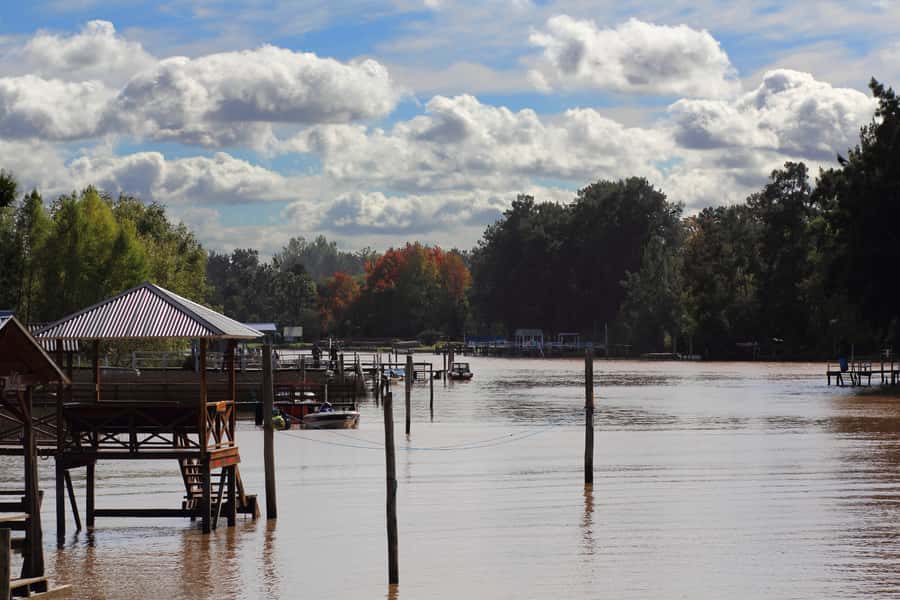
- Five rivers in one cruise across Luján, Carapachay, Angostura, Sarmiento, and Espera
- Island life on view: homes, schools, and a church along the waterways
- Audioguide in three languages via loudspeaker (English, Spanish, Portuguese)
- Panoramic “top deck” views over the water and channels—especially on good-weather days
- Tigre is a great staging point on its own, so even the start feels like part of the trip
- Easy value for the price: $18 for a full hour on the water with narration
Where the tour starts: Estación Fluvial Tigre and Sturla Viajes
Your tour begins at Estación Fluvial Tigre, on the dock area. You’ll board at local 10 (local 10, B1648DDH), so don’t just aim for the general station entrance—walk in with the dock number in mind. If you feel lost, there’s a local partner office inside the station a few meters away from the dock, and that’s the place to ask.
You’ll typically see the whole Tigre station vibe: quick-moving families, people grabbing snacks, and lots of boats coming and going. That matters because it sets the mood. Even before you board, you’re already in the rhythm of the Delta day trip.
Tickets are set up so you can skip the ticket line, which helps if you’re arriving later in the day or you don’t want to waste time waiting. Also, you don’t need hotel pickup. You’ll just make your way to Tigre yourself, then board right from the dock.
If you’re coming from Buenos Aires by taxi, plan for about an hour each way and try not to cut it too close. Rush-hour traffic can stretch the trip more than you expect, and the station is busy in a way that rewards arriving early.
You can also read our reviews of more boat tours in Tigre
The 1-hour cruise: how five river names become one coherent experience
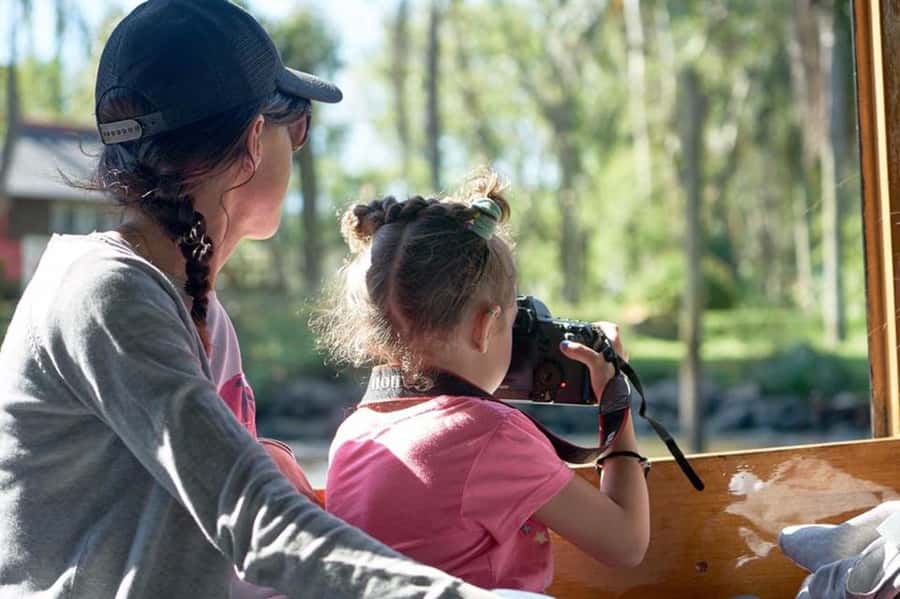
The heart of the tour is straightforward: you cruise for about one hour, sailing through five of the Delta’s key waterways—Luján, Carapachay, Angostura, Sarmiento, and Espera—before returning to the station.
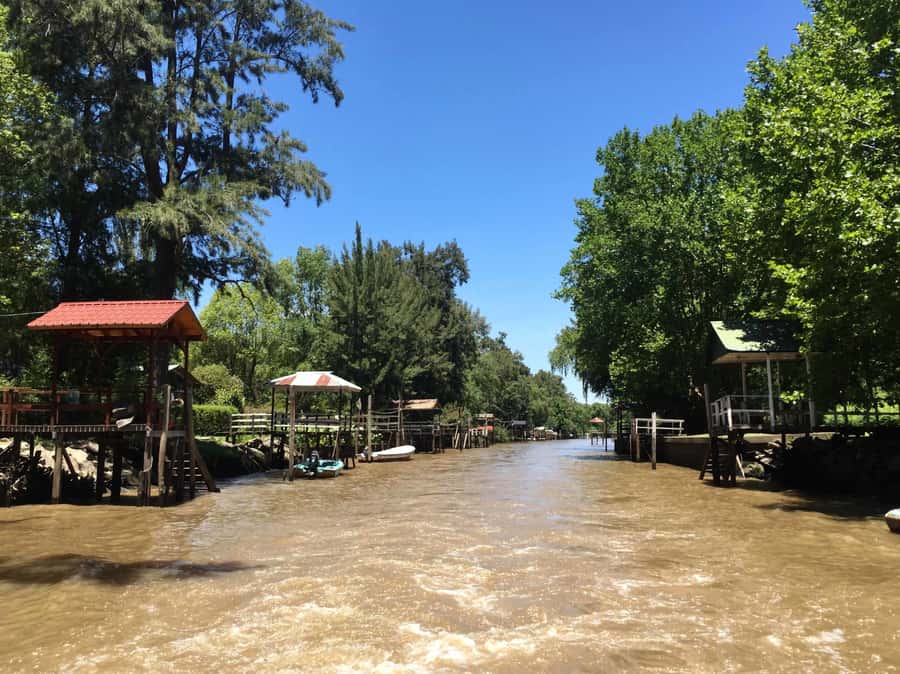
The reason this “five rivers” design works is that it gives you quick variety without turning the trip into a full-day slog. Each section feels like a slightly different channel character: water width changes, the feel of the shoreline shifts, and the houses you see can look more clustered or more spread out depending on the stretch.
The tour isn’t trying to sell you a fantasy of untouched wilderness. Instead, it shows you a lived-in river system—one where people built their routines around boats, canals, and the rhythm of the delta. That makes the experience feel practical and real, not just scenic.
And there’s a geography payoff: Espera is where the Delta Tierra reserve is located. Even if you don’t treat it like a hiking trip, it’s useful context. You understand that this isn’t only neighborhoods and footpaths on water—there’s also protected nature in the mix.
Passing homes, schools, and a church: what you’re really seeing
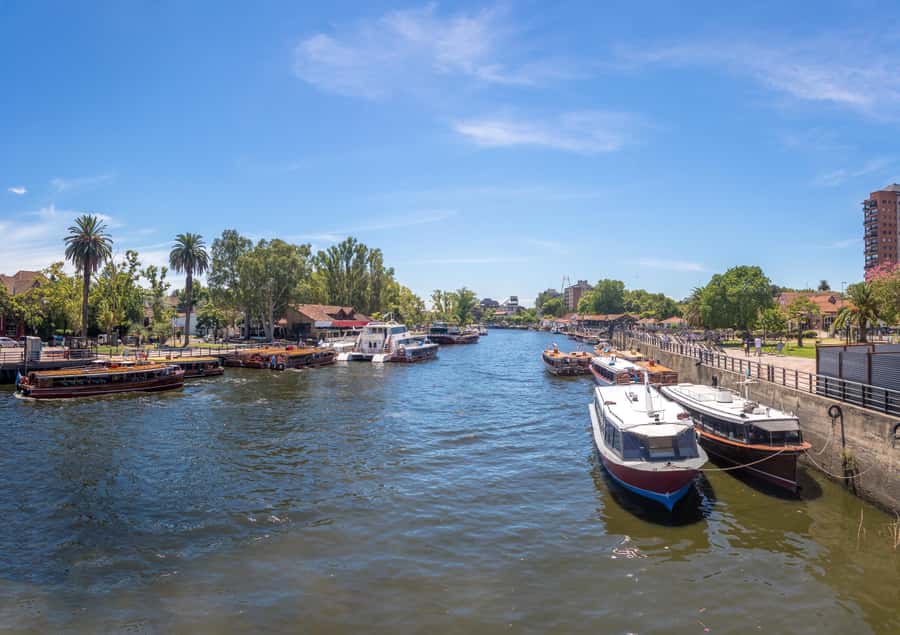
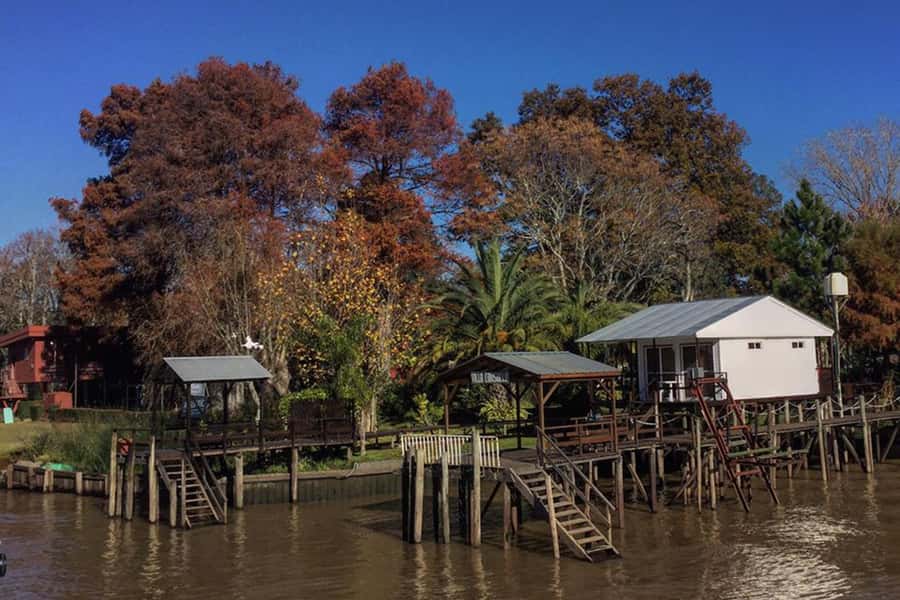
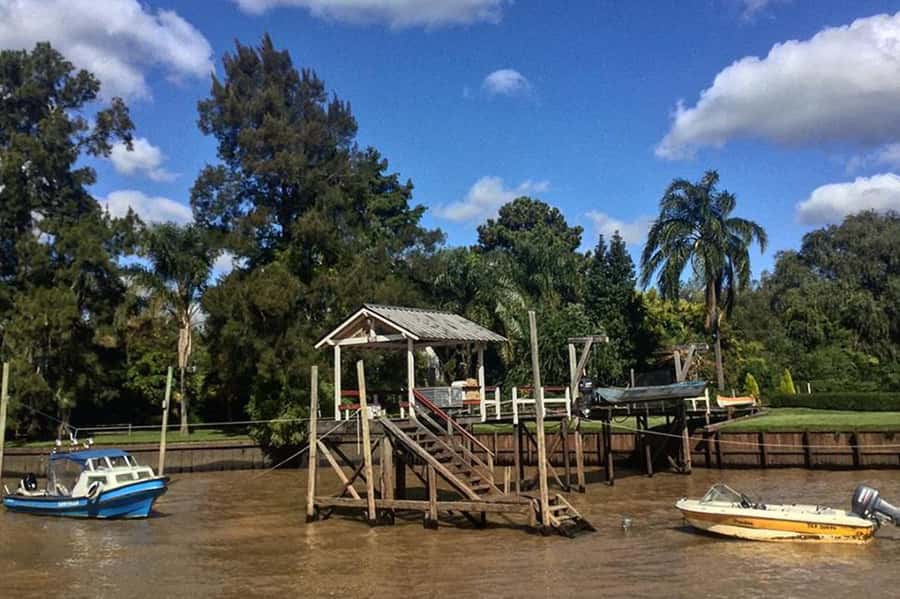
One of the best parts is the fact that you don’t only see shoreline vegetation and water views. You also see houses, schools, and a church—the visual proof of how daily life operates on islands.
That’s what makes the Delta feel different from a standard sightseeing cruise. You’re looking at architecture and infrastructure that assume water is the main route. You start to notice patterns: where communities concentrate, how buildings face the waterways, and how the delta setting shapes everyday movement.
This is also why seating and timing matter. If you want those moments to land, try to position yourself where you can actually follow the narration while looking out. When you’re too far back or too crowded, you can lose the connection between the story and what you’re seeing.
Audioguide on the loudspeaker: the good and the annoying
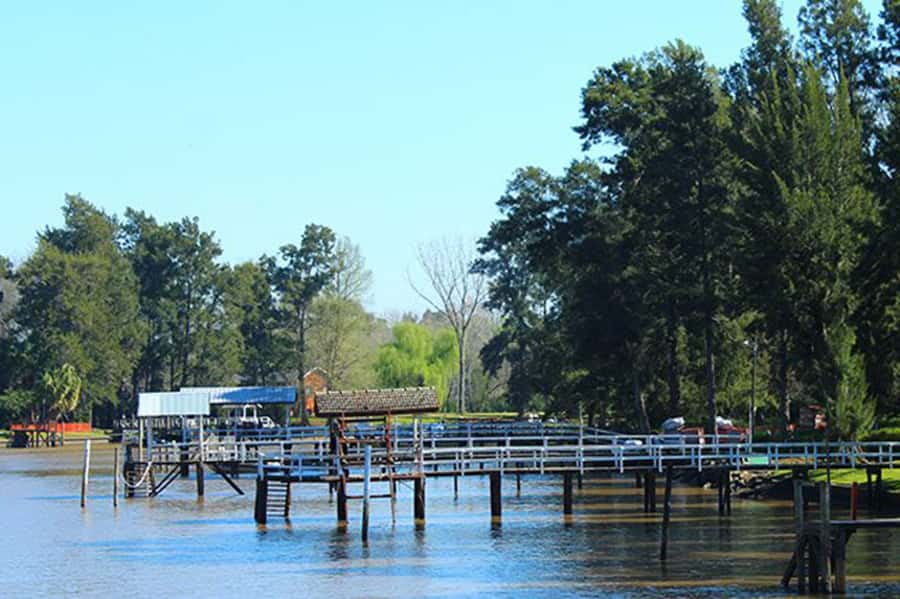
The boat includes a loudspeaker audioguide that runs during the cruise, explaining the region and its characteristics. It’s available in English, Spanish, and Portuguese, and that’s a big plus for international visitors who don’t want to rely on a tablet app or headphones.
Here’s the thing to know from real-world experience: sound can vary depending on where you sit. If you sit outside on deck, you might find it harder to hear clearly. One common solution is to move a bit closer to the speaker area while the narration is running, or stay where wind noise doesn’t drown it out.
Also, expect the audio to be present and part of the experience. It’s not a quiet, meditation-style cruise. If you love guided context, great. If you’re hoping for a silent glide, you might find it a bit too loud.
Still, I like that the narration is doing the heavy lifting. You’ll pick up the “why” behind what you see—how the Delta works, why these specific river branches matter, and what makes the island lifestyle unique.
Choosing your spot on board: top views versus better listening
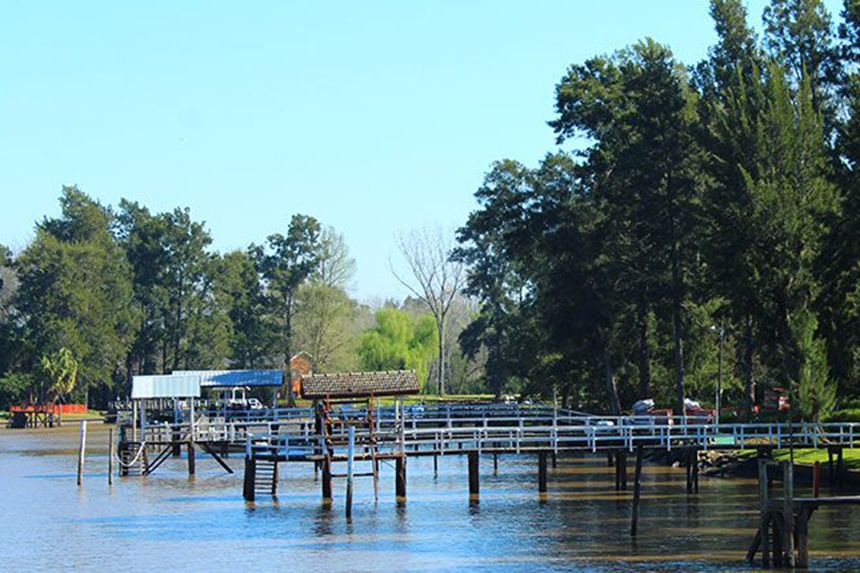
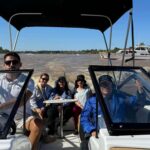
Most people naturally gravitate to the open roof for views and breeze. On a hot day, that fresh air can turn the cruise from just pretty into genuinely pleasant. The deck setup also helps because everyone can see the water, even if not everyone can get the same angle.
But there’s a practical downside: the space up top can be tight. When it’s busy, you’ll notice that not everyone gets a comfortable seat outside. Some passengers end up standing to get the best sightlines, which is fine if you’re mobile and not hoping for a long sit.
My advice: pick your priority.
- If your priority is views, aim for a spot on the open deck as early as you can.
- If your priority is the narration, stay where you can hear without fighting wind.
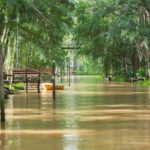
This is also where your expectations should match reality. The Delta can look brown and muddy in parts, because that’s what waterways often look like when you’re this close to active river channels. That doesn’t mean the cruise is bad—it just means it’s more about life along the water than about a perfect postcard palette.

Price and value: is $18 actually a good deal?
At $18 per person, this tour is priced like something you can do even if your Buenos Aires budget is tight. For a one-hour boat ride with multilingual narration and a guided route through five river branches, the value is clear.
Here’s what you get for that money:
- A set duration (so you’re not guessing how long you’ll spend)
- On-board narration in three languages
- The chance to see real island settlement elements like schools and a church
- Skip-the-line convenience at the station
The question is less about whether it’s worth $18 and more about what you want out of the hour. If you want a quick scenic pause with context, this hits the target. If you want dramatic nature scenery only, the Delta is going to feel more residential than wild.
I also like that there are nearby food options at the station, so you can easily turn this into a half-day plan: cruise first, then grab a coffee or sandwich while you wait for your next activity.
Time planning from Buenos Aires: taxi, station timing, and staying comfortable
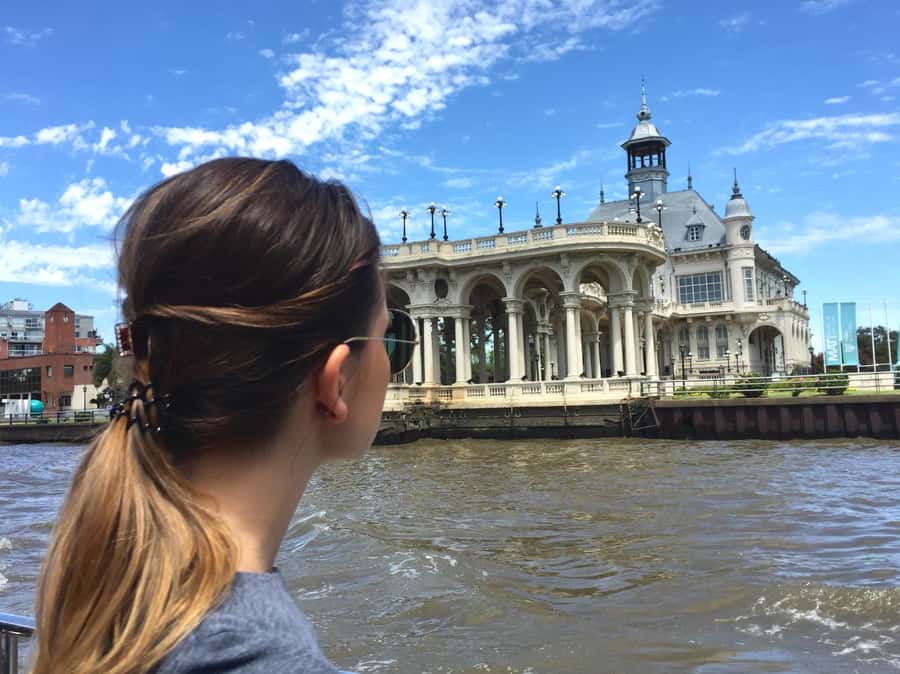
Tigre itself is about an hour from Buenos Aires by taxi, but traffic can make it longer, especially during rush hour. The main value of planning here is simple: get to the station with buffer time so boarding doesn’t feel like a sprint.
Once you’re there, you can also use the waiting time wisely. The station area has snack stops, and it’s a nice chance to settle your pacing—especially if you’re traveling with friends who want to buy something small before boarding.
Weather matters too. This is an outdoor cruise where comfort depends on wind and sun. If it’s hot, the open deck breeze helps. If it’s cooler, you’ll still enjoy the ride, but you might want a layer so you’re not shivering while looking out.
Who should book this cruise (and who should skip it)
You’ll enjoy this tour most if:
- You like short, focused activities that still tell a story
- You’re curious about how communities adapt to island and river life
- You want panoramic water views without committing to a full day
You might skip it if:
- You’re expecting wilderness in the classic National Park sense
- You dislike loud narration or know you struggle with wind noise when listening
- You’re only interested in perfect, colorful scenery (parts of the Delta can look muddy or industrial)
It’s also a good option if you’re traveling as a couple or solo and want an easy “reset” in your itinerary. And because it’s wheelchair accessible, it can work for mobility needs, as long as you plan to board and find your spot early.
One more note: pets aren’t allowed, so plan accordingly.
Booking call: should you do the Tigre Delta panoramic tour?
If you want the Delta experience in a clean, one-hour format, I’d book it. The combination of five river sections, multilingual narration, and the sight of island institutions like schools and a church gives you more than just generic scenery.
But do this with the right mindset. This isn’t only about nature postcards. It’s about life on the waterways—seen from a boat, explained through narration, and wrapped up before you get bored or tired.
If your time is limited in Buenos Aires, this is one of those tours that fits neatly without draining your day.
FAQ
Where do I board the Tigre river boat tour?
You board at Estación Fluvial Tigre, dock local 10 (Local 10, B1648DDH Tigre, Buenos Aires, Argentina). Show your mobile or printed voucher directly at the dock. If you have trouble, look for the partner office inside the station a few meters away from the dock.
How long is the boat tour?
The cruise lasts 1 hour.
What languages is the audioguide available in?
The audioguide is included and available in English, Spanish, and Portuguese.
Is hotel pickup or drop-off included?
No. Hotel pickup and drop-off are not included.
What should I bring, and is it wheelchair accessible?
You should bring your passport or ID card. The tour is wheelchair accessible. Pets are not allowed.
Can I cancel and get a full refund?
Yes. You can cancel up to 24 hours in advance for a full refund.