REVIEW · BUENOS AIRES
Boca tour: Tango, Soccer, Art and Immigration
Book on GetYourGuide →Operated by CULTOUR BA · Bookable on GetYourGuide
La Boca has a sound and a look. This Tango, Soccer, Art and Immigration walk links the neighborhood’s street life to tango origins and the culture around Boca Juniors. Two things I really loved: the way my guide, Juliette, made the history feel clear and personal, and how the route mixes Caminito street art with real football atmosphere at La Bombonera. One drawback to plan around: you do a lot of walking, and it’s not set up for wheelchair access.
I also liked the small-group feel on the bus and on foot. You get time to ask questions in English, Spanish, or Portuguese, not just listen and rush along. My other practical win: the tour is short enough (150 minutes total) that you can still build the rest of your day around food and views near the old port.
If you hate lines, there’s a nice assist here: you use a separate entrance to help you skip the main stadium queue. Still, note that stadium entrance fees are not included in the $50 price, so you’ll want to budget for that part separately.
In This Review
- Key highlights at a glance
- La Boca on foot: what the 150-minute plan feels like
- Meeting at Viajero Hostel and riding the local bus
- The old port and where the neighborhood’s story begins
- Conventillos: seeing immigration history in a real setting
- Caminito street: murals and the art you can walk right into
- La Bombonera: the atmosphere of Boca Juniors, up close
- Plaza República de la Boca and the street-art themes
- Price and value: is $50 a good deal for La Boca?
- What to bring (and what will slow you down)
- Who should book this La Boca walk, and who shouldn’t
- The guide experience: where Juliette’s style really helps
- Should you book Tango, Soccer, Art and Immigration in La Boca?
- FAQ
- What is the meeting point for this tour?
- Which days does the tour run, and what time does it start?
- How long is the experience?
- What language is the live guide available in?
- Are meals included in the price?
- Is the Boca Juniors stadium entrance included?
- Do I need to buy a bus ticket?
- Is this tour suitable for wheelchair users?
Key highlights at a glance
- La Boca bus + walking plan that gets you from Venezuela 649 to the old port without stress
- Conventillos context on Italian immigration and how cultures mixed here
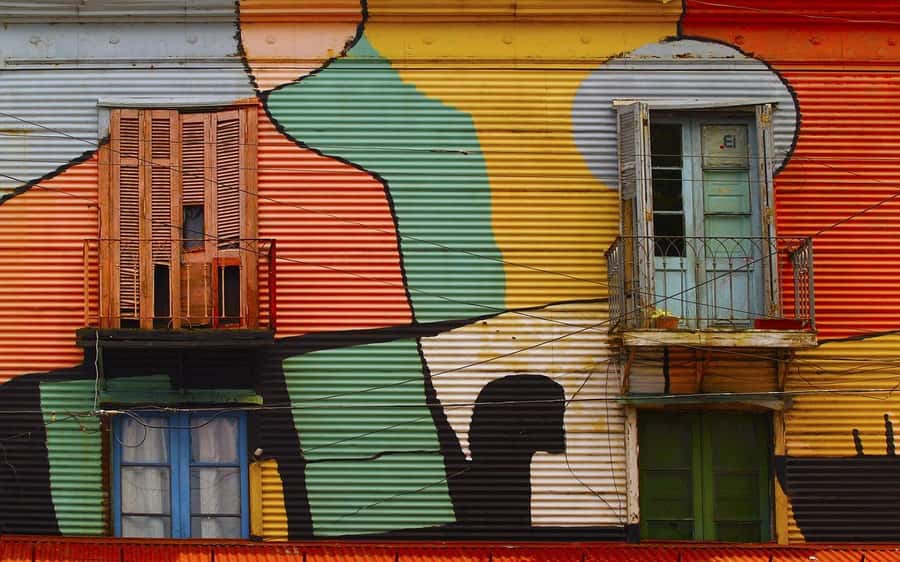
- Caminito street art plus murals and football-themed graffiti you can actually spot up close
- La Bombonera experience focused on Argentine football culture at Boca Juniors’ home
- Small-group guided pace with Q&A that makes history easier to remember
La Boca on foot: what the 150-minute plan feels like
This tour is designed for people who want the essentials of La Boca without turning the day into a scavenger hunt. You’ll spend about two hours walking through the neighborhood, then use the remaining time to transfer by public bus and tie everything together near the port.
The pacing works because La Boca is not one single attraction. It’s a chain of places that tell one story: immigration, music, football, and the visual language of the streets. When you follow that thread with a live guide, the colorful streets make more sense, and you spend less time wondering what you’re looking at.
And yes, it really does come down to your comfort on your feet. Bring shoes you can walk in for a couple hours, because the tour is mostly outdoors and you won’t be sitting much.
You can also read our reviews of more tours and experiences in Buenos Aires.

Meeting at Viajero Hostel and riding the local bus
You meet at Venezuela 649, at Viajero Hostel. Tours run every Tuesday and Friday at 11:00 am, and the guide keeps the group together from the start.
From a value perspective, I like that you don’t start with a long self-guided commute. You’re using a public bus to get into La Boca, but you’re not doing it alone with a map and a timer. That matters in Buenos Aires because routes and boarding points can feel confusing if it’s your first day.
Practical tip: if you’re planning any photos, think about timing and light. Late mornings are usually decent for street photography, and La Boca’s facades and murals reward you more if you’re not rushing.
The old port and where the neighborhood’s story begins
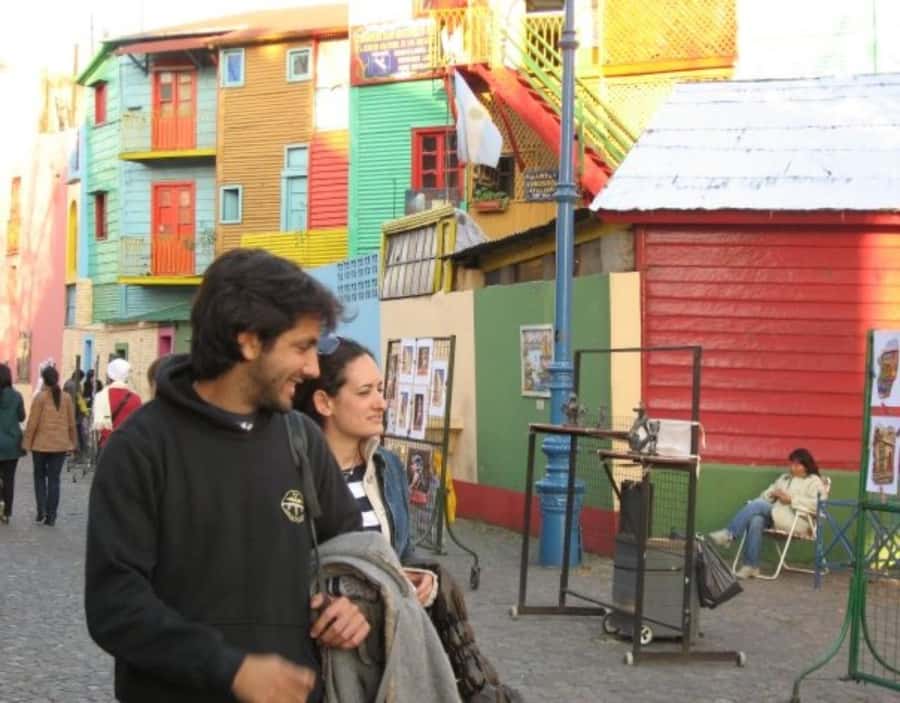
The first part of the walk sets you at the old port area and the gateway to Caminito. This matters because La Boca’s identity didn’t form in a vacuum. The port brought people, work, and a mix of cultures that later showed up in everyday life and in art.
Your guide connects those dots as you move. You’ll learn how Italian immigration helped shape the neighborhood’s social fabric, and you’ll hear how those shifts connect to the origins of both tango and soccer in this part of Buenos Aires.
Here’s what I’d pay attention to: the way cultural mixing becomes visible in language, music, and even the themes on walls. Even if you’re not a history person, the story lands because the places are right in front of you.
Conventillos: seeing immigration history in a real setting
One of the most meaningful stops is the conventillos, the shared houses where immigrants lived. This is where the tour becomes more than sightseeing. Instead of treating La Boca as a postcard, you get a clearer picture of how people actually lived when the neighborhood was forming.
Why I like this part: it gives context for the rest of the route. When you later see tango references and football culture, it’s easier to understand why they became part of daily life. Your guide also helps you connect the social side of immigration to the creative side—how communities shaped music and local identity.
This is also a good pause for photos and for listening. You’ll usually have enough time to look around and then refocus on your guide’s explanation.
Caminito street: murals and the art you can walk right into
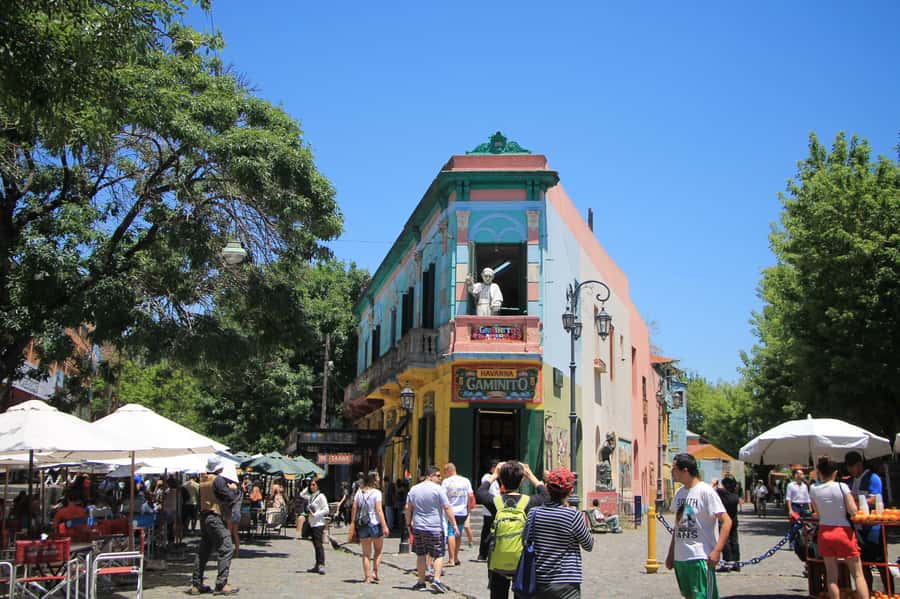
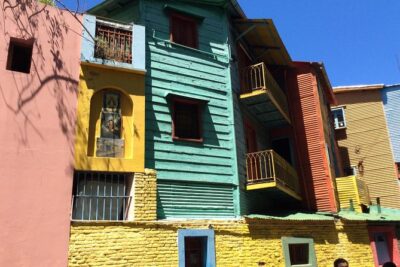
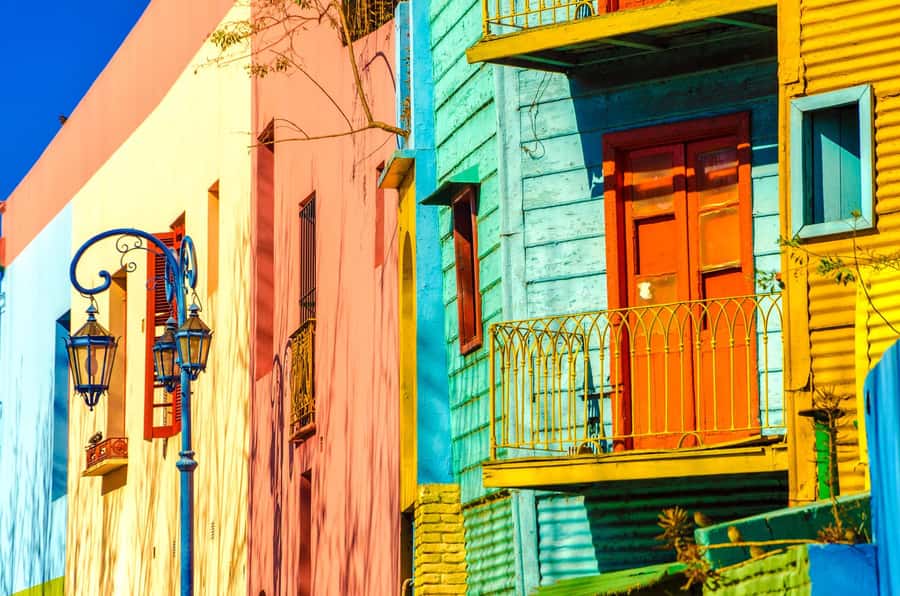
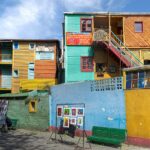
Caminito is the most famous street stop on this route, and that fame is earned. Expect colorful houses, murals, and a steady flow of street-life energy around the pedestrian area.
What makes it work on a guided tour is that you’re not just admiring color. You’re learning what to look for. Your guide points out details that connect the art to the neighborhood’s story—especially the way football and tango references show up in the visuals.
If you like photography, this is where you’ll want your camera ready. The facades give you texture, and the street art gives you something to aim at besides “a colorful wall.” Also, since you’re with a group, you won’t spend time hunting for the best angles.
One practical consideration: Caminito can be busy. If you’re sensitive to crowds, keep your patience level high and focus on the moments between the biggest flows—right as you arrive and right before you move on.


La Bombonera: the atmosphere of Boca Juniors, up close
The tour’s football moment centers on Boca Juniors’ stadium, La Bombonera. This is the home of Argentine football culture, and the stop is structured to give you the feel of why people care so much.
Here’s the key detail: the tour includes a skip-the-line advantage using a separate entrance, but entrance fees for the stadium are not included. So you’ll want to plan for that extra cost if you want to go in.
Even without getting lost in match-day myths, the stadium visit adds weight to everything else on the tour. You start with tango and immigration history, then you end with the football culture that helps define the neighborhood today. That contrast is part of the fun.
What to expect on arrival: a lot of fan energy in the air, plus more street-level football references nearby. It’s the kind of stop that feels more like a cultural experience than a checklist entry.
Plaza República de la Boca and the street-art themes
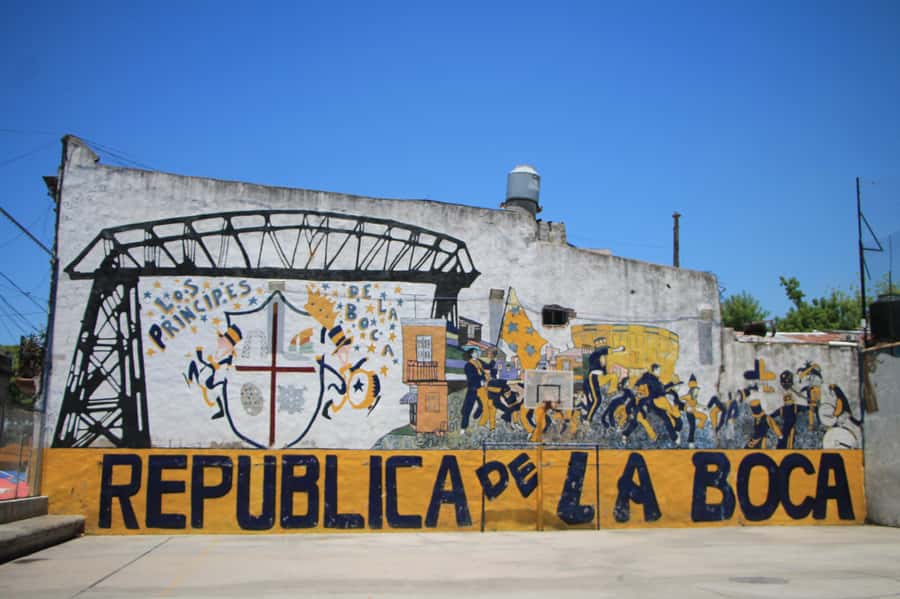
After the stadium area, you finish near the port side with a final stretch that includes Plaza República de la Boca. You’ll also see football graffiti and street art themes around the area.
I like this section because it stops the tour from ending too abruptly. Instead of going from stadium hype straight to leaving, you get one last chance to absorb the neighborhood’s visuals and themes. If you’re the type who notices recurring patterns—symbols, colors, football references—this part scratches that itch.
It also sets you up for food. The tour ends next to the port, in front of a street with varied gastronomic proposals. That’s a smart way to finish: you can keep walking for photos, or you can eat without needing to figure out your next transport step immediately.
Price and value: is $50 a good deal for La Boca?
For $50 per person, you’re paying for a live, limited-group guide and a structured route that covers Caminito, the Conventillos area, and La Bombonera. The tour also includes the walking time plus the bus transfer into La Boca.
On value, I see two strengths. First, you’re not just getting facts—you’re getting context and pacing. A guided walk helps you understand what you’re seeing in La Boca, which is the difference between a “pretty street photo day” and a story-based experience.
Second, the small group factor matters. Reviews highlighted that guests felt safe with the guide and that explanations were clear and interactive. Safety and clarity are hard to price, but in places like La Boca, they matter.
The one value catch: stadium entrance fees and the public bus ticket are not included. So your real total might be a bit higher depending on whether you plan to enter the stadium area. Still, the separate entrance helps with logistics once you’re there.
What to bring (and what will slow you down)
This is a simple packing list, but it makes a difference.
Bring:
- Comfortable shoes (you’ll be walking a lot)
- A camera (Caminito, murals, and street art are photo-rich)
- Water (keep hydrated, especially in warmer months)
Also, keep your plan realistic. There’s no mention of long indoor stops or many sit-down breaks. If you come with a “we’ll just see how it goes” attitude, you’ll likely enjoy it more. If you come expecting comfort every ten minutes, you may feel the pace.
And follow the simple rule: no smoking during the tour.
Who should book this La Boca walk, and who shouldn’t
This tour is a good match if you want:
- A guided introduction to La Boca’s roots in Italian immigration
- A clear link between the neighborhood and the origins of tango and soccer
- A short time commitment that still hits Caminito and La Bombonera
It’s also well suited to people who like asking questions and getting explanations in plain language. My experience with the guide style here was that the information felt interactive, not just recited.
On the other hand, it’s not suitable for wheelchair users, and it’s not designed for people over 95 years old.
If you’re traveling with kids, the guide language can be English, Spanish, or Portuguese, but the walking load is your main decision point. If anyone in your group has mobility limits, you might want a shorter plan in the same neighborhood.
The guide experience: where Juliette’s style really helps
One reason this tour earns high ratings is the human element. In the feedback I see clearly, guests praised the guide for knowing the subject and for making it feel safe and fun at the same time.
Juliette is specifically called out for being strong on the details and for keeping the group comfortable from the meeting point out to La Boca. That kind of reassurance matters when you’re stepping into a neighborhood that’s famous and photographed, but still feels like real daily life.
So when you show up, treat the tour like a conversation. The best experience comes from asking questions—what the murals mean, how tango relates to community life, why football became such a central part of local identity.
Should you book Tango, Soccer, Art and Immigration in La Boca?
I’d book it if you want a structured La Boca experience that mixes street art, immigration context, and football culture in about 150 minutes. At $50, you’re paying for guided sense-making, not just entry-level sightseeing, and that’s usually what turns a neighborhood tour into something you remember.
I’d skip or rethink it if you’re not comfortable walking for the majority of the time, or if you don’t plan to pay the additional stadium entrance fee. The tour is built around these stops, so your interest should match the themes: tango roots, soccer identity, and what the walls and streets are saying.
FAQ
What is the meeting point for this tour?
You meet at Venezuela 649, at Viajero Hostel.
Which days does the tour run, and what time does it start?
The tour runs every Tuesday and Friday, starting at 11:00 am.
How long is the experience?
The total duration is 150 minutes, with about 2 hours of walking.
What language is the live guide available in?
The guide is available in English, Spanish, and Portuguese.
Are meals included in the price?
No, meals and drinks are not included.
Is the Boca Juniors stadium entrance included?
No, entrance fees to Boca Juniors stadium are not included.
Do I need to buy a bus ticket?
Yes, the public bus ticket is not included.
Is this tour suitable for wheelchair users?
No, it is not suitable for wheelchair users. It is also not suitable for people over 95 years old.