REVIEW · BUENOS AIRES
Buenos Aires: Mate Workshop y Otras Yerbas
Book on GetYourGuide →Operated by Carpincha · Bookable on GetYourGuide
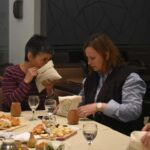
Mate is Argentina’s daily ritual. In Recoleta, you’ll spend 60 minutes with Vale and Juli from Carpincha learning why yerba mate matters, tasting different styles, and getting practical tips you can use at home. It’s intimate, spoken in English or Spanish, and built around the idea that sharing mate is as much about stories as it is about the drink.
I especially love how hands-on this feels: you get to brew your own mate during the session instead of just watching. And I really like the structure of the yerba tasting, where you sample multiple types and hear about variety, production, and cultivation.
One drawback to consider: it’s a quick hit. With only one hour, you’ll leave with a strong start, but you won’t get the kind of deep, step-by-step practice that takes place in longer classes.
In This Review
- Key highlights worth your time
- Mate in Recoleta: what you’re really signing up for
- Meet Vale and Juli from Carpincha
- The 60 minutes: a simple, effective structure
- Yerba mate tasting: comparing 4 types in a way that sticks
- The sweet side of mate: medialunas, biscochitos, alfajores
- Price and value for $50 in Buenos Aires
- Who this mate workshop is best for
- Practical tips to get the most from your 1-hour session
- Should you book this Buenos Aires mate workshop?
- FAQ
- How long is the Buenos Aires Mate Workshop?
- Where are the meetings held?
- What’s included in the price?
- Do I get to brew mate myself?
- What food will I have during the workshop?
- How many types of yerba will I taste?
- What languages are used during the workshop?
- Is transportation to the meeting place included?
- Is the workshop wheelchair accessible?
- Is alcohol allowed?
- Can I cancel and get a full refund?
Key highlights worth your time
- Vale y Juli guide the experience with history, myths, and real-life customs around mate
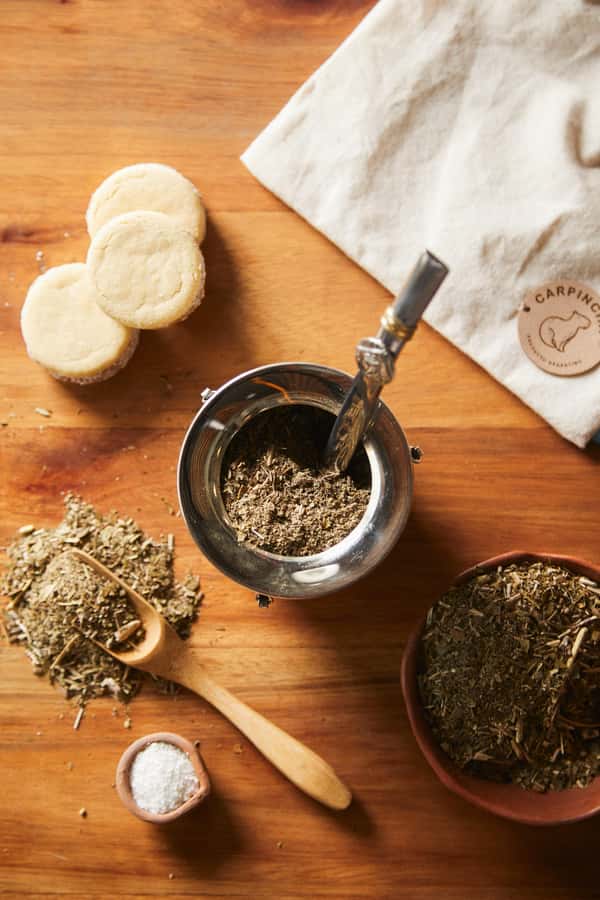
- Taste 4 types of yerba and compare variety, production, and cultivation
- Brew your own mate so you leave with something practical, not just trivia
- Argentine pastries are part of the ritual including medialunas, biscochitos, and alfajores
- A shared, home-like flow: it’s framed like visiting someone who offers mates right away
Mate in Recoleta: what you’re really signing up for
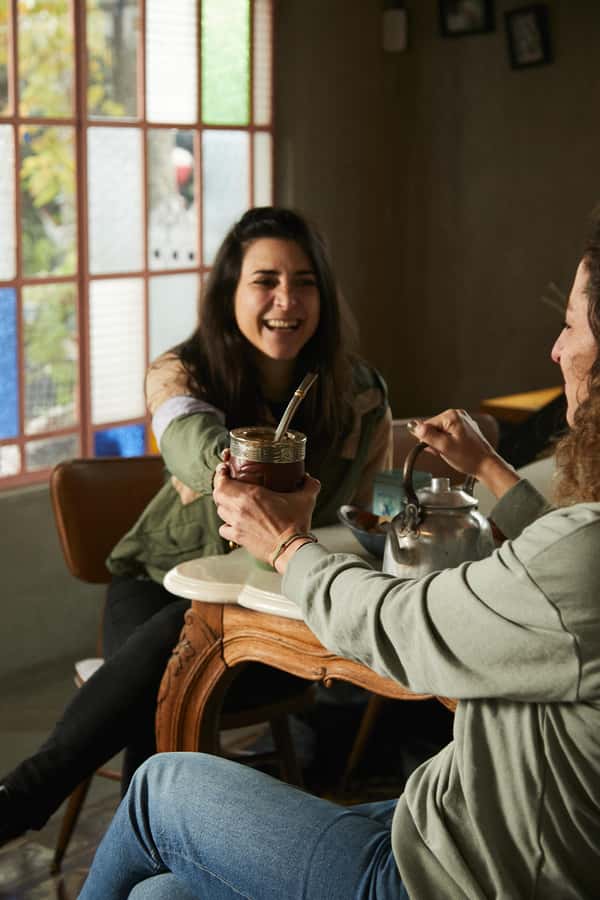
This is not a museum-style talk about Argentine culture. It’s a mate workshop where you learn the why and the how in the same hour. You start with context—how mate became a symbol of national identity and how it shows up in daily life—and then you shift into tasting and technique.
The experience is built around the idea of hospitality. You’ll be guided through the customs and the little “rules” people use when they share mate. That’s why it feels more personal than most food tours. You’re not just sampling yerba. You’re learning how Argentines turn an everyday drink into a social ritual.
And because you’ll be in the Recoleta area, it’s a good fit if you want something cultural without crossing town or losing half your day to logistics. It’s also wheelchair accessible, which is a real plus when you’re trying to build an itinerary that works for everyone.
You can also read our reviews of more tours and experiences in Buenos Aires


Meet Vale and Juli from Carpincha
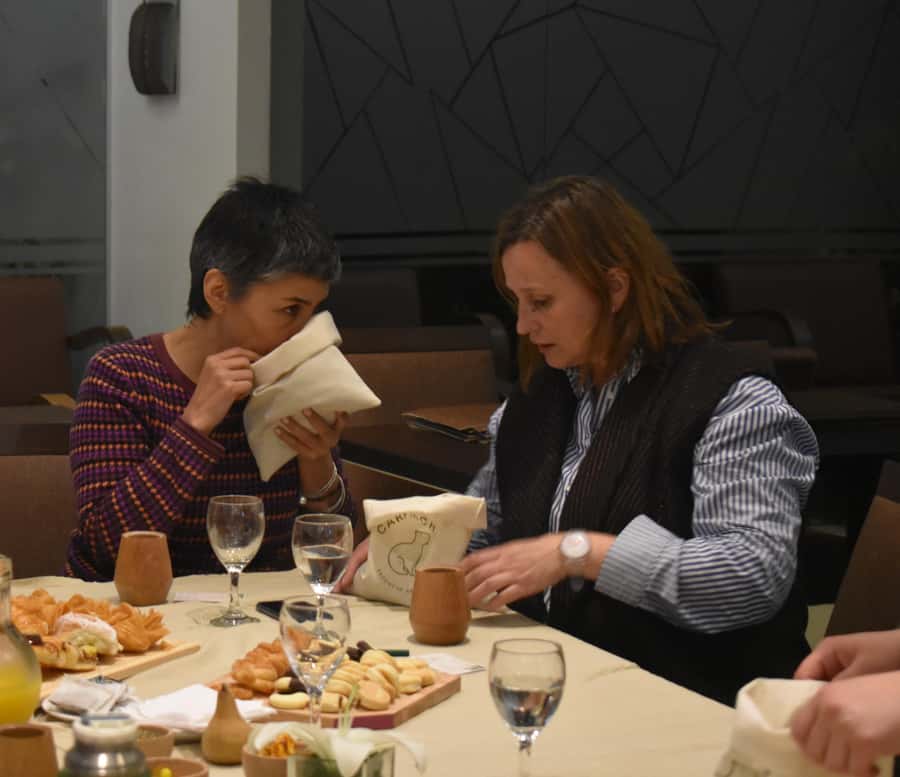
The hosts are Vale and Juli, the creators of Carpincha, and they run this like a small cultural exchange rather than a lecture. Their approach is described as poetic and ritual-focused, and you’ll feel that in the pacing. Instead of jumping straight to tasting, they build the story first—what mate means, where the tradition comes from, and why people treat the shared gourd as a moment of connection.
You’ll also get cultural anecdotes: myths, legends, and history stories tied to how Argentines live and socialize. The vibe matters here. When the explanations are tied to real customs, you remember them. When they’re just facts, they blur together.
Both English and Spanish are used by the instructor, so you can follow comfortably even if your Spanish is still “travel level.” And if you spot some content shown in its original language, it doesn’t block you—the key point is the guide keeps the flow moving for the group.
The 60 minutes: a simple, effective structure
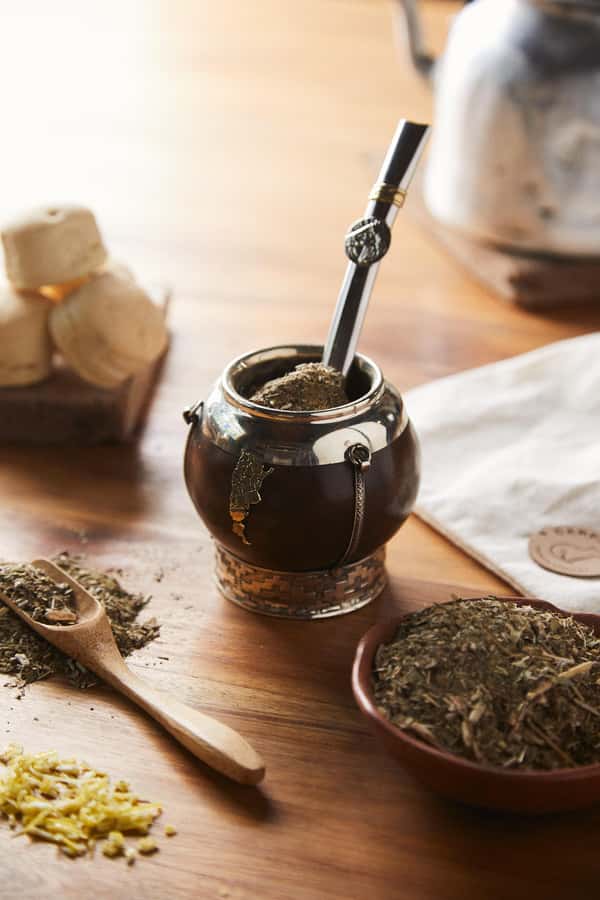
The session is exactly one hour, so it moves with intention. Here’s how the time typically gets used, based on how the experience is described.
First, you’ll get an introduction to mate as more than an infusion. You’ll hear why Argentines treat it like a daily ritual and a marker of identity. This part sets your tasting up for success. Once you understand what people value, you can notice differences in the flavor and character of the yerba instead of treating all tastings as “kind of similar.”
Then you’ll move into the practical part: you’ll prepare mate during the meeting and learn how to brew your own. You’re provided one mate per person for use in the session, which is a nice way to keep the experience focused. You’re not trying to source equipment at home—you’re learning the method in the moment.
After that comes the core sensory payoff: the yerba tasting. You’ll taste multiple varieties and learn about each one—variety, production, cultivation, and where those differences come from. Finally, you’ll round it out with Argentine sweets that people commonly pair with mate.
Because everything is packed into one hour, you should come ready to ask questions. If you’re the type who always wants the “why,” this format works well: the guide has enough structure to answer you, and you still get the hands-on part.
Yerba mate tasting: comparing 4 types in a way that sticks
The workshop’s biggest advantage is that it doesn’t treat yerba mate as one thing. You’ll taste 4 types of yerba, and you’ll learn how they differ in terms of variety, production, and cultivation.
That matters because most first-time visitors assume yerba is basically the same everywhere. In reality, people notice differences like:
- how the blend tastes and feels
- how cultivation choices shape flavor
- how production methods influence character
You’ll also learn tips that help you make better mates yourself. The point isn’t to turn you into a professional yerba blender in one hour. It’s to give you enough guidance to avoid the common “it’s good, but I can’t reproduce it” problem when you try later.
When the tasting is paired with story and technique, you start building your own preferences. You’ll likely find yourself thinking, I like the one that tastes more intense, or I prefer the one with a gentler profile. That’s a win because it turns your souvenir into a skill: you’ll know what you’re looking for next time you buy yerba.
The English/Spanish teaching helps here too. Flavor comparisons are easier when you can follow the explanation clearly.
The sweet side of mate: medialunas, biscochitos, alfajores
Mate culture isn’t only about the drink. In a good mateada, the snacks are part of the rhythm. Here, you’ll have typical Argentine pastries like medialunas, biscochitos, and alfajores to accompany the tasting.
You’re offered sweet items such as croissants (medialunas style), alfajores, and bischochitos. The workshop description also emphasizes these pastries specifically as part of what you share while preparing and tasting mate.
Why this matters: pairing food with beverage changes how you experience flavor. Sweet snacks can highlight certain notes in the yerba while also smoothing any bitterness you might find in stronger blends. It also makes the workshop feel like what it’s trying to replicate: a home-style moment, not a formal tasting event.
If you’re the kind of traveler who judges experiences by whether the food actually tastes like the country, you’ll likely appreciate that the sweets are genuinely Argentine standbys, not generic “tour cookies.”





Price and value for $50 in Buenos Aires
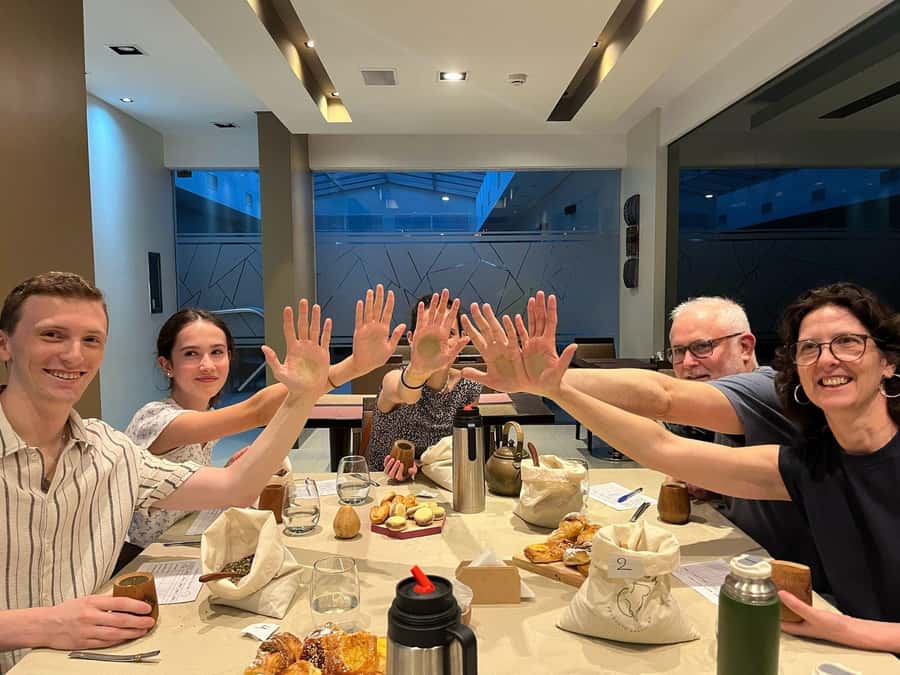
At $50 per person, this workshop isn’t free. But you’re not paying for air and a lecture either.
Here’s what you get for your money:
- A 1-hour masterclass focused on mate culture and technique
- Yerba tasting across multiple types (including variety, production, and cultivation explanations)
- A mate per person that you use during the meeting
- Argentine pastries to accompany the mateada
- Explanation of mate culture, including myths, legends, and history stories
For me, the value is strongest because consumables are included. Many cultural classes hand you a small sample and call it a day. This one gives you a full tasting experience and food to go with it, plus active participation where you brew your own mate.
If you’re already planning to spend time in Buenos Aires, this is a focused way to add something deeply local without needing a whole day. It’s also ideal if you’re staying in or near Recoleta and want a culture slot you can actually schedule.
Who this mate workshop is best for
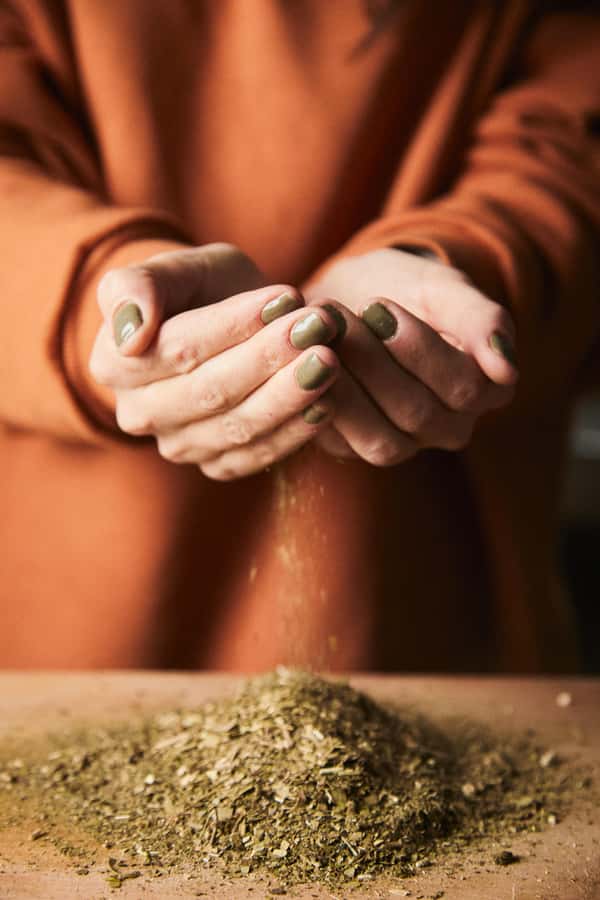
I think this works particularly well for:
- First-time visitors who want Argentine culture they can feel in their hands
- Travelers who like food-and-story experiences, not just food
- Anyone who enjoys social rituals and wants the meaning behind them
- People who don’t want a long day trip just to learn something “authentic”
It may be less satisfying if you’re already a serious mate geek. If you already know how to brew and you’re hunting for very niche, technical processing details, one hour might feel too short. But for most travelers, the combination of cultural context + guided tasting is exactly what you want.
Practical tips to get the most from your 1-hour session
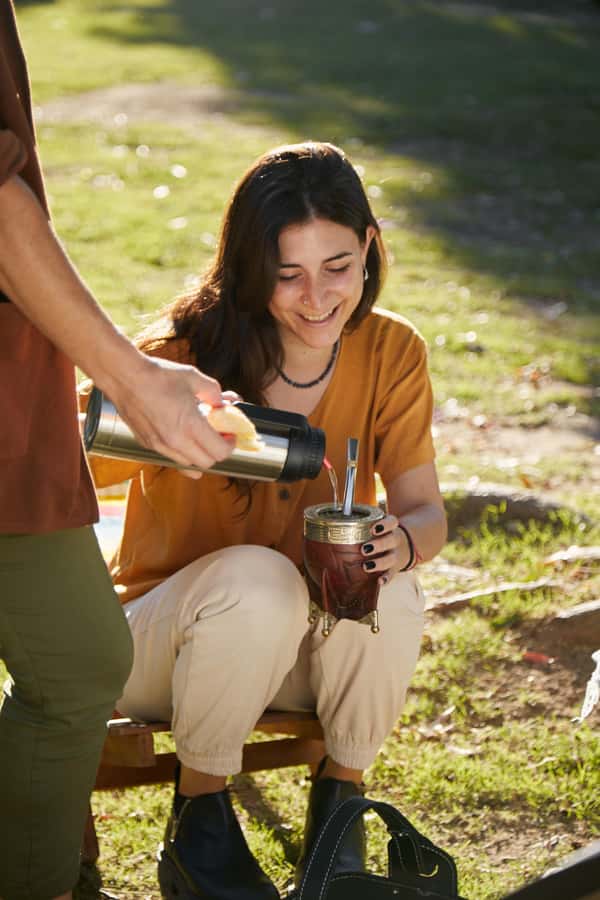
A few things can make your experience smoother:
- Come with curiosity, not expectations. The strength of this workshop is the combination of stories and tasting, so let the guide set the pace.
- Ask about the differences you’re tasting. Since you’ll sample multiple yerbas, you’ll get more value if you can compare what the guide says to what you notice.
- Expect sweets to be part of the experience. Plan your meal timing so you can enjoy the snacks without being too full.
- Skip alcohol and drugs. The activity lists restrictions, so come ready to participate normally.
- Plan your own way to Recoleta. Transportation is not included, so make sure your schedule account for getting there.
Also, since you’ll be learning in English or Spanish, choose the language you’re most comfortable with ahead of time so you can follow details about cultivation and production without translating in your head.
Should you book this Buenos Aires mate workshop?
If you want one simple, high-impact way to understand a major Argentine ritual, I’d book it. This is the kind of Buenos Aires cultural experience that gives you more than a souvenir: you leave with a basic method, taste-driven preferences, and stories you can repeat.
Book it especially if you’re in the Recoleta area and want a tight schedule slot that includes both drink and snacks. The $50 price feels fair because you’re not just watching. You’re participating, tasting 4 yerbas, and eating typical Argentine pastries.
Don’t book it if you’re looking for a longer, more technical course. The hour flies, and you’ll walk away with a strong introduction rather than a master-level skill set.
FAQ
How long is the Buenos Aires Mate Workshop?
The experience lasts 1 hour.
Where are the meetings held?
The meetings take place in the Recoleta area.
What’s included in the price?
It includes a masterclass, yerba mate tasting, sweet snacks to accompany the mateada, and 1 mate per person to use during the meeting.
Do I get to brew mate myself?
Yes. The included experience includes learning how to brew your own mate and trying the yerba mate varieties provided during the session.
What food will I have during the workshop?
You’ll taste typical Argentine pastries such as medialunas, croissants, alfajores, and biscochitos/bischochitos to accompany the mate.
How many types of yerba will I taste?
You’ll taste 4 types of yerba mate, with explanations about variety, production, and cultivation.
What languages are used during the workshop?
The instructor can teach in English and Spanish.
Is transportation to the meeting place included?
No, transportation is not included.
Is the workshop wheelchair accessible?
Yes, it is wheelchair accessible.
Is alcohol allowed?
No. Alcohol and drugs are not allowed.
Can I cancel and get a full refund?
You can cancel up to 24 hours in advance for a full refund.