REVIEW · BUENOS AIRES
Buenos Aires Hop-On Hop-Off Bus and Exclusive Benefits
Book on GetYourGuide →Operated by Buenos Aires Bus (Hop-On Hop-Off) · Bookable on GetYourGuide
Buenos Aires is made for slow sightseeing. This hop-on hop-off loop lets you ride at your pace, with audio in 9 languages and stop-by-stop freedom that works even if your day gets messy. It’s a smart way to see headline sights like Plaza de Mayo, the Obelisk, La Boca/Caminito, Puerto Madero, Recoleta, and Teatro Colón without buying a stack of separate tours.
I like that the route is built for orientation, not just sightseeing. You get headphones and commentary for every stop, plus online tracking so you can plan your next hop without waiting around. One caution: the full run is about 3 hours 20 minutes without stops, and traffic can stretch it, so you’ll want to build in breathing room.
In This Review
- Quick hits on Buenos Aires Bus (what you’ll actually care about)
- Hop-On Hop-Off Freedom That Works in a Big City
- Price and Value: $35 for 1–3 Days of Sightseeing
- Where You Start Matters: Córdoba Avenue Ticket Exchange
- How the Loop Works: Timing, Frequency, and What to Expect
- Plaza de Mayo, the Obelisk, and Teatro Colón: The Classic Core
- La Boca and Caminito: Colorful Streets on Your Schedule
- Puerto Madero and Recoleta: Two Neighborhood Moods in One Ride
- Palermo Photo Stops: El Rosedal and Puente de la Mujer
- Audio Guide in 9 Languages: Great Tool, Watch the Volume
- Discounts and On-Board Perks: Small, Useful Extras
- Buses, Comfort, and Real-World Crowds
- Who Should Book This Pass (and Who Should Skip It)
- Should You Book Buenos Aires Bus?
- FAQ
- How much does the Buenos Aires Hop-On Hop-Off Bus cost?
- How long is the bus route?
- How often do the buses run?
- Where do I exchange my voucher and start boarding?
- What languages is the audio guide available in?
- What’s included in the ticket?
- Is food or attraction entry included?
Quick hits on Buenos Aires Bus (what you’ll actually care about)
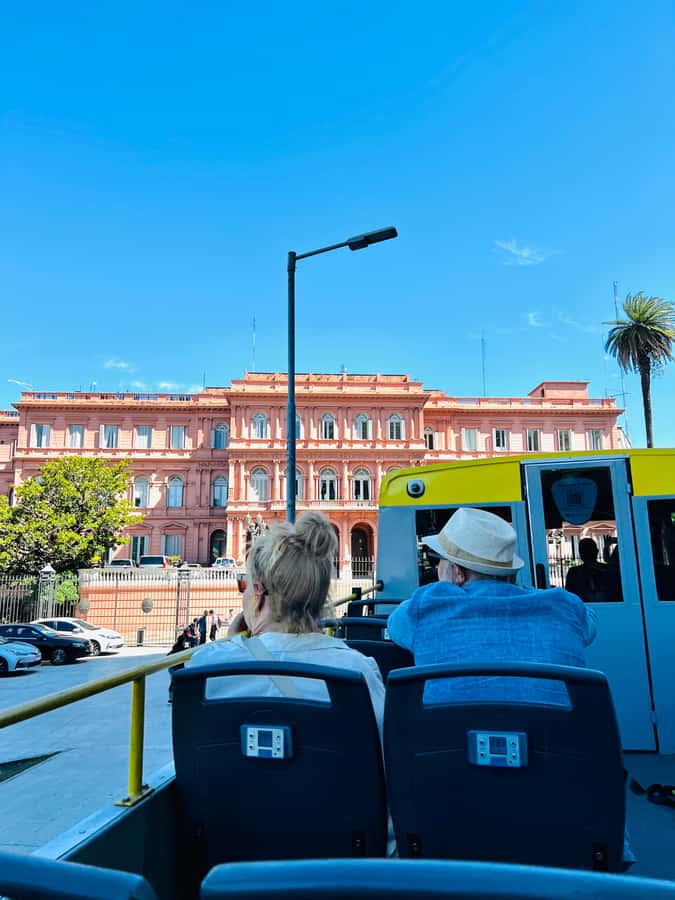
- Major landmarks in one loop: Plaza de Mayo, Obelisk, La Boca/Caminito, Puerto Madero, Recoleta, and Teatro Colón-area sights
- Audio guide with headphones in 9 languages: commentary plus music, with on-board audio
- Frequent departures: buses run about every 15 minutes, but crowds and events can slow you down
- 24, 48, or 72-hour options: you can do one full loop or spread it across 2–3 days
- Ticket perks beyond the bus: exclusive discounts at selected restaurants, shops, and attractions
Hop-On Hop-Off Freedom That Works in a Big City
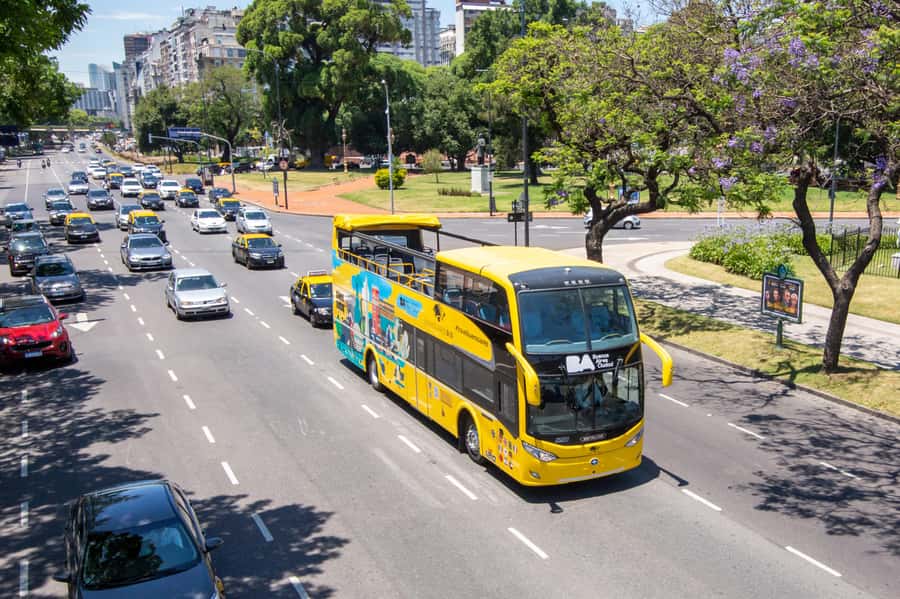
Buenos Aires is huge, and moving across neighborhoods can eat your day. This bus pass is built for people who want a plan that doesn’t turn into a race. You board, ride the loop, and decide when you want to get off to browse, snack, or just stare at the architecture.
The big win is flexibility. Instead of tying yourself to one fixed walking route, you can hop off at the stops that match your energy level. Do one neighborhood deep, or stay onboard and use the ride as a scenic “map in motion.”
Two things make this easier than typical group tours: frequent service and a stop-focused audio guide. That combination helps you connect streets you’re seeing with the story behind them.
You can also read our reviews of more tours and experiences in Buenos Aires.

Price and Value: $35 for 1–3 Days of Sightseeing
The headline price is about $35 per person, and the value comes from how you use it. A one-day pass can be great if you need quick orientation. A 48- or 72-hour option usually makes more sense if you like lingering, because you can return to places that catch your eye.
Think about what you’re paying for:
- transport across multiple neighborhoods without negotiating taxis or transfers
- the cost of entry tickets to sights is not included, but you do get exclusive discounts at selected partners
- time saved: one loop covers a lot of the “first-timer” highlights
If you’re the type who takes photos, stops for coffee, then moves on, spreading it across two days can be the sweet spot. You’re less likely to feel rushed at Recoleta one hour and La Boca the next.
Where You Start Matters: Córdoba Avenue Ticket Exchange
Your meeting point is listed at 466, Córdoba Avenue. You’ll want to arrive about 15 minutes before the activity start time.
Here’s the practical part: you exchange your voucher at the ticket counter before the tour begins. After you get your ticket, you can board at any of the bus stops. That’s useful if you’re out exploring right at departure time and don’t want to hang around the counter all morning.
Also bring a passport or ID card, since that’s the stated requirement. No food or drinks are included, so plan to buy water and snacks separately.
How the Loop Works: Timing, Frequency, and What to Expect
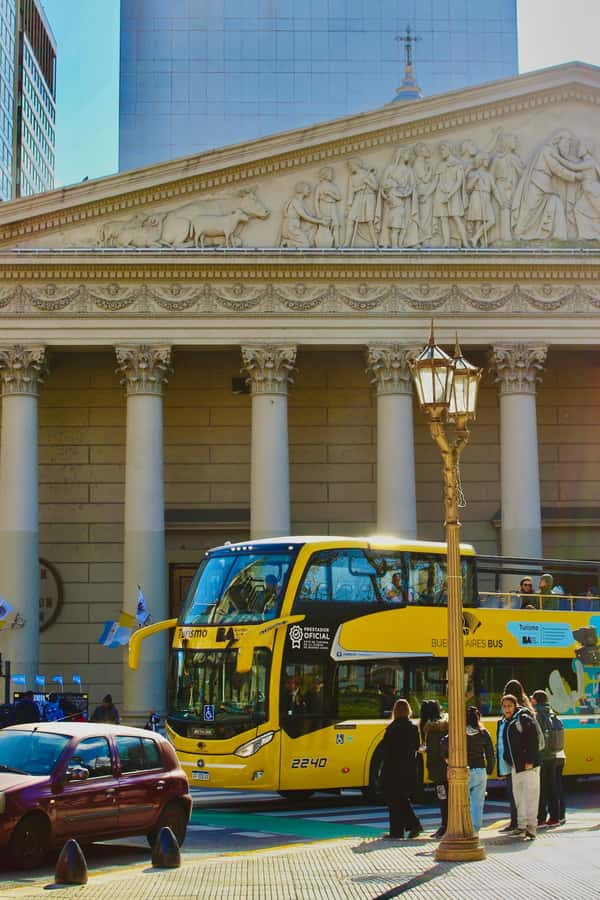
The full route takes around 3 hours and 20 minutes without stops. In real life, your time depends on two things:
- how often you hop off and how long you stay
- traffic and occasional schedule disruptions from events or demonstrations
Buses run throughout the day about every 15 minutes, and that matters because it gives you a real choice. If one bus is crowded, you typically don’t wait long for the next. That said, crowded conditions can happen. Some riders report buses filling up and needing extra patience at peak times.
If you want the cleanest experience, I suggest doing it like this:
- Day 1: ride most of the loop without getting off to learn the geography
- Day 2 or Day 3: return on purpose to the neighborhoods you want to explore slowly
This is especially helpful in a city where blocks can feel like they belong to different cities.
Plaza de Mayo, the Obelisk, and Teatro Colón: The Classic Core
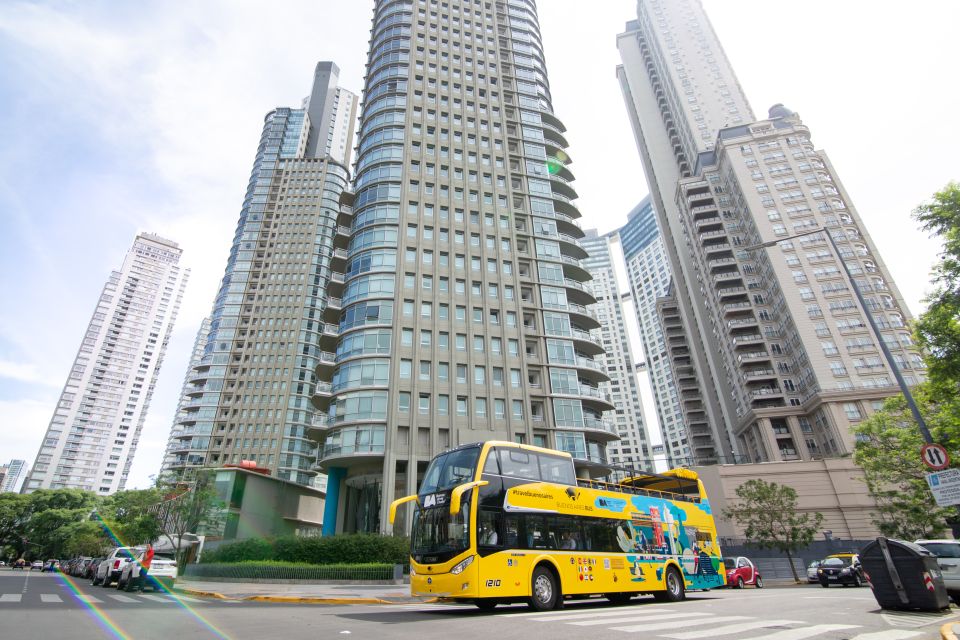
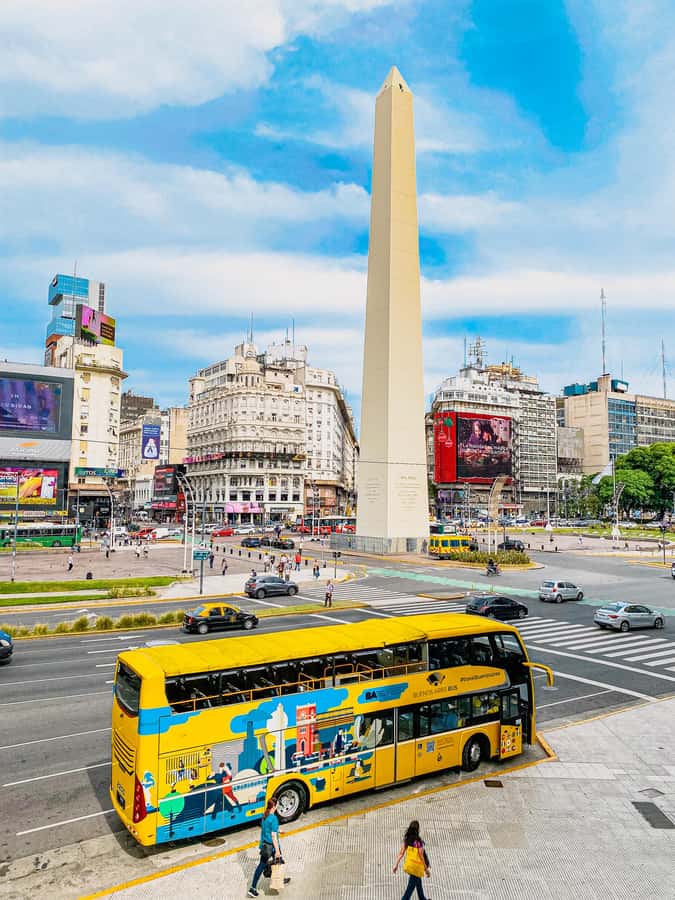
Your ride covers the central highlights that anchor Buenos Aires. You’ll see Plaza de Mayo and the Obelisk, both of which are perfect “I’m here” landmarks. They’re also useful for learning how the city organizes its major streets.
This is one of the reasons the audio matters. You’re not just looking at buildings; you’re hearing what they’re connected to, and the headset keeps you oriented even when traffic noise is loud outside.
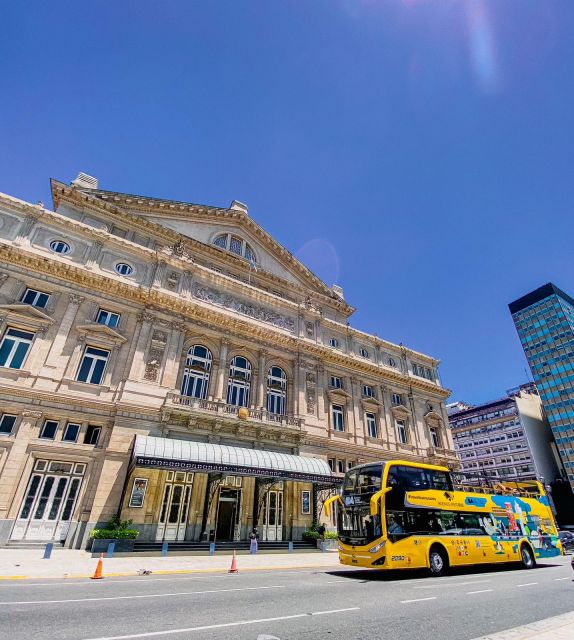
Teatro Colón also appears in the list of major stops. Even if you don’t go inside, it’s one of those sights where a quick stop gives you context for the city’s culture. You can decide on the fly whether you want to spend more time nearby or move on to neighborhoods with a different feel.



La Boca and Caminito: Colorful Streets on Your Schedule
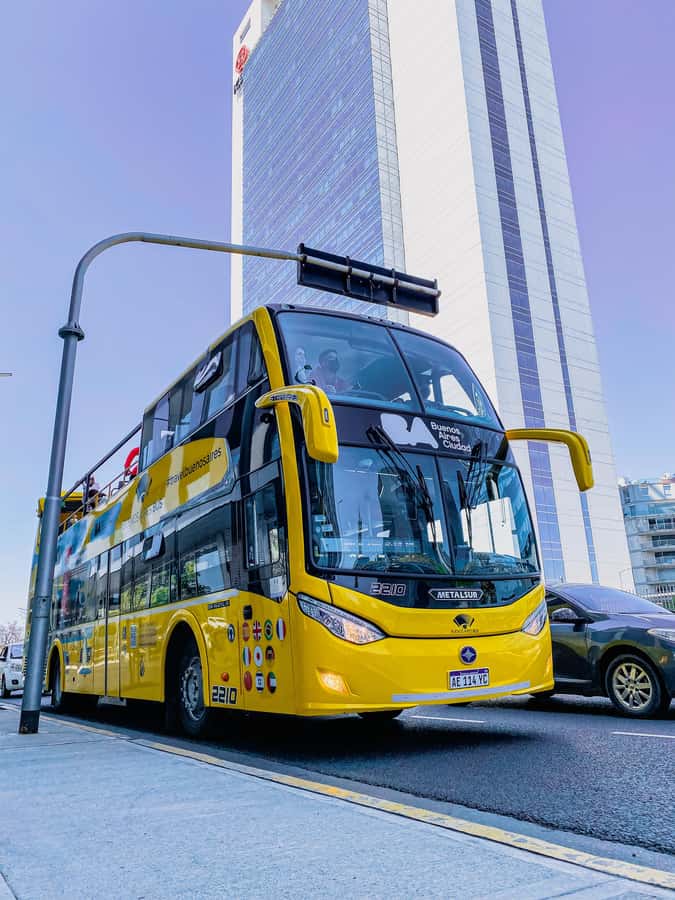
La Boca shows up as a key neighborhood stop, and it’s often the one people want to reach quickly. If you care about Caminito specifically, build time for a bit of wandering once you hop off. This area rewards slow walking, not just a photo from the curb.
One thing to keep in mind: some routes and stop placements can affect how close you feel to the “must-see” spots. Even when the neighborhood is covered, you might still face a short walk from the bus stop to the main area.
My advice is simple: when you arrive at La Boca, choose one clear goal for your hop. Maybe it’s the lively street area, maybe it’s a viewpoint, maybe it’s just lunch. If you treat it as a drop-off and wander situation, the time usually feels satisfying.
Puerto Madero and Recoleta: Two Neighborhood Moods in One Ride
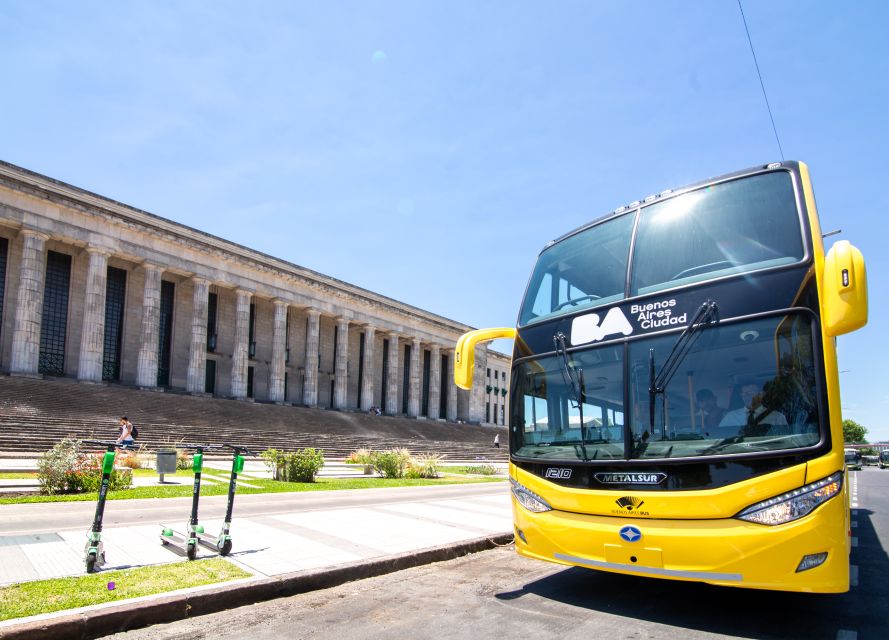
Puerto Madero and Recoleta are different enough that you’ll feel it even from the bus. Puerto Madero reads more modern and waterfront-like, while Recoleta carries the “grand architecture” vibe people come for.
Using the hop-on hop-off structure here helps because you don’t have to force a single day to be everything. You can hop off for Recoleta-style sightseeing and then later return for Puerto Madero when you want something calmer.
Recoleta is also where many first-time visitors want more time. The pass gives you that flexibility. If you get there and want to keep exploring, you don’t have to commit to a specific tour timetable. You just get back on when you’re ready.
Palermo Photo Stops: El Rosedal and Puente de la Mujer
Palermo shows up in the route planning, and the photo-friendly stops are a big reason people like doing at least one full loop. In particular, you’ll pass major landmarks like El Rosedal and the Puente de la Mujer (Woman’s Bridge).
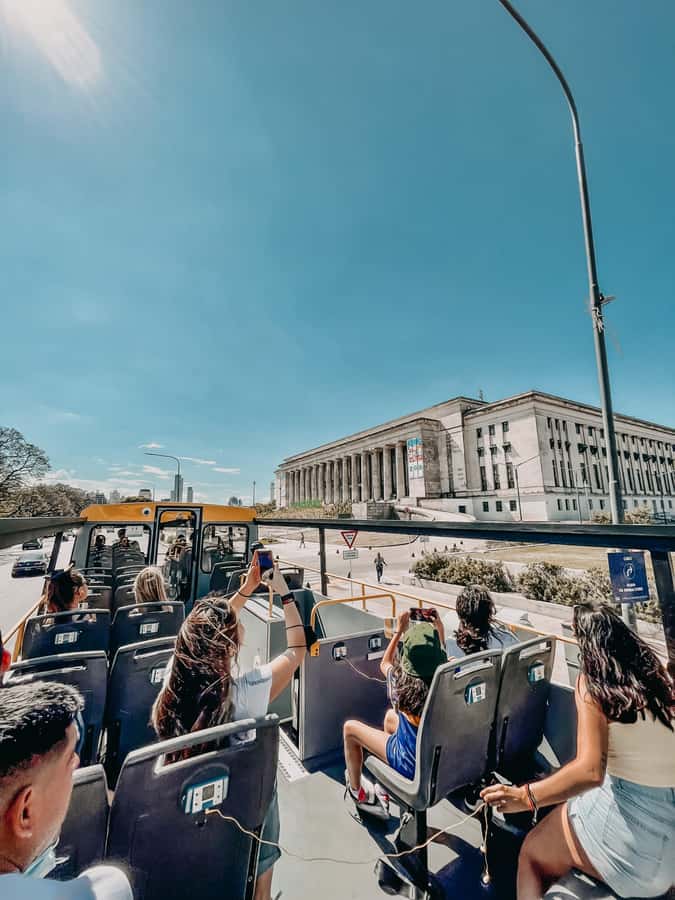
This is a good example of why the bus helps even if you don’t get off. From the upper deck, you can line up shots as you pass. Several riders point out that the top-level views make photography easier.
If you’re visiting in changeable weather, look for whether you’re on an open or closed upper section. Some buses have a more sheltered upper setup with panoramic windows, which can help when wind or temperature makes it harder to focus on the commentary.
Audio Guide in 9 Languages: Great Tool, Watch the Volume

The bus includes an audio guide with commentary in 9 languages, and headphones are part of the package. In general, the guidance is timed to stops and meant to connect you to what you’re seeing.
That said, your experience can vary by language and by what’s happening on board. A few reviews highlight issues like:
- some languages feeling weaker or harder to understand
- music or Spanish audio sometimes being louder than the spoken commentary
- audio quality problems on certain buses (crackly sound, or parts missing)
Here’s how I’d handle it as a practical traveler:
- If the audio sounds off at the start, try switching the volume and check the device fit.
- If you know you’ll need English especially, do a quick listen for the first 20 minutes before you decide whether the rest of the trip will work for you.
- Use the audio as guidance, not as your only source. The stop names and the neighborhood geography are doing heavy lifting too.
Even with quirks, a headset beats guessing what you’re looking at, and it makes the bus loop feel like a moving mini-lecture.
Discounts and On-Board Perks: Small, Useful Extras
Your ticket includes exclusive discounts at selected restaurants, shops, and attractions. These aren’t universal across the entire city, but they can reduce the cost of a planned meal or a practical purchase.
The best way to use these perks is to treat them like coupon boosts for your already-planned stops. If you’re going to have lunch after you hop off, check whether a partner restaurant is nearby when you arrive. That’s where the discounts actually matter.
Buses, Comfort, and Real-World Crowds
The buses are comfortable and run frequently, and staff tend to be friendly and helpful. Many riders also praise the overall route design and the top-deck experience.
The main things that can change your day are:
- crowded departures, especially around popular hop-off points
- longer ride times due to traffic and speed limits
- longer walks from some bus stops to specific attractions
You can’t control traffic, but you can control your expectations. Plan to spend more than just the “3 hours 20 minutes without stops” figure. If you want to hop, take photos, then actually visit places, think in terms of a bigger day or multiple shorter days.
Who Should Book This Pass (and Who Should Skip It)
This hop-on hop-off bus is a great fit if you:
- are short on time and want a fast city orientation
- prefer independent travel over structured group schedules
- want to choose your own lunch and walking pace
- like having a simple map to decide what’s worth returning to
It may feel less ideal if you:
- need very detailed historical depth in one language you rely on most, because audio quality can vary
- are extremely time-tight and hate walking from stops to specific sights
- plan to do everything on one day without leaving buffer for delays
Should You Book Buenos Aires Bus?
If you’re visiting Buenos Aires for the first time, I think this pass is usually a smart purchase. For a single paid ticket, you’re buying transport plus an audio-guided overview that helps you understand where neighborhoods fit together. The 24–72 hour options are the real advantage if you want to relax instead of sprinting.
If you do book, my advice is straightforward: do one full loop early to learn the layout, then use extra time on the stops that match your interests. And don’t assume entrance fees are included, so decide ahead of time which sights you’ll pay to enter versus which you’ll enjoy from the street.
FAQ
How much does the Buenos Aires Hop-On Hop-Off Bus cost?
The price is listed at $35 per person.
How long is the bus route?
The full route takes about 3 hours and 20 minutes without stops.
How often do the buses run?
Buses operate throughout the day about every 15 minutes, though traffic and special events can affect timing.
Where do I exchange my voucher and start boarding?
You exchange your voucher at the ticket counter at 466, Córdoba Avenue. After you get your new ticket, you can board at any bus stop. Arrive about 15 minutes early.
What languages is the audio guide available in?
The audio guide is included in Chinese, English, French, German, Italian, Japanese, Portuguese, Russian, and Spanish.
What’s included in the ticket?
The ticket includes the bus pass (24/48/72 hours depending on your option), headphones, the audio guide in 9 languages, buses running frequently, online tracking, and exclusive discounts at selected partners.
Is food or attraction entry included?
No. Food and drinks are not included, and attraction entrance fees are also not included.