REVIEW · BUENOS AIRES
Buenos Aires 3-Hour Small Group Pope Francis Tour
Book on GetYourGuide →Operated by Tangol · Bookable on GetYourGuide
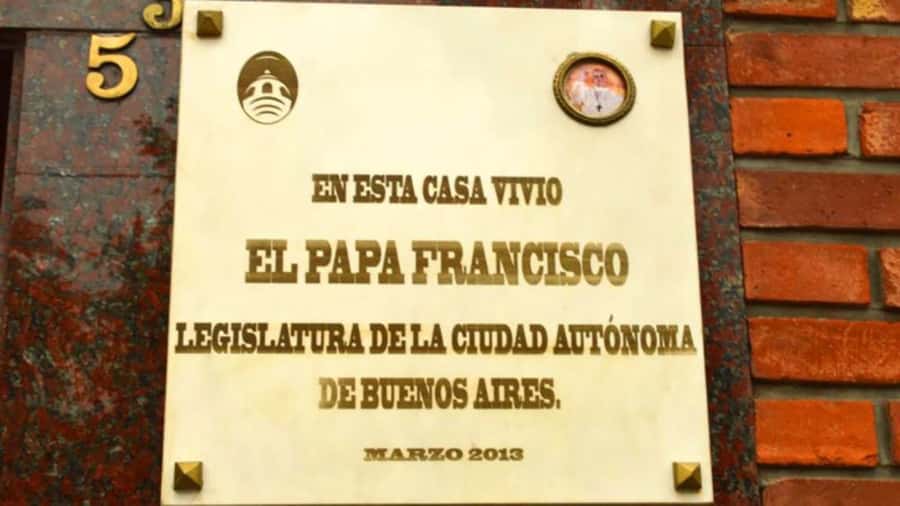
Pope Francis’ story starts nearby. This 3-hour small-group walk connects the places that shaped Jorge Bergoglio, from his Flores childhood to the Buenos Aires Metropolitan Cathedral by Plaza de Mayo. It’s built like a guided route through everyday education, faith milestones, and even the Argentina-Catholic neighborhood vibe.
What I like most is the clear storyline: you don’t just see buildings—you get the reason they matter. I also like that the tour ends at the big public stage of Catholic Buenos Aires, where Bergoglio’s role as Archbishop and later the announcement of his papacy would land with real meaning.
One consideration: the route is church-heavy, and Mass schedules or basilica availability can shift timing, so don’t count on a rigid order every time. Also, the tour notes a wheelchair-accessibility conflict, so it’s worth confirming before you book.
In This Review
- Key highlights you’ll care about
- San Telmo meet-up at Defensa 831 and the pace in 3 hours
- Flores childhood home: the “real person” part of the story
- Schools that shaped his education: Instituto, Universidad, and Iglesia del Salvador
- Basilica of San José de Flores: the age-17 “divine call”
- Baptism at Mary Help of Christians and St. Charles
- San Lorenzo and the Pope-as-football-fan side
- Montserrat’s San Ignacio de Loyola (1675): an older Buenos Aires core
- Heading to Plaza de Mayo: the Metropolitan Cathedral’s real role
- What the guide experience feels like (and why it changes the tour)
- Price and value: is $132 worth it for 3 hours?
- Logistics that can affect your day
- Who should book this tour
- Should you book the Buenos Aires Pope Francis 3-hour tour?
Key highlights you’ll care about
- A tight 3-hour loop that hits the childhood-to-cathedral arc instead of random stops
- Real named places: Basilica of San José de Flores, San Ignacio de Loyola (1675), and the Metropolitan Cathedral
- Education stops included like Instituto Nuestra Señora de la Misericordia and Universidad del Salvador
- Pope Francis’ “divine call” moment tied to what happened at age 17 in San José de Flores
- Football meets faith via the Club Atlético San Lorenzo de Almagro connection
- Small group limit (up to 15) to keep questions and pacing in check
San Telmo meet-up at Defensa 831 and the pace in 3 hours
You start at 10:00 am at Tangol’s office in San Telmo, at Defensa 831. This matters because San Telmo is a neighborhood where things can look similar street to street—arriving a few minutes early helps you get settled and start on time.
The tour is designed to feel focused rather than rushed. You’re given transfers throughout the tour, so you’re not doing an all-day walking marathon just to hit major sites. Still, wear comfortable shoes because you’ll move through plazas, church entrances, and short walk segments between stops.
Group size is capped at 15 travelers, and that’s a real plus for a tour like this. You’ll likely have time to ask questions and get practical context instead of listening passively for hours.
You can also read our reviews of more tours and experiences in Buenos Aires
Flores childhood home: the “real person” part of the story
The first meaningful stop is Bergoglio’s childhood home in the Flores neighborhood, where he lived with his parents and siblings. This is where the tour makes a smart pivot from monuments to a more human scale. You’re not just collecting sights; you’re anchoring the story in a place tied to family life and early surroundings.
Flores also sets the emotional tone for the rest of the route. After seeing a home first, later stops—schools and churches—feel less like a checklist and more like steps in a life.
If you’re the kind of traveler who likes your guides to connect “then and now,” this is a strong early anchor. It’s also a good moment to mentally bookmark the route, because later you’ll see how one faith decision ties into later responsibilities.
Schools that shaped his education: Instituto, Universidad, and Iglesia del Salvador
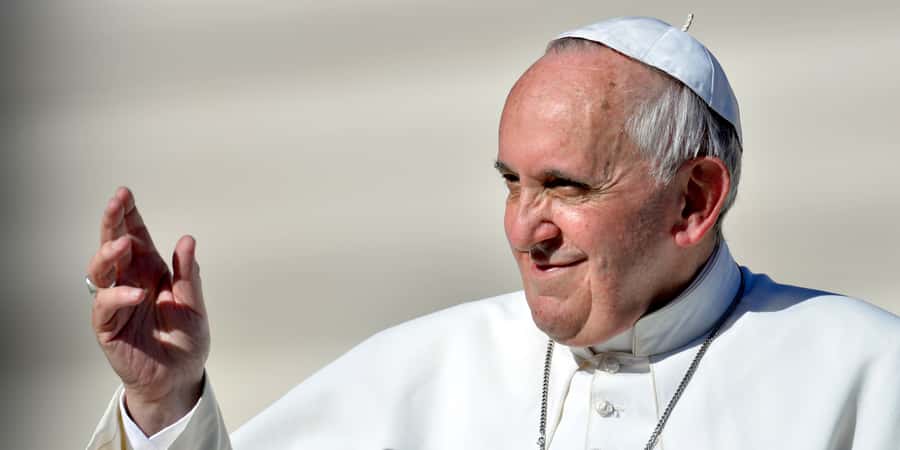
Next, you move through the places connected to his schooling and early formation. The tour includes Instituto Nuestra Señora de la Misericordia, Universidad del Salvador, and the Iglesia del Salvador.
Why this part works: it shows faith as something lived through study, discipline, and institutions—not only through dramatic turning points. Even if you’re not into education history, the way these sites are grouped helps you understand how Bergoglio’s early years were structured.
A practical tip here: since these are tied to real institutions and churches, expect that access can depend on what’s happening at the sites. The tour also notes that the itinerary may shift based on mass schedules or availability, so keep your plan flexible.
Basilica of San José de Flores: the age-17 “divine call”
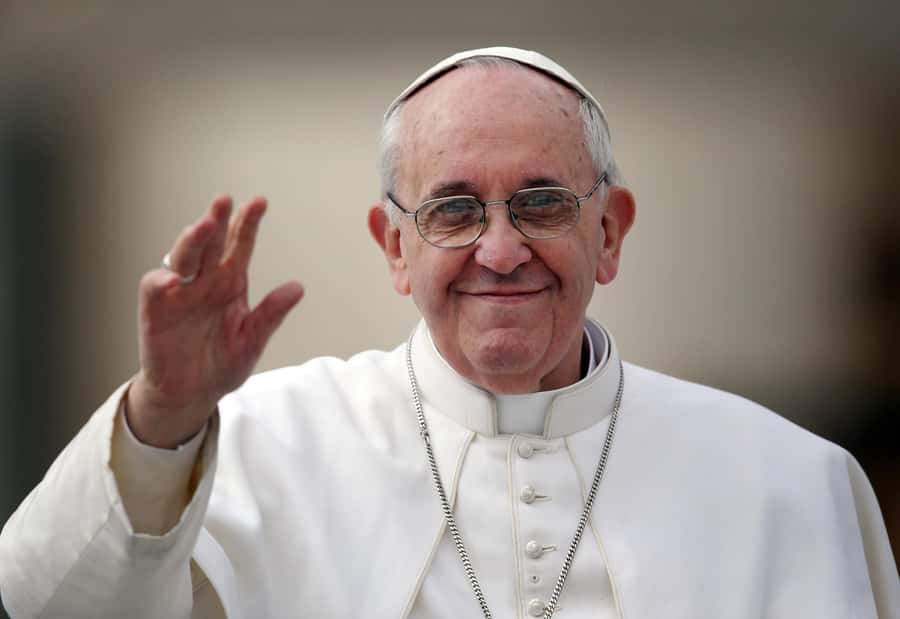
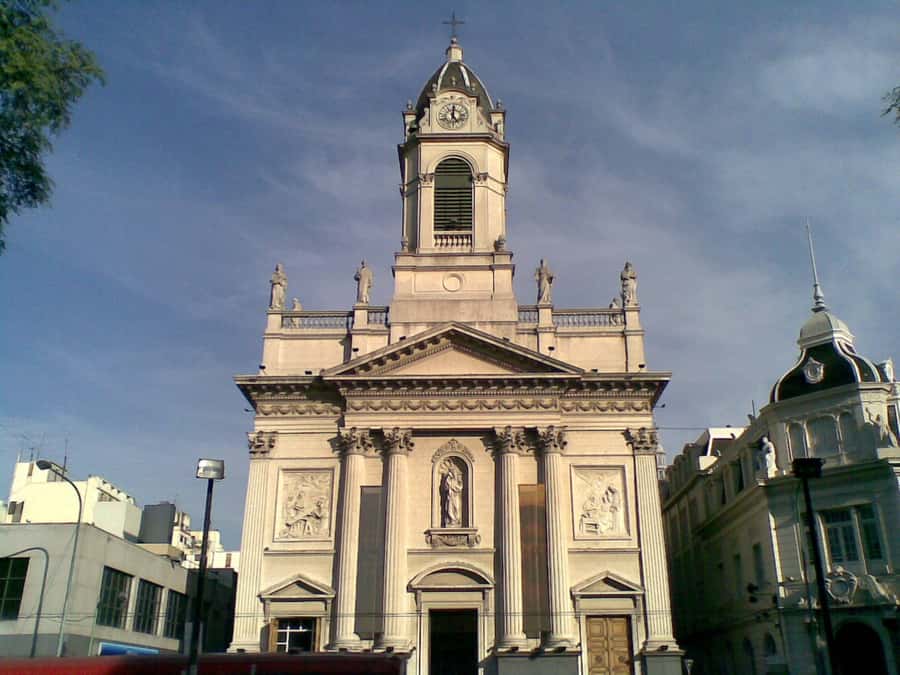
One of the core stops is the Basilica of San José de Flores. The tour connects this basilica to a specific turning point: at age 17, Bergoglio received a divine call, which committed him to service in the Church.
This isn’t treated like a vague biography moment. The tour frames it as a turning point tied to what he later said about mercy and how it connects to his episcopal motto. In other words, you’re not only looking at architecture—you’re seeing how a religious experience becomes an identity marker.
If you’re a faith traveler, this is likely to feel the most personal part of the tour. If you’re more curious about the human story, it still works because it explains why later events make sense.
Baptism at Mary Help of Christians and St. Charles
After San José de Flores, you visit the Basilica of Mary Help of Christians and St. Charles, where Bergoglio was baptized. Baptism stops can feel symbolic, but this one is placed at the right moment in the itinerary: after you’ve seen the adolescence calling in San José de Flores, you get to step back to the start of the spiritual journey.
This sequencing helps you notice something important about the tour’s structure. It’s not only chronological for chronology’s sake. It’s chronological and meaning-based.
San Lorenzo and the Pope-as-football-fan side
One fun (and surprisingly grounding) inclusion is the Club Atlético San Lorenzo de Almagro connection. The tour explains the history of the club and notes Pope Francis as a passionate fan.
For me, this is an underrated value of the whole experience. It stops the tour from feeling like a purely religious museum exhibit. You get a window into how a future pope could be shaped by everyday Argentine passions—sports culture included.
If you travel to Argentina through food and football as much as through churches and museums, you’ll appreciate this balance.
Montserrat’s San Ignacio de Loyola (1675): an older Buenos Aires core
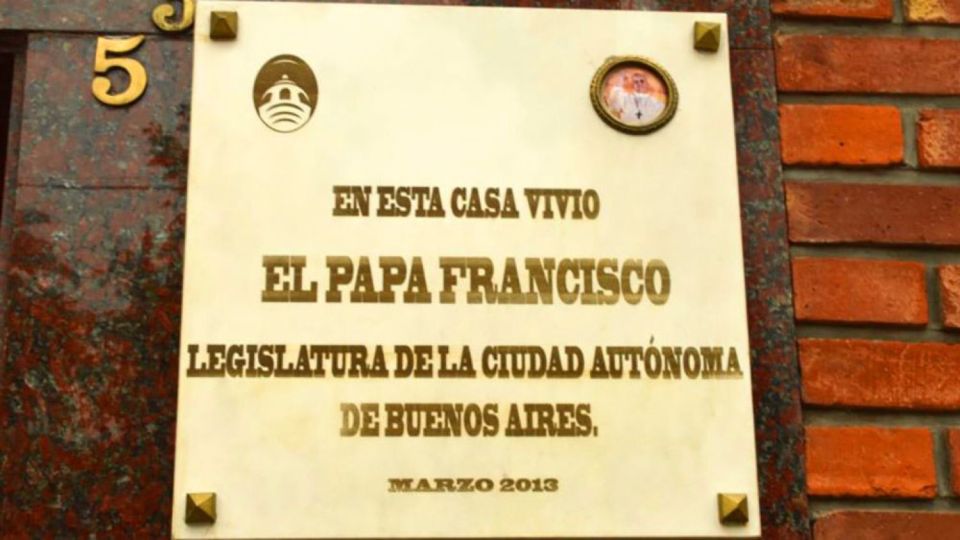
In the neighborhood of Montserrat, you visit the San Ignacio de Loyola Church, built by the Society of Jesus in 1675. The tour also points out it’s the oldest preserved church in Buenos Aires and that it’s part of Manzanas de las Luces.
That mix of details matters. A church built in 1675 isn’t just old—it’s tied to early colonial-era religious influence and the way the Jesuits left long traces in the city. And being part of Manzanas de las Luces gives you a “urban plan” way to read the area, not just a single building glance.
This stop may also add a different visual feel to the day. Even if other sites are more closely tied to Bergoglio personally, San Ignacio widens the lens to the city’s older religious fabric.
Heading to Plaza de Mayo: the Metropolitan Cathedral’s real role
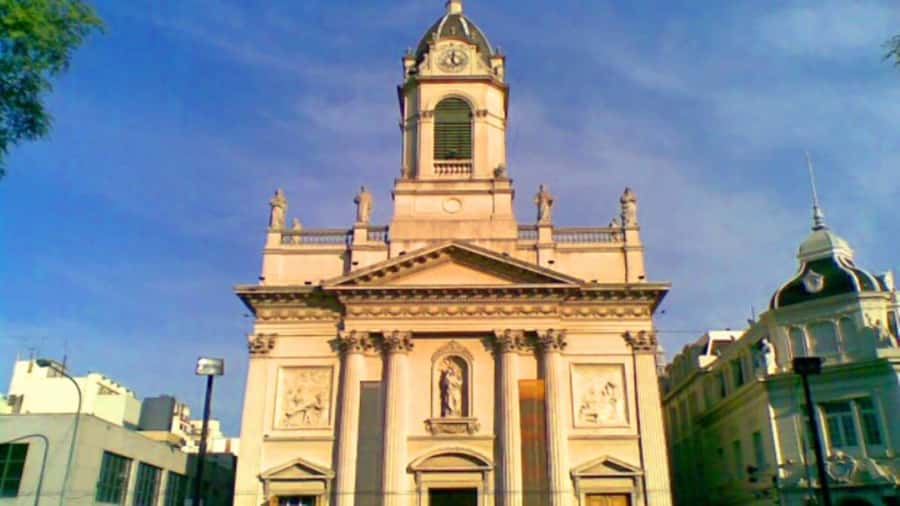
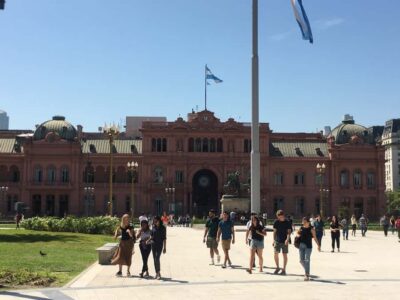
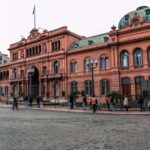
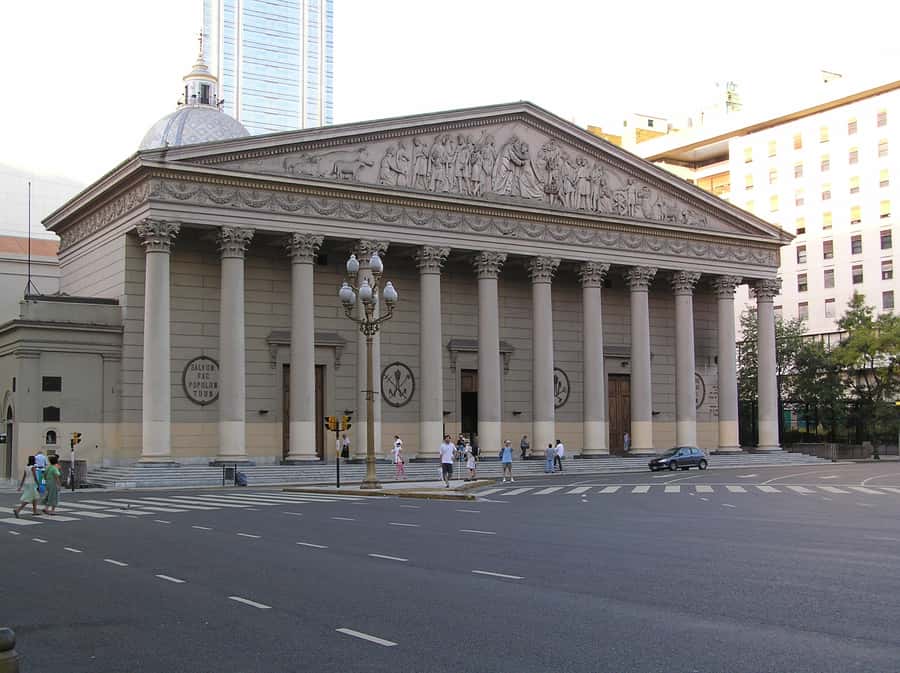
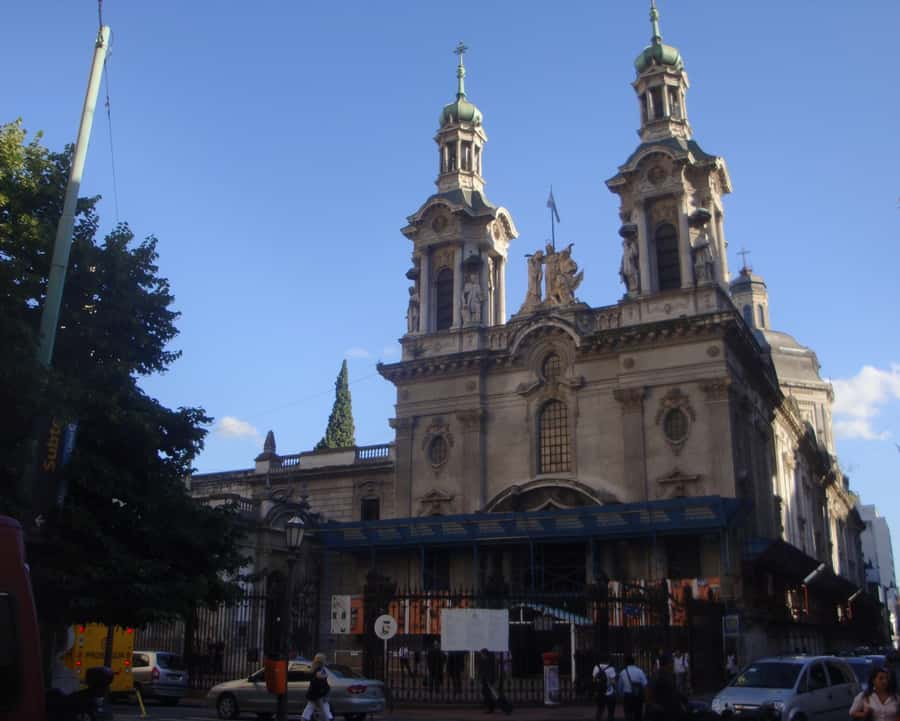
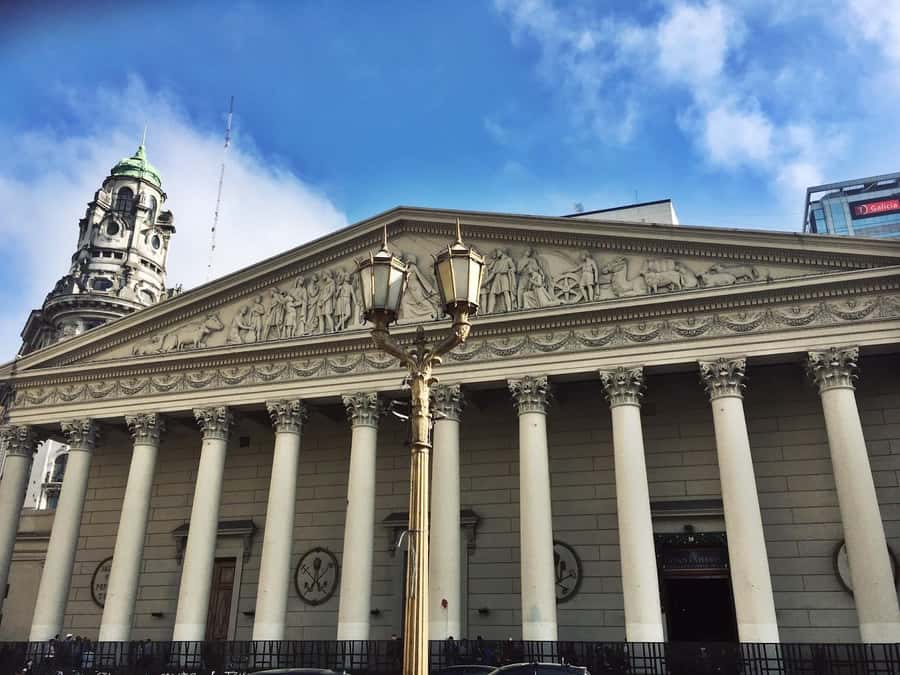
The tour’s final landmark is the Buenos Aires Metropolitan Cathedral, overlooking Plaza de Mayo. The tour notes it was declared a historical monument in 1942 and that it’s considered the main Catholic church in Buenos Aires.
This is where the tour shifts from personal origins to public impact. You’re told the cathedral is where the Archbishop of Buenos Aires, Jorge Bergoglio, gave important Masses. And it’s also framed as the place where devoted followers awaited the announcement that he would become Supreme Pontiff.
That ending matters for two reasons:
- It gives your earlier stops a clear endpoint—this childhood chain leads to a global stage.
- It puts you in the spiritual and civic center of the city, where faith and public life overlap.
If you enjoy ending tours at places where you can sit, reflect, and keep the mood going, you’ll likely like finishing here. Even just standing in the cathedral area helps you connect the dots from neighborhood Buenos Aires to the national spotlight.
What the guide experience feels like (and why it changes the tour)
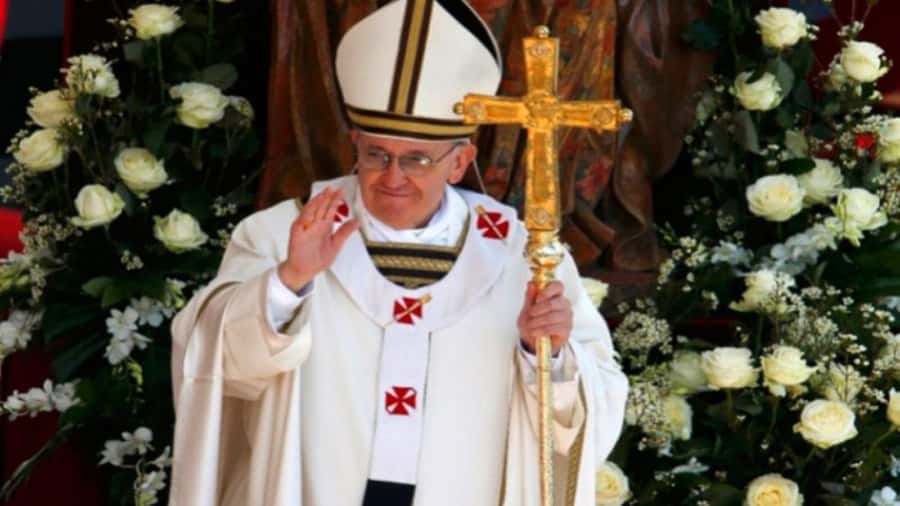
This tour is a live guided tour with languages including Spanish, English, and Portuguese. The guide has a job that’s harder than it sounds: explain the religious milestones without turning it into a lecture, and connect Argentina’s civic texture to Bergoglio’s path.
The best versions of this tour are the ones where the guide keeps moving and still makes time for questions. Based on how this experience is described by past participants, the guides have a knack for linking Bergoglio’s “regular citizen” life—school, church steps, local attachments—with the reason people later read his decisions through a spiritual lens.
Also, since the group is small, the guide can adjust the pace. If you’re the type who likes to ask why a place matters rather than just where it is, this format works.
Price and value: is $132 worth it for 3 hours?
At $132 per person for a 3-hour small-group tour, the value comes down to two things: how tightly the route is connected to Bergoglio’s life and how much interpretation you get along the way.
You’re paying for more than sightseeing. The stops are specific to his childhood home, schools, baptism, and major churches, then you finish at the cathedral tied to Masses and the papal announcement moment. That’s a rare “life story” route rather than generic Buenos Aires religious highlights.
The price also includes transfers throughout the tour and a guided experience. And because the group is limited to 15, you’re not paying for a crowded megatour where your questions disappear.
If you want a quick, meaningful overview in a short window, this pricing can feel fair. If you’re more into independent exploration, you might prefer a self-guided route—but you’d lose the connective tissue that makes the places click.
Logistics that can affect your day
A few practical points help you plan smoothly:
- Meeting point: Tangol office, Defensa 831, San Telmo. Start time is 10:00 am.
- Duration: 3 hours.
- Not included: food and beverages, and no hotel pick-up/drop-off.
- What to bring: passport or ID card and comfortable shoes.
- Not allowed: luggage or large bags.
One important note: accessibility info appears contradictory. The tour description says wheelchair accessible, but the “important information” section says it is not wheelchair accessible. If accessibility matters for you, I’d confirm with the operator before booking so you don’t end up at the wrong kind of physical situation.
Who should book this tour
This is a strong choice if:
- You want a focused introduction to Pope Francis’ Buenos Aires roots.
- You like tours that connect faith, education, and daily life instead of only big-picture landmarks.
- You’re in Buenos Aires for a short stay and want the best use of 3 hours.
It’s also a good fit if you’re traveling with someone who cares about Catholic history but gets bored with dry facts. The route’s mix of personal sites and major civic-religious landmarks keeps it moving.
If you hate group tours or you prefer to wander without guidance, you might find it too structured. But if you like direction and explanation, this one has the right bones.
Should you book the Buenos Aires Pope Francis 3-hour tour?
I’d book it if you want a time-efficient, story-driven route through the key places tied to Jorge Bergoglio—from his Flores childhood to the Metropolitan Cathedral at Plaza de Mayo. The short length, small group size, and guided interpretation make it a good value for travelers who want meaning, not just photos.
I’d pause and confirm details if accessibility is a concern for you due to the conflicting notes. And if you’re very scheduling-sensitive, keep in mind the itinerary can adjust around mass schedules or basilica availability.
If your goal is to understand how a local life became global impact, this tour gives you a clean, memorable path to follow.