REVIEW · BUENOS AIRES
Buenos Aires: Chacarita, The Largest Cemetery In Argentina
Book on GetYourGuide →Operated by daddiescuriosos · Bookable on GetYourGuide
Chacarita Cemetery turns famous lives into stone stories. I love how the route spotlights culture icons you already know, from Carlos Gardel to Gustavo Cerati, and I also like the contrast of quieter memorial zones like the German and British cemeteries. One drawback: this is a walking tour on cemetery paths, so you’ll want comfortable shoes and you should skip it if you use a wheelchair or need mobility assistance.
The guide on this experience, Miguel, is a big part of why it works. He’s patient, answers questions clearly, and keeps going well even if weather throws in a little rain. Just plan for heat and sun, because it’s outdoors for most of the 3 hours.
In This Review
- Key highlights worth planning around
- Why Chacarita Cemetery Feels Like Buenos Aires in Stone
- Meeting at the Main Door: How the 3 Hours Are Structured
- Carlos Gardel’s Mausoleum: The Tango Legend You Can Actually Visit
- Jorge Newbery and Other Early Stops: How Variety Builds Understanding
- Gustavo Cerati’s Mausoleum: When Rock Memory Meets Cemetery Silence
- Tumba de Gilda: The Human Side of Public Fame
- Capilla Cementerio Chacarita: A Religious Pause in the Middle of the Walk
- Panteón VI: The Longer Look That Slows You Down on Purpose
- Commonwealth War Graves Buenos Aires: Memorials With a Different Purpose
- Cementerio Alemán and Elcano Park: Comparing Styles and Finishing Fresh
- What I’d Do to Make the Most of Miguel’s Spanish Guidance
- Price and Value: Is $20 for a 3-Hour Cemetery Walk Worth It?
- Who This Tour Fits Best (And Who Should Skip It)
- Should You Book This Chacarita Cemetery Tour?
- FAQ
- How long is the Chacarita Cemetery tour?
- Where do I meet the guide?
- What does the tour cost?
- What languages is the live guide?
- What should I bring?
- Is the tour suitable for people who use wheelchairs?
Key highlights worth planning around
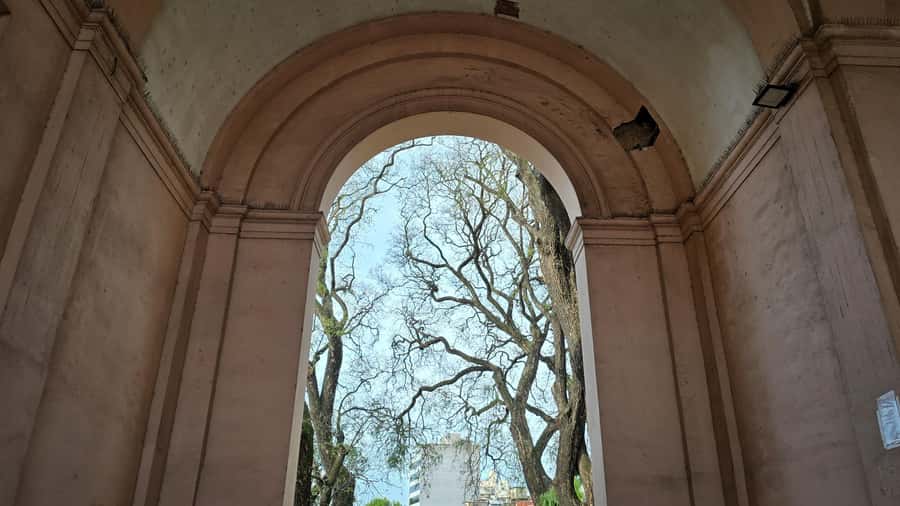
- Tango and rock names on the same route with stops for Carlos Gardel and Gustavo Cerati, plus other major Argentine figures
- German and British cemeteries where you can compare architectural and religious styles side by side
- A pace built for photos and meaning, with multiple short photo/photo-and-visit stops
- Miguel’s patient guidance in Spanish, including slowing down for learners
- A longer stop at Panteón VI so the tour has at least one chunk of deeper viewing
Why Chacarita Cemetery Feels Like Buenos Aires in Stone
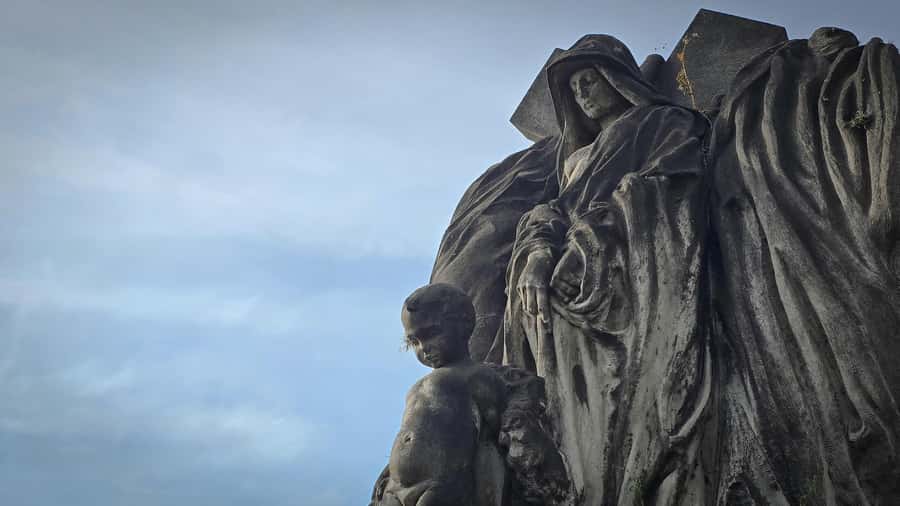
Chacarita Cemetery isn’t just a place to get quiet. It’s a map of Argentine culture, stitched together through memorials, mausoleums, and different artistic approaches to honoring the dead. When you walk through it with a guide, those names on stone start connecting to music, performance, and public memory in a way a standard cemetery stroll just can’t do.
I especially like that the tour doesn’t focus on only one theme. You get a mix of tango and entertainment icons, and then you switch gears to the German and British sections, where styles and traditions feel noticeably different. That contrast makes the cemetery feel more like a historical cross-section than a single-note stop.
You can also read our reviews of more tours and experiences in Buenos Aires.


Meeting at the Main Door: How the 3 Hours Are Structured
You’ll meet at the main door to Chacarita Cemetery, then move through a series of short stops. The format is practical: photo opportunities, short guided time at each point, and a single built-in break for using the restroom (about 10 minutes). With a group size limited to 6 participants, you’re less likely to get lost in the shuffle.
The timing matters here. Ten-minute guided slots keep the walk from dragging, but you still get enough time to read plaques, look closely at designs, and ask questions before moving on. This is a tour where you’ll get the most out of it if you come with curiosity, not speed.
Also, because this is outdoors and in a cemetery setting, pack like it’s a city walk, not a museum visit: comfortable shoes, water, and sun protection (hat and sunscreen). The tour itself includes the breaks, but it can’t control the weather.
Carlos Gardel’s Mausoleum: The Tango Legend You Can Actually Visit
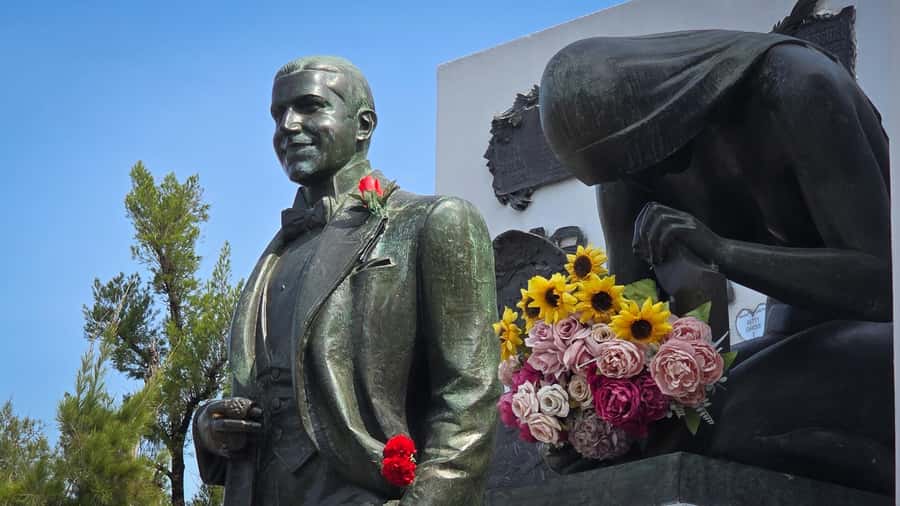
The stop for Carlos Gardel is the tour’s natural anchor. Even if tango isn’t your main interest, Gardel’s status is impossible to miss in Argentina. Here, you’re not just hearing about him; you’re standing in front of his resting place as a tangible piece of the cultural story he helped shape.
The guide’s role is to connect what you see with what the name means. You’ll get a guided look long enough to slow down, take a photo, and absorb the setting instead of just rushing past. For me, that matters because cemetery memorials can look similar at first glance—context is what turns them into something you remember.
Practical tip: bring your camera ready, but also pause long enough to read. The visual design and the wording on the site are part of the experience, not decorations.
Jorge Newbery and Other Early Stops: How Variety Builds Understanding
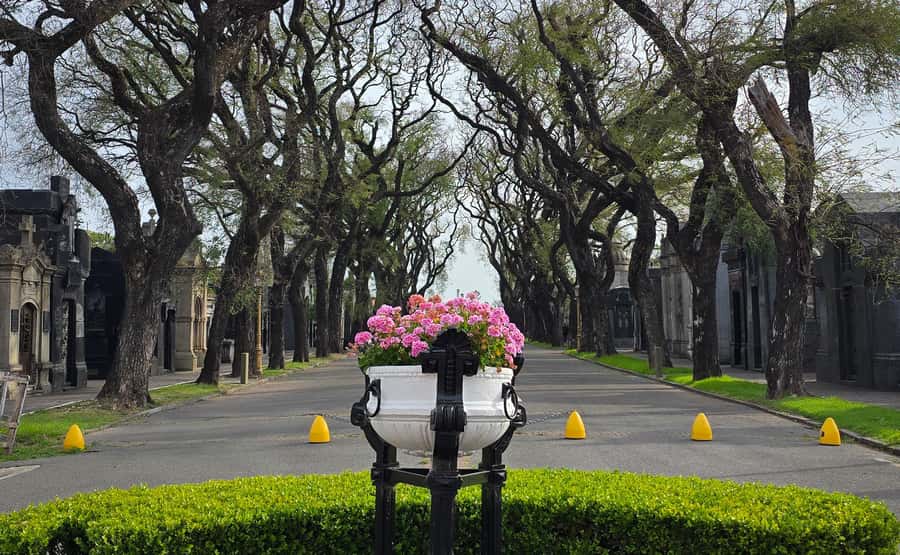
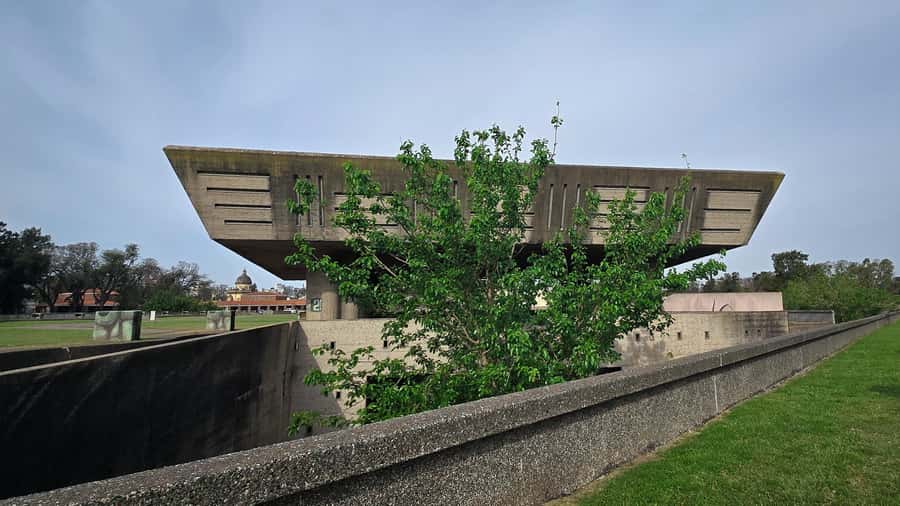
After Gardel, the tour keeps moving through additional prominent mausoleums. One of the next featured stops is Jorge Newbery, which adds a different kind of fame to the mix—proof that Chacarita isn’t only about performers. You’ll also visit mausoleum Loredo de Subiza María Salomé, another reminder that the cemetery holds stories from many corners of Argentine life.
These earlier stops feel like a quick orientation to the cemetery’s “language.” You start noticing patterns in monument styles, how families and institutions mark memory, and how different memorials are meant to be approached—some read like intimate statements, others like public statements meant for long viewing.
There’s a bit of “scanning” involved too. With a cemetery, your eyes need a moment to adjust from signage to stone textures. The short guided windows help you make that adjustment without feeling overwhelmed.
Gustavo Cerati’s Mausoleum: When Rock Memory Meets Cemetery Silence
At Gustavo Cerati’s stop, the tour shifts again. Cerati represents another era of Argentine music culture, and seeing his memorial here adds weight to the idea that Chacarita belongs to many generations. The guided time is slightly longer here (about 15 minutes), which gives you room to look closely and sit with the contrast: famous sound, silent stone.
I like this kind of crossover stop because it keeps the tour from feeling like a single fan circuit. You’re not locked into one genre or one age of Argentina. You’re walking through a broader idea of cultural legacy, where tango and rock share the same city footprint—stone to stone, history to history.
If you’re learning Spanish, this is also a solid moment to lean in. One of the highlights from real experiences with this tour is that Miguel can slow down and explain clearly, so you can follow the meaning even when vocabulary is still a work in progress.



Tumba de Gilda: The Human Side of Public Fame
Next up is the tumba de Gilda. This stop keeps the emotional range of the tour moving. If you’re familiar with her story, it hits differently when you see the memorial in person. Even if you’re not, the guided explanation helps you understand why her presence belongs in a cemetery known for national cultural impact.
In general, I think cemetery tours that work best don’t treat famous names as trophies. This one aims for connection. You’re guided to notice what’s written, what’s placed, and how the monument communicates respect in a place where the world slows down.
Capilla Cementerio Chacarita: A Religious Pause in the Middle of the Walk

The visit to the Capilla Cementerio Chacarita adds a different tone to the route. Chapels and religious spaces in cemeteries bring structure—light, design, and a sense of ceremony that can’t be replicated in open areas. Even if religion isn’t your main focus, it’s one of those stops where architecture does part of the explaining for you.
You’ll get a short guided window here (about 10 minutes). That’s enough time to notice the chapel as a “breathing space” and not enough time to treat it like a full stopover. The balance is good if you want a 3-hour tour that stays moving but still includes variety.
Panteón VI: The Longer Look That Slows You Down on Purpose
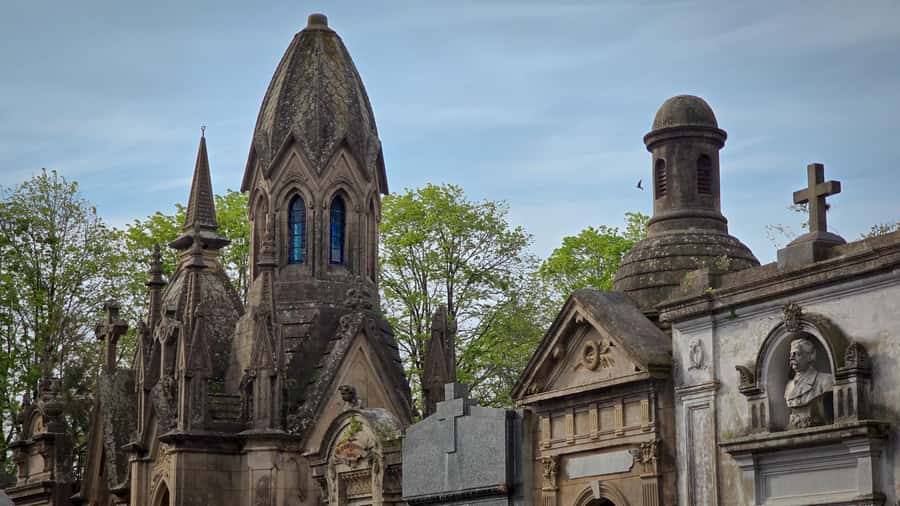
One of the standout pacing choices is Panteón VI, where the guided time is about 30 minutes. This is where the tour lets you slow your attention and really study. A longer stop like this usually means the site has enough detail—design elements, placement, and commemorative style—that it deserves time rather than quick photo-and-go.
I appreciate this because cemetery walking can turn into a blur if every stop is the same length. Here, you get contrast in tempo. You can read more carefully, ask more specific questions, and actually absorb the artistry rather than just collecting names.
Commonwealth War Graves Buenos Aires: Memorials With a Different Purpose
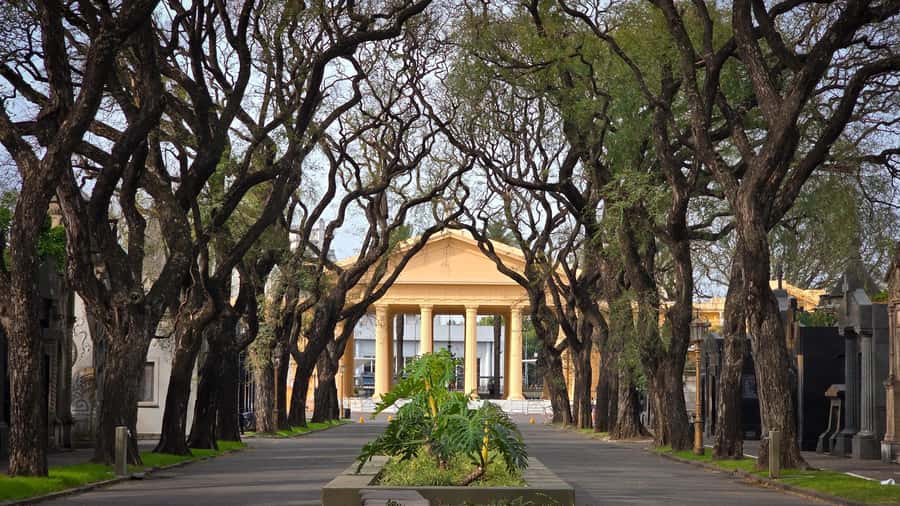
Then you’ll reach the Commonwealth War Graves Buenos Aires. This portion changes the emotional geometry of the tour. It’s not about celebrity memory in the same way; it’s about national wartime remembrance and the kind of formal recognition you see in war grave sites.
The guided time here is about 15 minutes, which is right for reading and observing without turning it into a long history lecture. You’ll likely notice how solemn layout and memorial conventions differ from the music-and-entertainment stops. That contrast is exactly what makes the tour valuable: you get multiple types of remembrance in one walk.
Cementerio Alemán and Elcano Park: Comparing Styles and Finishing Fresh
The tour also includes the German cemetery (Cementerio Alemán), where you can see distinct styles and religious temple elements. The guided time is about 15 minutes, plus some sightseeing time while you take it in. Even at a glance, sections like this often show different architectural choices, symbol use, and overall “feel” created by the communities that built and maintained the grounds.
After that, you’ll visit Elcano Park for about 10 minutes. This is a good finishing rhythm: you close the tour with a change of scene rather than walking directly into the busiest part of a city day. If you’re planning dinner afterward, you’ll probably find this ending helps you reset before returning to Buenos Aires streets.
What I’d Do to Make the Most of Miguel’s Spanish Guidance
Miguel’s strengths come through in the experiences people share: he’s patient, he answers questions, and he doesn’t rush when the group needs clarity. One of the nicest details is that if you’re speaking Spanish at a slower pace, he can match it. That means the tour can work whether you’re comfortable speaking or still building confidence.
Here’s how you can get the most out of it:
- Ask one real question at each major stop, not five at once
- Use your phone to translate what you can, but read on-site too
- Pay attention to how memorial style changes by section; that’s where the “meaning” often lives
And yes, weather happens. A few people mention that even with some rain, the quality didn’t drop. Still, bring a small umbrella or rain layer if the forecast looks iffy, and don’t expect indoor shelters during long stretches.
Price and Value: Is $20 for a 3-Hour Cemetery Walk Worth It?
At $20 per person for a 3-hour guided walking tour, the value is mostly about focus. You’re not paying for transportation time or a big bus ride. You’re paying for someone to guide your eyes and explain why these places matter.
The small group size (up to 6) improves that value. In a large crowd, cemetery tours often become watch-the-guide-and-hope-you-hear. Here, you’re more likely to ask questions and get answers that actually land.
Also, the itinerary covers multiple standout zones rather than repeating one theme: famous Argentine cultural memorials plus German and British cemeteries and the Commonwealth War Graves. That mix is exactly what turns a “walk through a cemetery” into an actual Buenos Aires experience with cultural payoff.
Who This Tour Fits Best (And Who Should Skip It)
This is a great pick if you like culture-based travel and you enjoy places where local identity is written into architecture and names. If you’re into tango, Argentine music, classic performers, or you simply want an offbeat way to understand Buenos Aires beyond big tourist sights, you’ll likely find this tour satisfying.
It’s not a fit if you have mobility impairments or use a wheelchair. The activity is explicitly marked as not suitable for those needs, and cemetery paths are rarely set up for comfortable wheelchair access.
If you’re short on time but want something different from museums and viewpoints, a 3-hour walk is a realistic commitment that still gives you several meaningful stops.
Should You Book This Chacarita Cemetery Tour?
I’d book it if you want a guided walk that treats the cemetery as a cultural document, not just a somber backdrop. The combination of Carlos Gardel, Gustavo Cerati, other notable Argentine figures, and the German/British zones gives you real variety in a single morning or afternoon block.
Skip it if you can’t do steady outdoor walking or if you prefer quiet self-guided sightseeing with no structured stops. This is a guided experience with a pace built around short view-and-learn segments.
If you’re even mildly curious about Argentine pop culture and the way public memory gets carved into stone, this one is worth your time.
FAQ
How long is the Chacarita Cemetery tour?
The tour lasts about 3 hours.
Where do I meet the guide?
Meet at the main door to Chacarita Cemetery.
What does the tour cost?
The price listed is $20 per person.
What languages is the live guide?
The live tour guide speaks Spanish.
What should I bring?
Bring comfortable shoes, a hat, sunscreen, and water.
Is the tour suitable for people who use wheelchairs?
No. The tour is not suitable for people with mobility impairments or wheelchair users.