REVIEW · BUENOS AIRES
Buenos Aires: Panoramic Bus Tour
Book on GetYourGuide →Operated by Providence Viajes · Bookable on GetYourGuide
Buenos Aires has a way of grabbing you fast. This panoramic bus loop is a smart first look at the city, mixing oldest streets and modern neighborhoods with photo stops built in. I especially like the through-the-window views of the Colon Theatre and Obelisk, plus the planned time at Plaza de Mayo and Caminito for real photos. One thing to keep in mind: the schedule is pretty tight, so if you’re the type who wants to linger at every corner, a hop-on hop-off option may feel more comfortable.
You’ll ride for about 3 hours with a certified bilingual guide (English, Portuguese, or Spanish), and you’ll cover major areas without having to figure out transfers. The route is designed to connect neighborhoods like Palermo to Recoleta and down toward Monserrat, San Telmo, La Boca, and Puerto Madero, so you get a sense of how the city grew and changed. The group is typically around 30 passengers, and that can affect how long you wait at photo stops.
This tour works well if you want a guided overview and a few key landmarks without over-planning. It’s less ideal if you’re visiting with mobility needs, since it’s not suitable for people with mobility impairments. The upside is clear: the experience is focused, the guide-led storytelling helps you see more than you’d notice on your own, and you’ll finish at the Obelisk area when you’re ready to keep exploring.
In This Review
- Key highlights you’ll remember
- A panoramic bus intro to Buenos Aires that actually saves your energy
- The pace: guided, but not slow
- Retiro to the city’s immigrant gateway and downtown “starting point”
- San Nicolás: Obelisk, Colón Theatre, and Corrientes Avenue’s “all-night” reputation
- Monserrat: Monuments, political power, and a photo stop at Plaza de Mayo
- San Telmo: historic streets, tango corners, and the charm that builds slowly
- La Boca: Caminito photos, colorful tenements, and Boca Juniors passion
- Puerto Madero: modern waterfront, Puente de la Mujer, and the Tango Monument
- Palermo and Recoleta: parks, museums, and Recoleta Cemetery context
- Ending at the Obelisk: convenient finishing point for your next move
- Photo stops that you can actually work with (Plaza de Mayo and Caminito)
- Price and value: what $55 gets you in Buenos Aires
- Who should book this tour, and who should consider something else
- Should you book the Buenos Aires Panoramic Bus Tour?
- FAQ
- How long is the Buenos Aires panoramic bus tour?
- How much does it cost?
- Is pickup included, or do I need to meet the group myself?
- Where do I meet the tour if pickup isn’t available from my exact address?
- What photo stops are included?
- What neighborhoods are covered?
- What languages are the guide tours offered in?
- What should I bring with me?
- Is this tour suitable for people with mobility impairments?
- What’s the cancellation policy?
Key highlights you’ll remember
- Colon Theatre and the Obelisk views from a panoramic bus angle that’s perfect for orientation photos
- Plaza de Mayo photo stop in Monserrat, where the city’s political center comes into focus
- Caminito in La Boca plus a guided walk through tenements and the neighborhood’s soccer energy
- Old-to-new neighborhood contrast from San Telmo’s historic feel to Puerto Madero’s modern waterfront
- Palermo and Recoleta stops that frame gardens, museums, and the famous Recoleta Cemetery area
A panoramic bus intro to Buenos Aires that actually saves your energy
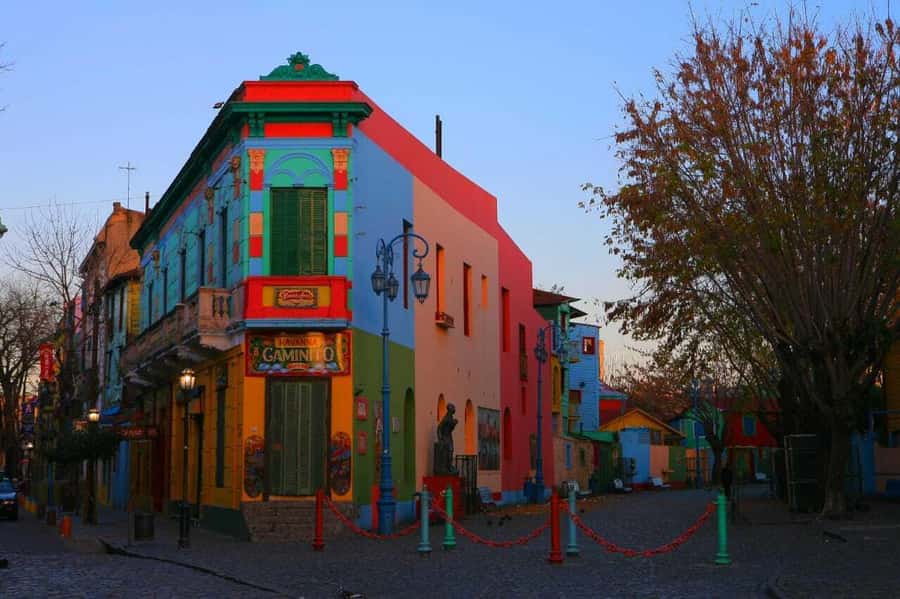
Buenos Aires is big, and your first day can turn into a puzzle. This tour is useful because it compresses a lot of “where am I, what’s important, and why does it matter?” into a single, guided ride.
The big win for me is the structure. You’re not just driving past buildings—you’re getting context for what you’re seeing. That matters in BA, because many landmarks feel like set pieces if you don’t know the story behind them. With a professional guide and a set route, you get your bearings fast and then you can decide what to revisit later.
At $55 for about 3 hours, it’s not the cheapest thing in the city. But you are paying for three practical pieces: pickup/meeting support, a guide, and the convenience of a panoramic bus loop that hits multiple neighborhoods. If you’re short on time, that can be good value.
You can also read our reviews of more tours and experiences in Buenos Aires.

The pace: guided, but not slow
You should expect a “see it, learn it, photograph it, move on” tempo. There’s some mention of strict timing, and that’s believable with a 3-hour city loop. On a group tour, you’ll sometimes wait for everyone to be ready at photo moments—especially around the more crowded, iconic stops.
Retiro to the city’s immigrant gateway and downtown “starting point”
Most tours like this need a good launchpad. Here, the route includes Retiro, which is both financial and residential—and historically a gateway for immigrants between the 19th and 20th centuries. Even without getting off the bus much, the storytelling helps you read the skyline differently. You’re seeing a city shaped by arrivals, not just architecture.
You’ll pass or connect to major Retiro anchors such as Plaza San Martín, the pedestrian street Florida, the train station area, and the Monumental Tower. If you’ve heard people talk about neighborhoods like this in Buenos Aires and wondered where the “big action” begins, Retiro gives you that grounding.
Practical note: pickup depends on your hotel or selected meeting point. If your pickup isn’t at a hotel, you’ll be shifted to a nearby hotel location. That’s common in big cities, and it usually means you avoid long walks to reach the bus.
San Nicolás: Obelisk, Colón Theatre, and Corrientes Avenue’s “all-night” reputation
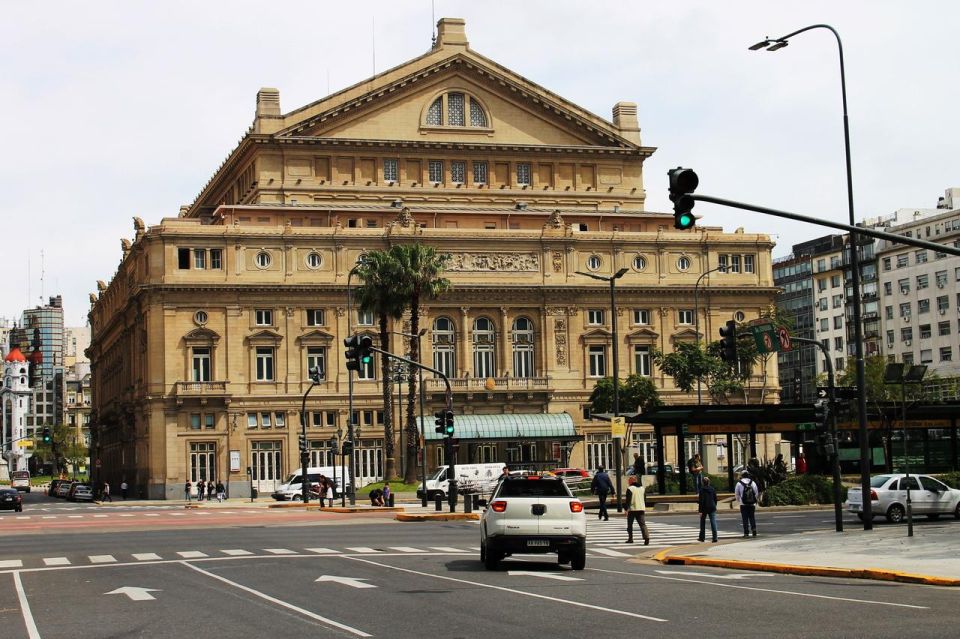
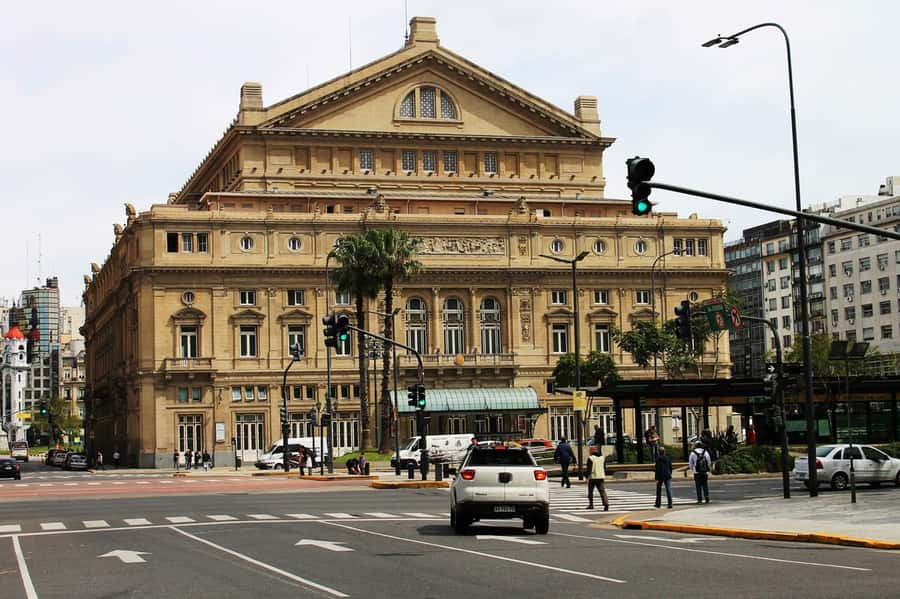
From the downtown center, San Nicolás is where Buenos Aires starts to look like Buenos Aires—fast. This neighborhood is one of the most central areas of the city, and it’s home to the Obelisk and the Teatro Colón (Colón Theatre).
If you want a quick mental map, this stop is it. The Obelisk is a landmark people use to orient themselves, and the Colón Theatre is one of the city’s best-known cultural symbols. You’ll also connect with Corrientes Avenue, often associated with big entertainment energy due to its theater and dining offerings.
The bus format helps here. You get sweeping angles and context without having to plan your route through several blocks. The tradeoff is that you’re not lingering inside lobbies or on side streets—this is about views and narration, not deep exploration.
Monserrat: Monuments, political power, and a photo stop at Plaza de Mayo
Monserrat is the oldest neighborhood in the city, where early Spanish settlers first landed. That’s the kind of detail that can turn a drive-by into something meaningful, and this tour leans on exactly that idea.
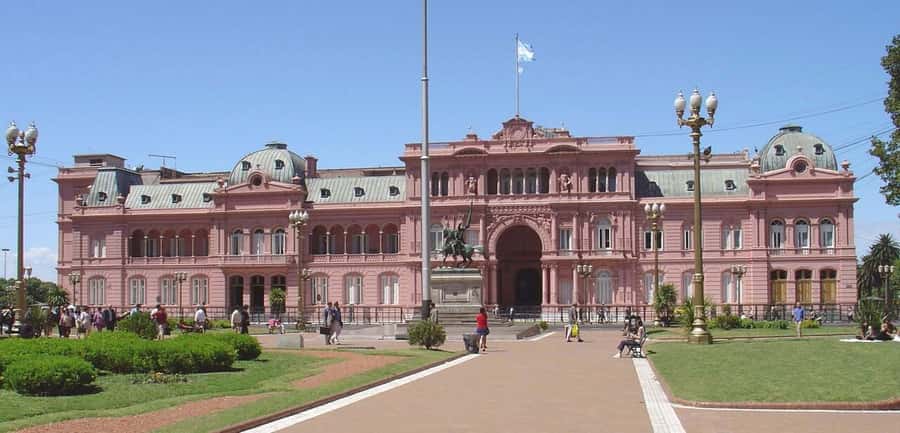
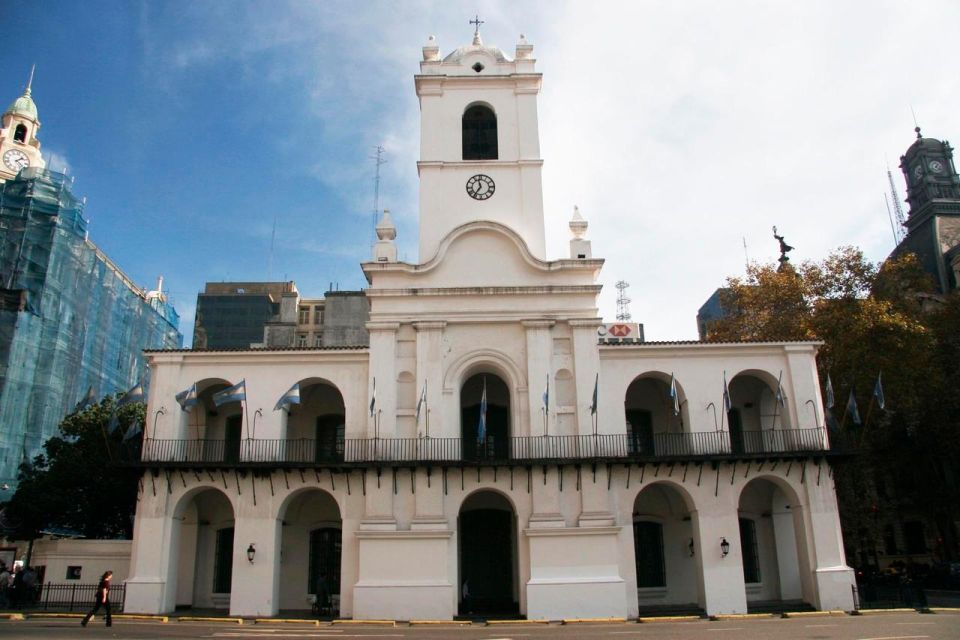
You’ll get an especially important photo stop at Plaza de Mayo (about 30 minutes). This is one of Buenos Aires’ most symbolic public spaces. It’s where government and national identity show up in a big, visible way. Even if you don’t stay long, the timing is enough to get the classic photos and understand why people call it a must-see.
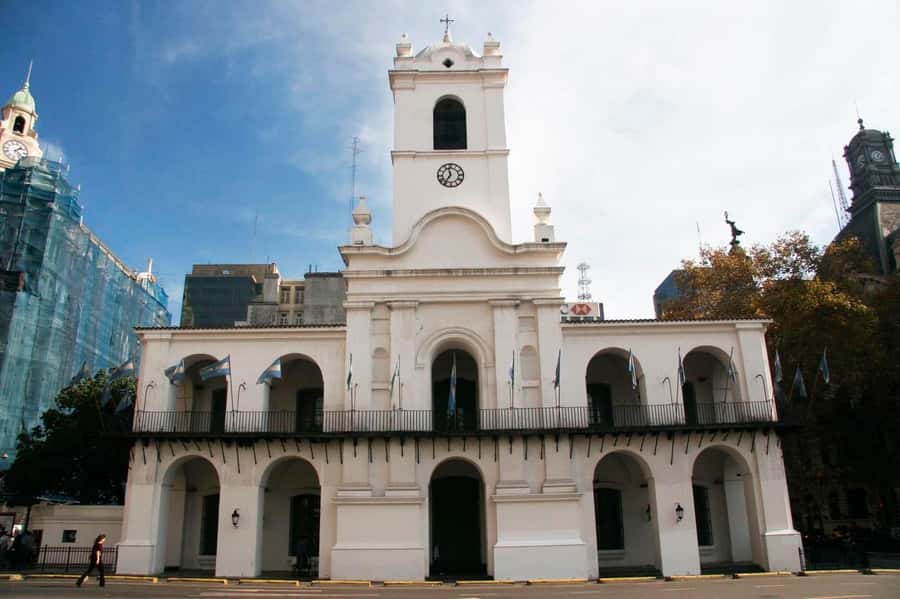
The guided stops also highlight major buildings around Monserrat, including the Cabildo, Casa Rosada (Government House), the Cathedral, and Avenida de Mayo. If you’re the type who wants to know what you’re staring at—without doing homework—this part does the job.

San Telmo: historic streets, tango corners, and the charm that builds slowly
After Monserrat, you’ll head toward San Telmo, one of the oldest and most traditional neighborhoods. Here, the vibe shifts from political grandeur to older streets and a more lived-in feel.
The tour mentions key landmarks you’ll be able to spot, such as Defensa Street, Lezama Park, and Casa Mínima. You’ll also hear about tanguerías—those tango venues that keep the neighborhood’s cultural identity strong.
What makes San Telmo worth including on a panoramic bus tour is that you get a sense of how old Buenos Aires still hangs around the city center. Even when you don’t have hours to wander, the guide’s framing helps you decide where you want to return after the tour.
La Boca: Caminito photos, colorful tenements, and Boca Juniors passion
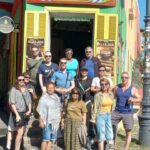
La Boca is the neighborhood most people imagine when they picture Buenos Aires in their head. On this tour, you’ll get both a photo stop at Caminito (about 30 minutes) and a guided walk in the area.
Caminito is especially fun for photography, but the deeper value is understanding why the colors look the way they do. The area’s history is tied to immigrants settling there and the availability of labor at the time. People built houses with materials like wood and sheet metal, and they used leftover paint from shipyards to color the walls. That detail gives you something more than a pretty street—you get a reason.
La Boca also connects tightly to Boca Juniors soccer culture. You’ll see (and hear) how sports passion shapes daily life and neighborhood identity, not just match nights. If you’re visiting for the first time, La Boca is where the city’s personality feels most concentrated.
Timing note: this is another spot where you may feel the group schedule. If you’re trying to nail photos at golden hour or want to browse every shop, you might feel rushed. Still, as a first visit, it’s a great “taste and return later” stop.
Puerto Madero: modern waterfront, Puente de la Mujer, and the Tango Monument
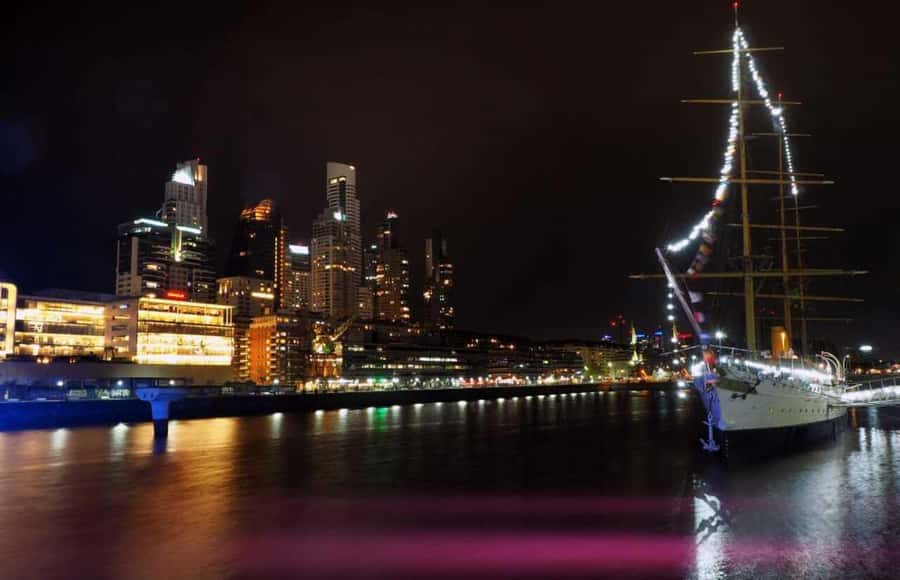
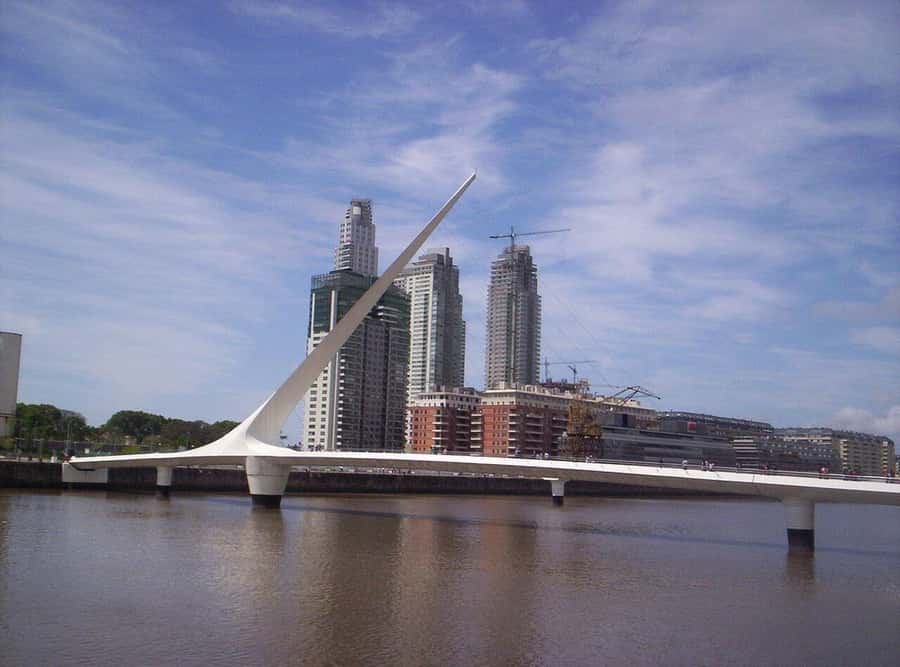
From La Boca, the tour heads toward Puerto Madero, a modern contrast to the older neighborhoods you’ve already seen. This is where Buenos Aires feels newer—cleaner lines, big waterfront views, and attractions that read as city branding.
You’ll be able to see the Puente de la Mujer (Women’s Bridge) and the Costanera Sur Ecological Reserve area. The tour also highlights the Tango Monument, which makes sense because tango isn’t just a dance here—it shows up as public art too.
Puerto Madero is often a “breather” in a sightseeing day. It’s not about ancient streets or historic buildings—it’s about how Buenos Aires reimagines itself. If your day is starting to feel like “just buildings,” this part helps reset your eyes.
Palermo and Recoleta: parks, museums, and Recoleta Cemetery context
The tour loops back through two of the most famous neighborhood names: Palermo and Recoleta. Even if you don’t spend hours walking, you get a sense of why these areas are popular.
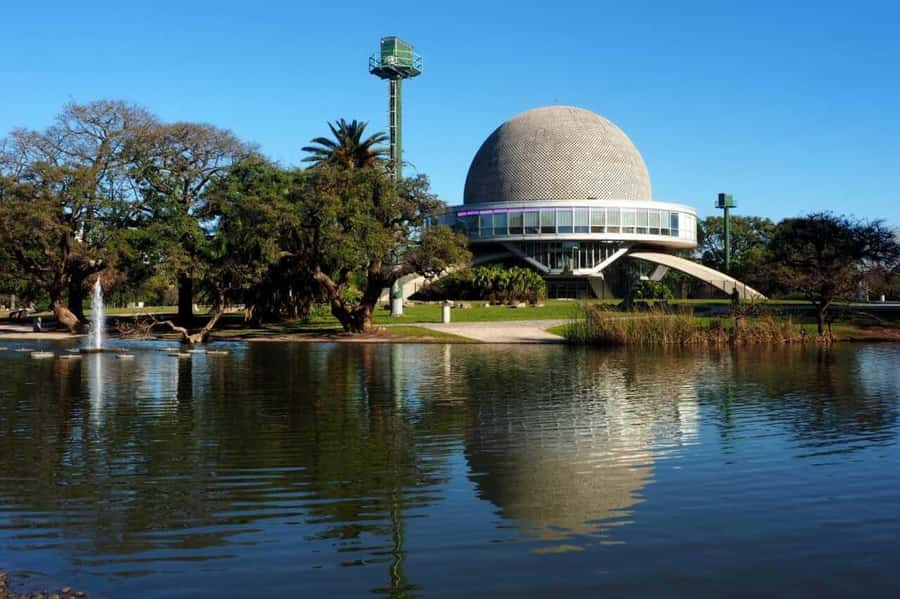
In Palermo, the tour highlights major sights like Los Bosques de Palermo, the Galileo Galilei Planetarium, Plaza Italia, and the Malba Latin American Art Museum. You’ll also see mentions of the Hippodrome. Palermo is the big neighborhood in Buenos Aires, and it gives you a wide range of “city at different moods,” from green space to cultural stops.
Then you move into Recoleta, known for elegance and for being a standout district in the city. Here, the tour points you toward the famous Recoleta Cemetery, plus the National Museum of Fine Arts, Carlos Thays Park, and the renowned Law School.
The cemetery connection is worth paying attention to. It’s one of those Buenos Aires details that people talk about because it adds depth to the city’s identity. Even if you don’t enter on this tour, your guided framing makes it easier to understand why the area draws so much interest.
Ending at the Obelisk: convenient finishing point for your next move
The tour finishes near Obelisco, which is convenient because it’s a central landmark. You’ll likely be positioned well to continue on foot, grab a snack, or plan a more targeted visit to one of the neighborhoods you liked most.
Finishing at the Obelisk also helps you tie the day together. You started downtown with big-city markers, you learned the neighborhood logic as you traveled, and you end at a place that works as a hub.
Photo stops that you can actually work with (Plaza de Mayo and Caminito)
Photo stops are where tours either feel useful—or feel like a rushed scramble. In this case, you get two iconic moments: Plaza de Mayo and Caminito. Each gets around 30 minutes, which is long enough to take multiple angles without turning it into a sprint.
My practical advice:
- Wear comfortable shoes because you’ll do guided walking in La Boca, not just stop for photos.
- Keep your phone ready but don’t rush—often the best shots need a few seconds of timing when crowds shift.
- If you’re sensitive to heat or sun, plan your filming and photos early in the stop window and save energy for the guided narration afterward.
Also, consider this tour as a photography “starter pack.” If you love the look of one neighborhood—San Telmo, La Boca, or Recoleta—plan to return for longer independent time.
Price and value: what $55 gets you in Buenos Aires
Let’s talk value, because $55 sounds like a lot until you compare it to what it replaces.
For your money, you’re getting:
- A panoramic bus ride covering multiple neighborhoods
- A certified professional guide
- Pickup from your hotel or from a nearby hotel/meeting point option
- Photo stops at Plaza de Mayo and Caminito
In a city where you can easily spend time figuring out transport, this tour removes friction. You’re not coordinating multiple rides, and you’re not paying for separate guides for each neighborhood. You’re also getting the advantage of group rhythm—meaning you don’t have to worry about missing key stops.
If you’re traveling alone, as a couple, or with friends who want a shared overview, the fixed route can feel especially worthwhile. It’s basically a shortcut to understanding Buenos Aires quickly.
Who should book this tour, and who should consider something else
This experience fits well if:
- You want a guided introduction to Buenos Aires neighborhoods in a short time
- You like learning what landmarks mean, not just photographing them
- You’d rather spend 3 hours with a plan than lose half a day figuring things out
You might want to skip or adjust plans if:
- You strongly prefer flexibility and longer independent time in one place
- You don’t want to deal with group pacing or occasional waiting at photo stops
- You need accessibility accommodations, since it isn’t suitable for people with mobility impairments
Overall, this is a great “first pass.” Treat it like orientation plus a shortlist of places to explore later.
Should you book the Buenos Aires Panoramic Bus Tour?
Book it if you want a practical, guided overview that covers the classics—Obelisk, Colón Theatre area views, Monserrat monuments, San Telmo character, La Boca’s Caminito and tenements, and Puerto Madero’s modern contrast—without turning your day into a logistics project.
Don’t book it if your top priority is slow strolling and choosing your own pace every 10 minutes. The tour has a structure, and that structure can feel tight if you’re the type who hates being on a clock.
If you’re landing in Buenos Aires and want to start with clarity, I think this one earns its place. It helps you understand the city’s different “faces” quickly, and then you can choose where to spend your real time.
FAQ
How long is the Buenos Aires panoramic bus tour?
The tour lasts about 3 hours.
How much does it cost?
The price is $55 per person.
Is pickup included, or do I need to meet the group myself?
Pickup is included from your hotel or designated meeting points. If your pickup isn’t at a hotel, the pickup may be changed to a nearby hotel location.
Where do I meet the tour if pickup isn’t available from my exact address?
After booking, the local partner determines the closest meeting location based on your hotel location. If you’re outside the pickup area, you’ll choose a meeting point option.
What photo stops are included?
The tour includes photo stops at Plaza de Mayo and Caminito.
What neighborhoods are covered?
The tour covers major areas including San Nicolás, Monserrat, San Telmo, La Boca, Puerto Madero, Retiro, Palermo, and Recoleta.
What languages are the guide tours offered in?
The tour guide is available in English, Portuguese, and Spanish.
What should I bring with me?
Bring your passport or an ID card. A copy is accepted.
Is this tour suitable for people with mobility impairments?
No, it is not suitable for people with mobility impairments.
What’s the cancellation policy?
You can cancel up to 24 hours in advance for a full refund.