REVIEW · BUENOS AIRES
N1 Coffee Tasting Experience in Buenos Aires
Book on Viator →Bookable on Viator
A great coffee lesson beats another museum day. This private specialty coffee tasting turns aromas and flavors into something you can actually name. I love the hands-on, game-style sensory workshop and the careful, step-by-step structure that doesn’t talk down to you. One thing to consider: if you only want a quick caffeine hit, the learning part may feel like more than you bargained for.
You’ll start at Al Diablo Coffee Roasters (Costa Rica 4752) and work through the full coffee story, from quality choices to how a cup gets its personality. The format is interactive: you’ll smell, taste, compare, and practice reading coffee labels in plain language. You can pick a morning or afternoon departure, and the session runs about 2.5 hours to around 3 hours in practice.
The price is $85 per person for a private group experience, so it’s best if you value guided instruction (and not just tasting). With coffee this focused, your time matters, and that’s exactly where this tour earns its money.
In This Review
- Key Highlights You’ll Notice Fast
- Coffee Omakase at Al Diablo: what this experience really feels like
- Specialty Coffee, from seed to cup, in plain language
- The Le Nez du Cafe smell game: your nose gets better on purpose
- Tasting single-origin coffees with comparisons that make sense
- How to read coffee labels without getting fooled
- Brewing methods and roast nuances, tied directly to what’s in your cup
- Why the private format is worth it for this kind of lesson
- Price and timing: is $85 good value?
- Getting there and what to plan for on the day
- Who this tour is for (and who might skip it)
- Should you book the N1 Coffee Tasting Experience in Buenos Aires?
- FAQ
- How long is the coffee tasting experience?
- Where does the tour start and end?
- Is this a private tour?
- Do I need coffee knowledge before going?
- What will I taste during the workshop?
- Will there be a sensory or smell component?
- How much does it cost?
- How do I choose a departure time?
- What is the cancellation policy?
- Is the meeting point easy to reach?
Key Highlights You’ll Notice Fast
- Private attention so you can ask questions and taste at your own pace
- Single-origin coffee samples (freshly roasted) with comparisons that build real skill
- Le Nez du Cafe smell kit that trains your nose for notes you can actually detect
- A workshop feel, not a lecture, with tasting and odor practice
- No confusion from coffee-bag marketing, since labels get explained clearly
- Lyubov’s teaching style that stays fun and not overwhelming, even for first-timers
Coffee Omakase at Al Diablo: what this experience really feels like
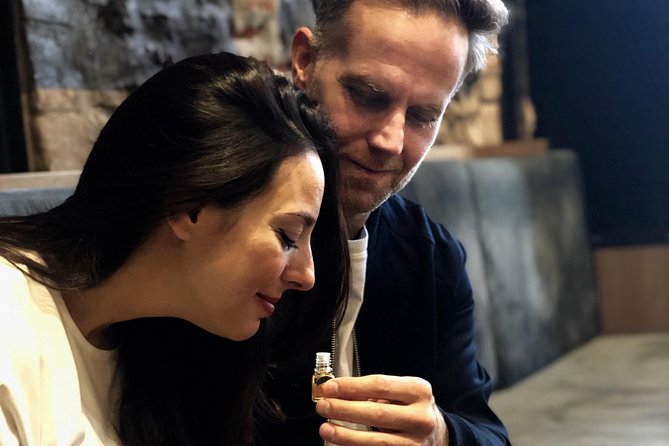
Buenos Aires has plenty of great coffee spots, but this experience is different. It’s not just drink, pay, and walk out. It’s a guided tasting workshop where you practice the same skills coffee professionals use, only in a way that feels approachable.
You begin at Al Diablo Coffee Roasters and stay based around that starting point. The whole experience is built around tasting sessions and sensory training, so you’re not bouncing around town. That makes it efficient. It also means you can focus on what matters: flavor, aroma, and quality.
Because it’s private, you won’t be stuck in a big group where you get a quick sip and then wait your turn. You get undivided attention, and that matters a lot in a workshop like this. You can ask why a coffee tastes the way it does, not just what it tastes like.
You can also read our reviews of more food & drink experiences in Buenos Aires
Specialty Coffee, from seed to cup, in plain language
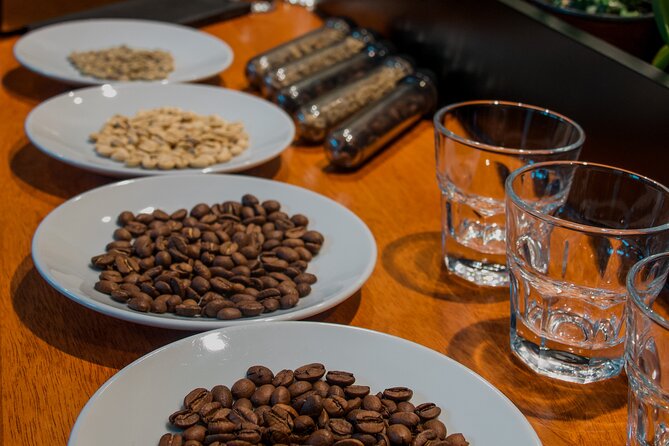
The core of the class is learning how specialty coffee quality is made, not guessed. You’ll hear the logic of coffee production from planted seed through harvest, processing, roasting, and preparation. The goal is to connect what you taste to what happened before it hit the cup.
This is more useful than it sounds. Coffee labels can be poetic and vague. If you don’t know what matters, you’ll overpay for marketing and underpay for quality. Here, you build a mental checklist: origin and growing details, how the coffee was processed, what roasting does to flavor, and how brewing choices change the final cup.
The best part is that the teaching is tied to your tasting. Instead of learning five facts and forgetting them, you apply what you learn while you have coffee right in front of you. That turns the session into a skill you can reuse.
The Le Nez du Cafe smell game: your nose gets better on purpose
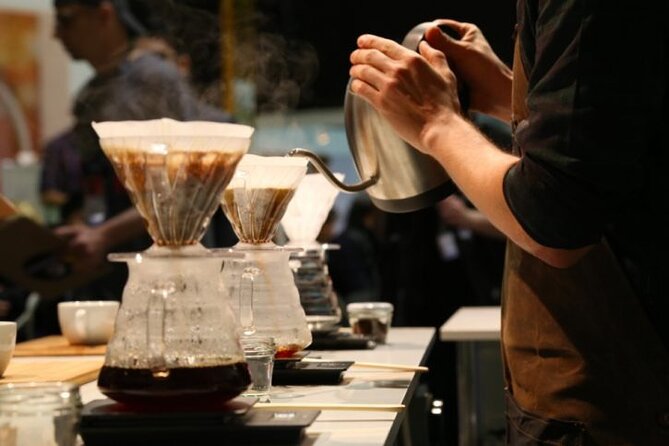
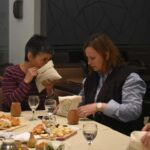
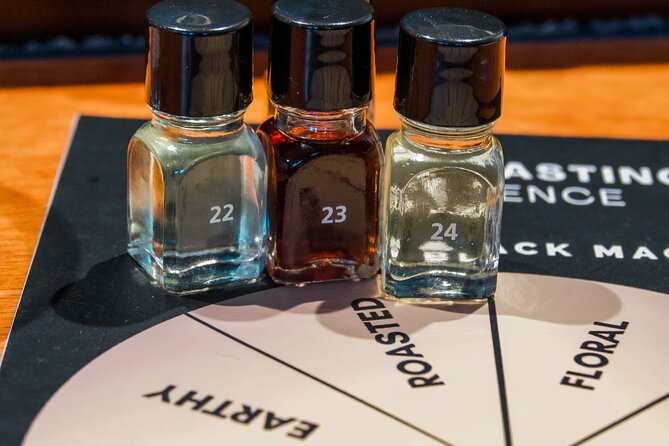
If you’ve ever wondered why coffee notes sound impossible, this is the fix. The workshop uses the Le Nez du Cafe sommelier-style smell kit. You’ll smell different aromas and try to identify what you’re sensing.
This is where the class becomes genuinely interactive. It’s not you staring at cups hoping to be a coffee genius. It’s practice. You train your brain to map smells to words, and you get feedback through the guide’s explanation.
Reviews consistently mention how structured and fun this part feels. Even if you think you have no “nose,” you’ll likely improve during the session. And the improvement sticks because you’re learning how aromas work, not just trying to memorize flavor names.
Tasting single-origin coffees with comparisons that make sense
The tasting portion centers on freshly roasted single-origin coffees, including rare and exotic varieties. You’re guided through how to taste like a sommelier: how to evaluate aroma first, then move to flavor, then compare the differences between coffees.
Single-origin matters here because it removes variables. When you taste multiple single-origin coffees, you’re not just comparing “coffee A versus coffee B.” You’re learning what changes when origin, processing style, and roasting choices shift the cup.
You’ll also get help learning the language of coffee appreciation. The guide explains how to describe tastes and how to connect those descriptions to what you’re actually experiencing in the cup. If you’re the type who normally just drinks and moves on, this is where your experience changes from passive to active.
A few key patterns show up in the way people talk about the tasting:
- The session feels hands-on, not performative
- You try enough variety to notice differences, but it stays manageable
- The guide answers questions patiently as you go
Even better, you’re not stuck with one style. You’ll taste and compare and start figuring out what works for your palate.
How to read coffee labels without getting fooled
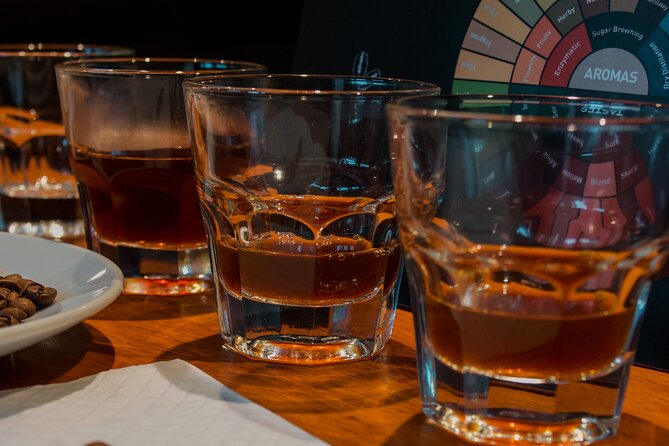
One of the most practical parts is learning to interpret coffee bag information. Coffee packaging can look confident while saying almost nothing helpful. This class gives you the tools to stop guessing.
You’ll get a clear explanation of how to read labels and what matters in real terms. Instead of being overwhelmed by claims, you learn what to look for and how it should relate to flavor and quality.
That’s a big deal in Buenos Aires, where specialty shops often carry a mix of origins and roast styles. After this class, you’ll be able to walk into a café and make sense of the choices, not just follow whatever sounds fancy.
And at home, the payoff is even bigger. Once you understand how origin, roast, and brewing interact, you can troubleshoot when a bag doesn’t taste the way you expected.
Brewing methods and roast nuances, tied directly to what’s in your cup
During the workshop, you’ll cover how different roast styles and brewing methods influence flavor. The main goal isn’t to memorize terms. It’s to understand cause and effect.
So when you notice a coffee tasting lighter, fruitier, or more rounded, you can connect that to what the coffee is doing in the cup. Likewise, if you find one roast too intense or another more balanced, you’ll know what to adjust next time rather than switching brands randomly.
You’ll also learn how to examine beans and how to savor the sensory details without overthinking. The class aims to build confidence. That’s why so many people end up changing how they make coffee at home after the session.
Why the private format is worth it for this kind of lesson
Coffee tasting is one of those activities where your learning depends heavily on guidance. If you’re left to your own devices, you might taste a few coffees and leave with nothing but good vibes.
Here, the private setting matters because it creates room for questions and personalization. The guide can adjust explanations based on what you’re noticing. You can ask what a specific aroma is supposed to mean, or why one coffee differs from another.
People also describe this as structured and not overwhelming. That’s a rare combo: serious information with a friendly pace. If you’ve done tastings that feel awkward or rushed, this private workshop avoids that problem.
Price and timing: is $85 good value?
At $85 per person for about 2.5 hours to around 3 hours, this isn’t a budget “snack tour.” It’s a paid lesson. So you should ask one question: will you use what you learn?
If your answer is yes, the value is strong. You’re not just paying for cups of coffee. You’re paying for:
- sensory training using a smell kit (Le Nez du Cafe)
- guided tasting of multiple single-origin coffees
- instruction on reading labels and understanding quality
- private attention from Lyubov
Also, this is time-efficient. You’re staying in one place and getting a full teaching arc in one session. That’s a better use of vacation hours than piecing together random café visits and hoping you’ll figure it out alone.
One more practical point: average bookings happen about a month in advance. If you want a specific departure time, booking ahead is smart.
Getting there and what to plan for on the day
You start at Al Diablo Coffee Roasters at Costa Rica 4752, C1414 Cdad. Autónoma de Buenos Aires. The activity ends back at the meeting point, which keeps logistics simple.
It’s near public transportation, so you won’t need a complicated plan to reach it. Still, this is a workshop, so I’d show up on time and with curiosity. You’ll taste and smell; rushing in late can throw off the experience.
Also, plan your schedule. With the session running close to three hours for many people, don’t book a tight connection right afterward. Leave some breathing room for a slow walk and a follow-up coffee if you still feel like exploring.
Who this tour is for (and who might skip it)
This is ideal if you’re one of these:
- a coffee lover who wants skills, not just drinks
- a beginner who wants the basics explained clearly
- someone who enjoys interactive learning with sensory practice
- a traveler who likes structured experiences with plenty of questions
It may be less ideal if you’re:
- just looking for a quick, casual coffee stop
- not interested in flavor and aroma details at all
- hoping for a sightseeing-focused tour rather than a tasting workshop
The upside is that even people who weren’t sure about coffee often leave with a stronger palate. The class is designed to teach you how to taste, not just what to taste.
Should you book the N1 Coffee Tasting Experience in Buenos Aires?
If you want a memorable Buenos Aires experience that improves how you drink coffee for years, I think this is an easy yes. Lyubov runs the session with patient, welcoming energy, and the structure makes it feel like a real master class without turning intimidating.
Book it if you’ll actually use the tools: smelling for notes, comparing single origins, and reading coffee bag labels without getting misled. If that sounds like your kind of fun, you’ll likely consider it one of the best “learn something” moments of your trip.
Skip it only if you prefer low-effort activities where tasting is just background. This one asks you to participate, and that’s the point.
FAQ
How long is the coffee tasting experience?
It runs for about 2 hours 30 minutes on average, though it can last closer to 3 hours.
Where does the tour start and end?
It starts at Al Diablo Coffee Roasters, Costa Rica 4752, C1414 Cdad. Autónoma de Buenos Aires, Argentina. It ends back at the meeting point.
Is this a private tour?
Yes. It is private, and only your group participates.
Do I need coffee knowledge before going?
No. The experience is designed to teach you how to taste and understand specialty coffee, including for beginners.
What will I taste during the workshop?
You’ll sample a variety of freshly roasted single-origin coffees, including rare and exotic varieties.
Will there be a sensory or smell component?
Yes. You’ll use the Le Nez du Cafe sommelier smell kit as part of the tasting and aroma training.
How much does it cost?
The price is $85.00 per person.
How do I choose a departure time?
You can choose either a morning or afternoon departure.
What is the cancellation policy?
You can cancel for a full refund if you cancel up to 24 hours in advance of the experience’s start time. If you cancel less than 24 hours before, the amount paid is not refunded.
Is the meeting point easy to reach?
Yes, it is near public transportation.