REVIEW · BUENOS AIRES
Small Group Tasting to Become a Mate Expert in Buenos Aires
Book on Viator →Operated by Become a Mate Expert · Bookable on Viator
Mate in Buenos Aires is a social superpower.
This small-group workshop turns a familiar drink into a hands-on skill, with a guided lesson that covers yerba mate origins and how to prepare a cup that actually works.
I really like how the session is taught by Tomi, with clear explanations and plenty of chances to ask questions during the tasting. I also love that you do not just watch: you learn the process, taste different blends, and pair them with typical Argentine sweets.
One possible drawback: it is a fast, 90-minute format. If you want a deep, long-form food-and-drink experience, you may feel a bit rushed.
In This Review
- Key things to know before you go
- A 90-minute Buenos Aires mate reset you can use
- Meeting Tomi and getting into the ritual fast
- What you learn about yerba mate: more than just a tea
- Yerba types, curing, and the accessories you’ll actually need
- The tasting: learn, sip, and find your favorite blend
- How to prepare mate: the steps that turn you into the person who shares
- The Argentine culture piece: why sharing matters
- Diploma moment and why the shop discounts can be useful
- Price and value: $29 for skill, tasting, sweets, and a certificate
- Who this workshop is for (and who might skip it)
- Should you book this Buenos Aires mate workshop?
- FAQ
- How long is the Small Group Tasting to Become a Mate Expert?
- How much does the workshop cost?
- How big is the group?
- Where does it start in Buenos Aires?
- What do I actually learn during the workshop?
- Do I get to taste different mate blends?
- Is there a certificate or diploma at the end?
- Can I cancel for a full refund?
Key things to know before you go

- Small-group setting (max 14) keeps the class relaxed and interactive.
- Learn the mate ritual and how to brew a perfect cup, not just the sales pitch.
- Taste several yerba blends and then connect each flavor to how it is made.
- Accessories and curing process are part of the lesson, so you can set up your mate at home.
- You get a diploma at the end, which is oddly satisfying.
- Shop discounts at closure give you a practical reason to remember what you liked.
A 90-minute Buenos Aires mate reset you can use
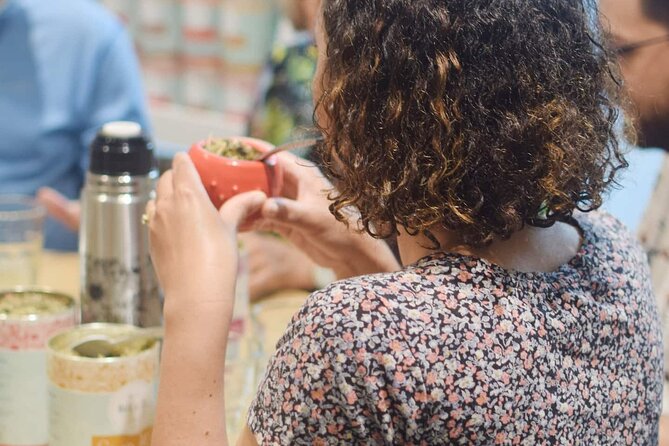
Buenos Aires runs on coffee, sure, but mate is the other everyday constant. This workshop is a practical way to understand why people take it so seriously. In about 1 hour 30 minutes, you go from unsure first-timer to someone who can follow the steps and explain what you are doing.
The format matters. With a group capped at 14, you get enough time for questions without the lesson feeling like a lecture. And because the workshop ends back at the meeting point, you do not need to plan your day around a long detour.
For the price, what you get is strong value: you pay $29 per person, and in return you get education, tastings, Argentine sweets, and a participation diploma. That is a lot to squeeze into a short session, and it is exactly why it books out fairly steadily (about a week ahead, on average).
You can also read our reviews of more food & drink experiences in Buenos Aires

Meeting Tomi and getting into the ritual fast
The tour is hosted by Tomi, and you can tell from the way the class is described that he runs it like a real cebador, not a performer. The vibe is friendly and “cozy and homelike,” with an emphasis on making the whole group comfortable. If you are traveling with family or friends, it also sounds like he does a good job keeping different personalities engaged.
The language situation is also a plus. Many visitors note Tomi speaks English well, which makes this a smart choice if you do not have Spanish. Even if you do, you still benefit from hearing the steps and cultural explanations in a clear, guided way.
One smart part of the experience is that it is built around participation. You are not just sampling and moving on. You learn why the ritual exists and how the drink gets shared. That turns mate from a beverage into a small cultural skill you can take home.
What you learn about yerba mate: more than just a tea
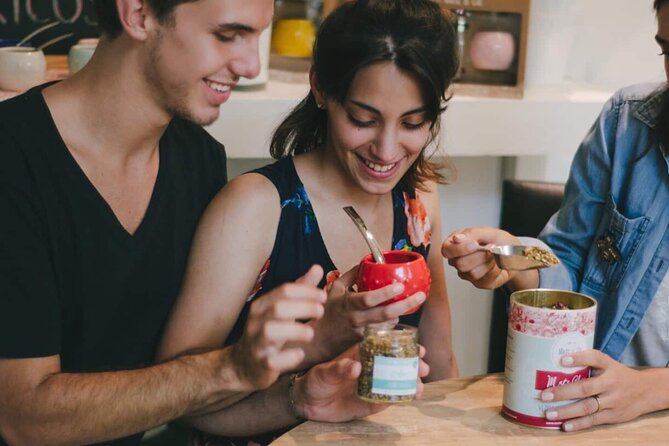
The workshop starts with the basics, but it goes beyond the usual “it is a green tea-like thing” summary. You cover yerba mate meaning, origin, and how it is produced. You also learn about properties and how people consume mate in Argentina, plus how that consumption shows up worldwide.
That matters if you want to buy a bag at the shop and not feel lost. Yerba mate brands can look similar at a glance, but the way you consume it depends on the type of yerba and the brewing method. Once you know the different consumption types and levels, you can better understand what you actually like and what you are tasting.
You also learn the “story behind the sip.” The lesson includes the ritual meaning of mate in Argentine culture, so you understand why it is offered, shared, and discussed. This is the part that often makes visitors feel like they got the culture, not just the drink.
Yerba types, curing, and the accessories you’ll actually need
A mate class that ignores tools is basically wasting your time. Here, you learn about the types of yerbas in the market and how they connect to flavor and strength. The workshop also covers accessories, straws, cups, and the curing process.
That last piece, curing, is a big deal. Different curing methods and processing steps can change taste and aroma, which is why one blend can feel smooth while another hits harder. When you understand curing at a basic level, tasting stops being random. You start to pick patterns and develop a preference instead of guessing.
You also get practical handling guidance. Knowing what the cup and straw setup is doing changes your first-at-home attempt. If you have tried mate before and still felt like your cup came out wrong, this kind of hands-on tool lesson is exactly what you are looking for.
The tasting: learn, sip, and find your favorite blend
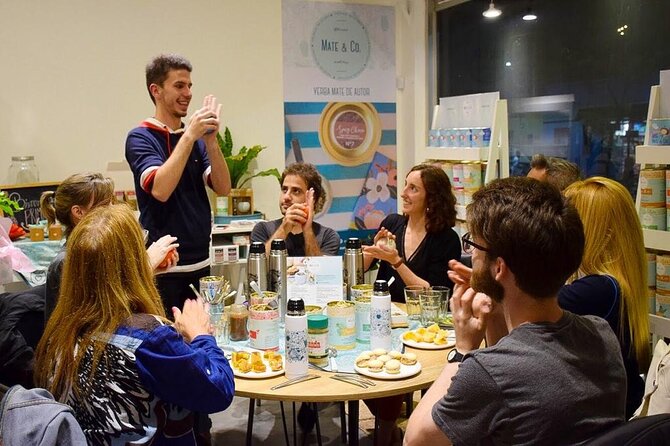
This is where most people decide if they actually love mate, not just tolerate it. You get to taste the blends included in the workshop, served alongside typical Argentine sweets. That pairing is useful because sweetness helps you identify differences in bitterness and intensity.
You typically taste multiple types, which is a major advantage over one-note tastings. In the feedback, many people say they tried three types or more and then felt confident picking a favorite. One visitor even said they liked the chai option over the others, which makes sense because flavored blends can feel friendlier for first-timers.
What I like about this tasting structure is that it teaches you to evaluate. You are learning how to prepare the perfect mate while you taste. So your brain links preparation steps to outcomes: stronger taste, smoother cup, different aroma, and how the blend behaves.
Also, the snacks help keep the class light. The session is described as casual and fun, and the sweets make it easier to focus on learning rather than just getting through something bitter.





How to prepare mate: the steps that turn you into the person who shares
The core skill in this workshop is how to prepare mate. The experience explains the ritual, then guides you through the process for making a cup that works.
You do not need to be a mate expert to start. The teaching is built for people who have never tried mate and also for people who have tried it and want to improve technique. Some visitors even mention they already had mate experience at home but still learned how to perfect their method.
The key takeaway is that mate preparation is not random. You learn what to do, and you learn why that step matters. Once you connect technique to taste, you stop thinking of mate as something that either tastes good or tastes bad. Instead, it becomes adjustable. Your cup becomes your choice.
The Argentine culture piece: why sharing matters
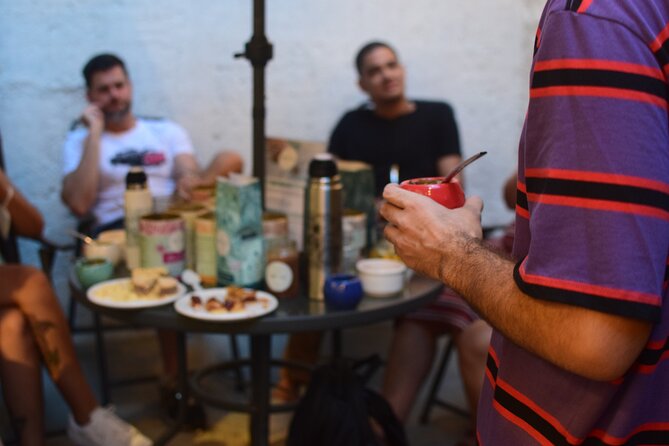
By the end, the workshop ties everything together: what mate means and why it is so social in Argentina. You learn about the ritual meaning of mate in Argentine culture, including how the drink fits into everyday life and relationships.
This cultural framing is often what people remember. If you only tasted yerba and walked away, you might buy a bag later with no context. Here, you leave with a story and a skill: how to prepare mate, how to talk about what you are drinking, and how the ritual functions when people share it.
One of the best comments in the feedback calls it a perfect introduction for locals and tourists who want more than a superficial taste. That is exactly what this does. It respects mate as a real part of daily life, not a novelty for visitors.
Diploma moment and why the shop discounts can be useful
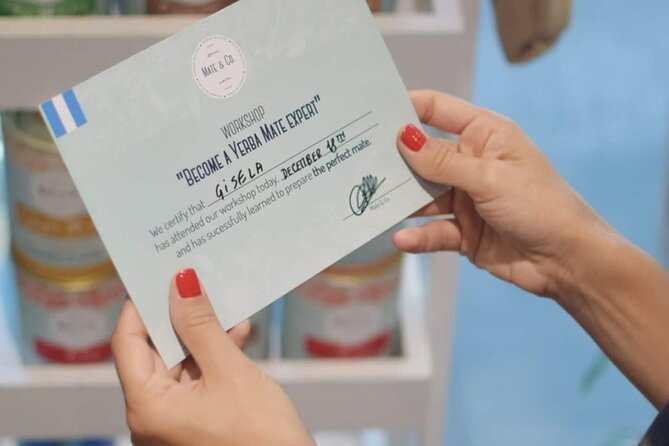
At closure, you receive a diploma certifying your participation. It sounds small, but it adds a sense of completion. It is one of those travel perks that makes the experience feel like a real lesson rather than a quick sampling stop.
You also get closure plus discounts in the shop. That is practical. If you tasted blends and found a favorite, discounts help you act right away instead of forgetting what you liked by the time you get back to your neighborhood.
Bring your curiosity into the tasting, then let the purchase happen if it feels right. In my opinion, the diploma plus discounts is a smart combo because it nudges you to turn knowledge into a souvenir that you can actually use.
Price and value: $29 for skill, tasting, sweets, and a certificate
Let’s talk value without hand-waving. At $29 per person for about 1 hour 30 minutes, you are paying for more than tea. You are paying for guided instruction on origin and production, practical brewing steps, tasting of multiple blends, Argentine sweets, and a participation diploma. On top of that, there are shop discounts at the end.
For Buenos Aires, this is the kind of activity that can fit any plan. It is short enough to add to a busy day, but it is also structured enough to feel worthwhile even if you only have a limited schedule.
The small-group size (max 14) also supports the value. When you have fewer people, the experience is less about rushing everyone through and more about answering questions. That matters if you are trying to learn a technique rather than just enjoy a drink.
Who this workshop is for (and who might skip it)
This is a great choice if:
- You are a first-timer and want a friendly intro to Argentine culture through mate.
- You have tried mate before and want to improve your technique.
- You like hands-on activities where you can taste multiple blends and learn why they differ.
- You want a short class that still feels meaningful.
It might be less ideal if:
- You want a long, slow food tour with lots of walking and scenery. This is a workshop format.
- You prefer a very minimalist tasting with no “history and ritual” context. This class includes that cultural side.
If you travel with family, this also seems to work well. Some notes mention Tomi’s English and the chance for families to learn about heritage together.
Should you book this Buenos Aires mate workshop?
My take: yes, you should book it if you want a genuine, usable Buenos Aires experience. It is not only about drinking something green and smoky. You learn origins, preparation, accessories, and the cultural ritual, then you taste multiple blends with sweets so you can actually decide what you like.
Skip it only if you are not interested in learning technique and culture, and you just want a casual drink. If you want the skill and the context, this one hits the sweet spot for time and price.
FAQ
How long is the Small Group Tasting to Become a Mate Expert?
It runs for approximately 1 hour 30 minutes.
How much does the workshop cost?
The price is $29.00 per person.
How big is the group?
The workshop has a maximum of 14 travelers.
Where does it start in Buenos Aires?
It starts at Tte. Benjamín Matienzo 1559, C1426 C1426DAA, Cdad. Autónoma de Buenos Aires, Argentina, and ends back at the meeting point.
What do I actually learn during the workshop?
You learn about yerba mate meaning, origin, production process, properties, and consumption types. You also cover different yerba types, accessories (including straws and cups), the curing process, and how to prepare mate properly, plus the ritual meaning in Argentine culture.
Do I get to taste different mate blends?
Yes. You taste the workshop blends served with typical Argentine sweets.
Is there a certificate or diploma at the end?
Yes. You receive a diploma certifying your participation.
Can I cancel for a full refund?
Yes. You can cancel up to 24 hours in advance for a full refund.