REVIEW · BUENOS AIRES
Buenos Aires: Football Match Experience with a Local
Book on GetYourGuide →Operated by BA football experience · Bookable on GetYourGuide
Football here hits different. You get a front-row feel for Argentine matchday culture with a local guide (often David) and a small group, plus a simple, real-world way to get to the stadium like fans do. I especially like the pre-match context—teams, supporters, and a few chants—because it turns the game from background noise into something you can follow.
One thing to think about: this is not a comfortable, seated European-style stadium experience. The terraces are standing, and there are no seats to relax into, so wear shoes you can move in.
In This Review
- Key Takeaways Before You Go
- Meeting Your Guide and Getting Matchday Context
- Riding the City With Fans: The Public Transport Portion
- The Stadium Reality Check: Standing Terraces and No Seats
- Choosing the Right Moment: What the 4-Hour Plan Feels Like
- Learning Chants and Reading the Match Like a Fan
- Which Stadium You Might Visit (And Why It Matters)
- Food and the Matchday Basics: Choripán and One Drink
- The Dates to Know (March Match Schedule)
- Practical Tips: What to Bring and How to Prepare
- Who This Tour Fits Best
- Is $90 Good Value for Buenos Aires Football?
- Should You Book This Football Match Experience?
- FAQ
- FAQ
- How long is the Buenos Aires football match experience?
- What is included in the price?
- Do I need a hotel pickup?
- Where does the tour start and how do you get to the stadium?
- Which stadiums might be used for the match?
- Will I be standing during the match?
- What should I bring with me?
Key Takeaways Before You Go
- Small group, big atmosphere: limited to 8 participants, so the guide can keep things organized even when the crowd is loud.
- Go with local fans by public transport: the ride is part of the story, not just a transfer.
- You’ll learn chants and why they matter: you’re not just watching; you’re joining in.
- Standing terraces, no seats: you’ll spend the game upright, so plan for that physically.
- Food is simple and Argentine: choripan plus one drink keeps you fueled without turning the evening into a long meal.
- Expect schedule changes: match dates and kickoff times can shift, and you’ll be offered a way to adjust if needed.
Meeting Your Guide and Getting Matchday Context
The tour starts with you meeting your local partner at a city location that depends on which stadium you’re going to. You’ll get the exact details close to the day, and the group heads out together—no wandering around the city alone with your nerves doing the math.
Once you meet, your guide lays down the basics: what’s going on in the game and what you should pay attention to once the teams take the field. This matters more than you’d think. Football in Argentina isn’t just sport. It’s identity—who you support, how you show up, and how the crowd responds when momentum swings. With even a small amount of context, you start noticing chants for a reason, not just a rhythm.
I also found the guide experience to be a standout. In the kind of match where the city’s energy can feel chaotic, David’s communication style comes through—clear instructions, good English, and a calm, helpful vibe. The goal is that you feel set before you even reach the stadium gates.
And yes, there’s safety information, because the stadium setup is different from what many people expect. This tour is designed for an ordinary match day, not a staged tourist event.
You can also read our reviews of more tours and experiences in Buenos Aires.

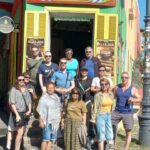
Riding the City With Fans: The Public Transport Portion
Here’s the part that makes this feel like a local experience rather than a sightseeing detour: you travel to the match using public transport and you do it alongside other fans.
That ride gives you a quick education in how Buenos Aires moves on match days. You’ll hear more than you’ll see, and you’ll pick up the sense that this is a routine for people who live there—not a special event reserved for tourists. The local guide helps keep you oriented, so you’re not stuck translating every sign while your group is already moving.
It also affects the feel of the whole evening. If you arrive right before kickoff in a private vehicle, the stadium moment can feel sudden. If you’re traveling with supporters, the energy builds in layers: people talking about the teams, the chant rhythm, the little looks that say you’re in the right place.
Because this is a small group (up to 8), you won’t get lost in a sea of strangers. You’ll have the guide and the group flow working together.
The Stadium Reality Check: Standing Terraces and No Seats
Argentina’s stadium experience isn’t set up for comfort. The terraces you’ll stand on have no seats, so your whole plan has to match that.
When you’re watching on standing terraces:
- you’ll want comfortable shoes with solid grip
- you’ll plan on being on your feet for the match
- you’ll expect crowds to shift around you
If you’re used to seated stadiums in Europe or North America, this might be the biggest adjustment. The payoff is that the crowd energy stays physical. You feel it in motion. When the chant starts, it spreads fast.
One more detail worth knowing: smoking is allowed in the stadiums. That doesn’t mean it’s every minute for every person, but it is allowed, so if you’re sensitive to smoke, you’ll want to be mindful of your position and timing.
None of this is meant to scare you. It’s just honest prep. You’ll enjoy the experience more when you walk in knowing it’s a stand-and-signal kind of night.
Choosing the Right Moment: What the 4-Hour Plan Feels Like
The experience is about 4 hours, from the meeting point to the return back there. That time frame is exactly what makes it practical. You don’t need to block your entire evening, and you’re not stuck in a long tour that stretches every hour into boredom.
A tight window also keeps the focus where it should be:
1) meet and get oriented
2) head to the stadium with fans
3) settle in, learn a few chants
4) watch the match
5) head back
You’re doing an ordinary event for locals, which is the whole point. A short, focused plan helps you experience the game without turning it into a formal production.
Learning Chants and Reading the Match Like a Fan
A big part of the value here is that you don’t arrive as a blank slate. With your guide, you’ll learn a few supporter chants before the match gets underway (or at least in the lead-up while you’re getting settled). That changes your role instantly.
Instead of standing there thinking, I hope something exciting happens, you start recognizing patterns:
- when the crowd gets louder
- what chant rhythms usually mean (excitement, frustration, momentum)
- how supporters react as the game shifts
It also helps you feel less like a spectator and more like part of the noise. In Argentina, the crowd isn’t just decoration. It’s an engine for the match experience.
This is one of those activities where participation really matters. The guide can’t force you to sing or shout, but the tour is clearly built for people who want to join in. If you’re shy, you might still enjoy it. If you’re willing to participate even a little, the experience clicks.



Which Stadium You Might Visit (And Why It Matters)
Depending on the match schedule, you might watch in stadiums like:
- Vélez Sarsfield
- Argentinos Juniors
- Banfield
- Lanús
- Tigre
- Huracán
- and more, based on what’s playing
Each stadium comes with a different neighborhood feel, and your guide will explain the stadium’s setting, plus a bit of its background and the local supporters who pack in to back their club.
Why this matters: if you only pick a famous stadium name, you can miss the local texture. Stadiums in Buenos Aires often connect to specific parts of the city and specific fan cultures. When you understand that, you start seeing the match as a community event, not just a sports contest.
The guide also helps you pick the best viewing area. You’ll watch from a chosen stand or terrace based on where the most enthusiastic fans are located. That’s a practical decision for your experience, not a random choice.
Food and the Matchday Basics: Choripán and One Drink
Included with the tour is a choripán sandwich and one drink. This is the kind of meal that fits matchday life—simple, quick, and very Argentine.
You shouldn’t think of it as a fancy add-on. It’s there so you’re not trying to hunt down food while your group is moving, and it helps you stay energized through the full 4-hour rhythm.
If you have a sensitive stomach, you’ll still want to eat something you can handle. But overall, this part adds comfort without pulling you away from the real reason you came: the match atmosphere.
The Dates to Know (March Match Schedule)
Two specific fixtures are listed for these dates:
- March 7: Banfield vs Huracán at 6:00 PM
- March 8: San Lorenzo vs Lanús at 5:35 PM
Because games can change dates or kickoff times, you should be ready for schedule adjustments. The tour is designed to keep you informed and give you options if you can’t make the new timing.
If you’re planning around a tight itinerary, check availability for your exact travel dates so you’re not surprised by a move.
Practical Tips: What to Bring and How to Prepare
Do yourself a favor and pack for a stand-up football night.
Bring:
- Passport or ID card (keep it on you)
- Comfortable shoes
- Comfortable clothes (you’ll stand and move)
- A charged smartphone
Don’t bring:
- Luggage or large bags
Also consider the vibe. You’ll be in a busy stadium environment where people are focused on their team. Being prepared helps your brain relax, which helps you enjoy the chanting and crowd energy.
And if you’re traveling at night, plan on using the public transport plan as the base. Don’t assume you can easily improvise from scratch once you’re out with the group.
Who This Tour Fits Best
This is a strong match for you if you want:
- a local-guided view of a live Buenos Aires football match
- a structured way to learn chants and supporter context
- a small group experience that doesn’t feel touristy
It’s also a good fit if you like practical authenticity—seeing how fans travel, not just seeing stadium photos.
Who might want to reconsider:
- If you can’t do standing for a match duration (terraces have no seats)
- If you need step-free or wheelchair access (the tour isn’t suitable for wheelchair users)
- If you have epilepsy or are pregnant (not suitable, per the tour guidance)
If any of these apply, it’s worth choosing a different kind of match-day experience.
Is $90 Good Value for Buenos Aires Football?
For $90 per person, you’re getting far more than a ticket.
The price includes:
- the match admission ticket
- public transport to and from the stadium with the group
- a choripán sandwich and one drink
- a live guide (Spanish and English)
You’re also paying for the big invisible value: someone handles the coordination and helps you understand what you’re seeing. That matters a lot when you’re dealing with a standing-terrace stadium, local supporter culture, and public transport timing.
If you were to try to copy this on your own, you’d spend time figuring out the match logistics, figuring out stadium entry, and trying to build context without a guide. You’d probably spend money too. This tour bundles the whole thing into a clear 4-hour block with a small group.
So for the person who wants real matchday participation—chants, crowd energy, local travel—it’s a fair deal.
Should You Book This Football Match Experience?
I’d book it if your goal is to feel what Argentine football feels like on the ground. This isn’t a museum-style stadium tour. It’s matchday rhythm: public transport with supporters, a guide who keeps you oriented, and a chance to join chants so the game makes sense.
Book it with confidence if you’re comfortable standing in a terrace and you want a local-first experience rather than a polished tourist script.
Skip it (or look for a different format) if you need seated viewing, have accessibility limitations, or don’t want to be in a crowd where smoking is allowed and the atmosphere is loud by design.
If you’re ready for that trade—comfort for authenticity—this is the kind of Buenos Aires evening that sticks with you.
FAQ
FAQ
How long is the Buenos Aires football match experience?
It lasts about 4 hours, from the meeting point to returning to the same meeting location.
What is included in the price?
The ticket to the match, public transportation to and from the stadium, an Argentinian choripan sandwich, and one drink are included.
Do I need a hotel pickup?
No. Hotel pickup and drop-off are not included.
Where does the tour start and how do you get to the stadium?
You meet at a location that depends on the stadium for that match. The group then travels to the stadium using public transport.
Which stadiums might be used for the match?
Depending on the schedule, you might visit stadiums such as Vélez Sarsfield, Argentinos Juniors, Banfield, Lanús, Tigre, Huracán, and others.
Will I be standing during the match?
Yes. The stadium terraces have no seats, and you watch the game standing.
What should I bring with me?
Bring a passport or ID card, comfortable shoes and clothes, and a charged smartphone.