REVIEW · BUENOS AIRES
Buenos Aires: Visit to the Diego Armando Maradona Stadium
Book on GetYourGuide →Operated by Malambo Tours BA · Bookable on GetYourGuide
Maradona’s debut is waiting for you. This tour takes you into the Temple of Soccer inside Estadio Diego Armando Maradona in La Paternal, where football history is told in plain human terms, not sports-buzzwords. You’ll connect the Argentinos Juniors youth story to Maradona’s early rise and see how the club’s identity is kept alive in a museum built by fans.
I really like two things here. First, the hotel pickup makes the trip easy, especially if you don’t want to figure out local transport just to get to La Paternal. Second, the tour doesn’t stay in a classroom. You get guided access to match-day spaces like the playing field, changing rooms, the central hall, and the press area, plus time in the museum itself. Guides such as Agustin, Fernando, Carmela, and Claudia are known for bringing that club excitement in an easy-to-follow way, not a lecture.
One thing to consider: the total time is 150 minutes, so if you’re the kind of fan who wants to linger for hours, you may want to plan extra museum time on your own later. Also, food and drinks aren’t included, so bring a water habit if you tend to get hungry mid-tour.
In This Review
- Key points worth knowing before you go
- Why the Temple of Soccer in La Paternal feels different
- Hotel pickup plus a small group: the practical win
- The stadium tour: where the game’s pressure lives
- Playing field access
- Changing rooms and central hall
- Press room
- Stands
- El Templo del Fútbol Museum: fan work, real artifacts
- Argentinos Juniors’ player machine: why this club matters
- Maradona Sanctuary: ending on a quieter note
- Price and logistics: is $80 worth it?
- Who this tour suits best (and who should think twice)
- Should you book the Malambo Tours BA Maradona Stadium experience?
- FAQ
- How long is the tour?
- Where does the tour start and end?
- What do I see during the visit?
- Is there a museum ticket included?
- What language is the guide?
- How big is the group?
- Are food and drinks included?
- Is the tour refundable if my plans change?
Key points worth knowing before you go
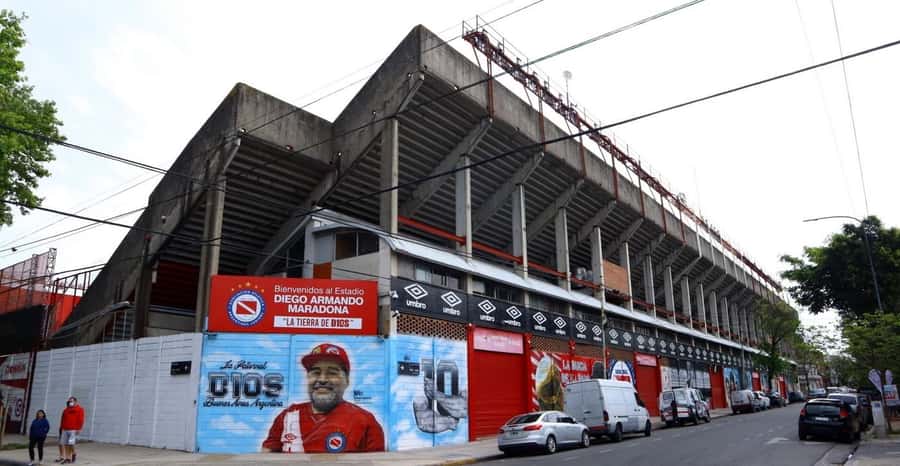
- Fan-built museum: El Templo del Fútbol was created entirely through voluntary work by fans and club members.
- Inside the stadium, not just outside: playing field, changing rooms, central hall, press room, and stands are part of the guided experience.
- Maradona and Argentinos Juniors in one storyline: the tour links a teenage debut with later national-team milestones.
- Small group size (max 10): this keeps questions and conversation possible.
- Finish at the Maradona Sanctuary: a calm, respectful ending that changes the mood from stadium hype to reflection.
Why the Temple of Soccer in La Paternal feels different
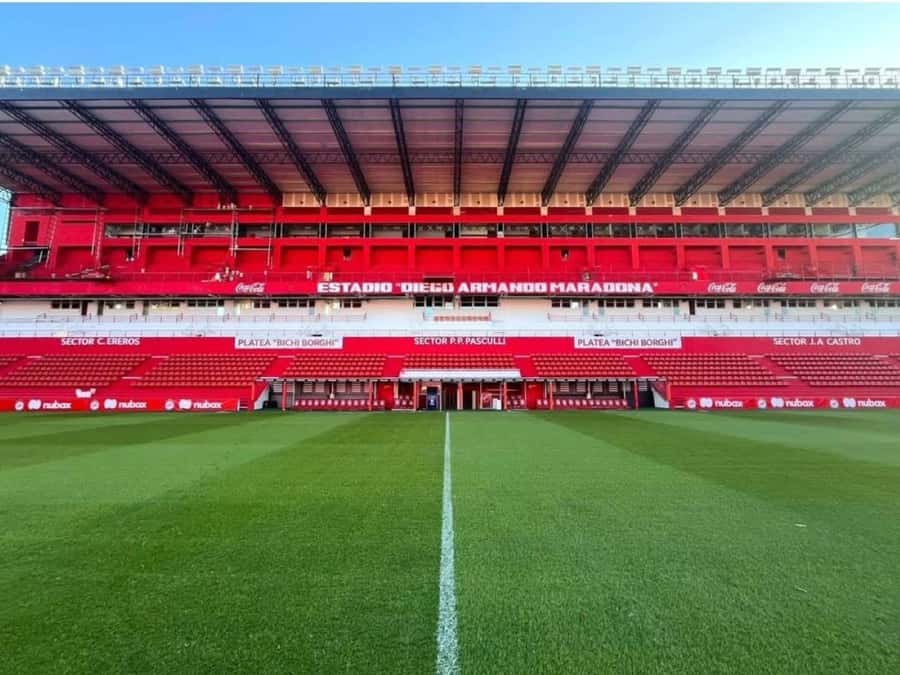
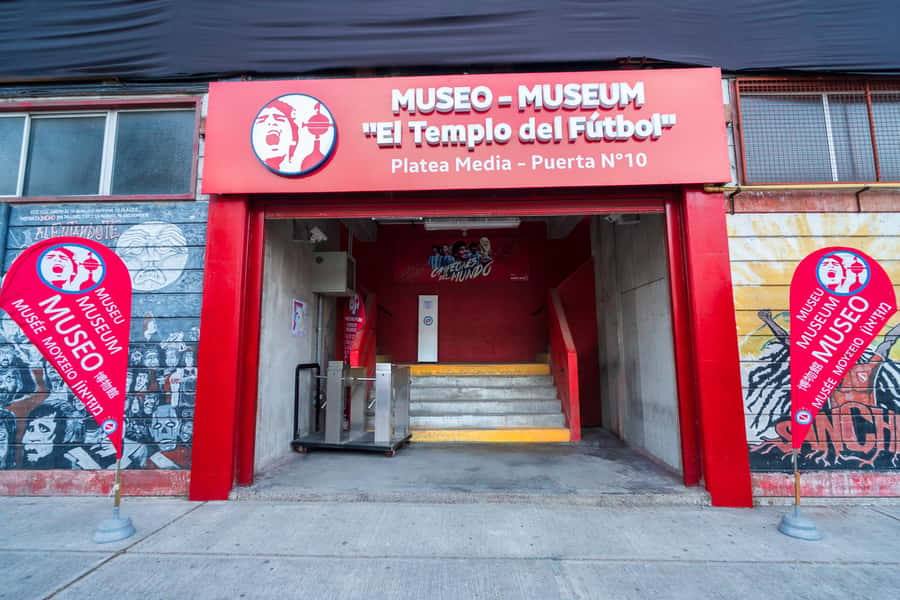
Buenos Aires has stadium tours. Some feel like a shopping mall version of football: photos, quick facts, out the door. This one has a different pulse. The experience is built around the museum inside the Diego Armando Maradona Stadium, called El Templo del Fútbol, and the key detail is who made it.
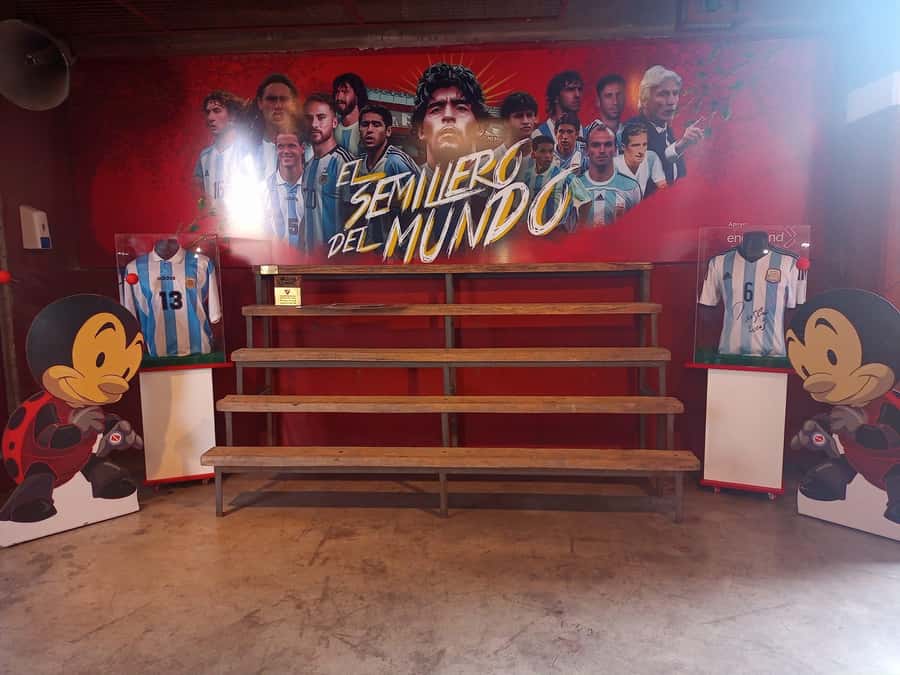
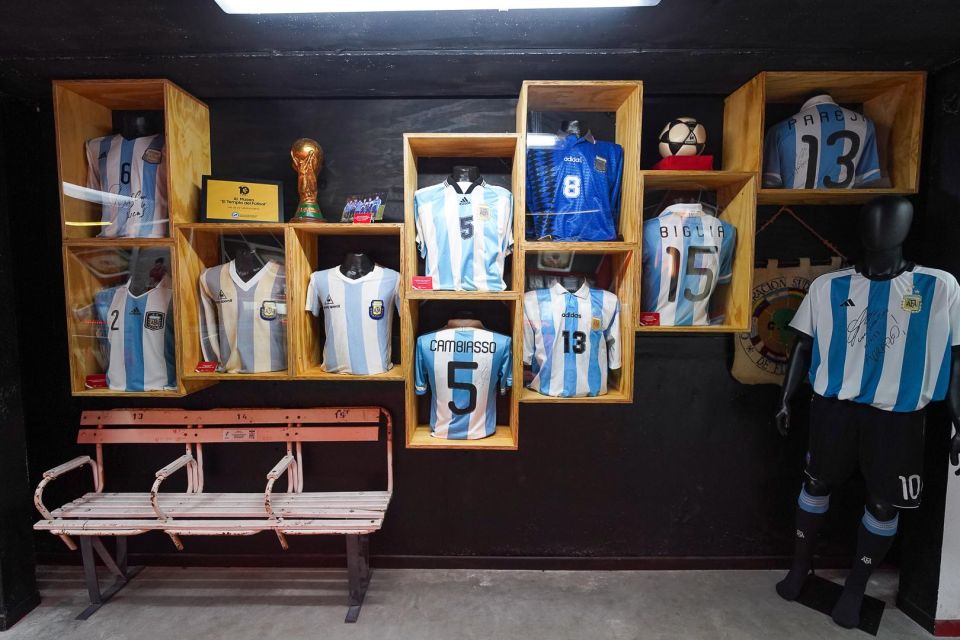
It wasn’t commissioned by a corporate team. It was made by fans and members of Argentinos Juniors, using voluntary work. That matters because you can feel the point of view. Instead of a polished exhibit that tries to cover everything, you get a collection of personal attachments: photos, cards, trophies, shirts from different campaigns, and items donated by supporters. It’s the kind of place where you understand how a club becomes a community, not just a brand.
The museum also uses a very specific Maradona thread. You’re guided through the idea that at age 15, Maradona debuted with Argentinos Juniors (the jersey that launched so much of the legend). Later, the story follows him to his first time in the Argentine National Team shirt and to his first goals with the Albiceleste. You’ll also hear how the club’s player production is remembered, including a reference point to Lionel Messi, who is tied in through the club’s wider reputation.
If you care about football as a cultural thing—how kids turn into icons—this tour will click fast.
You can also read our reviews of more tours and experiences in Buenos Aires.

Hotel pickup plus a small group: the practical win
The tour runs about 150 minutes, which is a sweet spot: long enough to feel like you did something real, short enough that you can still enjoy the rest of your day in Buenos Aires.
The other practical win is the hotel pickup and drop-off in Buenos Aires City. When a stadium tour starts with you leaving your hotel door, you’re more likely to show up calm, on time, and ready to focus. No hunting for meeting points. No last-minute stress.
And you’re not shoved into a crowd. The group is limited to 10 participants, so the guide can actually answer questions, and the pacing stays human. In past experiences with this operator, guides and drivers like Fernando, Carmela, Agustin, Raul, and Claudia have been praised for being communicative—some with pre-arrival messages and helpful support—and for keeping things moving smoothly. You might even be handed a basic comfort like water en route, depending on the day and vehicle.
The stadium tour: where the game’s pressure lives
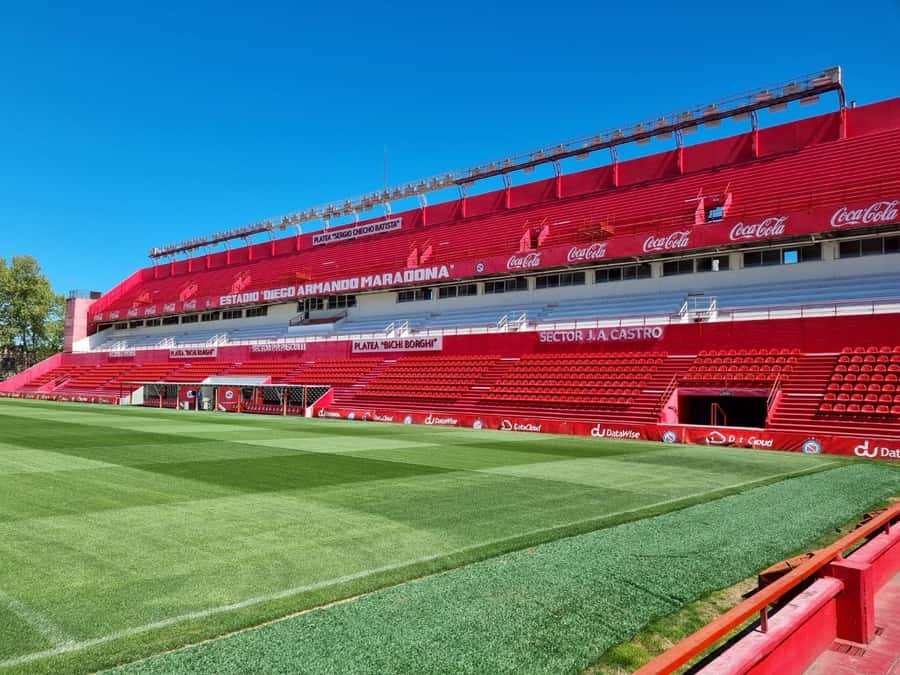
After pickup, you’re taken to Estadio Diego Armando Maradona for a guided visit through the stadium areas that most visitors don’t normally see.
Here’s what makes this part valuable: stadium tours often stop at the seating bowl and call it a day. This one takes you into the places where football is both practical and emotional.
Playing field access
Walking toward the pitch changes how you understand everything. You get scale: how tight the lines feel from ground level, how the stadium geometry funnels attention. Even if you’re not a hardcore tactical person, you’ll notice how the stadium creates a stage for noise, timing, and belief.
Changing rooms and central hall
The changing rooms are where the myth meets routine. You’ll see the spaces that hold pre-match focus, team rituals, and that quick shift from everyday life into performance mode. The central hall gives you a different angle—more social and directional—so you can picture player movement from moment to moment.



Press room
The press room is a reality-check space. It’s where the story gets packaged for the rest of the world. In a football culture as intense as Argentina’s, the press area isn’t just offices and desks. It’s where the club narrative turns into headlines.
Stands
Then you’re shown the stands, the part most people imagine first. From there, the guide can connect what you’re seeing to what the club means to its supporters—especially because Argentinos Juniors is famous for producing talent from its lower divisions. The stands help you understand why a youth system can matter so much. It’s not only about winning matches; it’s about identity, dreams, and continuity.
You should wear comfortable shoes. This is stadium walking, not museum-strolling.
El Templo del Fútbol Museum: fan work, real artifacts
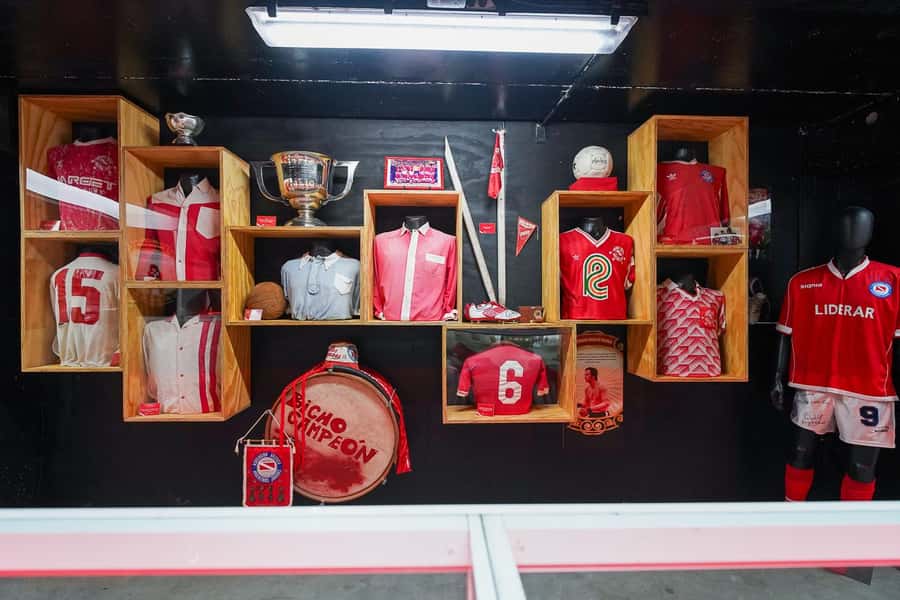
The museum is the heart of this experience, and it works because it leans on authenticity.
The standout detail is that the museum was made entirely by fans and club members through voluntary work. That creates two effects that you’ll feel right away:
- The exhibits often reflect personal devotion rather than a strict corporate timeline.
- The collection includes objects donated by supporters, so it reads like a community archive.
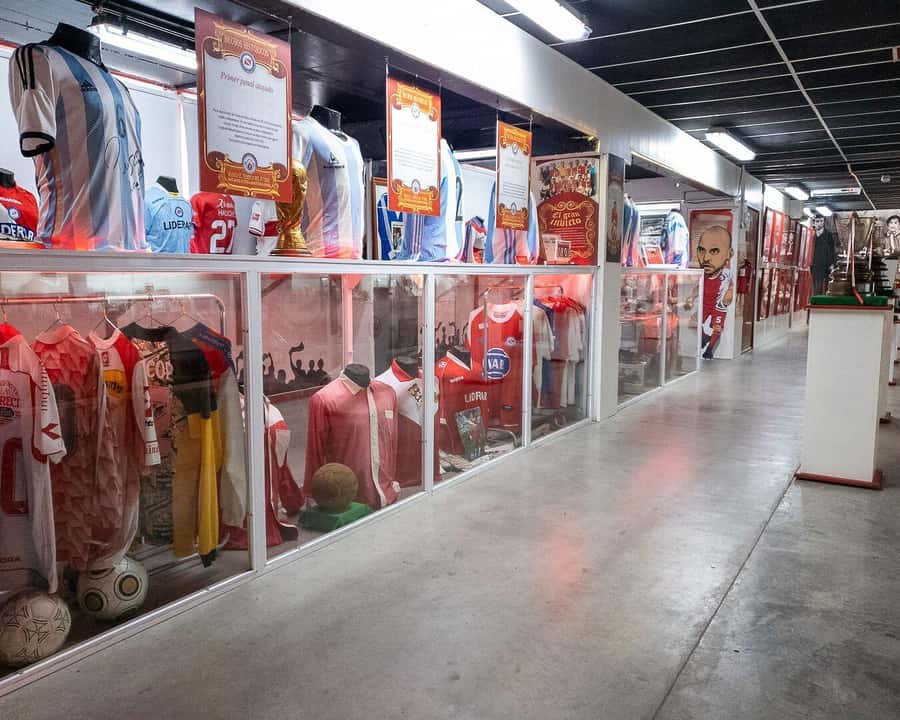
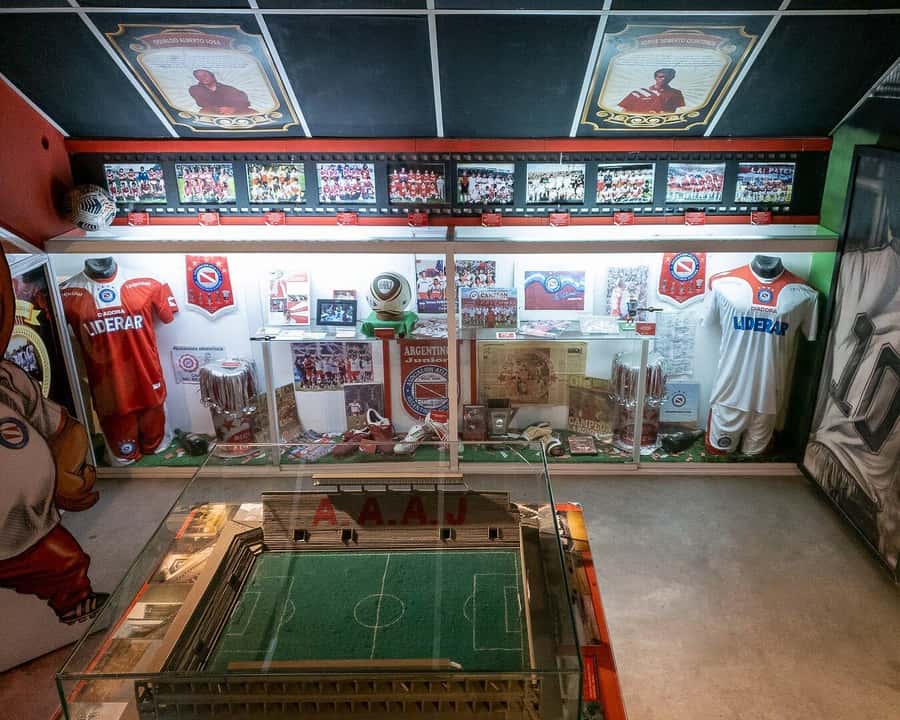
Inside, you’ll see photos and memorabilia connected to Argentinos Juniors campaigns, plus jerseys and other items that help you track how the club’s identity changes with each era. You’ll also find trophies and cards, the kind of materials that football fans recognize instantly because they remember the feeling of those seasons.
The Maradona connection is the thread that organizes a lot of the museum’s emotional weight. You’ll hear how his debut with Argentinos Juniors happened when he was only 15—and how that early chapter is treated like destiny by the club. The story doesn’t stop there either; it continues through his first time wearing the Argentine National Team shirt and his first goals with the Albiceleste.
One helpful tip: if you’re the type who likes to take photos, use your phone camera sparingly at first. Look closely at the physical items and how the guide narrates them. Then take a few photos of the items you want to remember later.
This museum isn’t about pretending it’s a sterile archive. It’s about showing you why the club keeps collecting memory in public.
Argentinos Juniors’ player machine: why this club matters
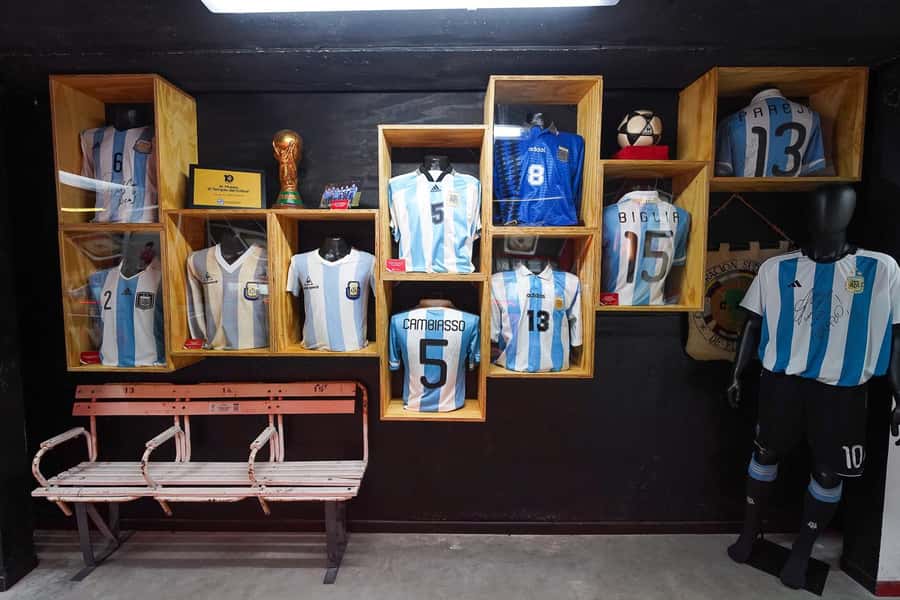
Argentinos Juniors gets recognition worldwide for one specific reason: the quantity and quality of players that come out of its lower divisions. During your tour, you’ll likely hear that reputation explained in a way that makes sense, not just a brag.
Here’s why you should care even if you’re not a die-hard supporter. A club that consistently produces talent changes the atmosphere around it. People don’t just watch matches; they watch youth prospects. Fans feel ownership in a way that’s harder to find in clubs built only on buying stars.
Maradona’s debut is treated as the proof-of-concept for that culture. The tour uses his story as a symbol of what happens when a club trusts young players and gives them a path. When the guide connects his 15-year-old start with later milestones in the Albiceleste story, the message becomes clear: the club wasn’t just a step on the way up. It was part of the making.
And because this is a stadium tour plus a museum tour, you experience that idea in two modes:
- Museum mode: the club identity through objects, photos, and personal memories.
- Stadium mode: the physical spaces where that talent became real.
You also get an extra layer of comparison if you know other Buenos Aires giants. You’ll be able to sense that Argentinos Juniors’ bragging rights feel different—less about spectacle and more about player development and tradition.
Maradona Sanctuary: ending on a quieter note
The last stop is a visit to the Maradona Sanctuary, and this is where the tour’s tone often shifts.
In the stadium areas, the mood is sports-focused: pitch, rooms, press, stands. At the sanctuary, it becomes more reflective. You’re moving from the building blocks of a football story (development, debut, competition spaces) toward a space that the club’s community treats with respect and feeling.
If you’re curious about why Maradona means so much in Argentina beyond match results, this ending helps. It gives you a place where devotion is visible and where you can absorb the emotional weight without needing a match-day scoreboard.
Price and logistics: is $80 worth it?
The price is listed at $80 per person, and the key question isn’t just the number—it’s what you get for it.
You’re paying for:
- Hotel pickup and drop-off
- Entrance to the museum El Templo del Fútbol
- A guided stadium and museum tour
- A bilingual guide (English and Spanish)
- A small group (max 10)
- Skip the ticket line
For many visitors, the pickup alone can justify the cost because it reduces both time and stress in a city that can be tricky to navigate when you’re crisscrossing neighborhoods. The time is also efficient: 150 minutes. You’re not paying for a half-day that turns into long transfers and long waits.
Where the value could feel lower is if you already know everything about Argentinos Juniors and Maradona and you don’t care about museum-style storytelling. If football museums are your thing, you’re in the right place. If you only want stadium views and photos, you might decide it’s more than you need.
Who this tour suits best (and who should think twice)
This tour is a strong fit if:
- You want a football experience with meaning, not just a checklist of stadium photos.
- You care about youth development and why Argentinos Juniors is famous for producing talent.
- You’re traveling in a small group or as a couple and want the guide to keep it conversational.
- You want both stadium access and a museum built by fans.
You might think twice if:
- You’re only casually interested in Maradona and prefer modern stadium sightseeing over historical storytelling.
- You dislike walking through multiple areas (pitch, rooms, halls, press area, stands).
- You’re expecting a long, slow museum day. The tour is 150 minutes total, so you’ll likely want to revisit on your own if you want extra time.
If you’re traveling with kids, the guide style can make a difference. In this program, guides have been praised for explaining the club story in a fun, clear way that keeps younger attention from drifting.
Should you book the Malambo Tours BA Maradona Stadium experience?
I’d book it if you want a football stop that feels personal—because the museum is fan-built, the stadium access is real, and the story connects Maradona, Argentinos Juniors, and the Argentine National Team into one path. At $80 for a bilingual, small-group guided visit with pickup, it’s a practical value play, not just a ticket.
If you’re on the fence, use this simple test: would you rather learn inside a stadium museum made by supporters, or would you rather just take photos from the outside? If you want the first one, this tour fits your day.
FAQ
How long is the tour?
It lasts about 150 minutes.
Where does the tour start and end?
You get hotel pickup in Buenos Aires City and return to Buenos Aires after the visit.
What do I see during the visit?
You tour the stadium areas and the museum inside the stadium, including the playing field, changing rooms, central hall, press room, and the stands. The experience also includes a visit to the Maradona Sanctuary.
Is there a museum ticket included?
Yes. Entrance to the Museum El Templo del Fútbol is included.
What language is the guide?
The guide is bilingual, with English and Spanish.
How big is the group?
The group is limited to 10 participants.
Are food and drinks included?
No. Food and drinks are not included.
Is the tour refundable if my plans change?
Free cancellation is available up to 24 hours in advance for a full refund.