REVIEW · BUENOS AIRES
From Buenos Aires: Magical and Mysterious Campanopolis Tour
Book on GetYourGuide →Operated by Grupo Summa · Bookable on GetYourGuide
A fake medieval village near Buenos Aires feels real. What I like most is the 40-building citadel of alleys, passages, and secret-feeling corners, and the recycled-material details pulled from Buenos Aires landmarks. The whole place runs on one man’s stubborn imagination: Don Antonio Campana turned scraps and memories into a walkable story.
One drawback to plan for: the guided portion inside the park runs only in Spanish and Portuguese, so English speakers may get a lighter overview and miss some of the fine-grain explanations. Add in some walking, and it’s also not the easiest outing for small kids who need constant attention.
In This Review
- Key things to know before you go
- From Teatro Colón to Campanópolis: the 75-minute ride
- Campanópolis in real life: a medieval-style citadel made of leftovers
- The founder behind it: Don Antonio Campana’s persistence
- Museums inside the village: wood, iron, and Caireles
- The guided tour language: how to plan if you don’t speak Spanish
- How the 6-hour day actually feels
- Price and value: what $52 covers, and what it doesn’t
- Packing tips: comfortable shoes and basic sustenance
- Who should book this tour, and who might skip
- Should you book Campanópolis near Buenos Aires?
Key things to know before you go
- Don Antonio Campana’s build-without-blueprints story makes the whole site feel personal, not staged.
- Reclaimed pieces from Buenos Aires show up in real objects, like iron columns and historic gates.
- Three focused museum stops (wood, iron, and Caireles) help you look past the fairytale vibe.
- You get time to wander and photograph before the guided tour portion starts.
- Pack for basics: there’s not much food on-site, so water and light snacks go a long way.
From Teatro Colón to Campanópolis: the 75-minute ride
Your day starts at Cerrito 628, right at Teatro Colón. This matters because there’s no hotel pickup. You simply meet at the sidewalk there, then you board the coach for the trip out to the park.
The bus time is about 75 minutes each way. That’s enough to decompress, and for many people it’s a good window to nap lightly before you arrive. If you’re the type who likes to keep a tight day schedule, know that your total tour time is 6 hours, even though the real magic only takes about 3 hours inside Campanópolis.
Timing depends on the day:
- Wednesdays, Thursdays, Fridays: meet at 11:30 AM
- Saturdays and Argentine public holidays: meet at 8:00 AM
There are also a couple special opening days (March 24 and April 7) when the park opens only in the morning, with departure set for 8:00 AM. If those dates matter to your trip, plan your day around that early start.
You can also read our reviews of more tours and experiences in Buenos Aires.

Campanópolis in real life: a medieval-style citadel made of leftovers
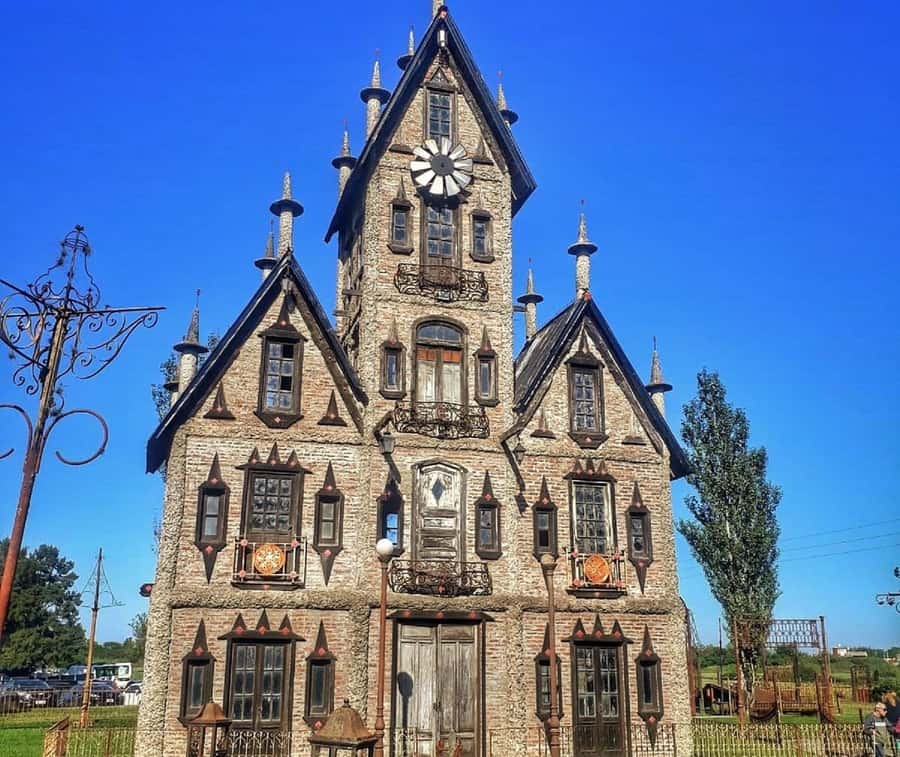
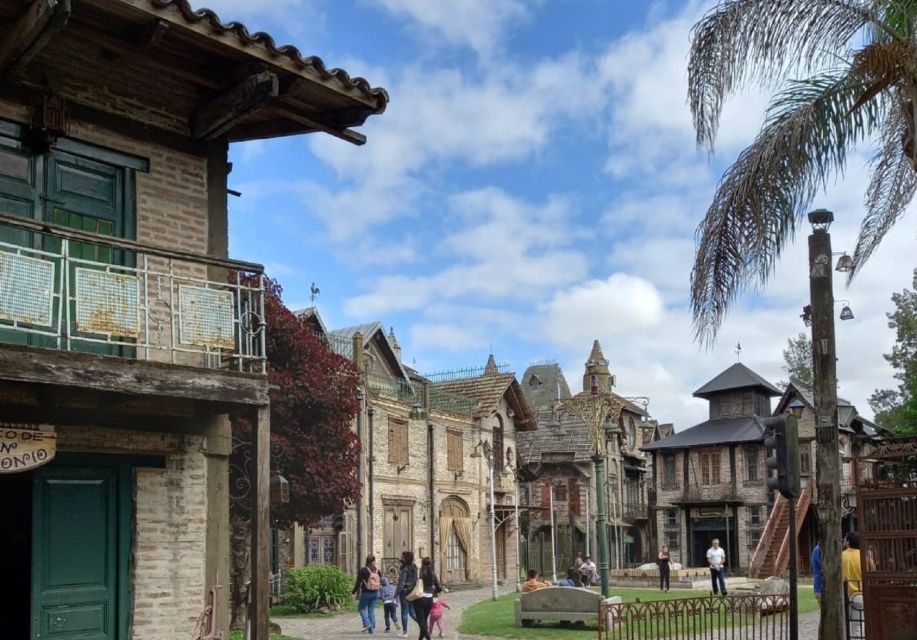
Campanópolis is a half-hour-ish jaunt from Buenos Aires in the marketing pitch, but in your real schedule you should expect just over an hour by bus. Either way, the payoff is a park that feels like someone built a medieval village right inside a nature reserve near the Ezeiza forests.
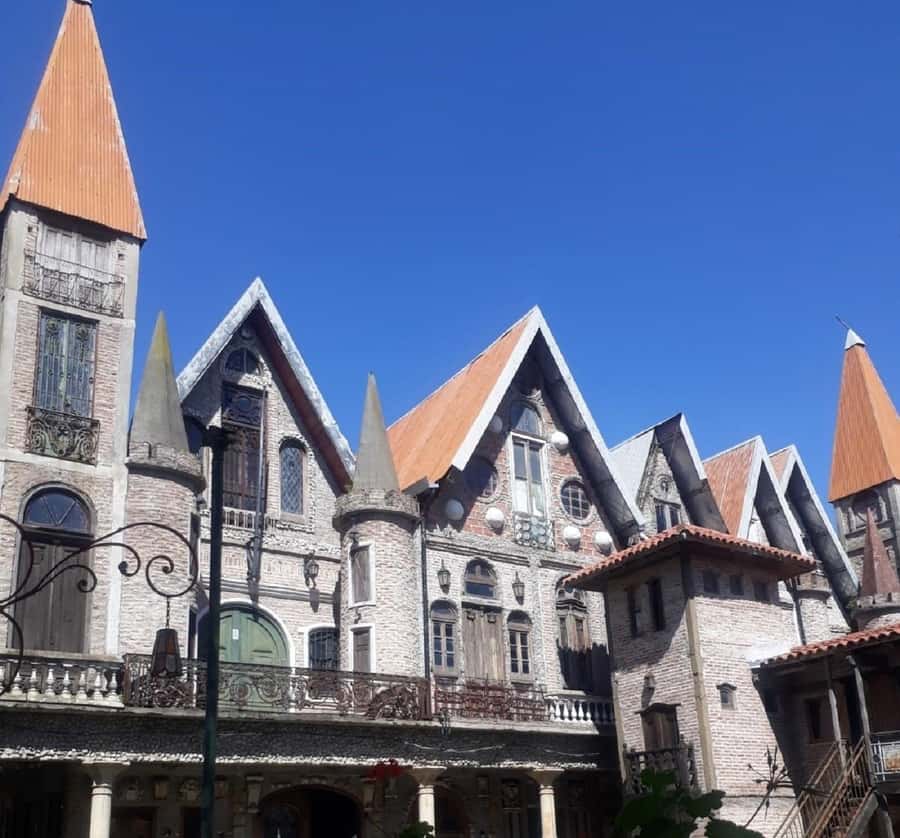
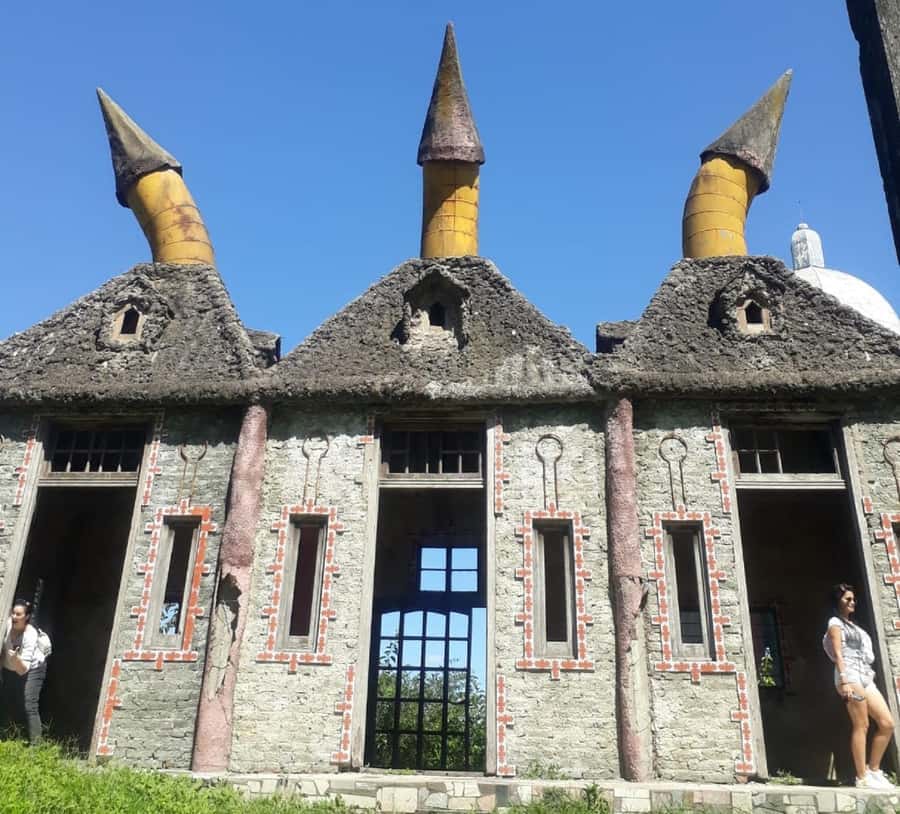
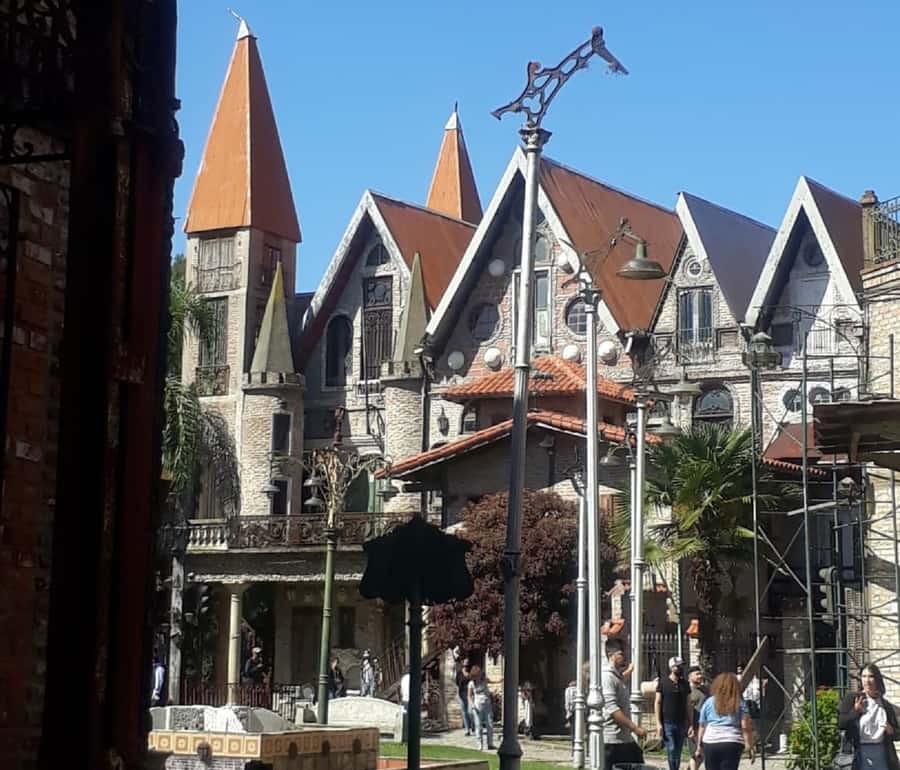
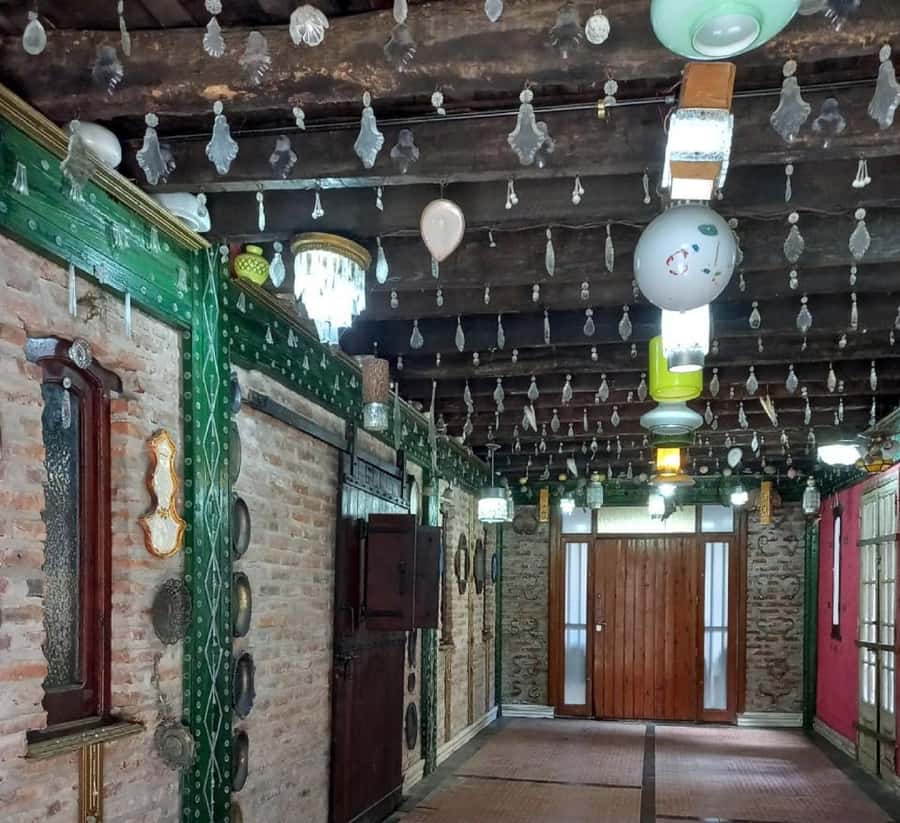
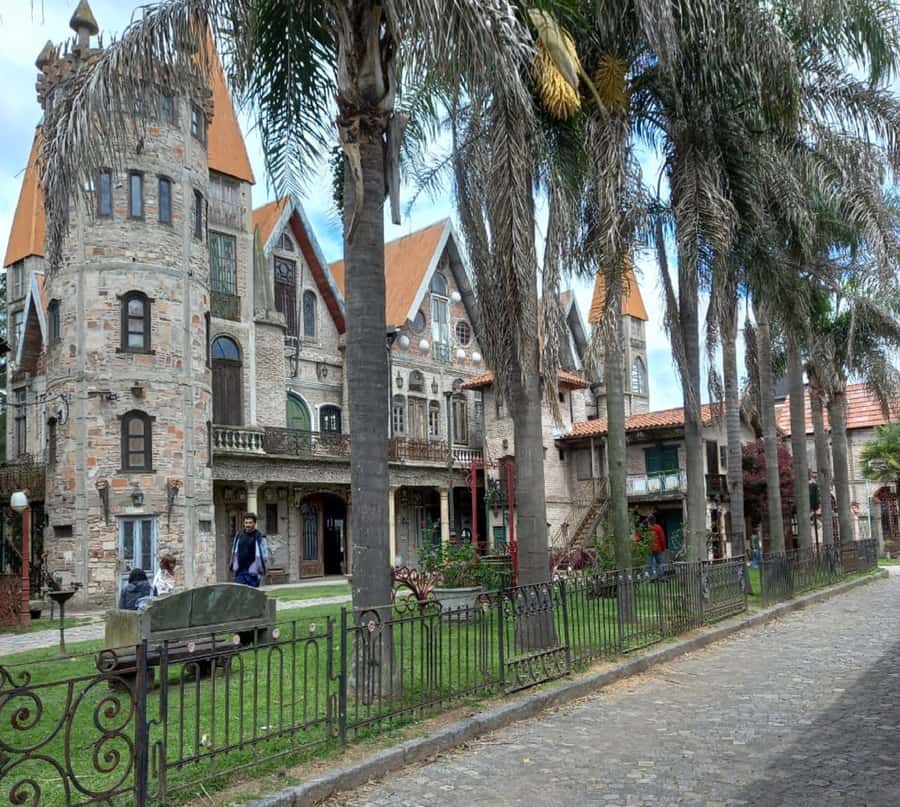
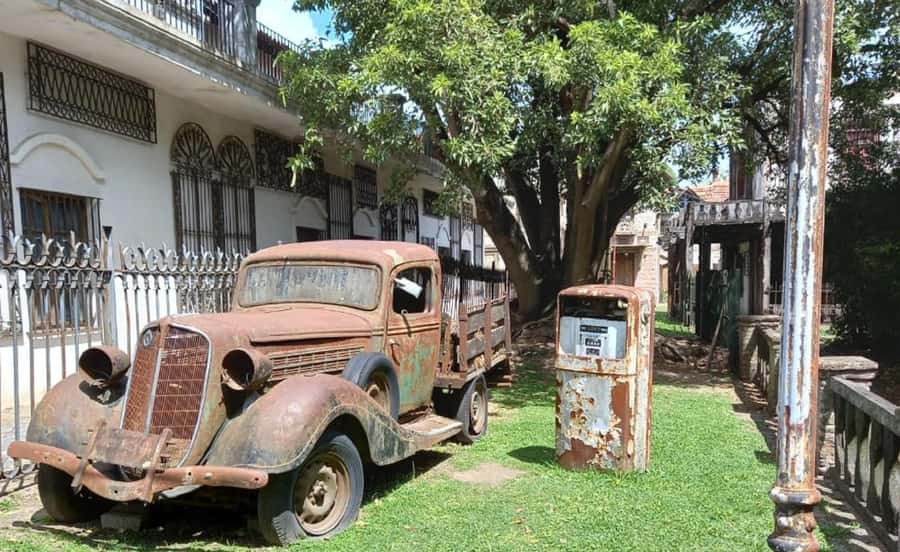
The core of it is a citadel of around 40 buildings, linked by alleys, passages, and “wait, what’s through there?” type spots. You’re not strolling through a theme park with identical façades. You’re wandering through a puzzle of structures, textures, and oddly placed objects that make you look twice.
What makes it memorable is the materials. This place is built from old and recycled items gathered from auctions and demolitions. And it’s not just vague reuse; you can spot references to Buenos Aires landmarks, including:
- old iron columns from Galerías Pacífico
- the old gates of the Palermo Hippodrome
- lights and clocks from Plaza de Mayo
That’s the reason it feels authentic. You’re not only seeing a fantasy village—you’re seeing the “real city” turned into something new. For me, that’s the cleverest part of the whole concept: it turns discarded urban history into something you can walk around and study with your own eyes.
The founder behind it: Don Antonio Campana’s persistence
The tour guide points you toward the human story behind the project. The site is strongly linked to Don Antonio Campana, the founder, and the standout idea is this: he materialized the fantasy without plans or architects.
You don’t need a background in engineering to get what that implies. It means the village grew through problem-solving, experimentation, and a lot of stubborn dedication. When you wander the alleys, you can sense that it wasn’t built to look perfect from a brochure. It was built because Campana wanted it to exist.
One useful context that shows up in the way the site is presented: the project is described as a kind of comfort during illness, an effort to find relief and preserve memories. That adds emotional weight to the objects. Suddenly, those reused bits aren’t just decor. They’re personal proof that the past can be saved, repaired, and repurposed.
Museums inside the village: wood, iron, and Caireles
Within your 3 hours on-site, you’ll do more than just wander the streets. You’ll visit museum spaces that fit the overall “recycled fairytale” theme, including:
- a Museum of Wood
- an Iron Museum
- the Caireles Museum
These aren’t massive, city-size museums. They’re built for the kind of curious, hands-on looking that a quirky village demands. And that’s why they work here. If you go in expecting a formal museum schedule, you might feel rushed. If you go in expecting odd collections and object-focused storytelling, you’ll get more from them.
There are also the village’s distinctive 12 stone houses, plus elements like slag and bricks that recall a Snow White-type visual language. It’s playful, but it’s also functional. The buildings help you understand the “materials-as-history” idea, where the objects aren’t hidden behind glass to be forgotten. They’re part of the walk.
Practical note: you’ll have guided time, but you’ll also want your own free wandering. I suggest you treat the museum visits as anchor points, then spend your independent time chasing the smaller details—signs, textures, odd corners—where the whole village starts to feel like a secret.
The guided tour language: how to plan if you don’t speak Spanish
Here’s the key logistics point: the guided tour inside the park is offered exclusively in Spanish and Portuguese.
What if you’re traveling in English? The guide can provide a general overview and highlight key points, but it’s not the same as getting a full in-depth tour in English. If you want the story to land with all the nuance—why specific pieces were chosen, what each museum room connects to—you’ll be happiest if you have at least basic Spanish or Portuguese.
You can still enjoy Campanópolis fully. Visuals do a lot of the work here. Just don’t expect every explanation to be translated word-for-word.
Also, keep in mind that the tour and the walking happen together. That’s a great combo for adults and patient photographers. It’s less friendly for small kids who need constant managing, which is exactly the kind of situation where attention gets split between listening and moving.



How the 6-hour day actually feels
The schedule is simple, and that simplicity helps. Your day looks like this in practice:
- Meet at Cerrito 628
- Ride the bus about 75 minutes
- Arrive at Campanópolis with time for photos and exploring
- Do the guided tour portion (language dependent as explained above)
- Enjoy free time to wander and take in the strange corners
- Ride back about 75 minutes to return near the start
Even with a big chunk of transit, the total time stays manageable. You’re not signing up for a full-day tour that eats your evening. You get a clear window: 3 hours inside the park is enough to see the museums, follow the guided thread, and still have time to wander.
If you’re coming from Buenos Aires for a same-day outing, this format is a solid fit. The park isn’t so far out that you need to treat it like a full travel day.
Price and value: what $52 covers, and what it doesn’t
At $52 per person, you’re paying for a very specific bundle:
- entry tickets to Campanópolis
- meeting point pickup and drop-off (at Cerrito 628)
- a guide
That’s important value. You’re not just paying for “getting in.” You’re paying for someone to connect the objects, explain the founder’s purpose, and point you toward the major highlights.
What’s not included:
- hotel pickup and drop-off
- food and drinks
So the real cost picture is $52 for admission and guiding, plus whatever you spend on a basic snack plan. Since food options on-site are limited, I strongly recommend bringing water and light snacks. Think protein bars and simple stuff you can eat without turning your day into a long stop.
If you add that small prep, the price starts to feel fair. You’re essentially buying a half-day coach trip plus guided access to a one-man-built, recycled-material environment that you can’t replicate on your own.
Packing tips: comfortable shoes and basic sustenance
Campanópolis is memorable, but it’s still a walk. You’ll be moving through alleys and across the village sections, then stepping into museum spaces. That’s why comfortable shoes make a real difference.
Also, bring your own basics:
- water
- light snacks or protein bars
- a way to recharge mentally for about 2.5 seconds whenever the bus ride starts
One thing to know: the site doesn’t feel like a place built around full meals. It’s more “explore and snack as needed.” Bring your own plan and you’ll keep your energy for photos.
If you’re photographing, give yourself permission to slow down. The most interesting shots usually come from noticing small objects that look random until the guide connects them—or until you spot the reused Buenos Aires landmark references with your own eyes.
Who should book this tour, and who might skip
This experience is best for people who like:
- quirky architecture and reclaimed materials
- museums that feel personal and object-driven
- photographers who enjoy texture, odd details, and story-like scenes
- visitors who want a different kind of Buenos Aires day trip
It may be less ideal for:
- families with young kids who struggle to stay engaged through a guide-led walk
- travelers who only speak English and strongly want deep, translated commentary throughout the park
- anyone with limited stamina, since the walking can add up over the 3-hour visit
That said, you still get value even if you’re not fluent. Campanópolis works visually. The question is how much of the “why” you want to absorb. If you’re content soaking in the scene, you’ll be happy. If you need the full explanation in your language, plan accordingly.
Should you book Campanópolis near Buenos Aires?
Book it if you want a morning-or-midday trip that feels like you stepped into a strange, handmade world—one built from real leftovers of Buenos Aires. The price is reasonable for the access and guiding, and the founder story gives the whole place meaning.
Skip it (or consider a different option) if you need fully translated, detailed English guiding inside the park, or if you’re traveling with kids who can’t handle a walk-and-listen rhythm.
My practical recommendation: if you’re going, go ready to wander. Wear good shoes, bring water and a snack, and treat the guide time as the thread that helps you read what you’re seeing. Then use the free time to chase the details that make Campanópolis feel magical in the quiet, non-scripted way.