REVIEW · BUENOS AIRES
Palermo: Graffiti and Street Art Guided Tour in English
Book on GetYourGuide →Operated by Buenos Aires Free Walks · Bookable on GetYourGuide
Street art in Palermo comes with receipts. This guided walk connects what you see on walls to Argentina’s political swings, from early propaganda to protest-era graffiti.
I especially like how the guide turns murals and tags into a clear timeline. I also like the built-in photo moments, including the Trump Wall stop at Madison Avenue Bar.
One heads-up: food and drinks aren’t included, so plan water and a snack if you’re out for a longer afternoon.
In This Review
- Key points worth your attention
- Palermo street art that feels like real-world history
- Finding the group at Plaza Serrano (Plaza Cortazar)
- The Palermo walk: what you’ll actually see on walls
- The Madison Avenue Bar stop and why the Trump Wall matters
- From the 1920s to election-era propaganda
- Why aerosol paint in 1969 changes everything
- Protest culture and the social conflict behind the walls
- Guides who keep the group moving and the talk clear
- Price and timing: why $13 for two hours can be good value
- What’s not included (and how to plan around it)
- Who should book this Palermo graffiti tour
- Should you book this Palermo graffiti and street art tour?
- FAQ
- How much does the tour cost?
- How long is the walk?
- Where do I meet the guide?
- Is the tour in English and wheelchair accessible?
- Is hotel pickup included?
- Is food or drink included?
- Does the tour run in the rain?
- Can I cancel for a refund and pay later?
Key points worth your attention
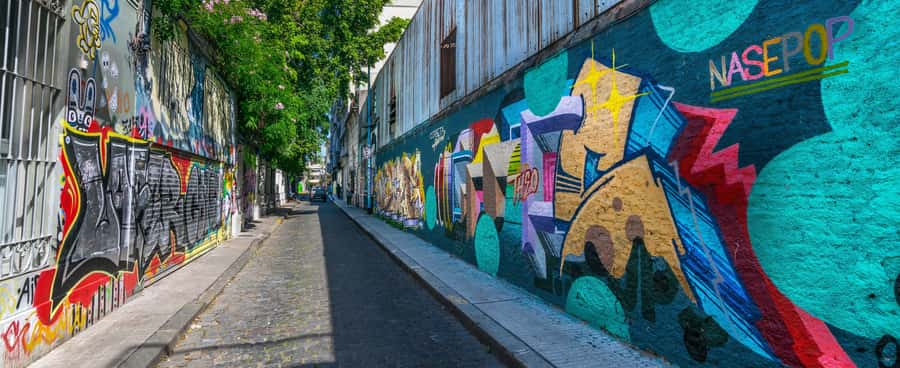
- Palermo street art, explained as political messaging
- Trump Wall photo stop at Madison Avenue Bar
- A timeline from 1920s campaigns to 1970s protest culture
- English live guide with lots of personality and humor
- Orange t-shirt meet-up at Plaza Serrano (Plaza Cortazar)
- Wheelchair accessible and it runs even if it rains
Palermo street art that feels like real-world history
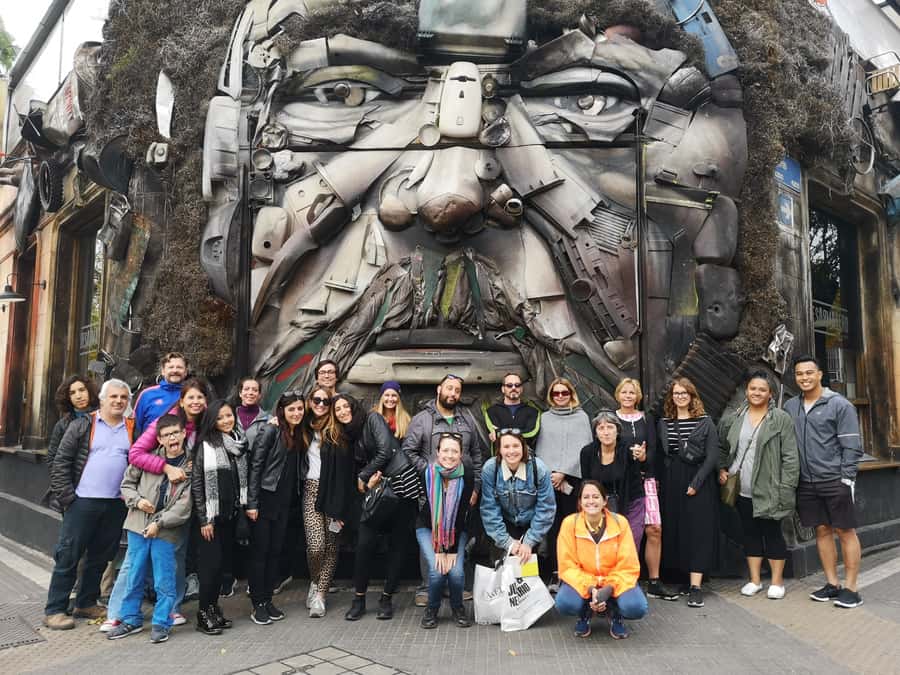
Buenos Aires has plenty of art museums. But this tour makes the case that the street can teach just as much. You walk through Palermo seeing graffiti and street art as public communication, not just decoration.
The big idea is simple: walls responded to the country’s pressure points. The guide frames how messages on buildings became a kind of endorsement, propaganda, and election-season signaling. Then the story shifts again when aerosol paint arrives and everything speeds up—especially during the protest-heavy decades that followed.
I like that it doesn’t treat graffiti like a mystery to decode. It treats it like a form of speech, shaped by who had power at the time.
You can also read our reviews of more guided tours in Buenos Aires
Finding the group at Plaza Serrano (Plaza Cortazar)
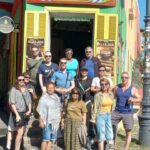
Your meeting point is Plaza Serrano, also called Plaza Cortazar. You’ll find it at the corner of Jorge Luis Borges and Honduras St., and the guide will be wearing an orange t-shirt. Look for the big PALERMO sign, and you’ll have the right spot.
Getting started is usually fast. Several guides on this route have a knack for keeping everyone together, even when the group gets larger, and you can still hear the explanations as you walk.
Practical tip: arrive a few minutes early. Palermo streets can look similar, and it’s easier to match the correct corner when you’re not rushing.
The Palermo walk: what you’ll actually see on walls
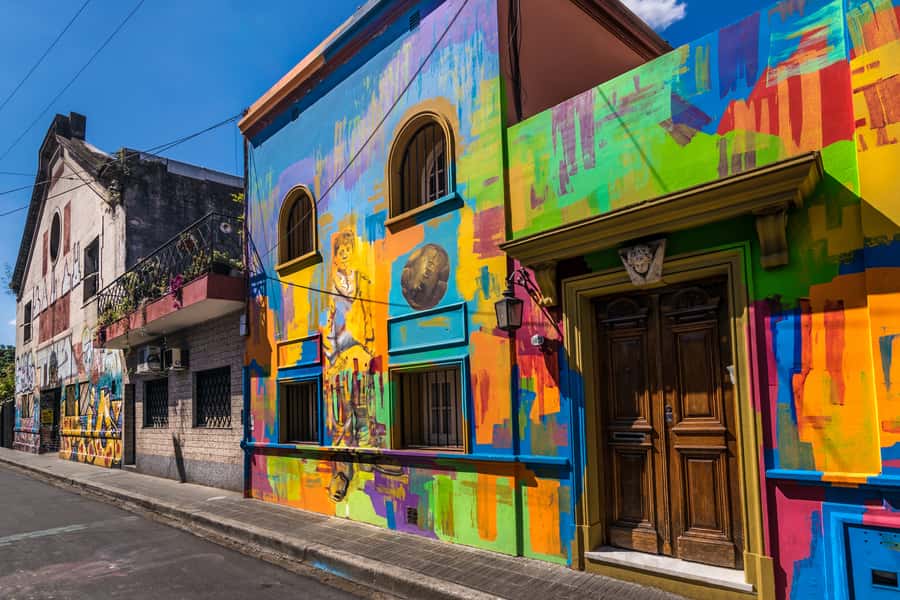
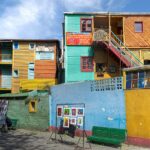
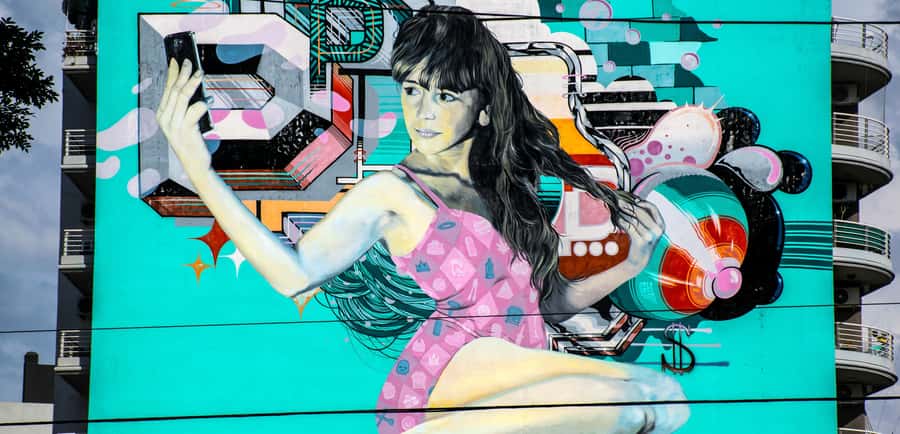
This is a classic neighborhood walking route through Palermo, where street art shows up in different styles, sizes, and tones. You’ll get guided help spotting what matters—specific details, recurring themes, and the difference between styles that people might casually lump together.
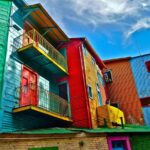
From what you’ll see, it’s likely you’ll notice subject matter beyond pure lettering. Some examples you may encounter include football-related murals and other pop-image themes like butterfly artwork. The tour also nudges you to look closer at what’s on the surface: colors, symbols, and how artists place messages where people will see them.
Even if you’re not a street-art superfan, the route helps you understand why Buenos Aires treats urban walls like part of public culture.
The Madison Avenue Bar stop and why the Trump Wall matters
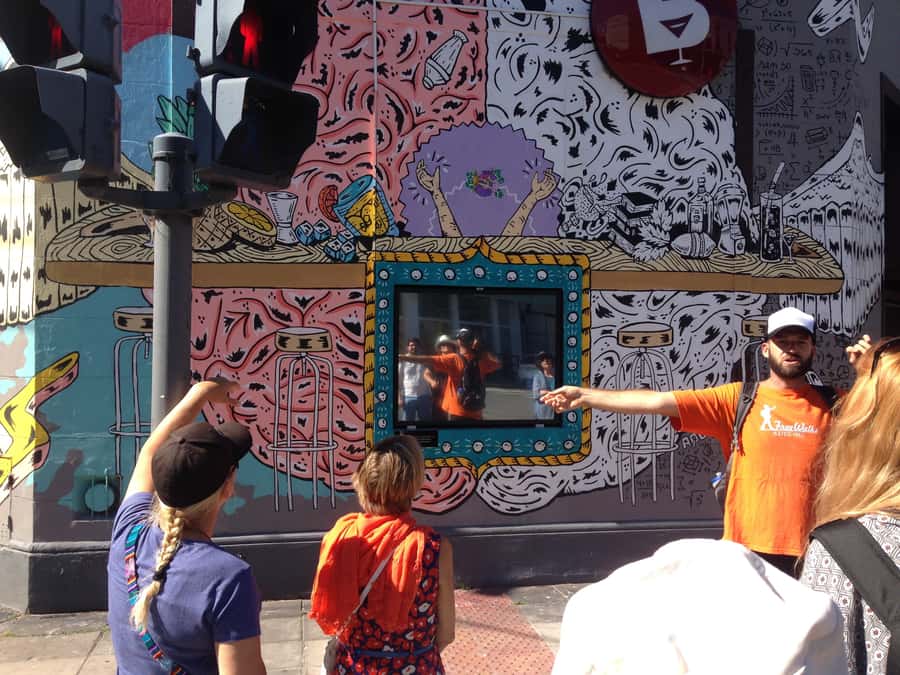
One of the easiest ways to appreciate this tour is that it includes a specific, high-recognition target: the Trump Wall at Madison Avenue Bar. It’s a practical photo stop, yes. But it’s also a lesson in how international politics can become local street commentary.
What makes this moment useful is the context your guide builds around it. When you see political street art up close, you understand it’s not just reacting to a headline. It’s also reacting to power, media, and the urge to claim visibility.
Bring your camera and get your shots early enough that you’re not holding the rest of the group up. And if you care about photos, stand to one side and check angles—some walls photograph better from a slight distance than from directly in front.
From the 1920s to election-era propaganda
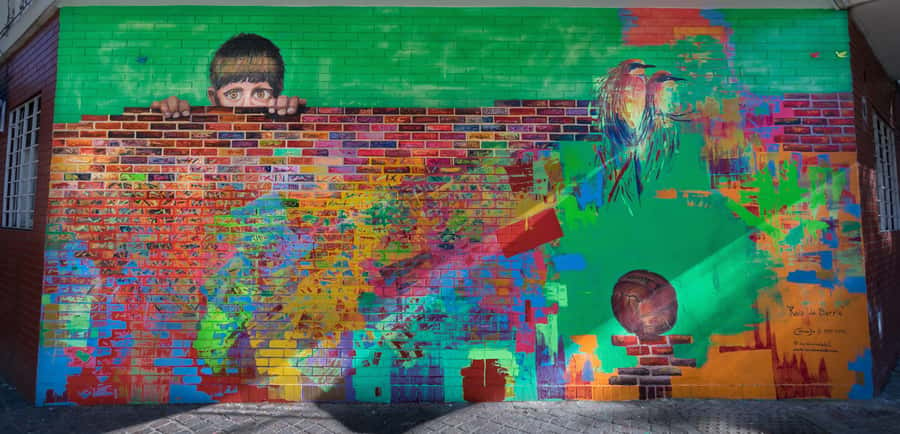
The tour walks you back to the 1920s, when Argentina’s political movements were gaining traction and public messaging carried real weight. The guide explains how graffiti and street markings were seen as political endorsement—basically a vote without a ballot.
In this phase of the story, the emphasis is on messaging as a visible signal. You’re not only learning what people put on walls; you’re learning how that writing functioned in public life. It acted like propaganda, and it also played into election campaigns by making supporters’ presence hard to ignore.
This is a big reason the tour feels satisfying. You don’t just look at art. You learn how political competition shaped what appeared on street surfaces and why people paid attention.
You can also read our reviews of more tours and experiences in Buenos Aires
Why aerosol paint in 1969 changes everything
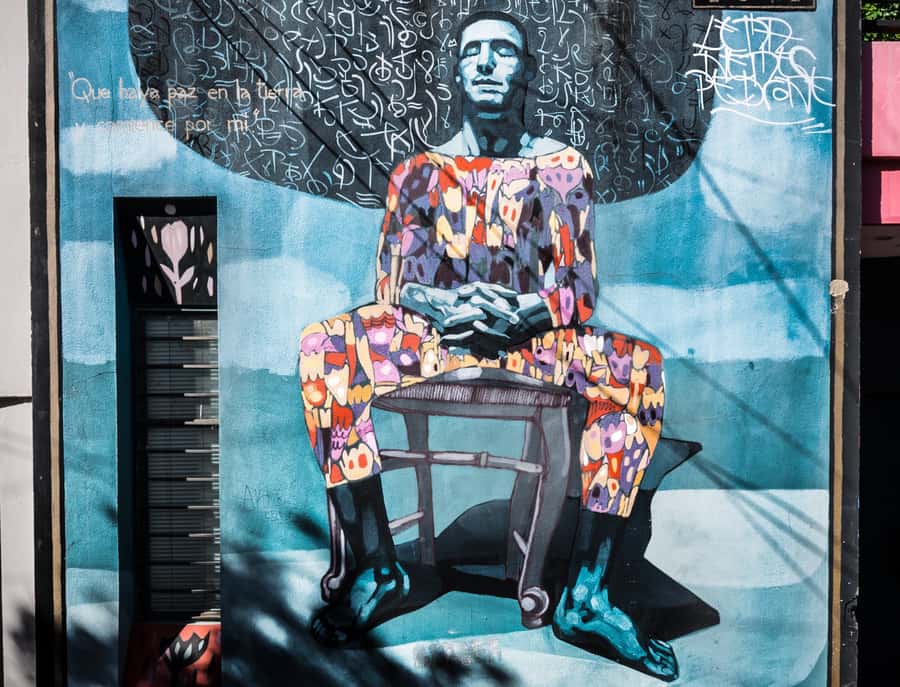
Then the guide reaches a turning point: the arrival of aerosol paints in 1969. That one shift matters because it changed how fast people could write and how quickly messages could spread across the city.
Once the process is easier, urban movements can respond more rapidly. The tour connects aerosol paint to the protest atmosphere of the following decades, including the 1970s, when social conflict and public resistance became more intense.
If you’ve ever wondered why some street art looks urgent—like it’s reacting in real time—this section gives you the mechanism. Speed affects style. Style affects visibility. And visibility affects how people join the conversation.
Protest culture and the social conflict behind the walls
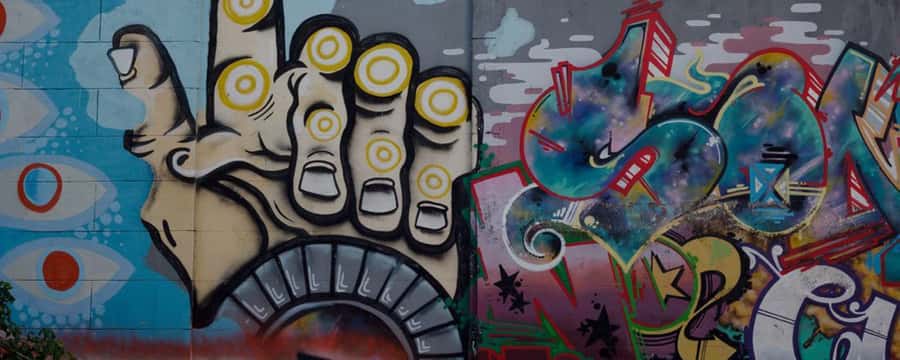
The final historical stretch stays focused on what happened when more people got involved. The guide’s explanations frame graffiti as participation: Argentinians became more engaged in protesting, and the act of painting became part of public pressure.
This isn’t taught like a lecture. It’s told in story form, with examples you can connect to the walls you’re walking past. Many of the guides on this route—like Elina, Aylen, Vito, Juan, and Victor—are praised for mixing humor with real story detail, and that tone helps the political material land without becoming heavy.
You’ll finish with a different lens. Even if you don’t know street-art terms, you’ll start noticing how symbols and slogans communicate group identity, dissent, and emotion.
Guides who keep the group moving and the talk clear
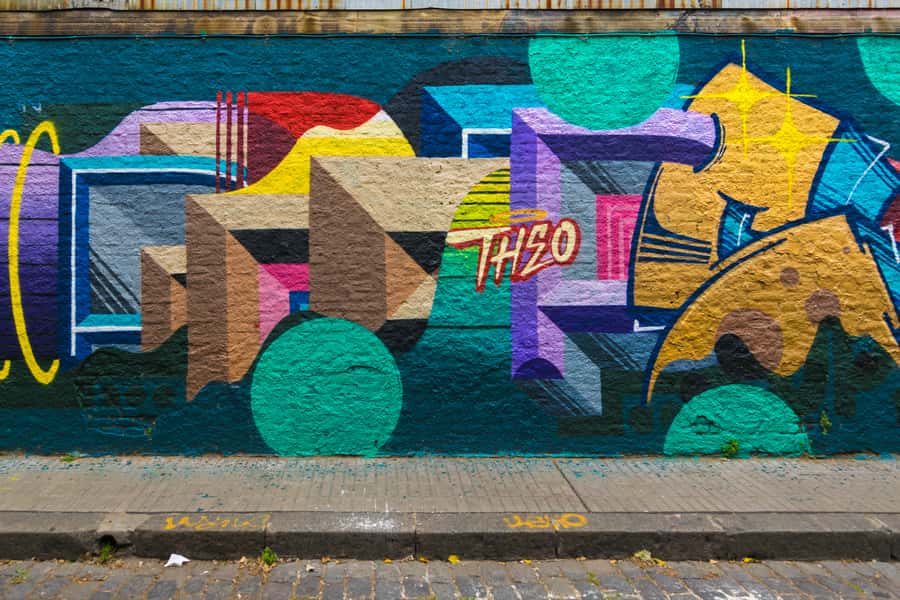
The consistent theme in feedback is guide quality. I’d pay attention to that, because a street-art tour lives or dies on interpretation. Several guides are described as entertaining, funny, and able to keep a group together while still making sure people can hear them.
You may also hear guides share personal touches about Buenos Aires culture. For example, guides are noted for connecting street art to broader city habits, including a strong sense of soccer in the visual language you’ll see around Palermo. One thing I really like: the tour experience isn’t treated like a one-way performance. Guides are described as willing to answer questions after the walk too, which helps you leave with clarity, not just photos.
If you’re nervous about large groups, relax a bit. The explanations are paced well enough that people report being able to hear throughout.
Price and timing: why $13 for two hours can be good value
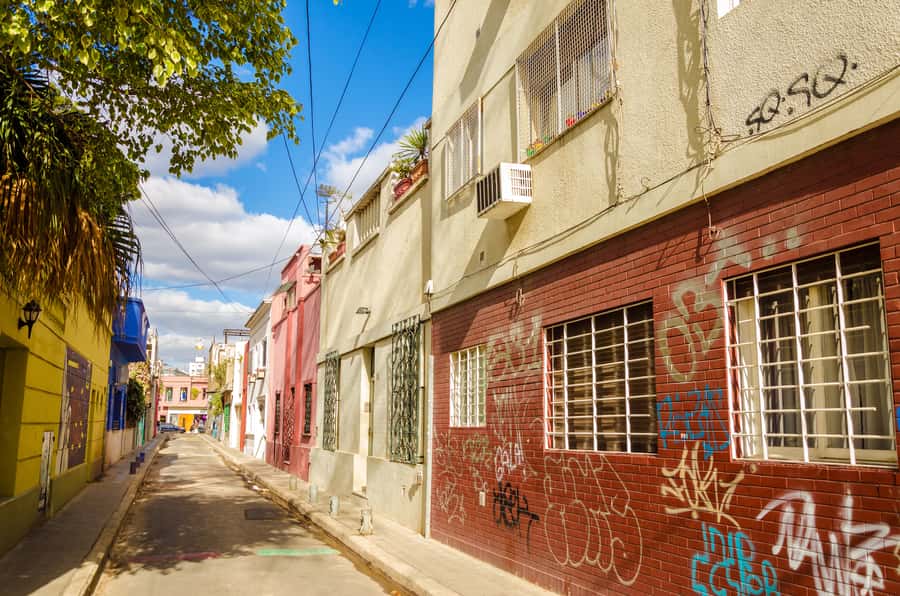
At $13 per person for a two-hour guided walking tour, this is priced in the practical range. The value comes from what you get for the time: interpretation plus access to specific spots you might otherwise miss.
Two hours also makes the tour easy to fit into an afternoon in Palermo Soho. You don’t have to carve out a whole day, and you get something more useful than a generic neighborhood walk.
What you should consider is your own pace. Two hours means you’ll be walking and stopping, but not lingering all day. If you want slow wandering with long photo sessions at every wall, you may want to pair this with unstructured time after the tour.
What’s not included (and how to plan around it)
The tour includes the two-hour guided walking experience, but hotel pickup and drop-off aren’t included, and food and drinks aren’t included.
That’s the main practical drawback. Palermo can be warm, and once you’re out walking, you’ll feel it. I’d plan water and maybe a small snack so you don’t end up hunting for something mid-walk.
Also, no pickup means you’ll want to get yourself to the meeting corner on your own. The good news is the meeting spot is clearly identified, and the guide is easy to find by the orange t-shirt and PALERMO sign.
Who should book this Palermo graffiti tour
This tour is a strong match if you:
- want to understand street art as political communication, not just aesthetics
- like walking tours with clear stops and story explanations
- enjoy learning about Buenos Aires through what people paint in public
It’s also ideal if you’re traveling with people who might not care about museums but do care about the city’s voice. The humor and the talk-style delivery make the political content more approachable.
If you’re the type who only wants art analysis and zero politics, you might find this tour leans too historical and political for your taste. But for most people, that mix is the point.
Should you book this Palermo graffiti and street art tour?
If you want a focused, affordable introduction to Palermo’s street art with real context, I think it’s an easy yes. The price is low enough that you’re not taking a big risk, and the two-hour format keeps it manageable.
Book it especially if you love seeing a city differently once the walls get meaning. You’ll leave with a better sense of how messages move through public space—and you’ll spot street art like it’s part of the conversation, not background noise.
FAQ
How much does the tour cost?
The Palermo Graffiti and Street Art Guided Tour in English costs $13 per person.
How long is the walk?
The tour lasts 2 hours.
Where do I meet the guide?
Meet at Plaza Serrano (also known as Plaza Cortazar) in Palermo, at the corner of Jorge Luis Borges and Honduras St.
Is the tour in English and wheelchair accessible?
Yes. The tour is offered with a live English-speaking guide, and it is listed as wheelchair accessible.
Is hotel pickup included?
No. Hotel pickup and drop-off are not included.
Is food or drink included?
No. Food and drink are not included.
Does the tour run in the rain?
Yes. The tour will still take place even if it rains.
Can I cancel for a refund and pay later?
Yes. You can reserve now and pay later, and free cancellation is available up to 24 hours in advance for a full refund.