REVIEW · BUENOS AIRES
La Boca, a collective creation: Port, immigrants, arts and football
Book on Viator →Operated by La Otra Buenos Aires Tours · Bookable on Viator
A neighborhood like this can’t be read in a guidebook. This 2-hour La Boca tour, run by La Otra Buenos Aires Tours, uses immigrants, the port, arts, and football to explain why the area looks and feels the way it does—starting at Caminito and ending near La Bombonera. I like that the focus stays on how people built the neighborhood, not just what to photograph.
Two things I especially like: you get time for street art context in the non-touristy parts of La Boca, and there’s a real food moment with a stop at one of the neighborhood’s famous bakeries to try local pastries. The group stays small (max 12), so the walk doesn’t feel like a conveyor belt.
One consideration: it’s an outside-forward route and it requires good weather. Also, the Bombonera stop is short and stadium admission isn’t included, so this isn’t a full matchday-style visit.
In This Review
- Key highlights to look for on this La Boca walk
- La Boca, explained the way the neighborhood lives
- Walking route: Caminito, street art corners, and a different La Boca pace
- Bombonera stop: what you see in 10 minutes and what isn’t included
- The bakery break: pastries as a real local moment
- Port, immigration, arts, and football: the story this tour actually tells
- Price and timing: what $65 buys you for about two hours
- Where you start, where you end, and how to plan your half day
- Small-group guidance, and why it changes what you notice
- Who should book this La Boca tour (and who might skip it)
- Should you book La Boca: Port, immigrants, arts and football?
- FAQ
- How long is the tour?
- How much does it cost?
- Is the ticket mobile?
- Where does the tour start and end?
- What’s included for tickets at the stops?
- What are the main stops?
- How many people are in the group?
- What’s the weather requirement?
- Is free cancellation available?
Key highlights to look for on this La Boca walk
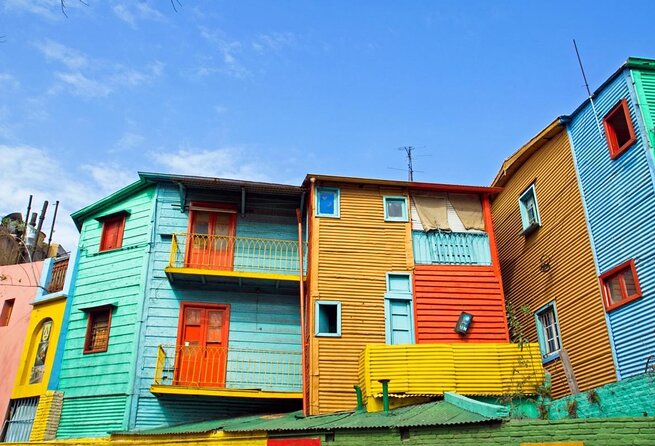
- Caminito first, but then off the main track for the social history behind the look
- Street art explained as neighborhood identity, not just decoration
- A local bakery stop where you can try local pastries
- Finish by Bombonera so the football piece lands right at the stadium
- Small group size (up to 12) for real conversation, not silent sightseeing
La Boca, explained the way the neighborhood lives
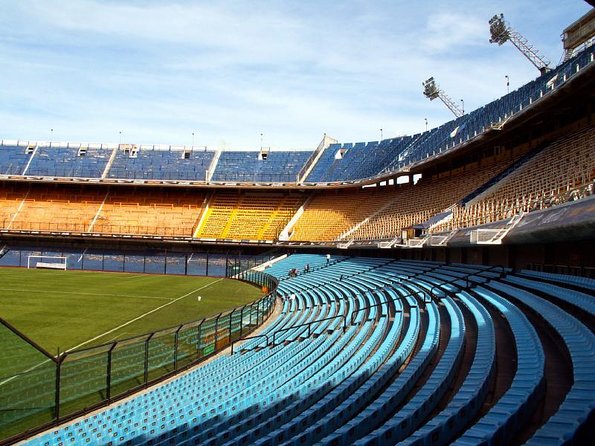
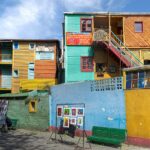
La Boca can look like a postcard. But the tour you’re considering treats it like something more human: a collective creation shaped by port work, immigration, local creativity, and the kind of neighborhood pride you’ll only get in places where football matters.
The big idea is simple. Instead of starting and ending with sights, the walk starts at the neighborhood’s most famous street—Caminito—and then pushes outward into the streets where the story feels lived-in. That shift matters. Caminito gives you the recognizable face. The side streets give you the reasons.
I also appreciate the structure: you don’t just “see art.” You learn how it connects to the people who settled here and kept expressing themselves. Same with football. The tour frames it as part of everyday culture, not just stadium branding.
If you care about how cities form—who shows up, what work they do, and how communities make art out of real life—you’ll likely enjoy the way this tour ties the themes together without turning it into a lecture.
You can also read our reviews of more tours and experiences in Buenos Aires.
Walking route: Caminito, street art corners, and a different La Boca pace
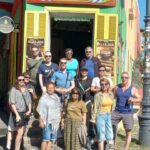
The walk starts at Caminito, and you’ll spend about 15 minutes there. This is the quick orientation stop—the part most people already recognize. You’re there to get your bearings and to understand why Caminito has become the label for La Boca.
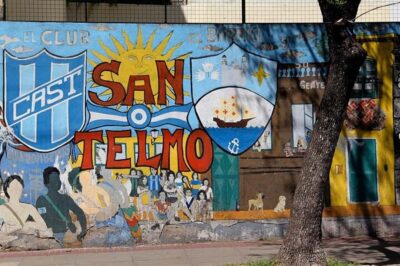
Then the tour moves into the less touristed parts of the neighborhood. This is where the “b-side” promise shows. You’ll talk about immigrant origins and the way the port shaped local life. You’ll also get focused time on the neighborhood’s distinctive artistic style, including a stop at Plazoleta Bomberos Voluntarios de La Boca (about 15 minutes), which is specifically tied to street art.
What’s valuable here is the pacing. The itinerary doesn’t try to cram in ten stops where you stand in a group and shuffle photos. Instead, you get a couple of short anchor points with explanation, plus enough walking to feel like you’re actually moving through La Boca rather than hovering beside it.
A practical note: since this portion highlights “non-tourist streets,” wear shoes you can trust for uneven sidewalks. You’re in a working neighborhood, not a theme park.
Bombonera stop: what you see in 10 minutes and what isn’t included
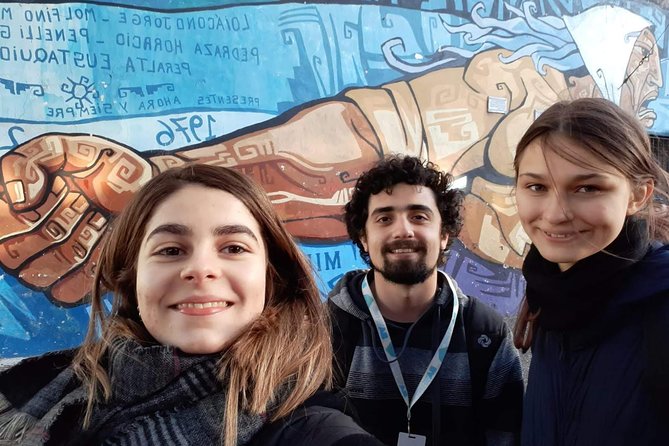
La Boca’s football piece lands at Estadio Alberto J. Armando (La Bombonera). The time here is brief—around 10 minutes—and stadium admission isn’t included.
So what should you expect? Think of this as a landmark finish. You’re getting the moment where the story reaches its most visible symbol. You won’t be treated to a long stadium program with ticketed access included in the price, so plan your expectations accordingly.
Why it works anyway: the tour doesn’t toss Bombonera at the end as an afterthought. It’s part of the framework from the start—arts, immigration, and football all tied to community identity. When you finish next to the stadium, it clicks into place.
Also, the tour ends at a nearby point by La Bombonera Stadium, which is handy if you want to stay in the area afterward for food or a second look at the neighborhood. Just keep in mind the day ends with a “near” finish, not a full event inside the stadium.
The bakery break: pastries as a real local moment
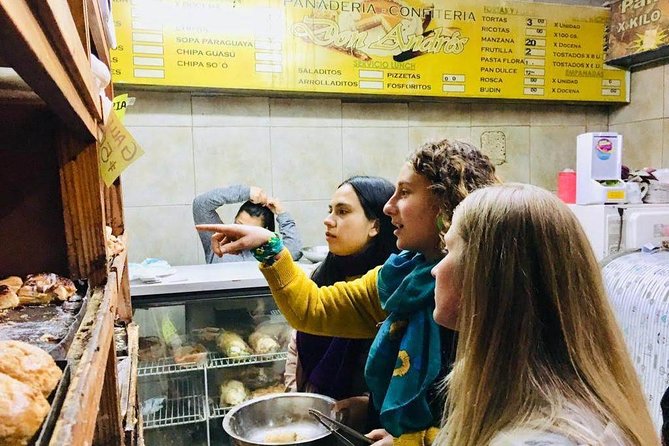
Food stops can be hit-or-miss on tours. On this one, the bakery moment is intentionally small but meaningful: you’ll visit one of La Boca’s famous bakeries and get the chance to try local pastries.
The value isn’t just snacking. It’s context. In neighborhoods shaped by immigrant waves and port rhythms, bakeries tend to be social glue—places where you see daily life continue even as the neighborhood becomes famous for its visuals.
In the feedback for this experience, people clearly enjoyed the pastry stop and the way it fit the social-history angle of the walk. It’s also a nice reset in a tour that is otherwise mostly outdoors and walking between story points.
If you’re sensitive to sweet-heavy snacks, you can still enjoy the stop. Treat it like sampling: grab what looks best to you and keep moving.
Port, immigration, arts, and football: the story this tour actually tells
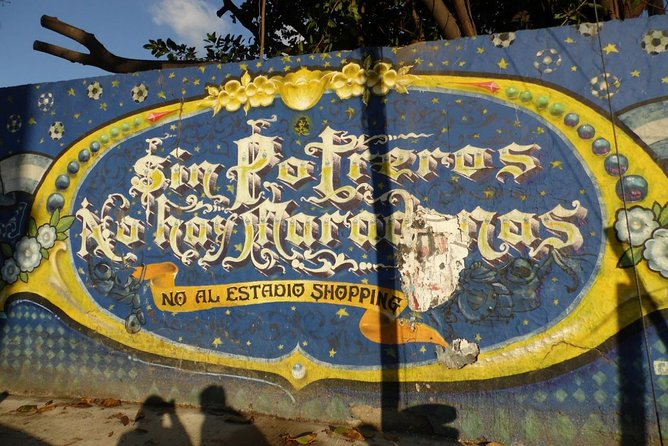
The tour’s theme is right in the title: La Boca, a collective creation: Port, immigrants, arts and football. That’s not just marketing copy. It’s the thread that connects your stops.
Here’s how to think about what you’ll learn, in plain terms:
- Port + immigration: La Boca’s identity is tied to people arriving, working, and making a home. That’s why “immigrant origins” isn’t a side note—it’s the starting point for understanding how the neighborhood developed.
- Arts as community language: The tour specifically calls out the neighborhood’s artistic style and its street art. The lesson is that art isn’t only for tourists here. It’s part of how locals show pride, memory, and personality.
- Football as social energy: Bombonera isn’t presented as a distant sports monument. It’s treated as a living cultural anchor. When you connect it back to the arts and immigration themes, it feels less like a sightseeing stop and more like a finish line.
Even the way the tour is timed supports this idea: you start with a famous entry point (Caminito), you learn the neighborhood texture via street art and social context, you taste local pastries, and then you finish at the stadium symbol. That flow keeps the story from feeling like separate facts.

Price and timing: what $65 buys you for about two hours
At $65 for about 2 hours, this tour is priced for a focused, guided walking experience—short enough to stay energetic, long enough to actually cover more than “one photo spot and done.”
The value angle is mostly about the human scale. The group maximum is 12 travelers, which usually means you can ask questions and hear answers without shouting over a crowd. You’re also using a mobile ticket, which helps make last-minute logistics simpler when you’re navigating Buenos Aires.
Duration-wise, about two hours is ideal if you want a real neighborhood feel without committing an entire morning to planning, transit, and sitting around. If you only have a limited window in La Boca, this kind of tight route can work well.
Where you start, where you end, and how to plan your half day
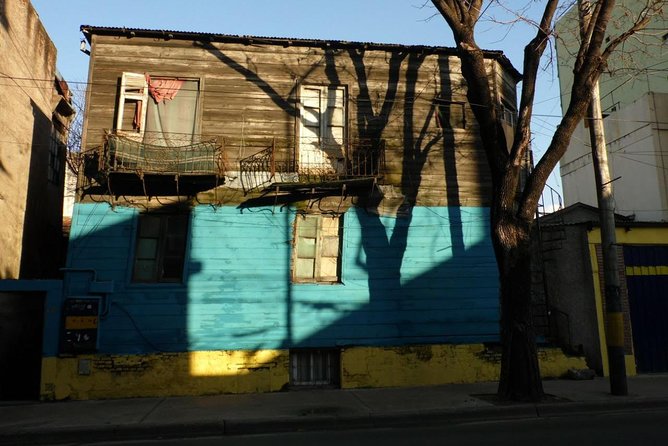
The meeting point is at La Vuelta de Rocha, Av. Don Pedro de Mendoza 1859, C1169AAC. The tour ends near Dr. del Valle Iberlucea 437, C1160ABE, with the finish next to Bombonera Stadium.
This start-to-finish setup matters because it nudges you to experience La Boca in a logical direction: you begin near a recognizable hub, then walk through side streets, and finally come out near the stadium. It’s easier to plan your next step if you’re staying in the area or planning dinner nearby.
You’ll also be close to public transportation, which helps if you’re squeezing this into a busy Buenos Aires schedule.
One more practical tip: since the tour depends on good weather, pick a day that’s not only sunny, but also comfortable for walking. If you’re visiting in a period with sudden rain risk, keep a backup plan for the afternoon.
Small-group guidance, and why it changes what you notice
A tour like this lives or dies on the guide’s ability to connect the dots while you walk. One highlight from the experience feedback is the guide Nico—people liked how he went beyond basic tourist facts and explained the neighborhood’s people and artwork in a more grounded way.
That’s exactly what you want here. La Boca isn’t complicated because it’s obscure. It’s complicated because it’s personal. The best guides don’t just point at murals; they explain what created them and why residents care.
With a group capped at 12, you’re more likely to get the kind of back-and-forth that makes the story stick: a question about why something looks a certain way, a clarification about the football connection, or a tip on what to notice while you keep walking after the tour ends.
Who should book this La Boca tour (and who might skip it)
This is a good fit if:
- You want social history tied to real places, not just a list of highlights
- You care about how immigration and port life shape cities
- You want football culture explained in context, with Bombonera as the finish
- You like short walking tours with time for small moments like pastries
It might be less ideal if:
- You expect a full ticketed stadium tour at Bombonera (admission isn’t included)
- You hate walking on uneven sidewalks
- Weather is unpredictable for your dates and you’d rather avoid anything outdoors-heavy
If you’re the type who likes “how did this place become itself?” this tour is made for you.
Should you book La Boca: Port, immigrants, arts and football?
I’d book it if you want a La Boca experience that feels connected. Caminito is the obvious doorway, but the real payoff is what happens after that—street art context, immigrant origins, and the way football ties into neighborhood identity. Add a short bakery pastry stop and a finish right by Bombonera, and you get a tight loop of story + senses.
Book it especially if you’re tired of tours that repeat museum labels you could read on your phone. This one is built around meaning: why La Boca looks like it does, and why it keeps mattering to people who live there.
If you’re traveling with limited time, have comfortable walking shoes, and pick a day with good weather, this is a strong value use of about two hours in Buenos Aires.
FAQ
How long is the tour?
It’s about 2 hours.
How much does it cost?
The price is $65.
Is the ticket mobile?
Yes, the tour uses a mobile ticket.
Where does the tour start and end?
It starts at La Vuelta de Rocha, Av. Don Pedro de Mendoza 1859, C1169AAC. It ends next to La Bombonera Stadium at Dr. del Valle Iberlucea 437, C1160ABE.
What’s included for tickets at the stops?
Caminito and the street-art plaza stop are listed as free admission tickets. The Bombonera stadium admission is not included.
What are the main stops?
You’ll start at Caminito, visit a stop near Bombonera (Estadio Alberto J. Armando), and include Plazoleta Bomberos Voluntarios de La Boca. You’ll also stop at a famous bakery to try local pastries.
How many people are in the group?
The tour has a maximum of 12 travelers.
What’s the weather requirement?
Good weather is required. If it’s canceled due to poor weather, you’ll be offered a different date or a full refund.
Is free cancellation available?
Yes, you can cancel for a full refund up to 24 hours before the experience start time. After that, the amount paid is not refunded.