REVIEW · BUENOS AIRES
Palermo SoHo for curious people
Book on GetYourGuide →Operated by Social&Cultural · Bookable on GetYourGuide
Palermo SoHo changes fast, and so should your perspective. This 2-hour walk turns a trendy neighborhood into a live lesson on people, money, and migration—with you asking questions, not just listening. I like that it’s guided by an anthropologist-level mind and a university-degree guide, so the street scenes come with context you can actually use.
Two things I really like: you’ll get a human-scale explanation of gentrification (who benefits, who gets pushed, and why it’s tied to Argentina’s economic shifts), and you’ll learn the immigration history hiding in plain sight. The focus isn’t on collecting photos; it’s on collecting understanding.
One possible drawback: this is a discussion-heavy format. If you want a quiet, sit-and-take-it-in type of tour, this one may feel a bit too interactive.
In This Review
- Key takeaways before you go
- Palermo SoHo for curious people: what you’re really signing up for
- From Montagne to Plaza Serrano: the route and pacing that works
- Early context stops: transit, first inhabitants, and how neighborhoods get named
- Pasajes and cultural anchors: where the quiet streets tell loud stories
- Gentrification in the real world: money, peso swings, and street-level change
- Immigration history at eye level: Armenia, Ukraine, Poland, and more
- Quick stops that add texture: local food, classic businesses, and what changes around them
- Final stretch to Plaza Serrano: putting it together on the streets
- Price and value: why $25 for 2 hours can be a smart deal
- Who should book this Palermo SoHo walk (and who might skip it)
- Should you book Palermo SoHo for curious people?
- FAQ
- How long is the Palermo SoHo walking experience?
- Where does the tour start?
- Where does the tour finish?
- How much does it cost?
- What languages are available?
- Is it interactive or more of a lecture?
- Is the tour wheelchair accessible?
- Is free cancellation available?
Key takeaways before you go
- Anthropology-style walking: the guide keeps the conversation going, and you’ll get chances to ask questions.
- SoHo is explained, not just branded: you’ll connect the name and look to real local forces.
- Economics on the sidewalk: expect talk about real estate speculation and Argentina’s peso devaluation and its effects.
- Immigration stories appear in specific places: from Armenian commemorations to Ukrainian and Polish cultural stops.
- A short sweet break built in: you’ll pause for helados and keep the tour moving.
- Small-group energy (private options available): it’s designed so you can actually talk, not just follow a line.
Palermo SoHo for curious people: what you’re really signing up for
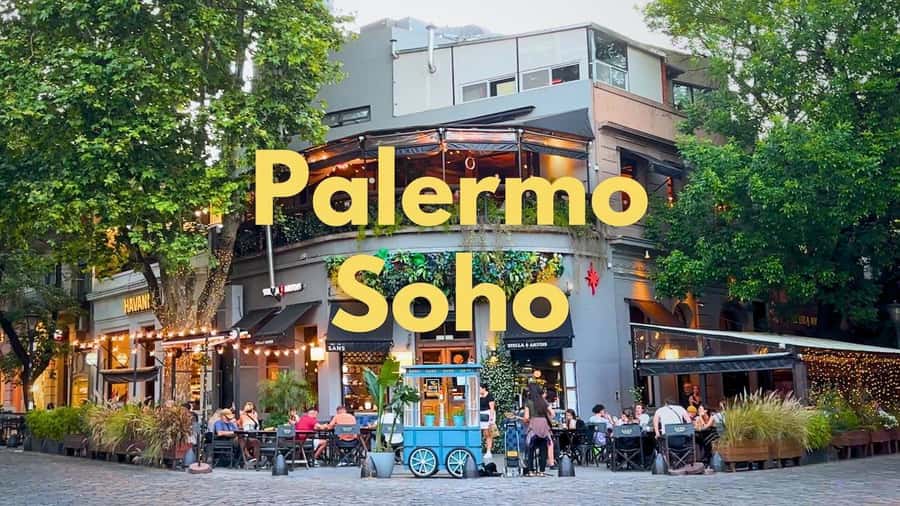
Palermo SoHo often gets sold as style—bars, restaurants, cool facades, and the kind of breakfast that comes with a lot of opinions. This experience nudges you past the surface and asks why the neighborhood looks the way it does today, and how it got there.
The big difference is the approach. You’re not shuffling along while a guide recites facts. Instead, you’re walking with a university-degree guide who talks like an anthropologist: you connect what you see on the street to the people making decisions behind the scenes. And you’re encouraged to talk back—questions are part of the tour’s engine.
The topics are also very grounded. You’ll hear about when Palermo became known as SoHo, why tourists and trendy food showed up in waves, and how real estate speculation connects to Argentina’s currency instability. The guide even frames these with the kind of street-level mysteries you’d actually wonder about: how transit history relates to the neighborhood’s origins, and why there seem to be two exchange-rate realities that affect daily life.
You can also read our reviews of more tours and experiences in Buenos Aires.
From Montagne to Plaza Serrano: the route and pacing that works
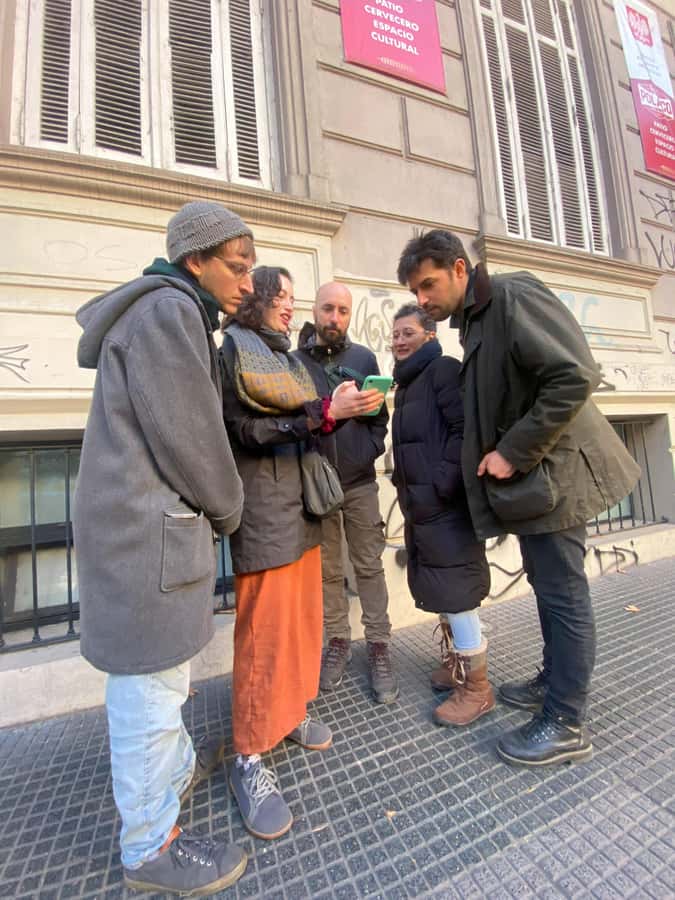
The tour starts at the amphitheater area at Distrito Arcos, right next to the Montagne store. It ends at Plaza Serrano, which is a good finishing point if you want to keep exploring on your own afterward.
Timing is built around short, meaningful stops rather than long detours. You’ll do quick guided segments at several key points, with a few brief visits where the guide slows down to interpret what you’re seeing. Midway through, there’s a 15-minute break for helados—just enough time to reset without dragging the schedule.
One practical note: the meeting point can be tricky the first time you look for Distrito Arcos. The guide (Nico) is used to helping people get there, and he tends to be accommodating if you’re struggling to find the right spot.
Early context stops: transit, first inhabitants, and how neighborhoods get named
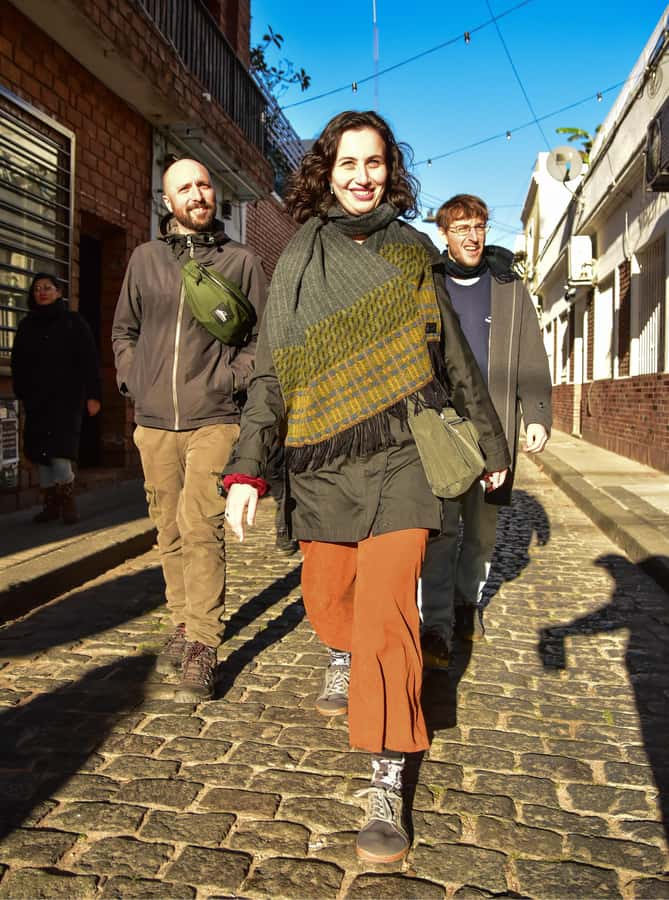
The early stretch sets up the story engine. You’ll move through areas that help explain the origins of Palermo’s “SoHo” identity—especially the kind of question most walking tours never touch: how the city’s train and tram story connects to where neighborhoods grew and changed.
You’ll also hear about who the first inhabitants were and what Palermo’s development looked like before the area became associated with tourists and fashionable storefronts. The guide uses these early details to show a pattern: neighborhoods don’t just become trendy. They’re shaped by infrastructure, housing shifts, and the movement of people—nearby and incoming.
A nice part of this stage is how it prepares you for what comes later. By the time you reach the places tied to cultural groups and commerce, you already understand the baseline: this is a neighborhood with layers, and those layers are still visible if you know how to look.
Pasajes and cultural anchors: where the quiet streets tell loud stories
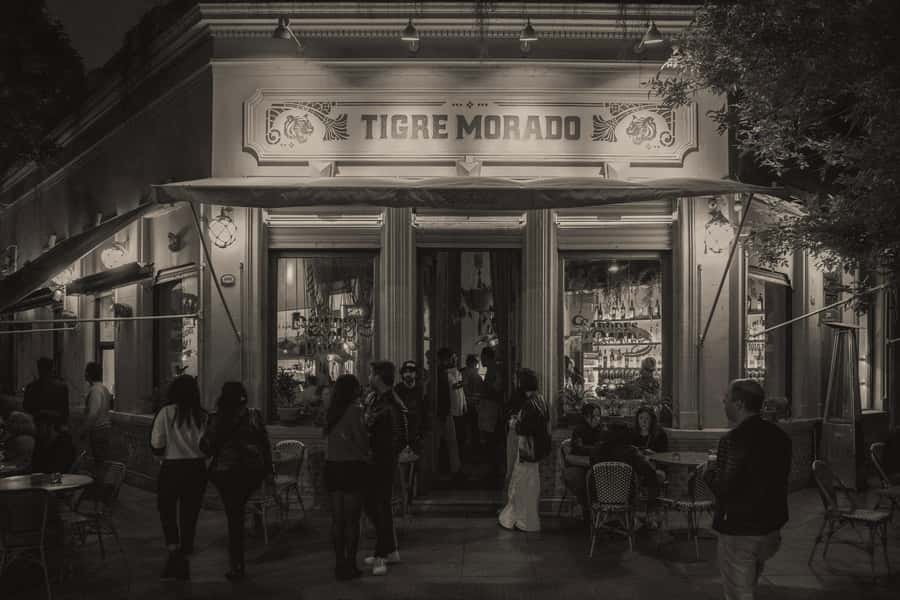
As you walk, you’ll pass and visit multiple sites that act like anchors for the neighborhood’s identity. Stops like Pasaje Emilio Zola and later Pasaje Russel aren’t just “pretty passages.” The guide uses these calmer corridors to talk about how Palermo’s structure supported new uses over time—especially when urban change started accelerating.
The tour then points out cultural and community spaces that make immigration history feel concrete instead of abstract. You’ll visit or pass places connected to organized cultural life—such as the Ukrainian culture association Prosvita in Argentina (Асoціaція Ucrania de Cultura PROSVITA en la Republica Argentina, УКТ ПPОСВІТА)—and you’ll also see Polish cultural presence through Klub Polaco.
Even when the stop itself is brief, the purpose is clear: the guide shows how immigrant communities left behind more than cuisine or architecture. They created institutions, social networks, and meeting points. Those “invisible” structures matter, because they help explain why Palermo’s story didn’t start from tourism. It started from people building community.
Gentrification in the real world: money, peso swings, and street-level change
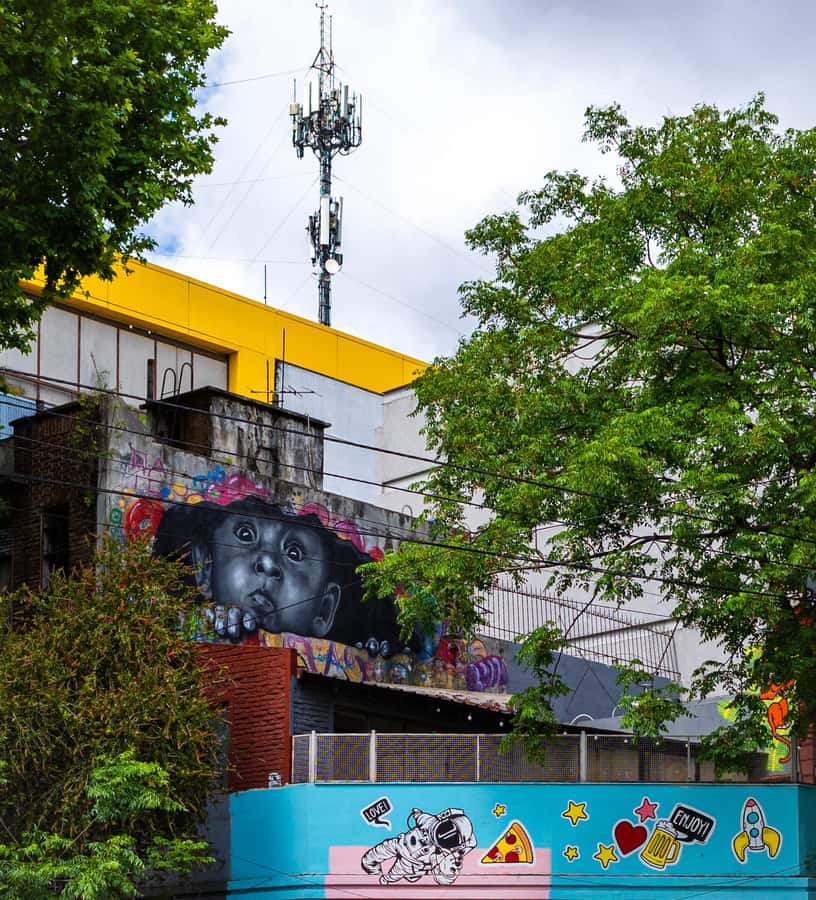
This is one of the tour’s strongest themes. Palermo SoHo gets labeled as cool, but the guide frames coolness as something with costs.
You’ll talk about gentrification in a way that doesn’t pretend it’s only about individual landlords or individual cafés. Instead, the guide connects the shift to real estate speculation, and to the realities of Argentina’s economic environment—especially the way peso devaluation can affect property decisions. You’ll also hear about the idea of two exchange rates, and why that matters in the local economy and for people trying to buy, invest, or live there.
Why this matters for you: when you understand the money mechanism, you stop seeing the neighborhood as random. You start recognizing patterns—like how a wave of new businesses can show up quickly, how rents and ownership pressures can rise, and how the neighborhood identity gets reshaped around who can afford to move in next.
The guide also walks you through when Palermo became SoHo in the public imagination and how the neighborhood filled up with tourists, chic bars and restaurants, and the kind of food culture that travels well through social media. That doesn’t mean the guide is anti-food or anti-fun. It means you get the bigger picture behind why these trends land here first.

Immigration history at eye level: Armenia, Ukraine, Poland, and more
Palermo SoHo’s story isn’t just European design and trendy shopping. It’s also immigration history, and the tour makes sure you don’t miss it.
A standout stop is Plaza Inmigrantes de Armenia, where the guide connects the neighborhood to Armenian presence and memory. Then, the Ukrainian cultural association stop gives you a second angle—how communities organize around language, culture, and support.
With Klub Polaco and nearby commercial and social references, you start to see a pattern: communities clustered, built institutions, and created spaces to keep traditions alive. Later, those same streets became attractive to newcomers—first in different waves, then in faster, trend-driven cycles.
For me, the value is that you leave with a mental map. Next time you’re walking Palermo SoHo on your own, you’ll recognize that not every sign and storefront is just branding. Some of it is a clue to who helped shape the neighborhood in the first place.
Quick stops that add texture: local food, classic businesses, and what changes around them
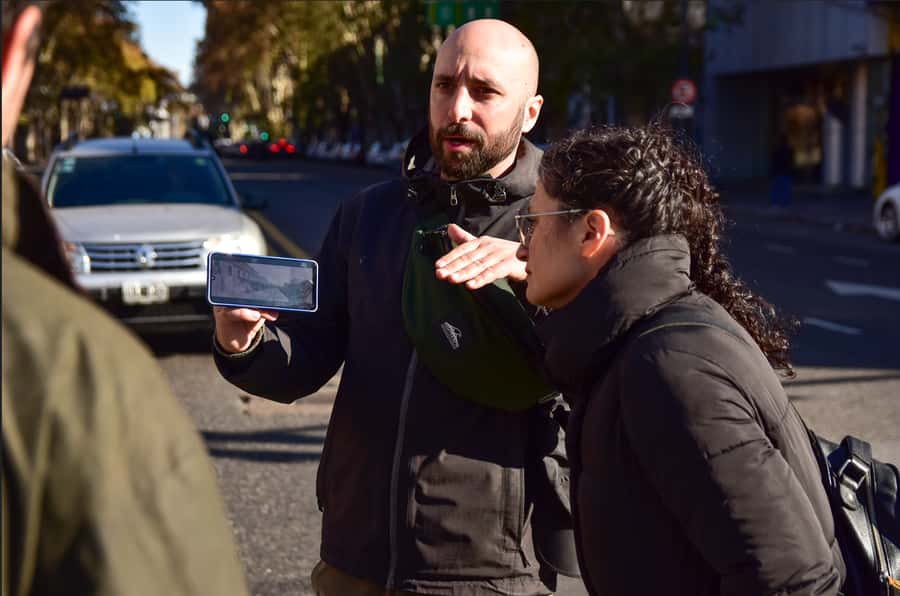
The tour includes short visits to places that feel like Palermo staples. You’ll see examples like El Preferido de Palermo and Don Julio Parrilla, plus Helados Italia for the break.
The guides’ trick here is interpretation. These stops aren’t about telling you to eat everything on the block. They’re about showing how older local institutions exist beside newer lifestyle concepts. When you notice that mix, you understand the tension at the heart of gentrification: some long-standing businesses remain, while the surrounding ecosystem shifts, pricing pressures rise, and the neighborhood’s audience changes.
The helados break is practical. Fifteen minutes gives you a short pause without turning the tour into a long meal. It also lets you reset so you can keep asking questions rather than half-walking through the second hour.
Final stretch to Plaza Serrano: putting it together on the streets
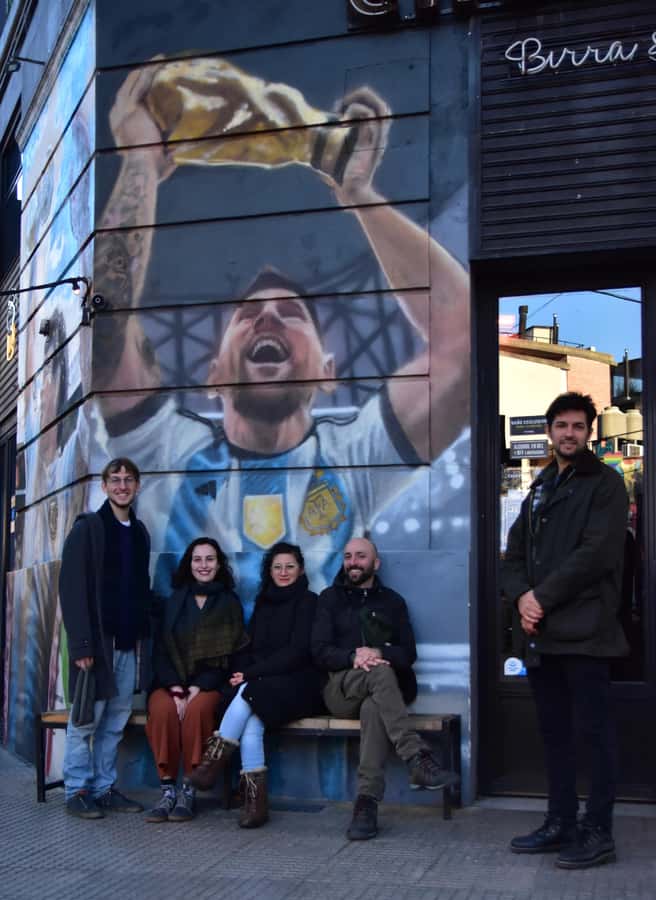
Near the end, you’ll move through more of the quieter connectors and interpret how all the pieces link together. Stops like Puente Pacífico and Polo Cientifico Tecnologico earlier in the route help build the foundation—origin, development, and the forces that shaped the neighborhood before it became famous.
ACILBA is a pass-by moment, but it’s included for a reason: it points to the local economic and civic presence that helps explain why neighborhood change happens. By the time you reach Plaza Serrano, you’ve got a full storyline in your head—from early inhabitants and transit connections to immigration institutions and the later influx of tourists and high-demand real estate.
Finishing here also makes your next move easy. Plaza Serrano is the kind of area where you can keep walking, pick up a conversation with locals, or simply observe how the neighborhood looks when it shifts from “tour mode” back to daily life.
Price and value: why $25 for 2 hours can be a smart deal
At $25 per person for a 2-hour guided walk, the value comes from the format more than the route length. You’re paying for an anthropological perspective, plus time for interaction. That matters because it turns the walk into something you’ll remember and use later, not just something that fades after photos are posted.
You also get practical language coverage: the live guide can work in Spanish, French, or English. And there are private or small-group options, which usually means you can ask your specific questions rather than waiting your turn in a crowd.
In short: if you like your tours with context, and you enjoy talking instead of tuning out, this price feels reasonable for what you get.
Who should book this Palermo SoHo walk (and who might skip it)
I’d book this if you’re the type of person who:
- wants neighborhood history tied to real forces like housing and economics
- likes immigration stories that show up in specific places, not just general lectures
- enjoys asking questions and having a guide respond with clear explanations
- plans to wander Palermo SoHo on your own after, because you’ll spot details you’d otherwise miss
You might skip it if you prefer:
- a quiet stroll with minimal conversation
- an art-and-architecture-only focus
- a purely photo-based tour where the guide doesn’t challenge what you think you’re seeing
Should you book Palermo SoHo for curious people?
If you’re curious and you like your Buenos Aires with context, yes, book it. This is one of those tours that makes you look twice at the same street. The guide style—Nico being noted as informative, humorous, and professional—helps the facts land without feeling like homework.
My decision advice is simple: choose this if you want to understand why Palermo SoHo became SoHo, how gentrification works in the real world, and how immigration history is still visible in everyday life. If you just want the trendy photo loop, you’ll probably get more from a standard food-and-coffee walk.
FAQ
How long is the Palermo SoHo walking experience?
It lasts 2 hours.
Where does the tour start?
You meet by the amphitheater of Distrito Arcos, next to the Montagne store.
Where does the tour finish?
The tour ends at Plaza Serrano.
How much does it cost?
The price is $25 per person.
What languages are available?
The live tour guide offers Spanish, French, and English.
Is it interactive or more of a lecture?
It’s designed for discussion and interaction, so you should be ready to chat and ask questions.
Is the tour wheelchair accessible?
Yes, the experience is wheelchair accessible.
Is free cancellation available?
Yes. You can cancel up to 24 hours in advance for a full refund.