REVIEW · BUENOS AIRES
Buenos Aires: Recoleta Neighborhood Walking Tour
Book on GetYourGuide →Operated by Signaturetours · Bookable on GetYourGuide
Recoleta can feel like you time-traveled to a Paris copy, then reality snaps you back. This walking tour puts you right in the middle of that contrast, with French-style architecture up close and the Recole ta Cemetery as the emotional centerpiece. I especially like how the guide makes the aristocratic story feel concrete, and how you get art and architecture stops in the same 2 hours. One thing to consider: it is a focused walk, so if you want long museum time, you’ll need to plan extra visits on your own.
You meet right by the Recoleta Cemetery, where your guide gets you oriented fast and keeps the pace moving (not rushed, just efficient). Expect a mix of cemetery meaning, Belle Époque visuals, and photo-ready landmarks, from Floralis Genérica to the Malba Museum area. With Spanish and English guides, plus skip-the-ticket-line help, this is a solid way to see a lot without spending your day figuring out logistics.
In This Review
- Key highlights you’ll actually feel
- Entering Recoleta with the right orientation
- The Recoleta Cemetery: more than marble monuments
- From La Recoleta to La Biela: a smooth neighborhood rhythm
- Floralis Genérica: sculpture you can’t ignore
- Museum breaks: quick art checks with a guided lens
- The Law University and the Belle Époque feel
- Palais de Glace: quick stop, clear payoff
- Finishing near MALBA: modern art after aristocratic streets
- Price and pacing: is $93 worth it?
- Who this tour fits best
- Should you book this Recoleta walking tour?
- FAQ
- FAQ
- Where does the tour start?
- How long is the walking tour?
- Do I need hotel pickup?
- Is this tour only in Spanish?
- What sites are included?
- Is there an entry/ticket line to wait in?
- Where does the tour end?
- Can I cancel if my plans change?
Key highlights you’ll actually feel
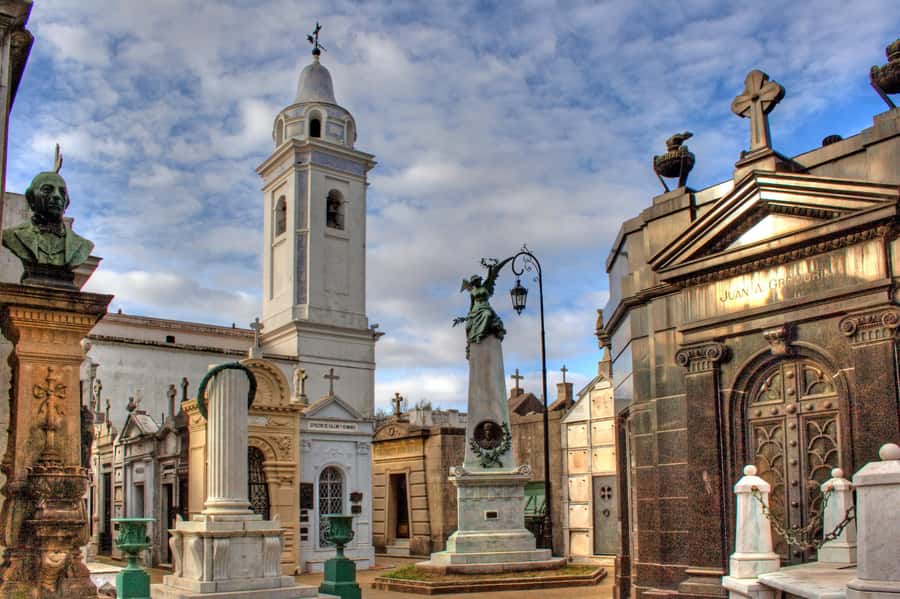
- Eva Perón’s crypt visit gives the cemetery more weight than a quick look
- Floralis Genérica and surrounding parks make the architecture stops more fun
- Art and design mix: Recoleta rolls from public sculpture to major museums
- Brief but guided stops at landmark buildings keep momentum without turning it into a slog
- Great guides show up: I’ve seen strong English and route-flexibility mentioned, including guides like Anahi, Veronica, Micaela, Barbi (Barbara), and Florencia
Entering Recoleta with the right orientation
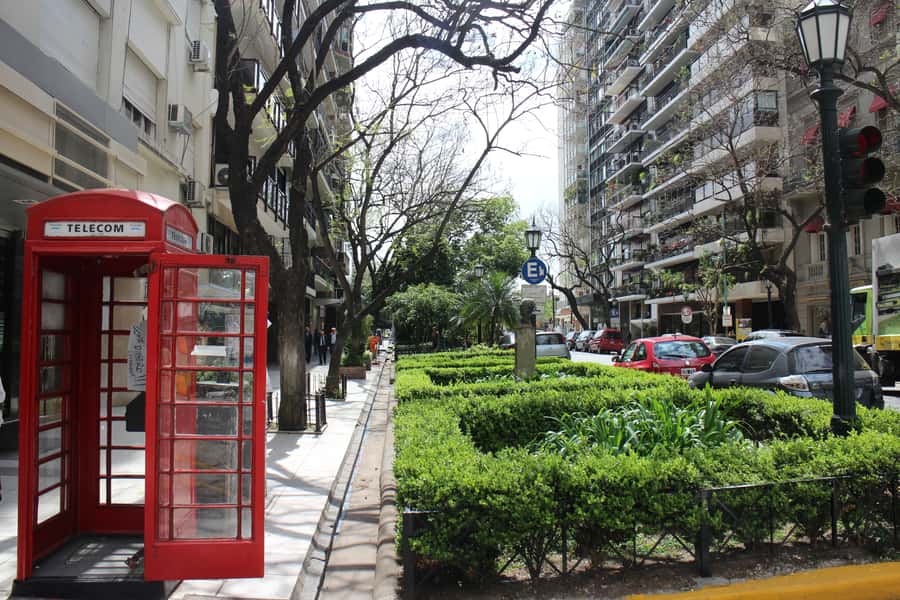
Recoleta rewards you when you understand what you’re looking at. The tour starts at Cementerio de la Recoleta, and you’re asked to arrive about ten minutes early so the guide can set the scene. That short orientation matters, because you’ll quickly notice how the neighborhood is built around status: grand facades, formal streets, and architecture that aims to impress.
After that setup, the walk becomes a guided storyline. You’re not just moving from one landmark to another; you’re learning what those buildings were meant to signal. It’s a good format for your first time in Buenos Aires, especially if you’re trying to map the city in your head while you’re still fresh.
Practical note: this is mostly walking with short guided windows at each stop, so comfy shoes help. The pace is manageable, but it is still a tour walk, not a sit-down museum day.
You can also read our reviews of more walking tours in Buenos Aires

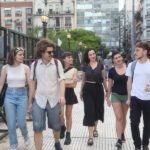
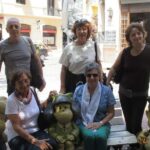
The Recoleta Cemetery: more than marble monuments
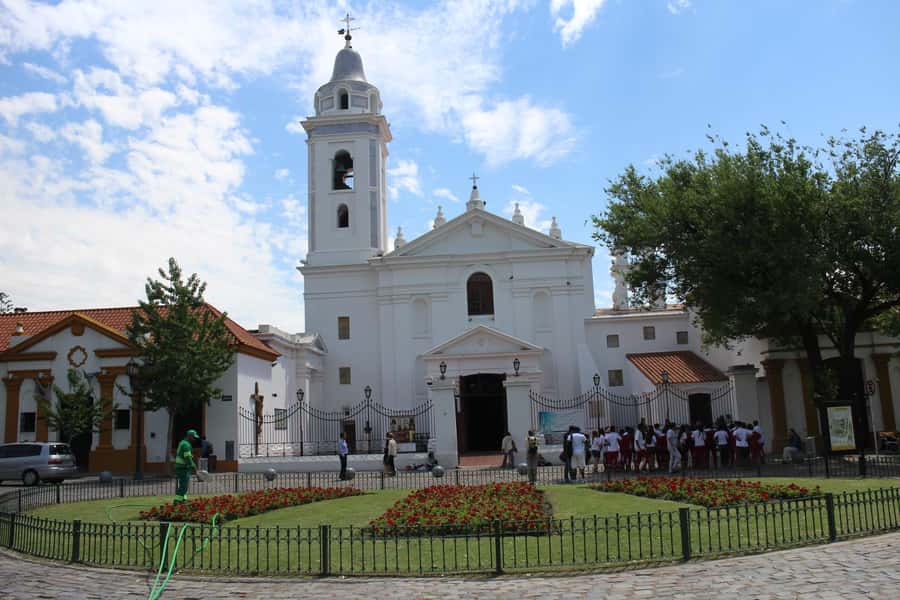
The cemetery visit is the emotional center of the whole experience. You spend a substantial chunk of time here, and that’s important—because Recoleta Cemetery works like a city inside a city. Instead of treating graves like background, the guide helps you read them: who mattered, why certain families built elaborate crypts, and how the space reflects Buenos Aires’ social order.
The headline moment is Eva Perón’s crypt. The tour frames it as part of the neighborhood’s story of power, memory, and public meaning. You’re not just looking at a famous name. You’re seeing how an ornate crypt functions as a kind of landmark for the country’s history.
What I like about this segment is that it gives you something most self-guided cemetery visits miss: context. Even if you already know Eva Perón’s role, you’ll still walk away with a clearer sense of why Recoleta became the stage for that kind of remembrance.
From La Recoleta to La Biela: a smooth neighborhood rhythm
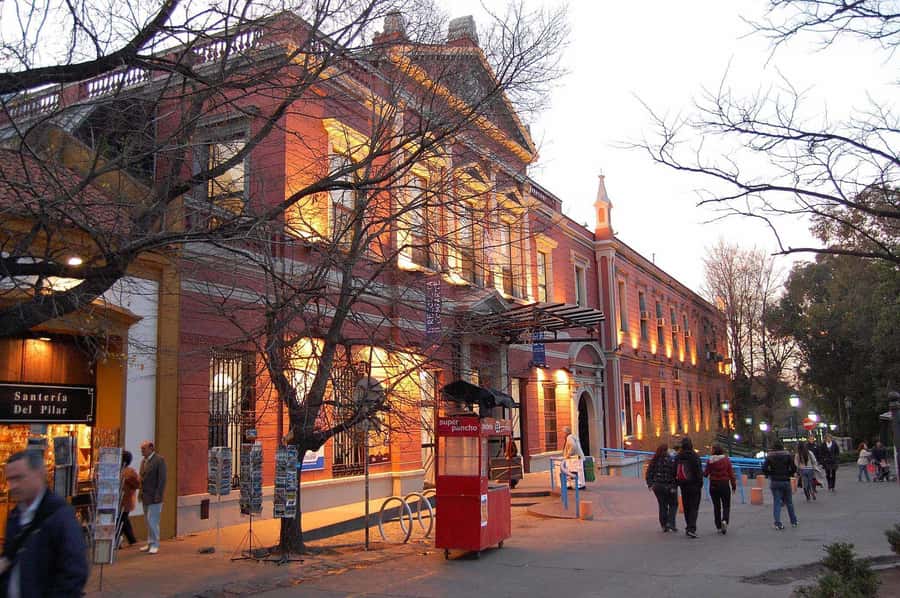
After the cemetery time, the route continues through Recoleta’s most photo-friendly stretches. One of the tour landmarks is La Biela, a classic point you’ll see referenced as part of the walk’s loop. If you’re using this neighborhood later on your own, having a recognizable anchor like La Biela is useful.
This section is where the tour shifts from meaning (the cemetery) to style (the buildings). You’ll get moments to appreciate the French-inspired look that gives Recoleta its nickname vibe, with elegant facades and careful urban design. It’s the kind of scenery that makes you stop for photos even if you didn’t plan to.
Floralis Genérica: sculpture you can’t ignore
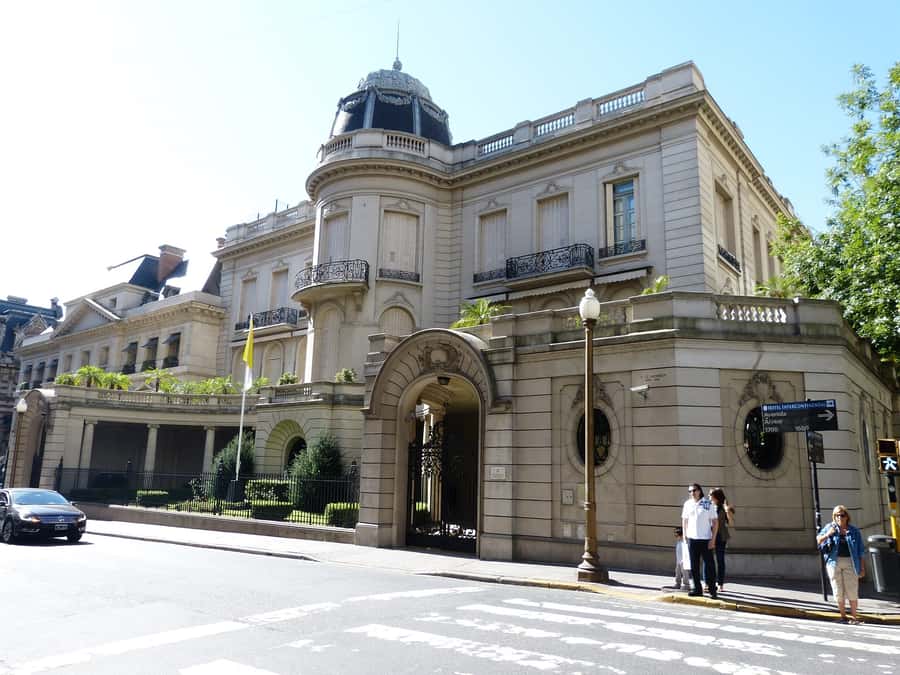
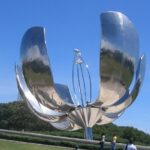
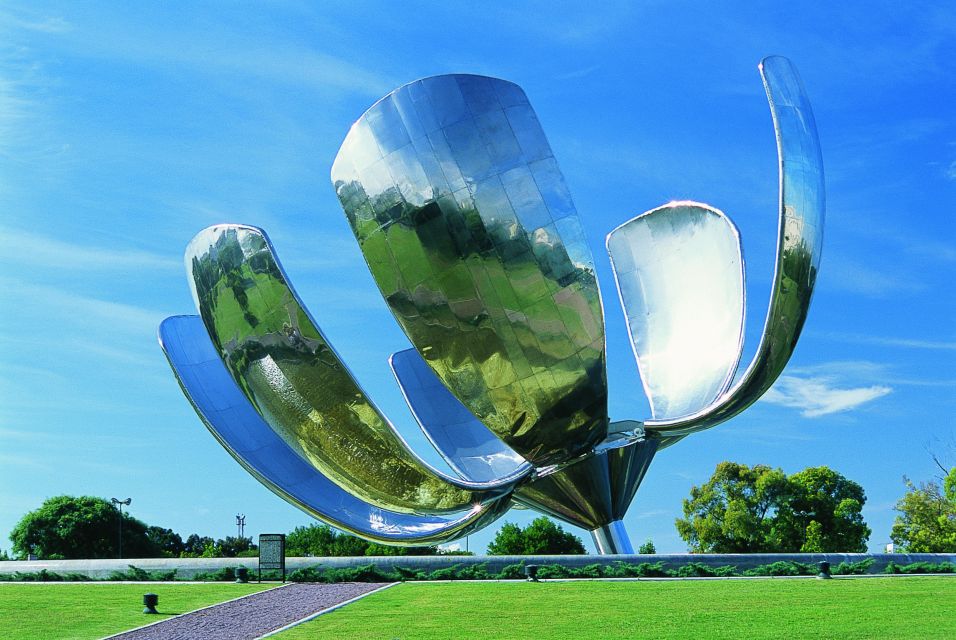
One of the easiest wins on this tour is Floralis Genérica. It’s a highly visible, modern piece in a neighborhood that otherwise leans historical. The effect is clever: it reminds you that Recoleta isn’t stuck in the past, even if the streets look like they should be.
The guide includes a short stop here with time to take it in. That matters because Floralis Genérica isn’t just a photo target—it’s a conversation starter about public art, space, and how Buenos Aires thinks about parks and monuments. The tour also positions it as part of the broader look at parks and open spaces in the area, so you understand where the sculpture sits in the urban plan.
If you like architecture but also like something playful to photograph, this stop will earn its place in the 2 hours.
Museum breaks: quick art checks with a guided lens
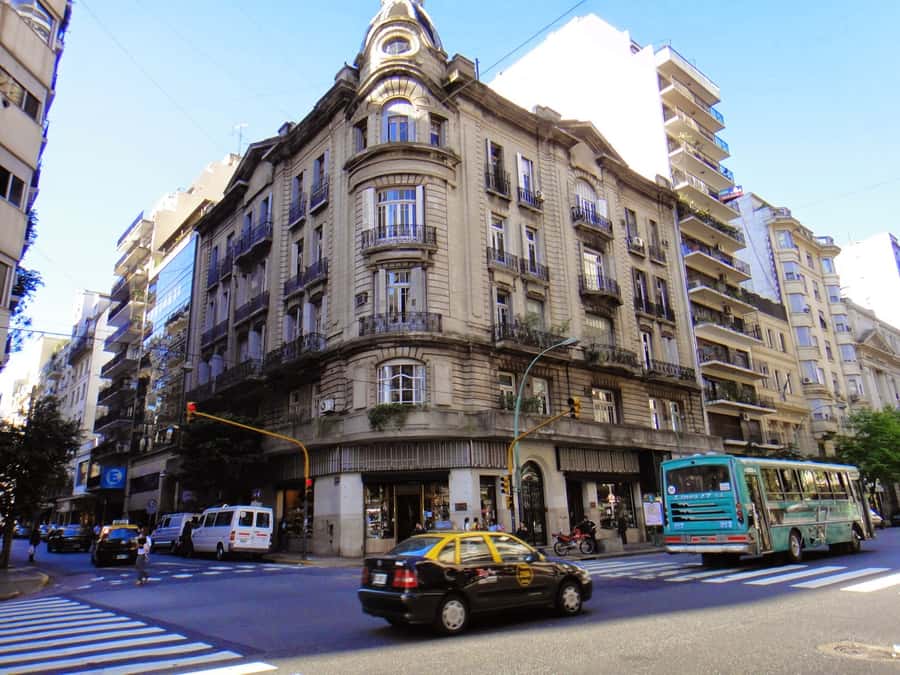
This tour threads in major art institutions, but in a way that keeps your time intact. You’ll visit the Museum of Latin American Art of Buenos Aires for a short guided look, then later you’ll also see the Museo Nacional de Bellas Artes.
Two things make this worth your time:
- The stops are guided, so you’re not left guessing what you’re seeing.
- The time spent is efficient, which means you still get to cover multiple landmarks instead of losing the whole day to one building.
A likely benefit for you: if you’re the type who gets decision fatigue in museums, these guided bursts can help you figure out what you want to revisit later. You might discover that you love a particular style, artist, or room layout—and then choose to return when you have more time.


The Law University and the Belle Époque feel
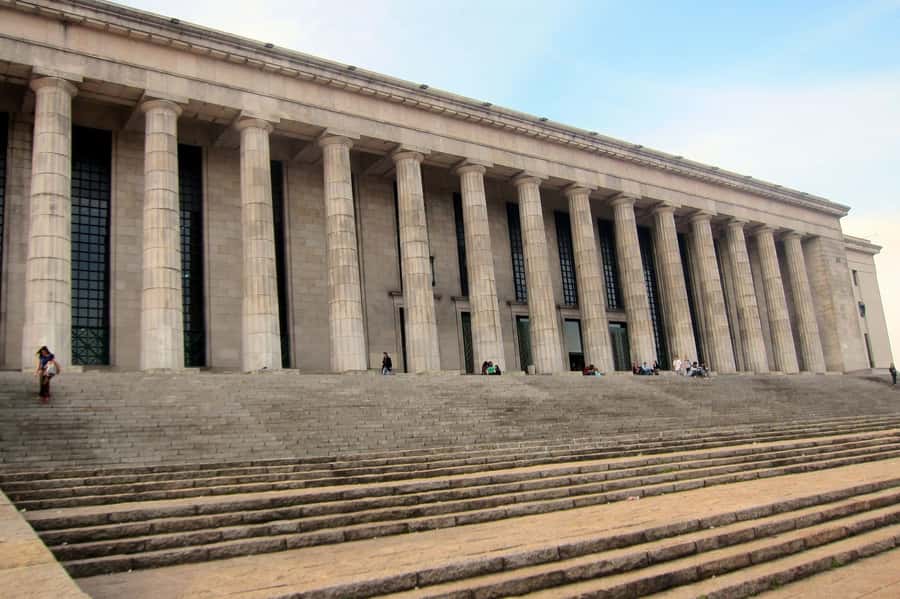
One of the most interesting shifts in the tour is moving from museums and sculpture back to street-level architecture. You’ll head toward the Facultad de Derecho (UBA) area, where the building’s scale and design make Recoleta’s identity feel real.
This stop also connects to the tour’s bigger theme: the neighborhood’s influence from the Belle Époque look. When you’re standing near a building like this, it’s easier to understand why people describe Recoleta as an aristocratic display. The architecture isn’t just decoration; it’s a message about ambition, institutions, and who shaped the city.
If you’re taking your first trip to Buenos Aires, this is the moment when the tour clicks. You start seeing how the city’s social history shows up in facades and frontage, not just in textbooks.
Palais de Glace: quick stop, clear payoff
You’ll also make a shorter stop at Palais de Glace. The time here is brief, but it works as a visual relay between larger landmarks. In a short tour, these smaller stops are often what keep you from feeling like every moment is either a museum line or a long walk. You get to check another key building off your mental map and keep moving.
The best value here is perspective. You’ll have just seen how museums and major structures operate in Recoleta, and then Palais de Glace gives you another architectural layer—again tied to that Belle Époque inspiration.
Finishing near MALBA: modern art after aristocratic streets
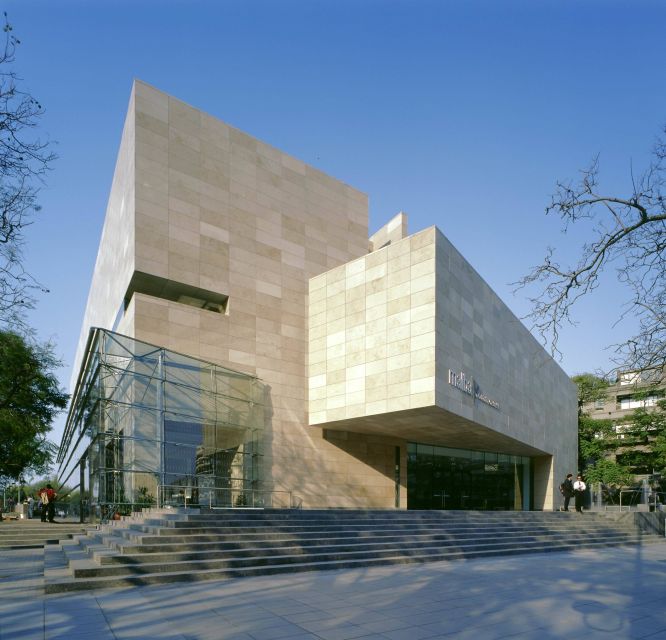
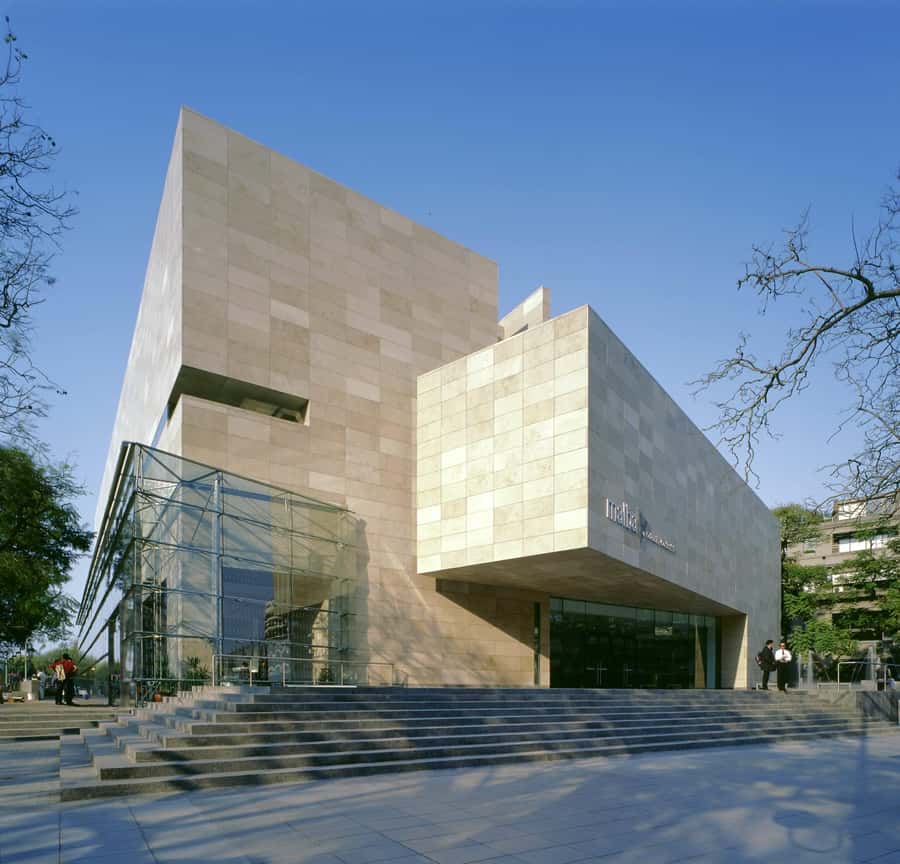
The tour ends with time around the Malba Museum area. That ending makes sense because it flips the mood. You start in a cemetery full of public memory and ornate symbolism, then move through institutions and city design, and finally land near a modern art stop.
Even if you don’t spend deep time inside Malba during the tour window, just ending here gives you a practical next step. You can decide whether modern art is your thing and, if it is, extend your day in a way that feels natural—not random.
Price and pacing: is $93 worth it?
At $93 per person for about 2 hours, the value comes from the combination:
- a professional guide
- multiple major stops across Recoleta
- guided time at several landmarks
- skip-the-ticket-line help
- no hotel pickup, which keeps the tour focused and streamlined
If you were to do this on your own, you’d likely spend time figuring out which order makes sense, plus you might miss context at the cemetery and architecture stops. Paying for a guide here is less about convenience and more about getting the meaning behind the scenery, especially at Recoleta Cemetery and around Eva Perón’s crypt.
Pacing is also a big part of the value. This isn’t a marathon. You’ll be walking, but the structure is designed for sightseeing with short guided windows. That suits first-timers, photographers, and people who want to understand a neighborhood without turning the day into a full museum binge.
Who this tour fits best
I think this tour is a strong match if:
- you’re short on time in Buenos Aires but want real Recoleta texture
- you care about architecture and public spaces, not just interior sights
- you want a cemetery visit with context, not a quick look from the entrance
- you prefer guided direction in English or Spanish
It might be less ideal if you want long, quiet time inside museums or if you’re looking for a slow walk with lots of free wandering. This is structured, and that’s the point.
Should you book this Recoleta walking tour?
Yes, I’d book it if you want a smart first pass through Recoleta. The cemetery portion around Eva Perón’s crypt is the kind of stop that benefits the most from guidance, and the rest of the route keeps you seeing major architecture and art landmarks without wasting half your day on logistics.
If you’re unsure, here’s my practical advice: if you can handle 2 hours of walking and you want your sightseeing to come with explanations, this is a good use of your time. If your priority is deep museum time, plan this tour as the morning or early afternoon foundation, then come back later with your own pace for the places that hooked you.
FAQ
FAQ
Where does the tour start?
The tour starts at the Recole ta Cemetery meeting area, with you meeting your guide about ten minutes before the tour time.
How long is the walking tour?
The tour lasts 2 hours.
Do I need hotel pickup?
No. Hotel pickup and drop-off are not included, so you’ll get yourself to the meeting point.
Is this tour only in Spanish?
No. The tour is offered in Spanish and English with a live guide.
What sites are included?
You’ll see stops including Museo de Arte Latinoamericano de Buenos Aires (Malba), Floralis Genérica, Museo Nacional de Bellas Artes, Facultad de Derecho (UBA), Palais de Glace, and La Recoleta Cemetery, including Eva Perón’s crypt.
Is there an entry/ticket line to wait in?
The tour includes skip the ticket line help.
Where does the tour end?
The activity ends back near the meeting area, and the walk loops back to La Biela.
Can I cancel if my plans change?
Yes. There is free cancellation up to 24 hours in advance for a full refund.