REVIEW · BUENOS AIRES
Recoleta & Cemetery for curious people
Book on GetYourGuide →Operated by Social&Cultural · Bookable on GetYourGuide
Recoleta has more stories than tombs. This interactive walk turns Buenos Aires’ gilded-age opulence into a live discussion, moving from grand public spaces toward Recoleta Cemetery. You’re not just staring at pretty buildings. You’re unpacking what power looked like, who got remembered, and what that says about modern Argentina.
What I love most is the way the guide keeps things conversational, so your questions shape the pace. The second big win is the cemetery focus: it’s treated like a social mirror—who’s honored, who fades away, and what that reveals about Argentina’s elite. One thing to consider: actually going into the cemetery is optional, and the ticket isn’t included.
In This Review
- Key highlights if you’re curious (and a bit skeptical)
- Recoleta as Buenos Aires in costume
- Starting at Rapa Nui Store: how the tour sets the tone
- Plaza General San Martín to the big landmarks: architecture as evidence
- Mansion Estrugamou, Casa Basavilbaso, and the elite’s street-level theater
- Embassy of France, Jockey Club, and Park Hyatt area: status in different uniforms
- The cemetery decision: what you get even if you skip the ticket
- The interactive guide style: questions matter more than facts
- Price and value: is $34 for 150 minutes fair?
- Who should book this tour, and who might skip it
- Should you book this tour?
- FAQ
- FAQ
- Where does the tour start?
- How long is the experience?
- What does the tour cost?
- Is the Recoleta Cemetery ticket included?
- Can I buy the cemetery ticket on the day?
- What languages are offered?
- Is the tour suitable for wheelchair users?
- Is there free cancellation?
Key highlights if you’re curious (and a bit skeptical)
- A guided, discussion-first walk that treats architecture like evidence, not decoration
- Buenos Aires’ Parisian illusion explained through ambition, wealth, and social rank
- The city of the dead as a mirror of society, not a dusty detour
- University-degree guide format, with time for individual questions
- Most sights are quick stops, so you get context without wasting hours
- Cemetery entry is optional, so you can decide based on budget and your mood
Recoleta as Buenos Aires in costume
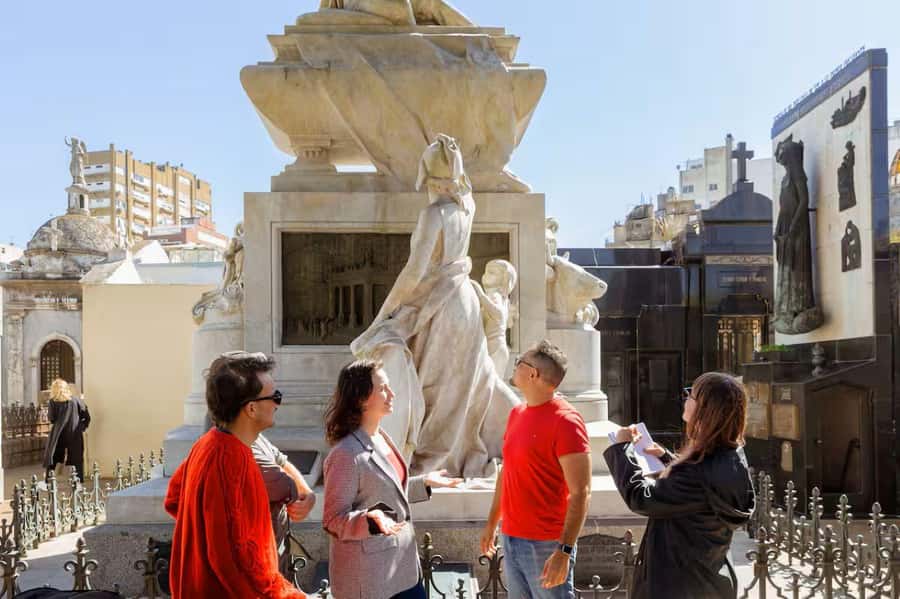
Buenos Aires has a talent for reinvention. And in Recoleta, you get it in full outfit: polished façades, big institutions, and wealth turned into public theater. This tour leans into that idea with an anthropological lens. The question isn’t only what you’re seeing, but why it was built, who it was for, and what story the neighborhood tries to tell.
I like that the experience doesn’t pretend history is neutral. Instead, it frames the past as something people argued over in real time: Argentina’s rise, its fall, and the push-and-pull of being a “potential world power.” You’ll also hear how Buenos Aires earned its famous nickname through a particular kind of aspiration—the Parisian illusion—where style and status tried to outshine reality.
You can also read our reviews of more tours and experiences in Buenos Aires.


Starting at Rapa Nui Store: how the tour sets the tone
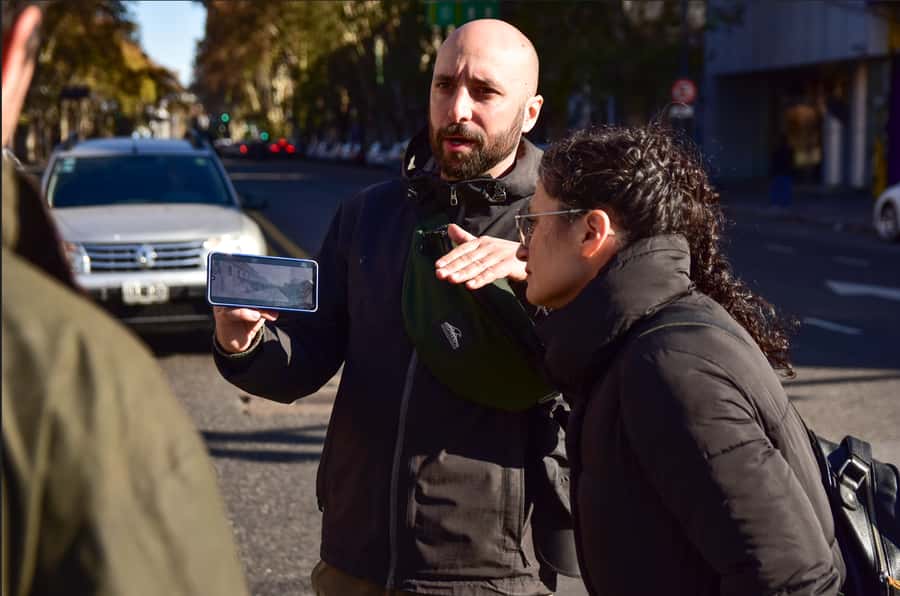
You meet at Rapa Nui Store, then head out on foot. The whole experience runs about 150 minutes, which is a sweet spot for Recoleta: long enough to build context, short enough that you don’t feel trapped walking in circles. Since it’s a guided walk with active discussion, the pace tends to stay flexible based on what interests you most.
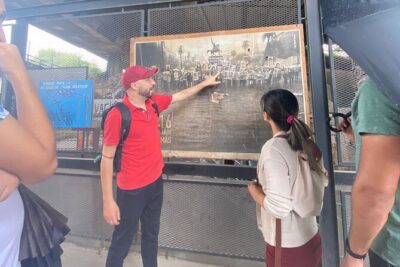
Language options are Spanish, English, and French, and the guide is described as having a university-degree background. In practice, that usually means less reciting and more explaining. People who want to ask questions tend to get room for that—especially when you’re curious about why one building matters or what a cemetery can tell you about society.
Group size is private or small-group. That matters more than it sounds. In a big group, you watch. In a small group, you can actually talk. I also appreciate that the tour is wheelchair accessible, so you’re not forced into a “good luck, stairs” situation.
Plaza General San Martín to the big landmarks: architecture as evidence
Early on, you spend time around Plaza General San Martín. Two short guiding moments there help you get your bearings fast and understand how the neighborhood communicates status right from the start. Plazas like this aren’t just pretty landing pads. They’re social stage sets, and the guide treats them that way.
From there, you move through a stretch of major city statements:
- Edificio Kavanagh: You’ll spend time with the building in a way that’s meant to help you “read” it. The focus is on ambition and what wealth was trying to signal.
- Torre Monumental: Another quick stop where the guide helps connect scale and symbolism—again, not just a photo op.
- Palacio San Martín: This one gets framed in the context of power and public image, the kind of architecture that makes authority feel permanent.
These stops are short—think around 10 minutes each—so the goal is momentum, not lingering. The trade-off is you won’t have hours to wander independently. The upside is you’re getting the why behind the what. If you’re the type who likes context while seeing sights, this works.
A practical note: because the stops are quick, you’ll benefit from wearing shoes you like walking in. Recoleta is manageable, but it’s still a walking day.
Mansion Estrugamou, Casa Basavilbaso, and the elite’s street-level theater
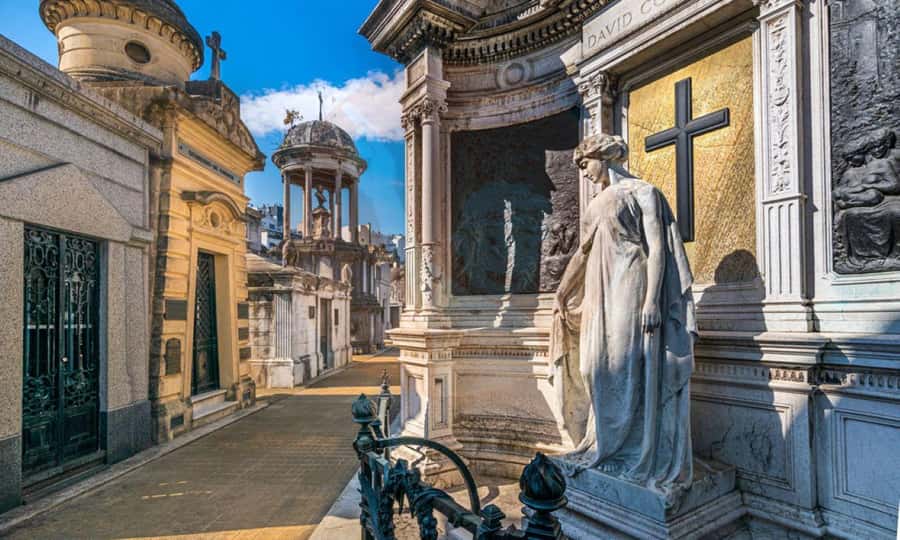
Then the tour shifts from monuments to something more intimate: Mansión Estrugamou (Casa Basavilbaso). Mansions and grand residences are great for learning how elite life operated. From the outside, they can look like oversized personal statements. With a guide, they become evidence of social structure—who lived like this, who financed it, and how that shaped the city.
At this stage, you start seeing the tour’s main argument more clearly. Argentina’s gilded-age story here isn’t only about money. It’s about identity—how the wealthy tried to make the city match the version of themselves they wanted to project. The guide keeps pushing you to question the narrative, including the idea that Buenos Aires’ glamour was both real and constructed.
You also get an important “capital city” angle. The tour isn’t only about Recoleta. It’s about how a capital evolves—what it keeps, what it discards, and how quickly its image can change when politics and economics swing.
Embassy of France, Jockey Club, and Park Hyatt area: status in different uniforms
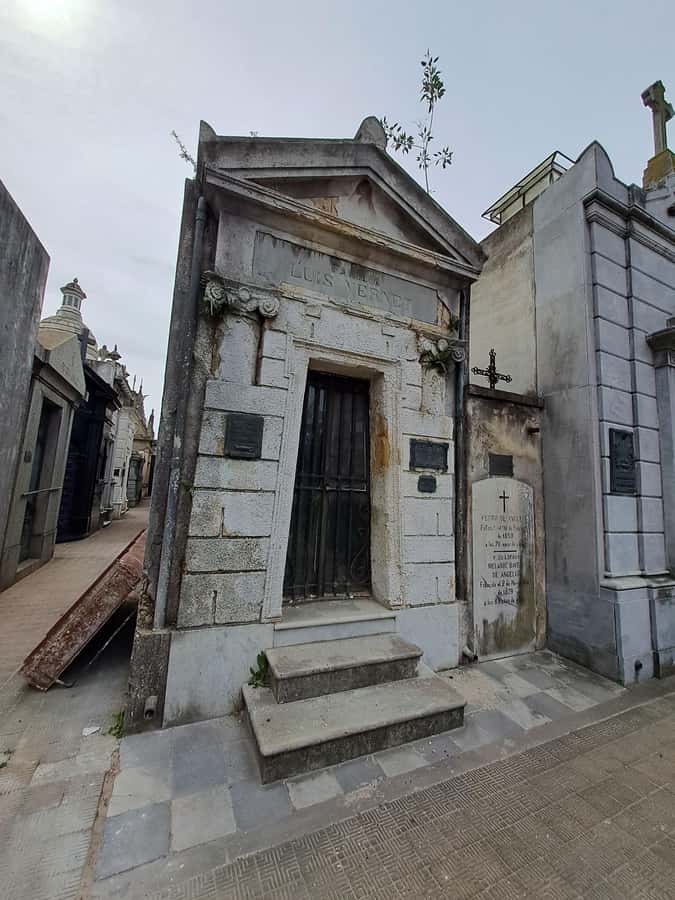
One of the more interesting sections is when the tour goes through institutions and prestige addresses. You’ll see stops that represent different kinds of authority:
- Embassy of France, Buenos Aires
- Jockey Club, Buenos Aires
- Palacio Duhau – Park Hyatt Buenos Aires (a shorter stop, around 5 minutes)
What I like here is that the tour avoids treating these places as untouchable. The guide frames them as part of the same system: social rank plus cultural ambition. The French connection is a natural fit for the Parisian illusion theme, and the club and hotel-adjacent landmarks show how exclusivity can be branded in different ways.
A small drawback with this kind of itinerary is that some stops feel like they’re “look from the outside, absorb the meaning.” If you’re hoping to go inside every building, you may leave with the feeling that you only sampled the city’s surface. But that’s also where the value comes in: you’re learning how the outside communicates power.
At some point in the middle, there’s a short break (you’ll get a few minutes to reset). That’s not just comfort—it keeps the discussion from turning into a marathon. When you’re learning social history on a walking circuit, breaks help your brain keep up.



The cemetery decision: what you get even if you skip the ticket
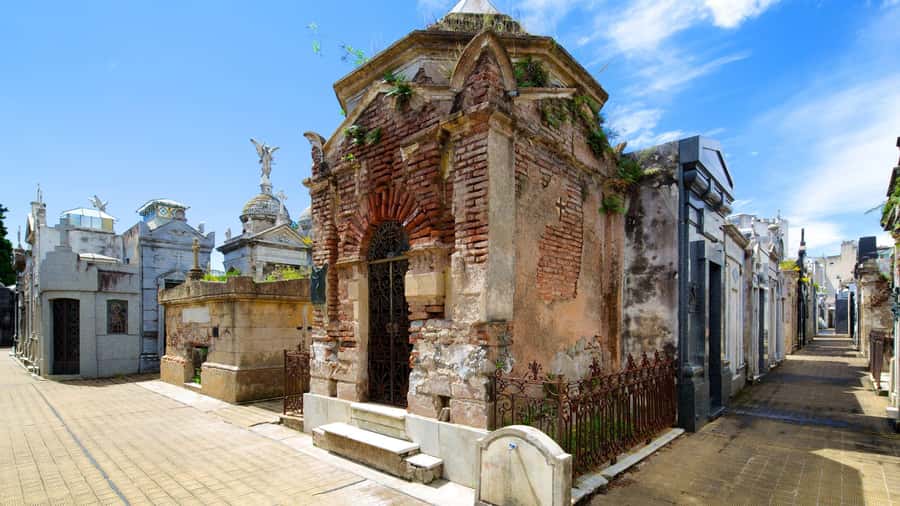
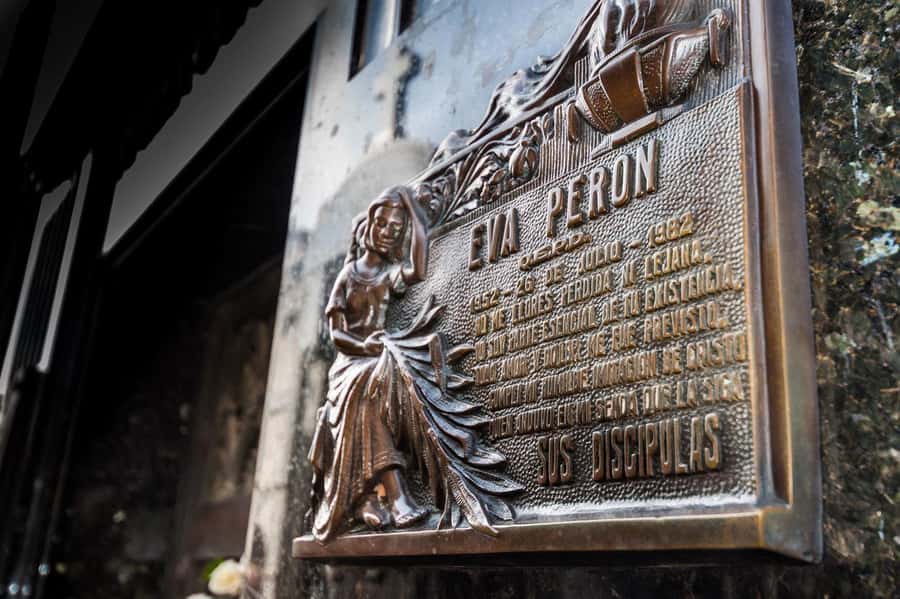
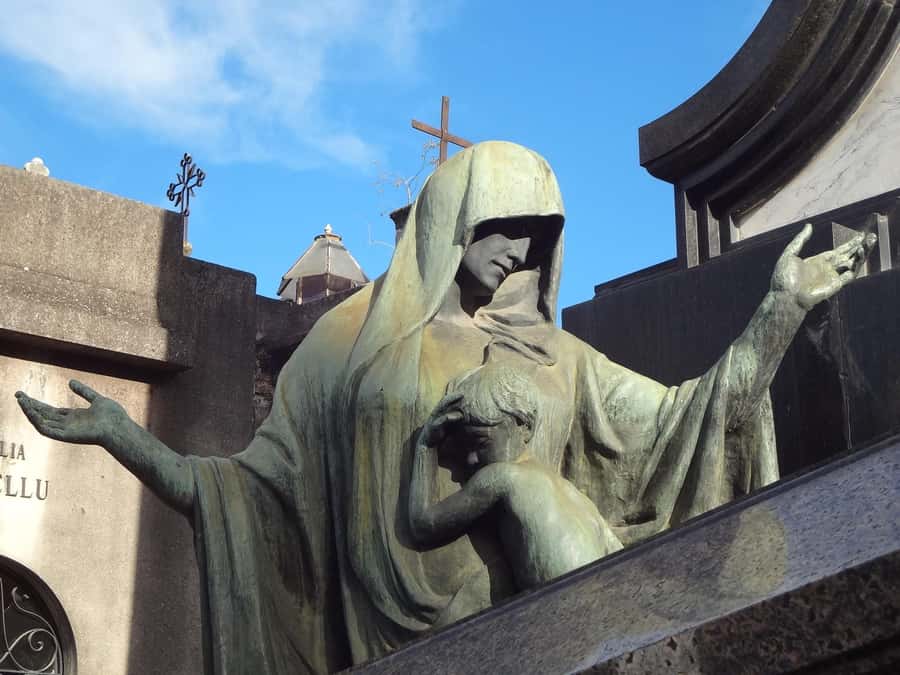
The centerpiece is Recoleta Cemetery, with about 45 minutes set aside for the guided portion. The tour treats the cemetery like an outdoor museum of society. It’s not only about individual graves. It’s about patterns: who is remembered, who is forgotten, and what kind of secrecy or message you can read into the layout and memorial styles.
Here’s the practical part: actual entry is optional. The ticket isn’t included, but you can purchase it at the entrance or online in advance. If you’re budget-conscious, you can still follow the discussion and get a lot from the storytelling. If you want to experience the cemetery as fully as possible, you’ll want to plan for that extra ticket cost.
I also appreciate that this tour doesn’t treat the cemetery as pure gloom. Instead, it connects the dead to social ambition and the living to their choices about legacy. You’ll hear themes like:
- City of the dead as a mirror of society
- questions about memory and forgetting
- how the elite shaped the story of what counts as lasting
If you’re the sort of person who can’t stop thinking about why a place feels the way it does, this section is the payoff.
The interactive guide style: questions matter more than facts
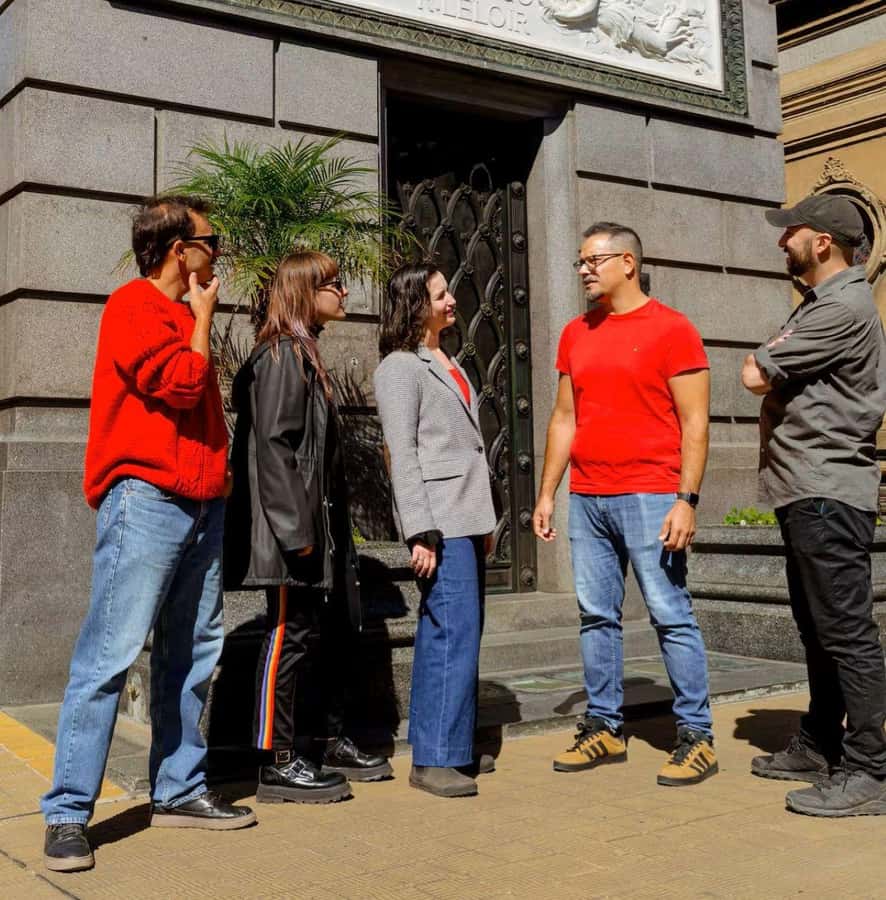
Several guides associated with this experience are praised for doing more than reciting dates. One name that comes up is Nicolas (often called Nico), and another is Ignacio. There’s also mention of a guide named Guise Nicolas. Across these examples, the common thread is that the guide has room for individual questions and tends to answer with helpful side stories tied to the place.
That matters because Recoleta is easy to misread if you only look at style. A conversation makes you notice things you’d otherwise skip, like how the city’s image sells itself and how the cemetery represents a social system. You don’t need to be a history fanatic. You just need curiosity—and a willingness to talk.
The guide also keeps the pace aligned with the group. Some people want the shorter version. Others want to linger in the places where the story clicks. That flexibility can make the tour feel less like a schedule and more like guided discovery.
Price and value: is $34 for 150 minutes fair?
At $34 per person for roughly 150 minutes, the price lands in the “good value” range if you care about meaning, not just photos. You’re paying for guided interpretation plus discussion time—not entrance fees (the cemetery ticket is separate if you choose to go in).
Here’s how I’d decide if it’s worth it for you:
- If you want a guided walking circuit that explains why Recoleta looks the way it does, this is solid value.
- If your goal is to spend long hours inside every site, you might feel limited. This experience is built for context on the move.
- If you like the idea of optional cemetery entry, you can right-size your spend: follow the story either way, then decide how far to go.
Also remember: a small-group format tends to give you more interaction per minute. That’s where the $34 turns into more than movement—it becomes time with an actual guide.
Who should book this tour, and who might skip it
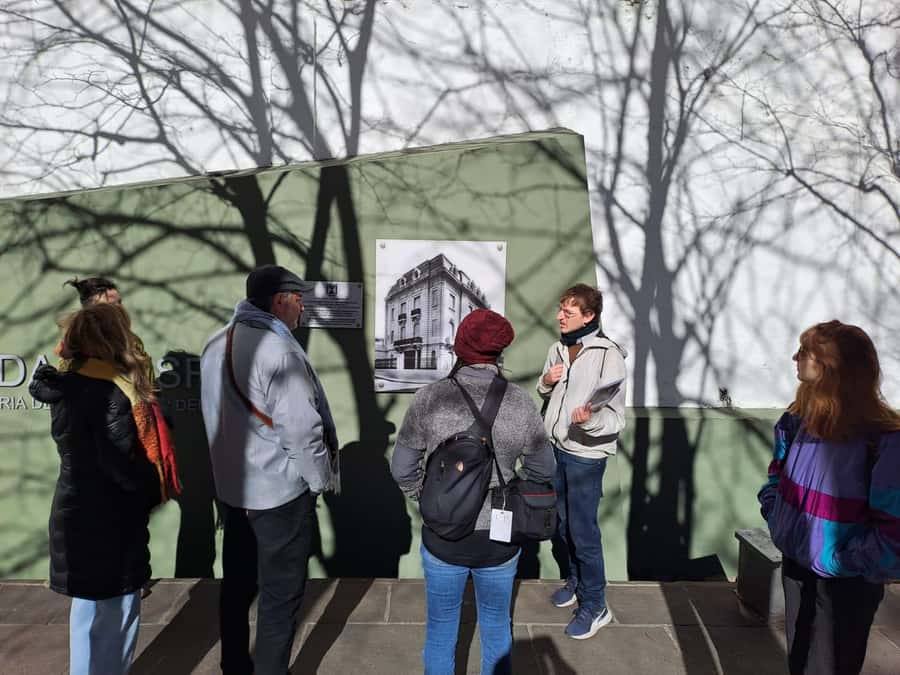
This is a strong fit if you:
- enjoy walking with structure but still want to ask questions
- like the angle of social history and cultural signals
- want to understand Argentina’s gilded-age mindset through real places
- find cemeteries more interesting when they connect to society
You might skip it if you:
- want a purely sightseeing day with lots of free wandering inside buildings
- prefer museums with curated exhibits rather than discussion-heavy walking
If you’re somewhere in the middle, you’ll probably enjoy it. Recoleta works best when you treat it like a reading experience, not a checklist.
Should you book this tour?
Yes, if you want Recoleta to make sense. The combination of guided architecture stops plus a cemetery section built around society, memory, and power is the right mix for people who like their history with questions attached.
Book it with a simple plan: decide in advance whether you want to buy the cemetery ticket. If you’re comfortable adding that cost, the experience feels more complete. If not, you can still get a lot from the guided discussion and the way the guide frames the cemetery as a social map.
FAQ
FAQ
Where does the tour start?
The meeting point is Rapa Nui Store.
How long is the experience?
The duration is about 150 minutes.
What does the tour cost?
The price is $34 per person.
Is the Recoleta Cemetery ticket included?
No. Cemetery entry is optional, and the ticket is not included.
Can I buy the cemetery ticket on the day?
Yes. You can buy tickets at the entrance or online in advance.
What languages are offered?
The live tour guide speaks Spanish, English, and French.
Is the tour suitable for wheelchair users?
Yes. The experience is wheelchair accessible.
Is there free cancellation?
Yes. You can cancel up to 24 hours in advance for a full refund.