REVIEW · BUENOS AIRES
Buenos Aires for curious people
Book on GetYourGuide →Operated by Social&Cultural · Bookable on GetYourGuide
Buenos Aires has a way of talking back. This walk-style intro helps you read the city like a living textbook, using street corners and landmarks to explain how Argentina’s capital became what it is today. I especially liked the anthropology-flavored history that connects people, culture, and power, and the chance for real question-and-answer discussion as you go. The one thing to consider: it’s a steady walking route in changing weather, so comfortable shoes and water matter.
You’ll meet at Bar Británico and move from the quieter edges of history toward Plaza de Mayo. Along the way, you’ll hear about first inhabitants, why the British were drawn to these shores, and what happened to the city’s African-descendant communities. You’ll also get the “why should I care?” version of bigger themes like immigration, Evita and Perón, and the memory of the desaparecidos.
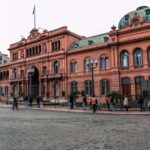
By the time you reach Casa Rosada, the past won’t feel like a list of dates. It’ll feel like an explanation for today’s Argentina, including the surprisingly practical topic of how the US dollar shapes daily life.
In This Review
- Key things you’ll notice on this walk
- A walking timeline, from Bar Británico to Casa Rosada
- The anthropology angle: the people behind the buildings
- Lezama Park: where the story starts to loosen up
- The Holy Trinity church and the Swedish club: layers of belief and belonging
- Espacio para la Memoria ex CCD Club Atlético: memory that doesn’t sit quietly
- San Pedro González Telmo and Plaza Dorrego: a neighborhood that keeps speaking
- San Telmo Market break: turn history into a sensory reset
- Engineering faculty, UCA, and the city’s institutions
- Puente de la Mujer: modern Buenos Aires with a past still attached
- Price and value: what $30 buys you in Buenos Aires
- Who this is best for (and who might want something else)
- How to get the most out of it
- Should you book Buenos Aires for curious people?
- FAQ
- Where does the tour start?
- How long is the experience?
- How much does it cost?
- What’s the route like at the end?
- What languages are available for the live guide?
- Is the tour wheelchair accessible?
- What should I bring?
- What’s included in the price?
- Are meals included?
Key things you’ll notice on this walk
- Lezama to Plaza de Mayo: a long arc that turns neighborhoods into cause-and-effect
- Conversations, not monologues: you’re encouraged to ask why, not just what
- A mix of old, modern, and contested memory: from churches and markets to a former CCD site
- Argentina’s migration story in plain language: with attention to who arrived and who was erased
- City icons as history prompts: Casa Rosada and Puente de la Mujer are not just photo stops
- San Telmo Market break: you get time to breathe and snack your way through the story
A walking timeline, from Bar Británico to Casa Rosada
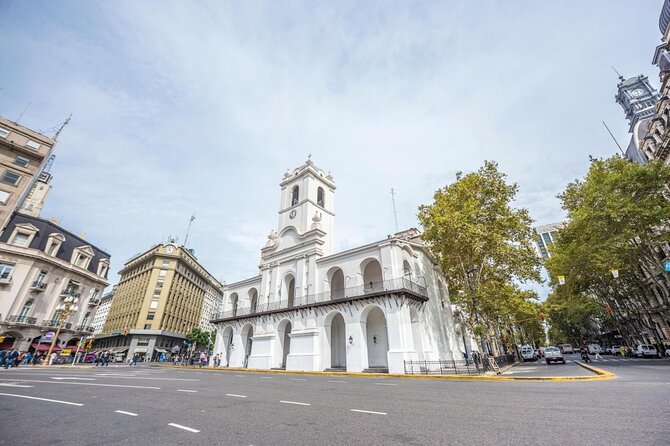
This tour works because it treats Buenos Aires as the curriculum. Instead of cramming facts into your head, the guide points you toward the questions that explain the city’s layers: who belonged here, who tried to control it, and who got forgotten.
The pacing is built for 3 hours of walking with short guided stops, then one real break at the San Telmo Market. You’ll cover enough ground to feel like you’ve moved through the city’s “logic,” but it never feels like you’re sprinting to the next stop. If you like understanding the why behind the what, this format suits you.
And at $30 per person, the value comes from what you get beyond sightseeing. You’re not paying only for access to places; you’re paying for a guide who frames them into a bigger story you can actually use later as you explore on your own.
One practical note: transportation to the meeting point isn’t included. So give yourself a little time to get to Bar Británico, and don’t plan an ultra-tight schedule beforehand.
You can also read our reviews of more tours and experiences in Buenos Aires.
The anthropology angle: the people behind the buildings
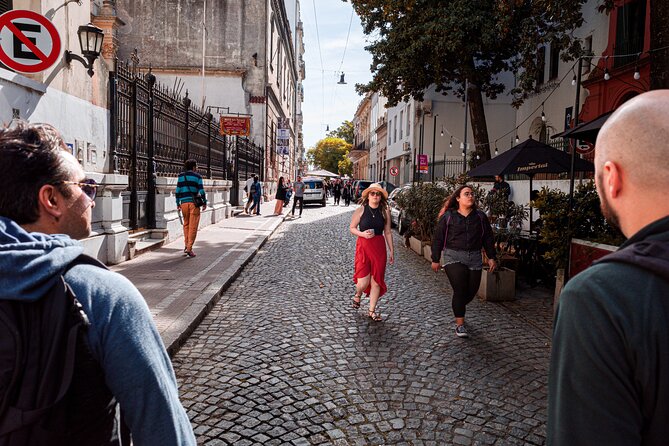
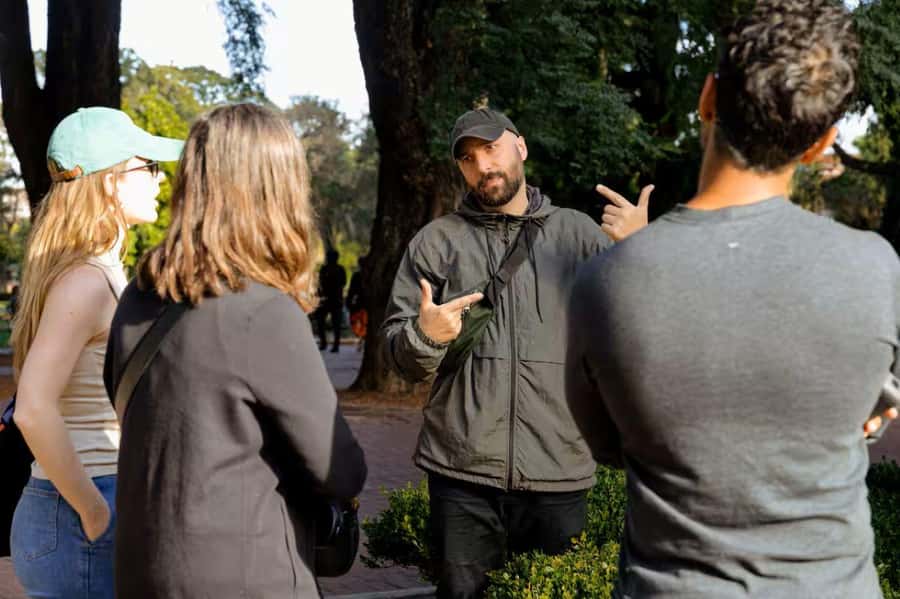
What sets this experience apart is the tone. It’s conversational, and the history has a human spine. You’ll talk through topics that many tours skirt because they’re complicated, like identity, power, and migration.
The guide focuses on questions such as:
- Who were the first inhabitants?
- Why were the British so interested in these shores?
- What happened to Buenos Aires’ significant African-descendant population?
- How did Argentina become a nation of immigrants?
- How do the stories of Evita and Perón still echo today?
- Who were the desaparecidos, and how does their memory shape modern Argentina?
- Why does the US dollar have so much influence over the local economy?
That’s a lot, but it doesn’t feel like an exam. You’ll notice how each topic gets anchored to a real place—churches, public spaces, institutions, and monuments—so you don’t just learn answers. You learn how to keep asking the right questions while you travel.
If you’re the type of visitor who likes to connect street scenes to broader politics and social change, you’ll get more out of this tour than you would from a “name-and-date” style walk.
Lezama Park: where the story starts to loosen up
The walk begins around Parque Lezama, and it’s a smart opening. Parks give you breathing room, and in this case the guide uses that space to set a historical baseline—how the city’s development connects to the lives of the people who were here before today’s skyline.
You’ll also get a feel for how Buenos Aires grew outward and what kinds of communities formed in different periods. That matters because later stops start to make more sense when you understand the city didn’t develop in a straight line.
If you’re jet-lagged or arriving with “just show me the highlights” energy, this first segment helps you calibrate. You start seeing the tour not as a list of stops, but as a sequence of cause-and-effect.
The Holy Trinity church and the Swedish club: layers of belief and belonging
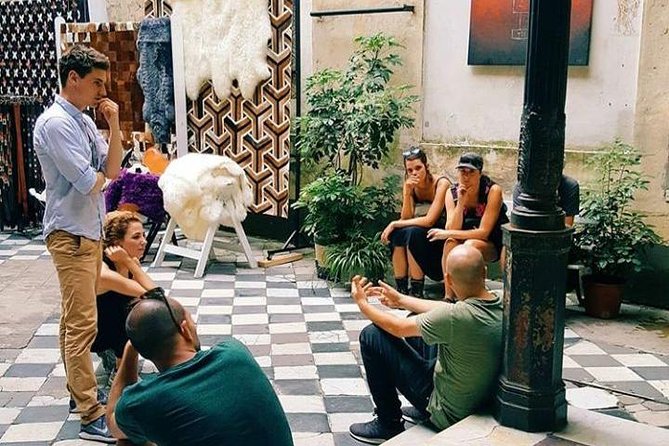
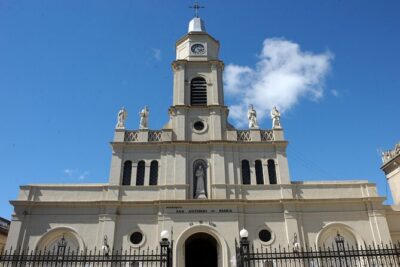
After Lezama, the route takes you past the Russian Orthodox Church of the Holy Trinity. Even if you don’t know Orthodox history, the guide uses the presence of the church to talk about cultural identity in Buenos Aires. You’re seeing immigration and community life in architecture form, not theory.
Then there’s a stop near Club Sueco Restaurante. It sounds like a simple change of scenery, but the point is bigger: Buenos Aires has long attracted groups looking to build community, and those communities left visible marks. You’ll hear how that connects to the wider immigration theme—who arrived, what they kept, and how that shaped the city.
The drawback here is subtle: if you prefer only the most famous landmarks, these “in-between” stops may feel less dramatic at first. But if you stick with it, they pay off when you realize the tour is teaching you how to read Buenos Aires as a patchwork.
Espacio para la Memoria ex CCD Club Atlético: memory that doesn’t sit quietly
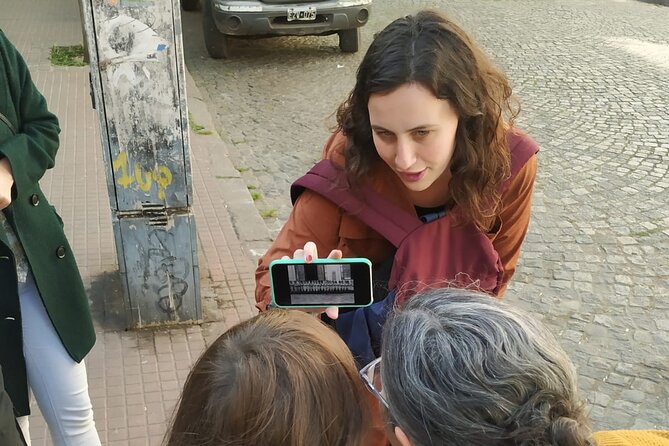
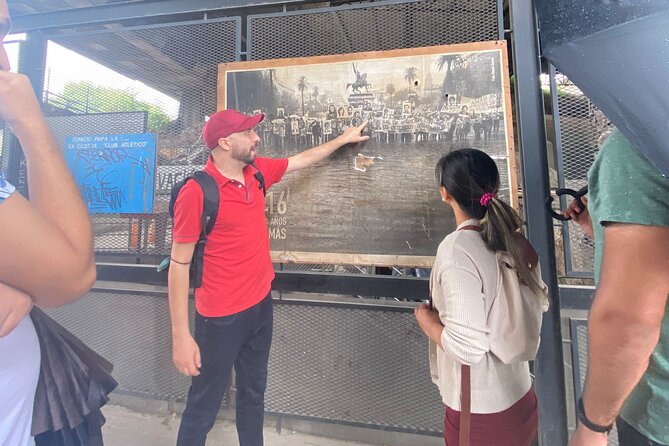
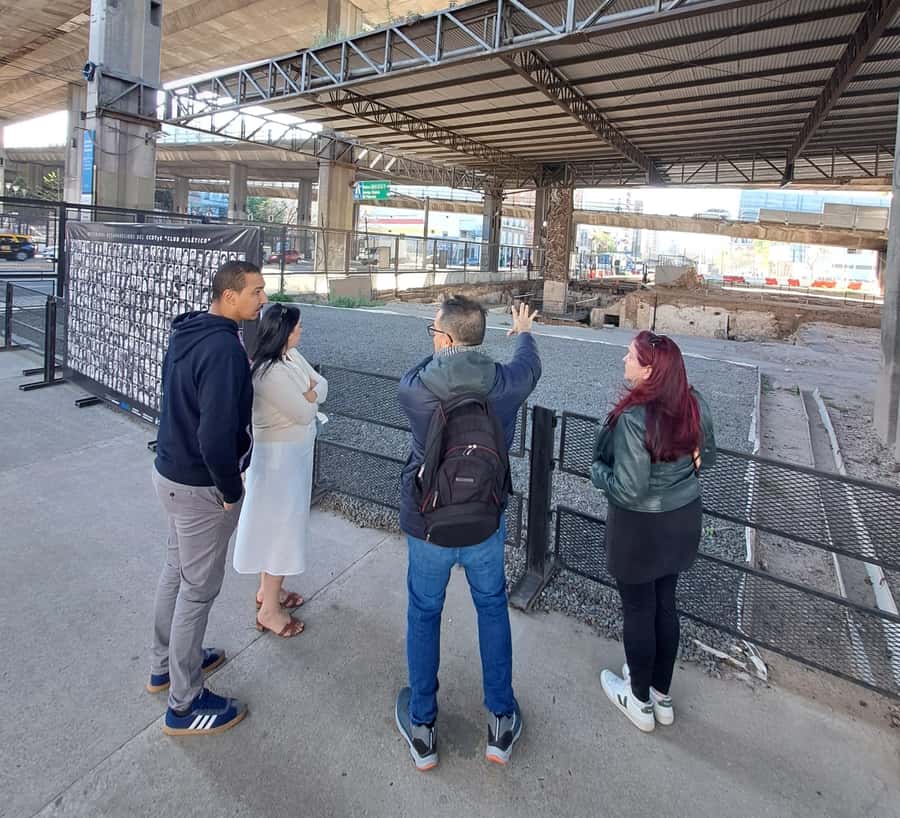
One of the most serious and important stops comes at Espacio para la Memoria ex CCD Club Atlético. The guide frames it in a way that’s grounded in the concept of memory—how a place can hold history even when the present tries to move on.
You’ll spend a short guided moment here, but it’s the kind of stop that changes your listening for the rest of the walk. The conversation about the desaparecidos isn’t just emotional. It connects to how modern Argentina remembers, debates, and argues with the past.
I’d treat this stop with the respect it deserves. Bring a calm mindset and be ready to talk. The guide actively invites questions, and that can be the most powerful part—hearing how Argentina explains itself through contested history.
San Pedro González Telmo and Plaza Dorrego: a neighborhood that keeps speaking
As you move through Parroquia de San Pedro González Telmo, you’ll get another angle on identity—religion as a long-term institution that helps communities organize life. The guide uses it to connect the everyday to bigger historic rhythms.
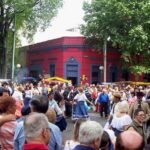
Then you hit Plaza Dorrego, a classic Buenos Aires gathering place. In this setting, the guide’s job is to show you that public squares aren’t just pretty—they’re stages for social life and change. If you like people-watching, this stop gives you both context and atmosphere.
These kinds of pauses are valuable because they keep the story from getting too heavy. You get a sense of the human scale of Buenos Aires, not only the political one.
San Telmo Market break: turn history into a sensory reset
The tour includes a 20-minute break at San Telmo Market, and it’s not filler. Markets are where you can quickly test what you’re learning with your senses. You’ll see everyday commerce, casual interactions, and the kind of energy that makes a city feel alive.
Use the break smartly:
- Buy something small if you want a taste and a moment to slow down.
- Take photos, but keep your eyes open for how people actually move and shop.
- If you still have questions, use this time to mentally bookmark what you want to ask next.
You don’t have a long sit-down meal built into the tour, and meals and drinks aren’t included. So plan a proper lunch or snack around this segment if your day requires it.
Engineering faculty, UCA, and the city’s institutions
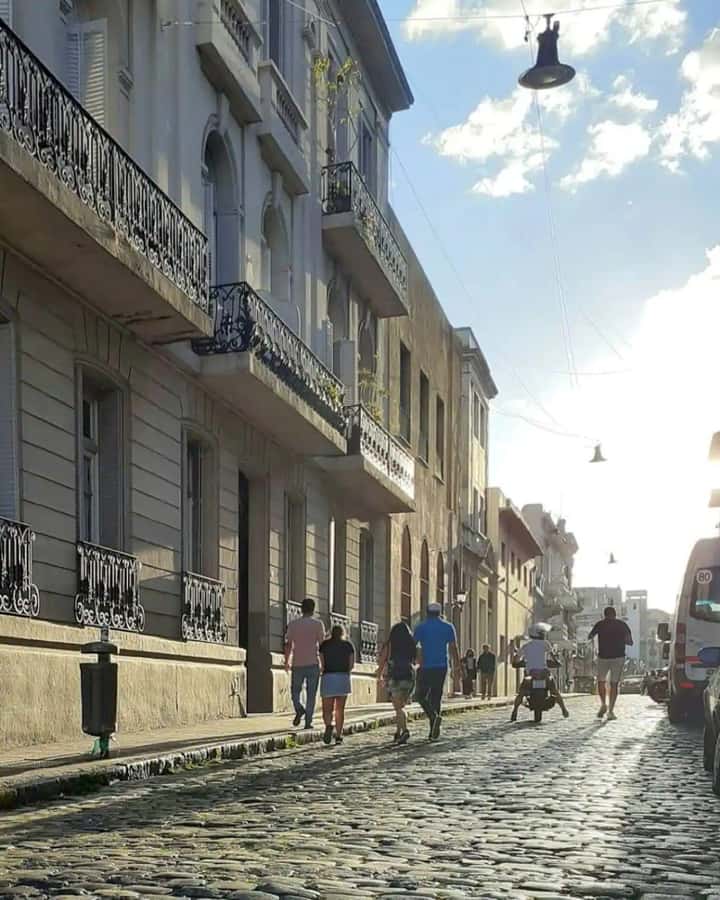
Later, you’ll pass Facultad de Ingeniería and UCA Santa María de los Buenos Aires. These stops are about more than impressive buildings. The guide uses institutions to explain how ideas travel through societies—through education, research, and public life.
This is where the tour helps you understand why politics in Argentina feels personal. Institutions create the language people use to argue about the future. And when you understand that, you read headlines differently later in the trip.
The walk between these points also helps you shift from “monument mode” into “city mode.” You’re not only visiting; you’re moving like a person who lives here.
Puente de la Mujer: modern Buenos Aires with a past still attached
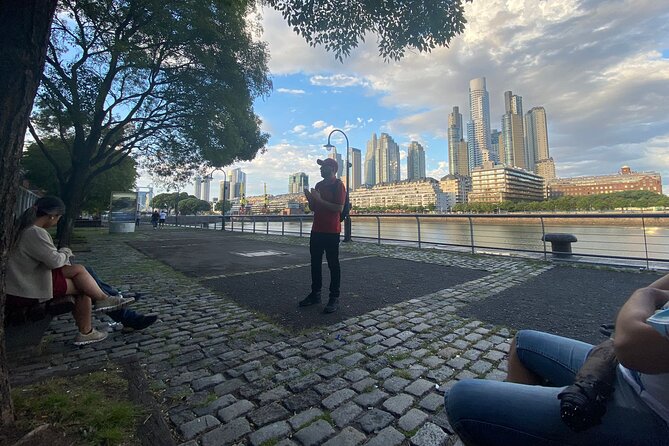
The route finishes with Puente de la Mujer, the kind of landmark people photograph first. The guide encourages you to look again—this is where you’re reminded that Buenos Aires never stops adding new layers.
From there, you finish with drop-offs around Museo Casa Rosada, Casa Rosada, and Plaza de Mayo. That ending is strong because it brings the narrative to the center of power. After three hours of connecting migration, memory, and politics to everyday geography, Casa Rosada doesn’t feel like a random icon. It feels like a conclusion to a bigger chain of events.
If you’re planning a second day in the capital, this ending helps you know where to linger. You’ll have a sense of what you’re looking at and why it matters.
Price and value: what $30 buys you in Buenos Aires
At $30 per person for a 3-hour guided walk, the value comes from three things.
First, you get a professional guide plus historical insights that are tied to real streets and institutions. This isn’t a generic “here’s what happened” lecture; it’s a story you can revisit visually.
Second, you get discussion and debate opportunities. That’s rare in short sightseeing formats, and it’s a big deal if you want to understand Argentina beyond surface slogans.
Third, you get language support. The live guide can be Spanish, French, English, or Portuguese, which makes the experience work if you’re not traveling with native Spanish.
If you like tours where your brain stays engaged, this fits. If you only want passive sightseeing and photos, you may prefer a more lightweight option.
Who this is best for (and who might want something else)
This tour is ideal for curious travelers who enjoy:
- talking through history and not just collecting facts
- mixing politics, migration, and identity into a coherent picture
- walking at a reasonable pace while still getting context
It also suits you if you’re visiting for the first time and want a strong orientation before exploring further. Even after the tour ends, you’ll keep noticing the same themes in museums, neighborhoods, and everyday conversations.
You might want a different format if:
- you’re sensitive to the heavier topics around memory and the desaparecidos
- you want a very light, mostly photo-based itinerary
- you have limited walking tolerance (it is wheelchair accessible, but it’s still an active city walk)
How to get the most out of it
Come with a little curiosity and good basics. Bring comfortable walking shoes, water, and sunscreen. A camera helps, especially for stops like Casa Rosada and Puente de la Mujer where the angles are memorable.
Most importantly, show up ready to ask questions. A lot of value comes from the guide inviting dialogue and pushing you to think through how the past influences the present.
And if you’re lucky enough to have a guide like Nicolás, you may notice a style that connects both fundamentals and surprising details. One person singled out how Nicolás handled everything from the basic setup to the more peculiar parts of the city story.
Should you book Buenos Aires for curious people?
I think you should book it if you want Buenos Aires to make sense. This is the kind of tour that helps you connect architecture and street scenes to migration, power, and memory, without turning the experience into a lecture.
If you’re traveling to Buenos Aires for the first time, it’s a strong way to get oriented fast with context you’ll use for days. If you already know some Argentine history and want a sharper street-level lens, the conversation format will likely feel refreshing.
If you only want a checklist of famous stops, you may find some segments quieter than you hoped. But the payoff is that the tour teaches you how to read Buenos Aires on your own, not just how to look at it.
FAQ
Where does the tour start?
The tour meets by Bar Británico.
How long is the experience?
It lasts about 3 hours.
How much does it cost?
The price is $30 per person.
What’s the route like at the end?
You’ll finish with drop-off locations around Museo Casa Rosada, Casa Rosada, and Plaza de Mayo.
What languages are available for the live guide?
The guide offers live interpretation in Spanish, French, English, and Portuguese.
Is the tour wheelchair accessible?
Yes, it’s wheelchair accessible.
What should I bring?
Bring comfortable walking shoes, a camera, sunscreen, and water.
What’s included in the price?
A professional guide, historical insights, and discussion/debate opportunities are included.
Are meals included?
No. Meals and drinks are not included.