REVIEW · BUENOS AIRES
Buenos Aires for curious people
Book on Viator →Operated by Social & Cultural · Bookable on Viator
San Telmo tells Buenos Aires in street-level history. This walk connects iconic sights like Plaza de Mayo and Casa Rosada with lesser-known corners that help the city make sense fast.
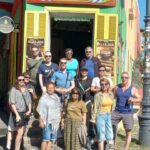
What I like most is the small group size (max 8), which makes questions feel normal, not rushed. I also love how the route mixes classic landmarks with serious history, including the Memory Walk linked to Argentina’s 1976 to 1979 dictatorship crimes.
One thing to consider: this is not a light-and-laughs photo tour. You will cover tough material, and you’ll be on your feet for a couple of hours, so choose this if you like walking and learning more than just taking pictures.
In This Review
- Key points to know before you go
- Why this Buenos Aires walk feels different from the usual tour
- Price and value: how $33 goes farther here
- The small group (max 8) changes how the tour feels
- The route in order: what each stop adds to the story
- Stop 1: Bar Británico (5 minutes)
- Stop 2: Parque Lezama (about 30 minutes)
- Stop 3: Club Sueco Restaurante, Swedish church (about 10 minutes)
- Stop 4: Memory Walk (about 20 minutes)
- Stop 5: Parroquia de San Pedro González Telmo (about 15 minutes)
- Stop 6: Plaza Dorrego (about 15 minutes)
- Stop 7: Mercado San Telmo (about 30 minutes)
- Stop 8: Puente de la Mujer (about 15 minutes)
- Stop 9: Casa Rosada (about 25 minutes)
- What you’ll learn without it feeling like a lecture
- Best times and smart ways to enjoy the walk
- Who should book this tour
- Should you book Buenos Aires for curious people?
- FAQ
- FAQ
- How long is the Buenos Aires for curious people tour?
- How much does the tour cost?
- Where does the tour start and where does it end?
- How many people are in the group?
- What major site is included at the end, and is admission included?
- Are the other stops free to enter?
- What happens if the weather is bad?
- Can most people participate, and are service animals allowed?
Key points to know before you go
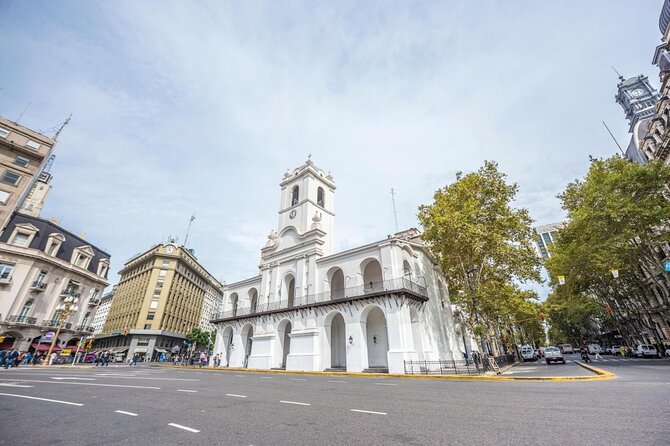
- Max 8 people means you actually get time to ask questions.
- Mostly free stops keep the cost low, with Casa Rosada admission handled separately.
- San Telmo focus gives you the older Buenos Aires feel without only chasing postcard views.
- Memory Walk is part of the story, with context on detention, torture, and extermination from 1976–1979.
- Short breaks for snacks and bathrooms help keep the pace comfortable.
- Guides like Nicolás and Ignacio bring sharp political and architectural context in clear English.
Why this Buenos Aires walk feels different from the usual tour
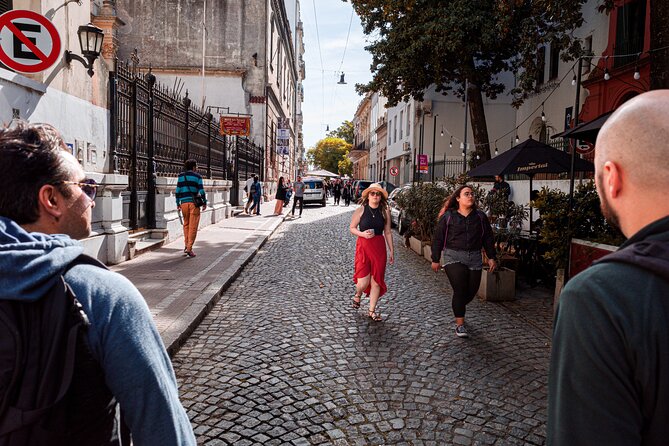
Buenos Aires can be all angles and noise if you visit only the biggest icons. This route instead uses older streets to connect the dots between architecture, immigration, power, and people. You start in the historic core, then work your way through San Telmo’s atmosphere until the story lands at the seat of Argentina’s presidency.
The standout for me is how the tour feels like you are being guided by someone who cares about how Buenos Aires works day to day, not just how it looks in photos. The best parts are the explanations: why certain buildings exist, how different communities left fingerprints on the city, and how politics shaped daily life.
If you like history that has consequences (not history as dates on a timeline), you’ll probably find this one satisfying. And if you just want a quick loop of famous landmarks, you might decide it’s too thoughtful for your schedule.
You can also read our reviews of more tours and experiences in Buenos Aires.
Price and value: how $33 goes farther here
This tour costs $33 per person for about 2 to 3 hours of walking. That price sounds small until you notice the structure: nearly everything on the route is admission free, while the only major paid item you might consider is Casa Rosada, whose admission is not included.
So you are paying mostly for the guide’s time and the coherence of the route. When a tour includes both iconic and lesser-known stops with context, it turns into more than sightseeing. It becomes a fast primer on how Buenos Aires became Buenos Aires, with San Telmo as your classroom outside.
Also, the small-group cap of 8 travelers matters. At this size, you spend less energy waiting for the group and more energy listening and asking. In a city with lots of visual clutter, that kind of focus is good value.
The small group (max 8) changes how the tour feels
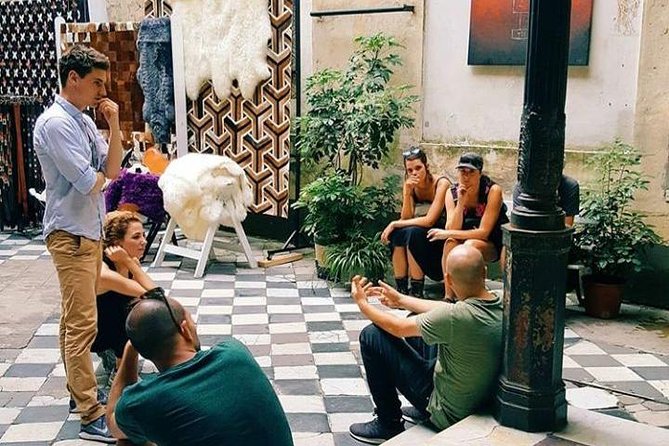
A group of up to 8 is the difference between hearing the guide and constantly catching up. Here, you get a rhythm: you pause, you look, you learn, and then you move.
I like that the guides are described as clear communicators in English and also patient with Spanish. That matters in Buenos Aires, where many visitors want to learn a bit of language but still need solid explanation. You should expect the pace to stay conversational, with room for follow-up questions on politics, economics, and architecture.
One more practical win: people report that breaks for snacks and bathrooms are planned into the flow. That is not a tiny detail. Two hours can feel long when you’re focused on landmarks, and those short pauses keep the tour from turning into a sprint.
The route in order: what each stop adds to the story
Below is what you can expect, in the same walk-from-start-to-finish sequence. Keep in mind that durations are approximate, and some segments feel short because the guide is busy turning the street scene into context.
Stop 1: Bar Británico (5 minutes)
You begin at Bar Británico, Brasil 399. It’s a good first step because it sets the tone: old-town Buenos Aires, not a modern plaza staged for tourists. Even though the stop is brief, it works as an orientation moment, like the tour’s opening sentence.
What to look for: settle your senses. Listen to how the guide frames the city and what themes you’ll hear again and again on the walk.

Stop 2: Parque Lezama (about 30 minutes)
Next comes Parque Lezama, the starting point linked to the first fort established in 1536. This stop matters because it puts Buenos Aires in the mindset of its early defensive origins, before the later layers of immigration and politics took over the narrative.
Practical takeaway: you’ll likely understand the city differently once you see that the early settlement was about survival and control, not just commerce and culture.
Stop 3: Club Sueco Restaurante, Swedish church (about 10 minutes)
Then you get a quick look at the Swedish church (1944), associated with Club Sueco Restaurante. This is one of those details that many visitors miss, but it helps you see Buenos Aires as a city of immigrants and borrowed cultural shapes.
If you enjoy small contrasts—how a Swedish religious building fits into an Argentine neighborhood—this stop is a fun breather. It also sets up the next part of the tour, where you’ll see how immigration shows up in markets and daily life.
Stop 4: Memory Walk (about 20 minutes)
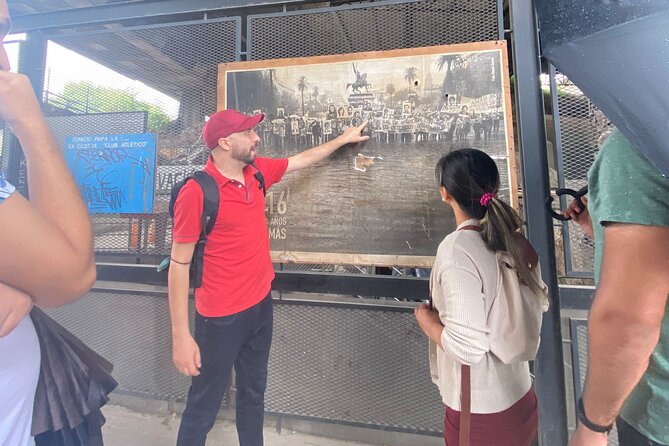
This is the emotionally heavy section. Memory Walk marks a former clandestine center for detention, torture, and extermination from 1976 to 1979. The value here is not the location alone; it’s the explanation around it—how that era functions in Argentina’s public memory and why it still matters.
How to approach it: go in with respect and patience. This stop shifts the tour from architecture and neighborhood vibes into human rights and national trauma. If you prefer purely light sightseeing, you may feel this part is uncomfortable. If you want to understand the country behind the postcard, it’s essential.
Stop 5: Parroquia de San Pedro González Telmo (about 15 minutes)
After the seriousness, the tour moves to a different kind of permanence: the Colonial Catholic church, Parroquia de San Pedro González Telmo. Colonial religious buildings in Buenos Aires aren’t just pretty stone. They are social anchors—places where communities gathered, identity formed, and power relationships played out.
Look for the way the guide ties architecture to history. Even a short visit can teach you how to read buildings like documents.
Stop 6: Plaza Dorrego (about 15 minutes)
Now you reach Plaza Dorrego, the main square of Old Town. Squares are where cities show their habits: meeting points, civic life, and the public stage for neighborhood energy.
On a tour like this, the plaza works as a transition. You move from the church’s anchored past into the next stops where everyday life and commerce become part of the narrative.
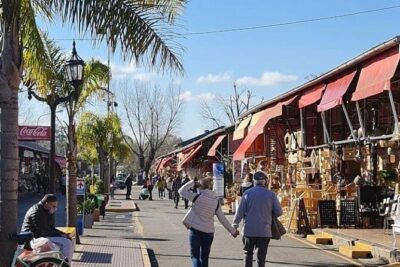
Stop 7: Mercado San Telmo (about 30 minutes)
Next is Mercado San Telmo, a local market shaped by Italian immigrants. This stop is where the tour slows down just enough to feel like you’re inside the neighborhood rather than only walking by it.
What to do with your time: spend it looking and listening. Markets help you connect history to food, work, and how immigrant communities build something that lasts. If you enjoy eating while you learn, this is often the most satisfying segment.
Stop 8: Puente de la Mujer (about 15 minutes)
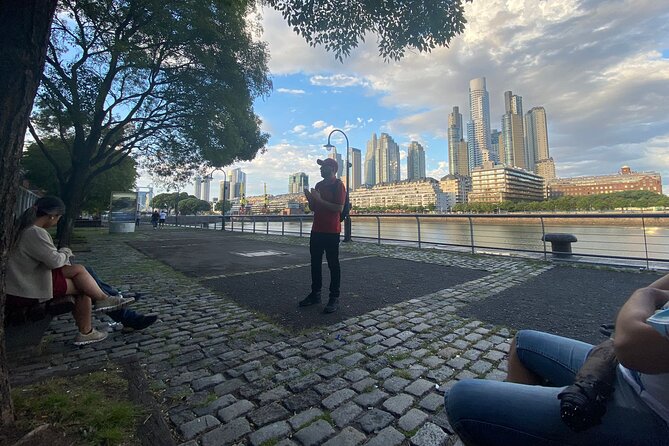
Then comes a strong visual contrast: Puente de la Mujer, the Woman’s Bridge designed by Santiago Calatrava. This is where the tour shows that Buenos Aires is not trapped in the past. It can be modern, designed, and symbolic.
Even if you only spend 15 minutes here, it gives you a second viewpoint on the city—one where architecture becomes a statement about the present.
Stop 9: Casa Rosada (about 25 minutes)
Finally you end at Casa Rosada, the President’s office, with about 25 minutes on site. The major note: Casa Rosada admission is not included. That means you can still enjoy the exterior and the atmosphere, but if you want to go inside, you’ll need to handle the ticket separately.
End point: Balcarce 78, C1064AAC. It’s a smart finish because it turns the whole walk into one question: how does power look when you’re watching it from the street?
What you’ll learn without it feeling like a lecture
The best tours teach you how to interpret a city, not just how to name buildings. Here, the themes tend to cluster around politics, architecture, and how different groups shaped the urban fabric.
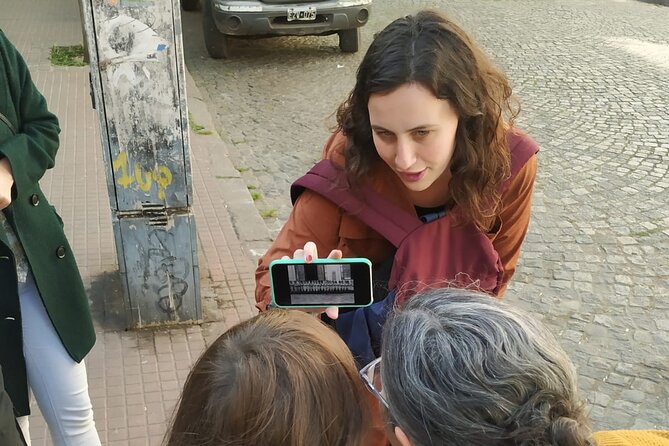
You should expect clear explanations about how Buenos Aires developed, including both centuries-old foundations and more recent events. The guide style described in the tour experience often includes maps and old photos, which helps a lot when the city changes fast in your own eyes.
One practical bonus: because the group is small and the guide answers questions, you can tailor your understanding. If you care more about politics than architecture, you can steer the conversation. If you’re more interested in immigrant communities and daily life, you can pull the thread there.
Best times and smart ways to enjoy the walk
This experience requires good weather, so check the forecast. If the route is canceled due to poor weather, you should be offered a different date or a full refund.
For your comfort:
- Wear shoes you trust for uneven sidewalks.
- Bring water, especially if you’re walking under sun.
- If you know you’ll need bathroom time, take advantage of the planned breaks rather than trying to push through.
Also, the tour is near public transportation, which is handy if you want to start a longer day in the neighborhood after you finish at Casa Rosada.
Who should book this tour
This tour fits best if you:
- Want San Telmo beyond the postcard layer.
- Like history with direct links to current issues.
- Enjoy small-group discussions and don’t mind walking.
- Prefer context over quick photo stops.
It may not be the best choice if you want only short visits, minimal walking, and a purely upbeat pace. The Memory Walk section in particular is not a casual stop.
Should you book Buenos Aires for curious people?
If you’re trying to understand Buenos Aires in a few hours, I’d say yes. For $33, you get a focused route that combines iconic anchors with San Telmo street-level atmosphere, plus the kind of explanations that help you connect buildings and events into one story.
My tipping point is the combination of small-group size and high context. You’re not paying for a race to landmarks. You’re paying for a guided lens that makes the city feel legible.
FAQ
FAQ
How long is the Buenos Aires for curious people tour?
It lasts about 2 to 3 hours.
How much does the tour cost?
The price is $33.00 per person.
Where does the tour start and where does it end?
It starts at Bar Británico, Brasil 399, and ends at Casa Rosada, Balcarce 78.
How many people are in the group?
The group maximum is 8 travelers.
What major site is included at the end, and is admission included?
The tour ends at Casa Rosada (President’s office). Admission to Casa Rosada is not included.
Are the other stops free to enter?
The listed stops have free admission tickets.
What happens if the weather is bad?
The experience requires good weather. If it’s canceled due to poor weather, you’ll be offered a different date or a full refund.
Can most people participate, and are service animals allowed?
Most travelers can participate, and service animals are allowed.