REVIEW · BUENOS AIRES
Jewish Sites Buenos Aires Private Walking and Car Tour
Book on GetYourGuide →Operated by ROSOTRAVEL Argentina · Bookable on GetYourGuide
Walking Buenos Aires hits different. This private tour traces Jewish life through Templo Libertad and the events around AMIA, with one-on-one guidance in your language. I especially like how the stops connect architecture and street corners to real memories, not just dates.
My favorite part is the human scale: you hear why these places mattered to Argentina, and how people rebuilt after tragedy. One heads-up: synagogue entry is not included, and the 2- and 3-hour versions include a short stretch of walking on uneven surfaces or steps, rain or shine.
In This Review
- Key Things That Make This Tour Worth Your Time
- Starting in Buenos Aires: Where the Tour Meets You
- Libertad Street and Templo Libertad: A Facade With Serious Meaning
- Museo Judío de Buenos Aires: Immigration and Integration You Can Actually See
- The Holocaust Museum Stop: Local Stories After WWII
- AMIA and the 1994 Bombing: Remembrance With a Nation-Wide Echo
- Salvador Kibrick Museum (3- and 4-hour): Rare Artifacts, Not Just Photos
- Plaza Libertad, 9 de Julio, and the Israeli Embassy Memorial (4-hour by Car)
- Walking Time, Weather, and Comfort: Shoes Are Part of the Plan
- Price and Value: What $129 Gets You
- Who Should Book This Tour in Buenos Aires?
- Should You Book It? My Take
- FAQ
- Do I get to enter synagogues on this tour?
- Is the Salvador Kibrick Museum included in all tour lengths?
- How much walking is there on the 2-hour and 3-hour options?
- Does the tour run rain or shine?
- Do I need my passport or ID for the museum?
- What languages are available for the live guide?
- Is private transportation included?
- Where do I meet the guide?
- How big is the private group?
- What’s included in the tour price besides guiding?
Key Things That Make This Tour Worth Your Time

- Licensed private guide with commentary tailored to your interests and language choice (English, Spanish, French, Italian, or Portuguese)
- Templo Libertad on Libertad Street, Argentina’s first synagogue, admired from outside since entry tickets aren’t included
- Holocaust Memorial and context in Buenos Aires, with attention to what happened during and after WWII
- AMIA as a turning point, where the 1994 bombing is discussed alongside remembrance and community impact
- Salvador Kibrick Museum entry (3- and 4-hour options) for rare ritual objects, photos, and historical documents
- 4-hour car option that adds comfort and extra landmarks like 9 de Julio Avenue and the Israeli Embassy Memorial
Starting in Buenos Aires: Where the Tour Meets You
Your tour begins at a straightforward meeting point: in front of Hotel Presidente, Cerrito 850. The note matters—don’t walk into the hotel expecting staff to know your guide. It’s just a pickup point, so you’ll want to stand outside and look for your guide there.
From the start, you’re set up for a private-feeling experience. The group size is kept small (1–25 per guide), which makes questions easier and keeps the commentary audible. In Buenos Aires, that’s not a luxury—streets can be loud, and history deserves time to sink in.
You’ll also get a clear sense of pacing right away. The 2- and 3-hour options are mostly walking plus short transitions. The 4-hour option is where the private car adds breathing room and lets you cover more ground without turning it into a marathon.
You can also read our reviews of more private tours in Buenos Aires

Libertad Street and Templo Libertad: A Facade With Serious Meaning
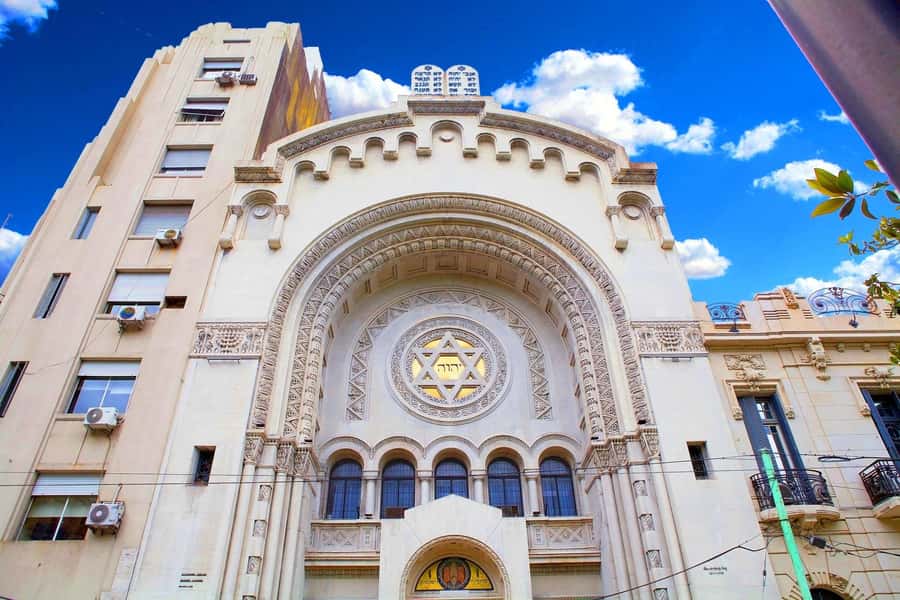
The tour’s early focus is Libertad Street, where the landmark Templo Libertad dominates the scene. Even without synagogue entry, you still get plenty to see and a lot to learn from the outside: the way the building signals identity, pride, and continuity for the Jewish diaspora in Argentina.
This stop works because it’s visual. You don’t need a museum ticket to understand why people built places like this. Your guide explains the early roots of Jewish settlement in Argentina and helps you connect the neighborhood’s physical layout to the community’s story.
A small but important detail: entry to synagogues isn’t included. That’s not a dealbreaker—just adjust expectations. You’re there for the architecture, the symbolism, and the guided context, not for a guided interior visit.
Museo Judío de Buenos Aires: Immigration and Integration You Can Actually See
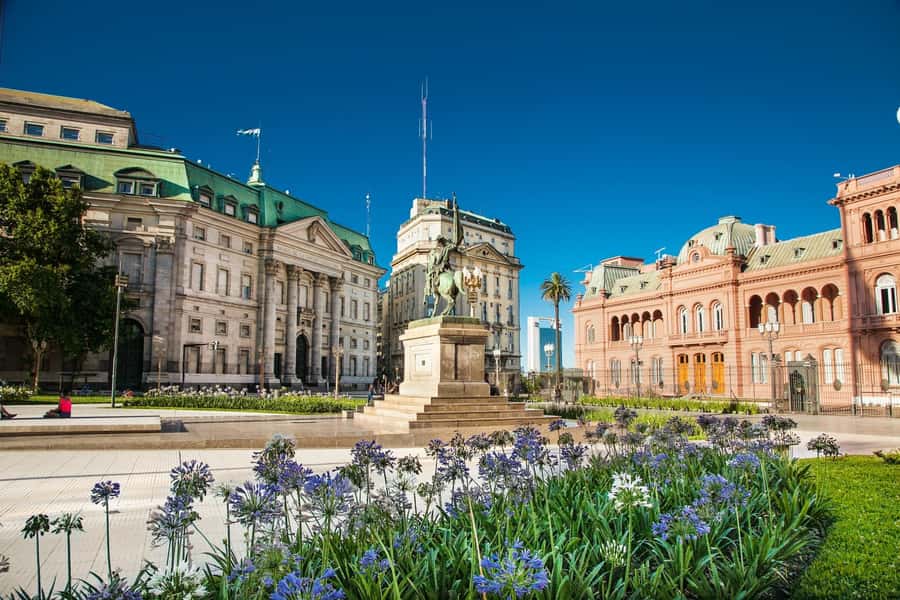
Not far from Templo Libertad, you pass the Museo Judío de Buenos Aires. Here, the tour shifts from street-level impressions to curated context through the museum’s collections and the way the building itself reflects the community’s presence.
This is one of those stops where you learn to look differently. Buenos Aires has many layers, and Jewish history is one of them—but it’s easy to miss if you’re only scanning for famous monuments. With a guide, you start recognizing how immigration patterns and community life shaped the city’s institutions and neighborhoods.
In the longer options, you get even more of this “inside look.” If you choose the 3- or 4-hour tour, museum time becomes a bigger part of the day, which is ideal if you like going beyond walking-and-looking.
The Holocaust Museum Stop: Local Stories After WWII
One of the most powerful parts is the visit to the Buenos Aires Holocaust Museum. Your guide explains Argentina’s role during and after WWII and focuses on survivor stories—how people rebuilt their lives in this city, not just what they endured.
This stop can feel heavy. That’s normal. The useful part is how the tour frames it: you’re not only hearing about events in Europe. You’re seeing how those events landed in Buenos Aires and changed the community’s future.
If you want a tour that balances emotion with context, this is where it happens. I like that you’re given time to understand the timeline and the aftermath, which helps prevent the story from becoming one long blur of tragedy.
AMIA and the 1994 Bombing: Remembrance With a Nation-Wide Echo
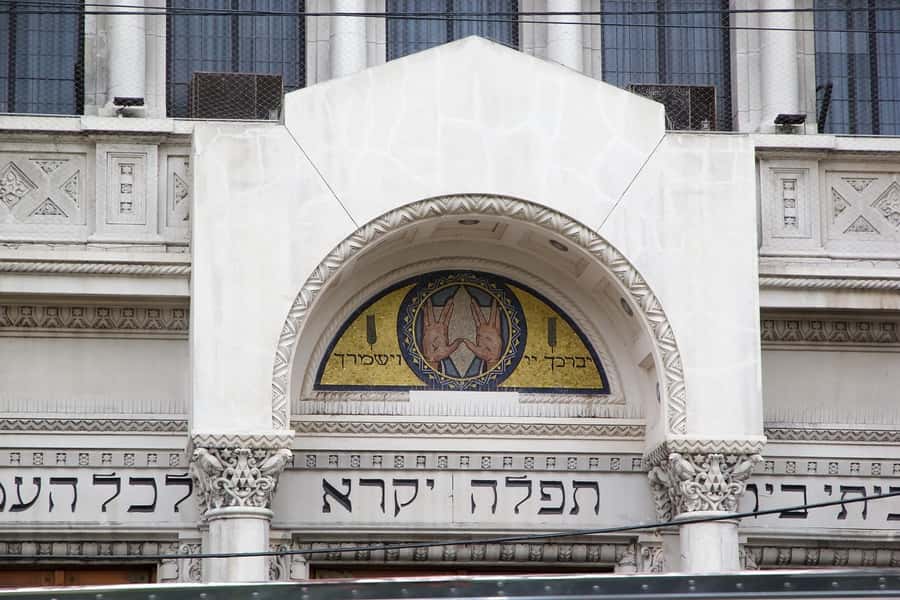
The tour culminates at AMIA (Asociación Mutual Israelita Argentina), which your guide treats as both a cultural symbol and a place shaped by tragedy. This is where the story becomes impossible to keep abstract.
You’ll learn about the 1994 AMIA bombing and what it meant for the Argentine-Jewish community—and for the country more broadly. The guide’s job here isn’t just to recite the event. It’s to explain why remembrance matters and how communities process loss while still building a future.
In the strongest versions of this experience, that part lands because the guide connects past to present. One review note that really sticks: guide Richard Shpuntoff was praised for warm, open explanations that included Argentina’s political climate alongside personal and family perspectives. That kind of framing helps you understand the difference between history as facts and history as lived reality.
Salvador Kibrick Museum (3- and 4-hour): Rare Artifacts, Not Just Photos
If you book the 3-hour or 4-hour option, you add entry to the Salvador Kibrick Jewish Museum (entry is not included in the 2-hour tour). This is where the day gets more concrete.
You’ll see ritual objects, photographs, and historical documents. Those items matter because they show daily life—what people touched, preserved, and carried across generations. It’s not just about public monuments. It’s about private meaning.
One practical point you should plan for: museum security requires showing your original passport (for foreigners) or national identity card (for Argentinian visitors). Bring the real document, not a photo on your phone.
If you care about material culture—objects with stories—this museum time is one of the best reasons to choose the longer tour.
Plaza Libertad, 9 de Julio, and the Israeli Embassy Memorial (4-hour by Car)

The 4-hour tour is the option I’d pick if you want a fuller sweep without rushing. It includes private transportation with pickup and drop-off at your accommodation, which is genuinely helpful in a city where distances can be more than they look on a map.
With the car, you also get extra landmarks and memorials, including:
- Plaza Libertad, a quiet square with architectural surroundings tied to the community’s presence
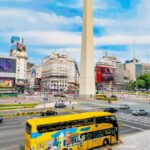
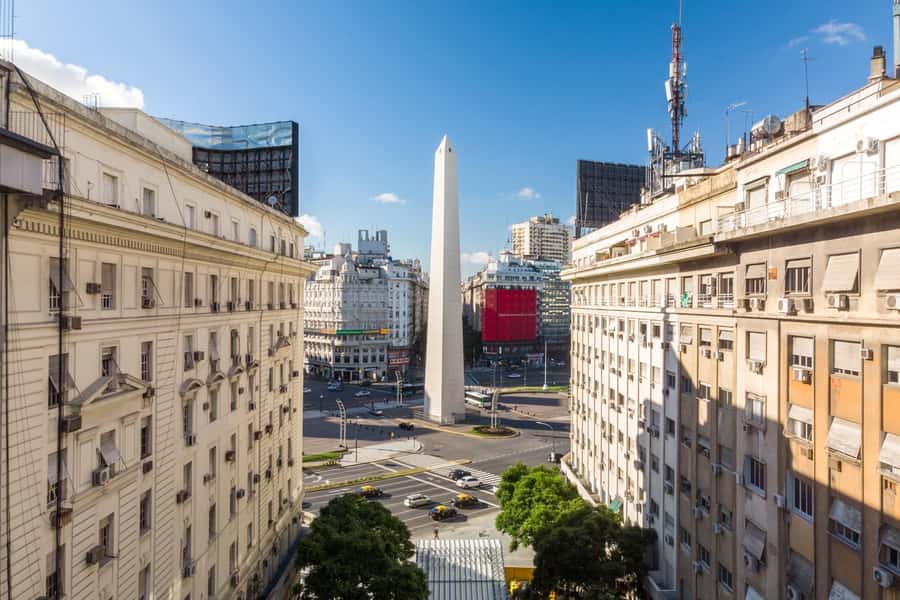
- 9 de Julio Avenue, one of the widest boulevards in the world, giving you scale and perspective as the guide ties the Jewish story to broader city life
- Israeli Embassy Memorial, a solemn stop connected to the 1992 attack
- Plaza General San Martín, a stately public space connected to Argentina’s immigrant and military-linked history
This car-added flexibility is about comfort and coverage. It lets you spend more time listening and less time decoding transit. If you’re short on time or traveling with someone who doesn’t want nonstop walking, this option just makes the day smoother.
Walking Time, Weather, and Comfort: Shoes Are Part of the Plan
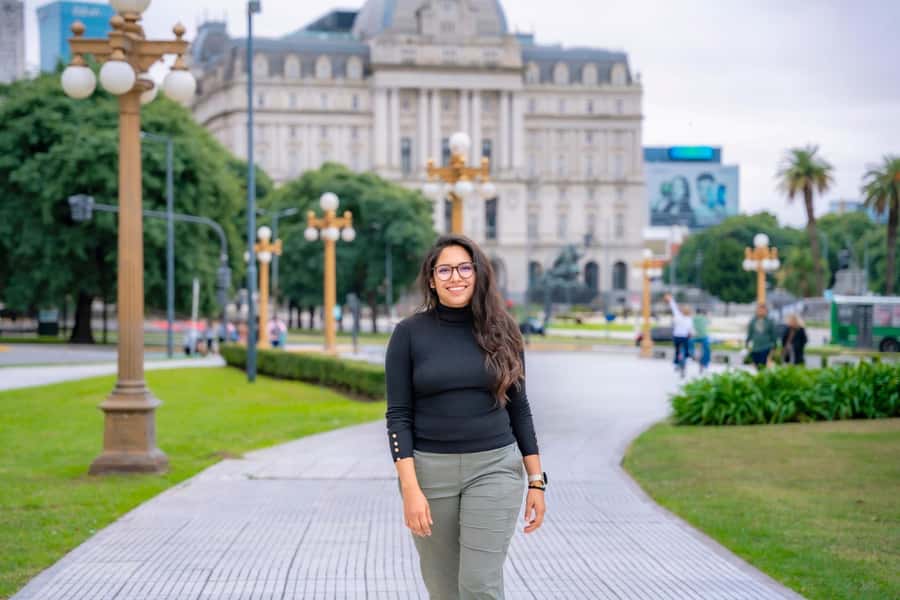
For the 2- and 3-hour tours, plan for about 25–30 minutes of walking. It’s not just flat pavement; there can be uneven surfaces or steps. That means comfortable shoes aren’t optional. Buenos Aires can be stylish, but your feet will decide whether the day feels easy.
The tour runs rain or shine. So bring a jacket or umbrella and don’t assume the schedule will pause for weather. This is one of those tours where dressing practically makes everything else work better.
The upside: because it’s private, your guide can adjust pace to your group and handle the tempo. If you have specific needs, you’ll want to message customer support ahead of time so the guide can plan.
Price and Value: What $129 Gets You
At $129 per person with a 2–4 hour window, this tour isn’t a bargain in the sense of “cheapest option.” It is, however, decent value if you care about guidance and context.
Here’s where the value comes from:
- You’re paying for a licensed private guide fluent in your chosen language, not a generic audio script.
- You get multiple meaningful sites connected by narration, rather than random photo stops.
- In the 3- and 4-hour options, you also get entry to the Salvador Kibrick Museum, which adds real depth for the time and money.
The tour also keeps group size controlled (up to 1–25 per guide), which usually means better Q&A and less rushing. For a topic like Jewish history and remembrance, that personal attention matters.
If you’re the type who likes to read a guidebook on your own, you might find the tour feels “worth it only when you pick the right option.” I’d say the same: choose the 3- or 4-hour version if you want museum time. Choose the 2-hour walk if you’re short on time but still want the core story.
Who Should Book This Tour in Buenos Aires?
This experience fits best if you:
- want a private guide and guided storytelling in English, Spanish, French, Italian, or Portuguese
- care about Jewish heritage in Argentina, including remembrance around major events
- like mixing city walking with stops that teach you how to look at places differently
- would enjoy museum artifacts (especially in the 3- and 4-hour options)
It’s also a solid fit for couples and small families who want a calmer pace than big-group tours. If you’re traveling with someone who gets tired easily, the 4-hour car option is the easiest way to avoid turning the day into a long slog.
Should You Book It? My Take
Book this tour if you want more than a checklist of Jewish sites. The best value comes when you choose the length that matches your curiosity: the 2-hour option covers the essential streets and memorials, while the 3- and 4-hour versions add museum depth and, in the longer one, car comfort plus extra landmark context.
Skip or rethink if you specifically need synagogue interiors, because entry to synagogues is not included. Also consider the walking surfaces in the 2- and 3-hour versions.
Overall, this is one of those Buenos Aires experiences that helps you understand the city’s layers fast—without flattening the story.
FAQ
Do I get to enter synagogues on this tour?
No. Entry to synagogues is not included, so you’ll view synagogues from the outside.
Is the Salvador Kibrick Museum included in all tour lengths?
No. Museum entry is included only in the 3-hour and 4-hour options, not the 2-hour tour.
How much walking is there on the 2-hour and 3-hour options?
Those options include about 25–30 minutes on foot, with some uneven surfaces or steps.
Does the tour run rain or shine?
Yes. It runs in varying weather, so wear comfortable shoes.
Do I need my passport or ID for the museum?
Yes. For security, visitors must show their original passport if they’re foreigners, or their national identity card if they’re Argentinian.
What languages are available for the live guide?
The live guide is available in English, Spanish, French, Italian, and Portuguese.
Is private transportation included?
Only the 4-hour option includes private transportation with pickup and drop-off at your accommodation in Buenos Aires.
Where do I meet the guide?
Meet your guide in front of Hotel Presidente, Cerrito 850, C1010 Cdad. Autónoma de Buenos Aires, Argentina. Do not enter the hotel.
How big is the private group?
The experience limits group size to 1–25 guests per guide, with additional guides arranged for larger groups.
What’s included in the tour price besides guiding?
It includes the private tour of the old Jewish quarter and facts about Jewish history and culture. Depending on the option, it can also include museum entry (3 and 4 hours) and private transfer (4 hours). Food and drinks are not included.