REVIEW · BUENOS AIRES
Buenos Aires – Private Tango lesson
Book on Viator →Operated by Immersion Tours · Bookable on Viator
One hour in Buenos Aires can change how you hear tango. This private lesson puts you in a real studio session at the tango heartland, with a coach like Martín or Celeste guiding you through what to do on the floor. You focus on the mechanics that matter, not showy fluff.
I love the way the class is built for your level, from first-timer nerves to more technical footwork. You’re not stuck with a one-size script. Instructors like Joshua and Gabriela are described as patient and clear, and they adjust as you go.
The main catch is time. Sixty minutes goes fast, and you may finish thinking you should book a second session. Also, the activity requires good weather, so you’ll want a flexible schedule.
In This Review
- Key Tango Lesson Takeaways (Buenos Aires, private and practical)
- One Studio Stop: What This Private Tango Lesson Sets Out to Do
- Inside the 60 Minutes: Embrace, Walk, Basic Step, and the Ocho
- The embrace (connection, not just holding arms)
- Tango walking (your feet, your timing, your control)
- Basic step (so you can actually dance by the end)
- The ocho (the signature move, explained properly)
- Studio Logistics in Buenos Aires: Downtown vs Palermo and No-Guess Directions
- Weekends and Palermo: what to know
- Meeting Your Instructor: Patient Feedback, Clear English, and Real Technique
- Practice photos and videos: ask up front
- Price and Value: Why $39 for Private Tango Makes Sense
- Should you book one lesson or two?
- Best Fit for Your Tango Goals (Beginners, dancers, and couples)
- Couples who want a shared skill
- Absolute beginners who want confidence fast
- Intermediate dancers who want sharper technique
- Who might want a different option
- Practical Tips That Make Your Hour Better
- Wear comfortable shoes
- Plan your timing around the 11:00 AM–7:00 PM window
- Don’t skip the details about where you’re staying
- Stay hydrated if you’re working on more advanced moves
- If you want photos or a souvenir, ask
- Quick FAQ Before You Book Your Private Buenos Aires Tango Lesson
- FAQ
- How long is the Buenos Aires private tango lesson?
- What’s included in the $39 price?
- Do I get hotel pickup and drop-off?
- Where does the lesson take place?
- Is this lesson beginner-friendly?
- What should I bring?
- What happens if the weather is bad?
- Should You Book This Private Tango Lesson in Buenos Aires?
Key Tango Lesson Takeaways (Buenos Aires, private and practical)
- Your-group only, private instruction: no awkward waiting your turn. You practice right away.
- Studio placed close to your hotel: Downtown or Palermo, based on where you’re staying.
- You learn the core tango pieces: embrace, walking, basic step, and the ocho.
- All levels welcome: beginners get a clean start; dancers with experience get firmer feedback.
- English-friendly coaching: many instructors use understandable English and explain technical points clearly.
- Bring comfortable shoes: you’ll move, pivot, and repeat.
One Studio Stop: What This Private Tango Lesson Sets Out to Do
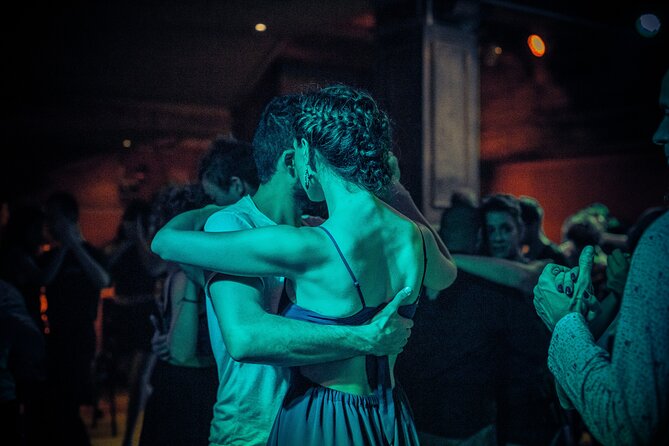
This is a simple plan on purpose: one stop, one studio, one instructor, one focused hour. In Buenos Aires, that matters. The city has a way of rewarding repetition—tiny changes in posture, weight, and timing become obvious when you’re practicing with a partner and a teacher watching.
You’ll be in a comfortable studio setting, and the instructor will take you through the tango fundamentals you can actually use at a social milonga (or just on your next night out). Think: how to hold the embrace, how to walk with tango timing, and how to build your basic step into something you can dance instead of just copy.
What makes this different from a typical big group class is the attention span. With a private setup, the teacher can spot where your body is doing something other than what your feet are doing. That’s where learning speeds up.
And yes, it is tango-capital energy. You’re learning the kind of steps you see everywhere in Buenos Aires, but in a way that doesn’t require you to already be fluent.
You can also read our reviews of more private tours in Buenos Aires



Inside the 60 Minutes: Embrace, Walk, Basic Step, and the Ocho
Here’s the practical breakdown of what you can expect to work on during the lesson.
The embrace (connection, not just holding arms)
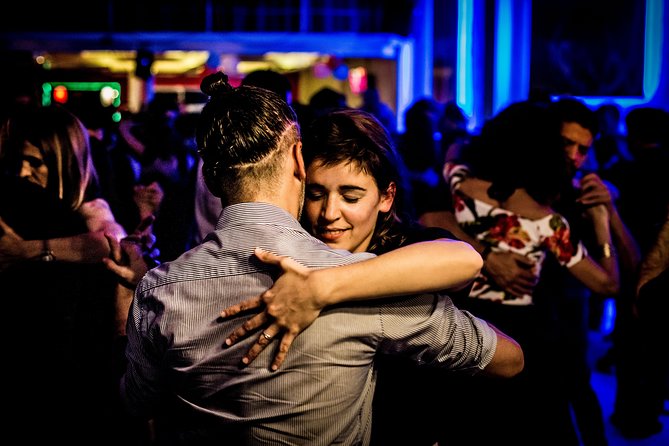
Tango starts in the torso. You’ll practice the embrace so you and your partner can move together without stiff guessing. The goal is a stable frame that makes everything else easier—turns, walking, and timing.
If you’re a beginner, this can feel awkward for about four minutes. Then it clicks. When it clicks, you suddenly look less like you’re performing a dance and more like you’re moving with music.
Tango walking (your feet, your timing, your control)
Before fancy steps, you’ll learn how to walk in tango rhythm. This is the part that most people skip when they only watch videos. A good instructor helps you understand where your weight goes and how to keep your steps clean.
In the feedback I’m seeing from recent lessons, instructors are big on posture and connection. That isn’t academic. When your walking improves, your basic step improves fast.
Basic step (so you can actually dance by the end)
You’ll work through the basic step and get it into a repeatable pattern. The big win here is finishing the hour able to do more than single movements. You should leave with a simple set you can practice right away.
That’s also why you’ll hear people say the class felt like a real tango experience rather than a quick demo.
You can also read our reviews of more tours and experiences in Buenos Aires





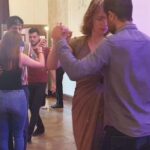
The ocho (the signature move, explained properly)
You’ll cover the “ocho,” one of the tango world’s most recognizable figures. The ocho can be tricky because it’s not just a step—it’s direction changes with controlled rotation.
A good teacher will show you how to think about it and then guide your body through the timing. If you’ve never danced tango before, this is the moment you realize why tango teachers get so excited about details.
Studio Logistics in Buenos Aires: Downtown vs Palermo and No-Guess Directions
One of the smartest parts of this experience is the studio placement. You’re not sent across town to some fixed address and told good luck. The studio is arranged as close as possible to your hotel area—Downtown or Palermo are explicitly mentioned.
That’s a real value point, because tango is more fun when you’re not stressed about getting there. You’ll also be near public transportation, so you can handle it without needing a taxi every time.
A small but important detail: the studio location may not be the exact pin shown on booking info. You should expect the operator to coordinate the nearest studio based on where you’re staying. So before your lesson, tell them your location clearly.
Also note the schedule: lessons run Monday through Saturday from 11:00 AM to 7:00 PM. That helps you plan around dinner plans and late-night tango watching.
Weekends and Palermo: what to know
There’s one timing limitation worth flagging. Lessons in Palermo on weekends—or when booked with less than 36 hours of advance notice—can be limited. If you want Palermo specifically, plan ahead.
Meeting Your Instructor: Patient Feedback, Clear English, and Real Technique
This lesson succeeds because the instruction style is practical. Several instructors are highlighted by name: Martín, Celeste, Joshua, Gabriela (and others like Veronica, Maria, Christian, and Art). The common thread in those names is teaching that feels calm, structured, and tailored.
Here’s what that usually means for you during the hour:
- You get feedback on the exact thing you’re doing wrong, not vague encouragement.
- You learn steps in an order that makes sense: frame first, walking next, then the basic step and the ocho.
- If you already have dance experience, you’ll still get corrections that tighten your technique. One example in the feedback notes intermediate-level improvements and mentions water and comfortable shoes as helpful when working on more advanced moves.
Language also matters. English is not guaranteed for every instructor, but many sessions are described as having understandable English explanations. If you’re worried about communication, it’s worth mentioning your comfort level when you book, so you get the right match.
Practice photos and videos: ask up front
One person noted their instructor took photos or videos with the intention of sending them, but they never received them afterward. If having a souvenir is important, ask directly how photos/videos work for this specific lesson. Simple question. Prevents disappointment.
Price and Value: Why $39 for Private Tango Makes Sense
At $39 per person for about an hour, this is one of the better ways to spend tango time in Buenos Aires—especially if you compare it to the money and time sunk into tourist-style dinner shows.
You’re paying for:
- Private teaching (the time is yours)
- A real studio setting
- A structured lesson that covers the embrace, walking, basic step, and ocho
- All fees and taxes included in the price
The trade-off is obvious: there’s no hotel pickup included. You’ll meet the instructor at the coordinated studio or nearby meeting point, and you’ll return the same way. That said, the studio is chosen to be close to where you’re staying, which reduces the real-world cost of getting there.
If you’re the kind of traveler who loves one high-quality activity over a whole night of crowds and noise, this price is a strong match.
Should you book one lesson or two?
With an hour, you’ll leave with a foundation. But the lesson is short enough that repetition matters. If you’re in Buenos Aires long enough, booking a second lesson is a smart move. People often wish they had more time after the first session.
Best Fit for Your Tango Goals (Beginners, dancers, and couples)
This class is built for a wide range, and the best fit depends on what you want from tango.
Couples who want a shared skill
If you’re dancing together, the private format gives you what group classes can’t: time to adjust to each other. The embrace and walking work much better when a teacher can correct both partners.
Absolute beginners who want confidence fast
Beginner-friendly doesn’t have to mean watered down. Here, you learn the basic steps and then put them into something you can dance. If you’ve never danced before, you’ll still get through enough mechanics to leave feeling capable.
Intermediate dancers who want sharper technique
If you’ve taken tango before, you’ll likely appreciate the technical notes. One feedback points out that the hour can feel like top-tier training and includes gentle corrections. You may want to bring a bit of dance footwear experience for comfort and control.
Who might want a different option
If you don’t want technique coaching at all—if you want only a playful vibe with no correction—this might feel too detailed. You’re learning steps and structure, not just moving around.
Practical Tips That Make Your Hour Better
These are the small things that help you get the most out of the lesson.
Wear comfortable shoes
Comfort matters more than style. You’ll be stepping, turning, and practicing basics. Comfortable shoes also help you stay relaxed while you learn.
Plan your timing around the 11:00 AM–7:00 PM window
Because sessions run within those hours, try not to schedule your lesson as a last-minute “whatever fits.” If you want a calmer start, pick a time with buffer before dinner.
Don’t skip the details about where you’re staying
Since the studio location is coordinated near your hotel, send your address or neighborhood clearly. This is the difference between “close” and “why is this taking forever.”
Stay hydrated if you’re working on more advanced moves
Some instruction can get physically focused, especially when you’re trying intermediate steps like tighter ocho variations. Water helps.
If you want photos or a souvenir, ask
Make it part of your message before the lesson. If the teacher or team offers photos/videos, confirm how you receive them.
Quick FAQ Before You Book Your Private Buenos Aires Tango Lesson
FAQ
How long is the Buenos Aires private tango lesson?
It’s approximately 1 hour.
What’s included in the $39 price?
You get 1 private tango teacher and use of a dance studio arranged as close as possible to your hotel area, plus all fees and taxes.
Do I get hotel pickup and drop-off?
No. Hotel pickup and drop-off are not included. You can contact the provider to add transfers for an additional fee.
Where does the lesson take place?
The studio is arranged with you and is as close as possible to your hotel (Downtown, Palermo, etc.). It will be coordinated so you’re not traveling far.
Is this lesson beginner-friendly?
Yes. Most travelers can participate, and the lesson is designed for learners from basic to advanced tango steps.
What should I bring?
Bring comfortable shoes.
What happens if the weather is bad?
The experience requires good weather. If it’s canceled due to poor weather, you’ll be offered a different date or a full refund.
Should You Book This Private Tango Lesson in Buenos Aires?
Book it if you want tango you can use right away. One hour with a real instructor is a practical way to learn the embrace, walking, basic steps, and the ocho—then walk out ready to dance instead of only watch.
Skip it only if you prefer a hands-off, social experience with no technique focus, or if you’re trying to cram it into a schedule where you can’t handle a studio location swap or a weather-related change.
If you’re in Buenos Aires for a short trip, this is the kind of activity that pays off immediately. One good teacher can turn tango from confusing steps into a pattern your body understands. And that’s the whole point.