REVIEW · BUENOS AIRES
Buenos Aires in One Day Private Walking Tour
Book on Viator →Operated by Buenos Aires Walking Tours · Bookable on Viator
Buenos Aires starts feeling personal fast. This private walking route pairs standout architecture with street-level stories, from Retiro’s grand facades to San Telmo’s memory-heavy corners. I especially liked the way the guide connects buildings to Argentine life and politics, so you don’t just see sights—you understand why they matter.
One thing to plan for: it’s a real day of walking (moderate fitness helps), and you’ll likely need to budget for a short taxi ride between a couple of stops, since not everything is close together.
In This Review
- Key Things I’d Bring Up Before You Go
- A Street-First Way To Understand Buenos Aires in One Day
- Meeting Point and How to Start on Time (Florida Garden at 10:00)
- Retiro and Barrio Norte: Plaza San Martín to Belle-Époque Buenos Aires
- Recoleta and the Recoleta Cemetery: Evita’s Monument and Why It Matters
- Palermo and El Centro: Museums, Monuments, Teatro Colón, and the Obelisco
- San Telmo and Plaza Dorrego: Old Neighborhoods with Dark Memory
- Puerto Madero and Plaza de Mayo: New Waterfront vs Argentina’s Political Heart
- Price and Logistics: What You Pay for, What You Still Cover
- Who Should Book This, and Who Should Skip It
- Should You Book This Buenos Aires One-Day Private Walking Tour?
- FAQ
- What is the tour duration?
- How much does the Buenos Aires in One Day Private Walking Tour cost?
- Where do we meet, and what time does the tour start?
- What’s included in the price?
- What’s not included?
- Is a taxi required during the tour?
- Does the tour run rain or shine?
- Is this a private tour?
- Where does the tour end?
Key Things I’d Bring Up Before You Go
- Private, on-foot pacing that lets you linger where the story is, not where a bus schedule says to pause.
- Recoleta Cemetery (ticket included) with time set aside for the monuments and the most famous burial, Evita Perón.
- High-impact neighborhoods in one sweep: Retiro, Avenida Alvear/Barrio Norte, Recoleta, Palermo, Centro, San Telmo, and Puerto Madero.
- Big downtown symbols plus quiet street details like Calle Florida, Teatro Colón, Obelisco, and educational-era sites around Manzana de las Luces.
- Dorrego Square and the antiques fair area used as a jumping-off point for the darker parts of Buenos Aires’ past.
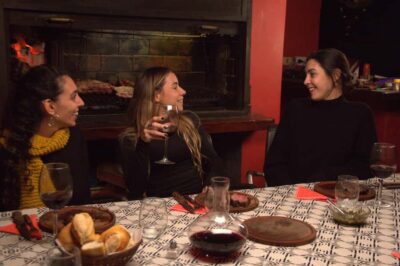
- A scheduled coffee/lunch break where you can reset, refuel, and keep the tour moving on time.
A Street-First Way To Understand Buenos Aires in One Day
This tour is built for people who learn best by walking. You cover a lot of ground, but the point isn’t to speed-run the city. It’s to look closely at how Buenos Aires grew: where wealth clustered, where immigrants settled, how power shows up in buildings and plazas, and how older neighborhoods still shape daily life.
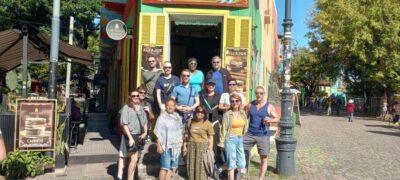
I like that it’s private. You’re not stuck listening to one-size-fits-all commentary while strangers wander off. In practice, that means the guide can adjust the flow to your pace, your questions, and what you’re most interested in. Past guide names that show up in the experiences you’ll likely hear include Carlos, Soledad, Clemencia, and Eilat, and the common theme is clear, structured explanations in English.
The route is also designed to balance “see it” landmarks and “read the street” moments. You’ll recognize the dramatic pieces—plazas, churches, monuments—then the tour gets better by slowing down for smaller clues like architecture details, old street lines, and why certain spots became public stages for events and protests.
You can also read our reviews of more walking tours in Buenos Aires
Meeting Point and How to Start on Time (Florida Garden at 10:00)
You meet at Buenos Aires Walking Tours, Florida Garden 899, outside the café corner door on the corner with Paraguay St. The start time is 10:00 am, so I’d treat that as a must-be-there time. The staff guides you to look for a small BA Walking Tours sign.
Bring comfortable walking shoes. The tour is “walk, pause, walk, pause” all day. You’ll be on sidewalks, crossing areas with heavy pedestrian flow, and spending meaningful time outdoors even when the stories point to indoor-looking architecture.
Also, come ready for the day to run rain or shine. The tour operates in bad weather too, so plan for that with a light rain layer or umbrella you can actually manage while walking.
Retiro and Barrio Norte: Plaza San Martín to Belle-Époque Buenos Aires
The morning sets the tone: formal squares, major monuments, and architecture that explains power and influence in one glance.
In Retiro, you’re guided through Plaza San Martín, described with its role as an early bastion and even references to bullfighting and the slave market memory that haunts parts of the city’s past. From there, you’ll see how Buenos Aires carries European ambitions in stone, including:
- Paz Palace, a belle-epoque style mansion
- The Kavanagh Building, with architecture used as a teaching tool for how the city built modern prestige
- Santísimo Sacramento Church, singled out as unusual and worth slowing down for
- The British Clock Tower and railroad terminal stations, where the guide connects present-day infrastructure to older British influence
- General San Martín’s Monument, tying the city’s identity to the nation’s founding story
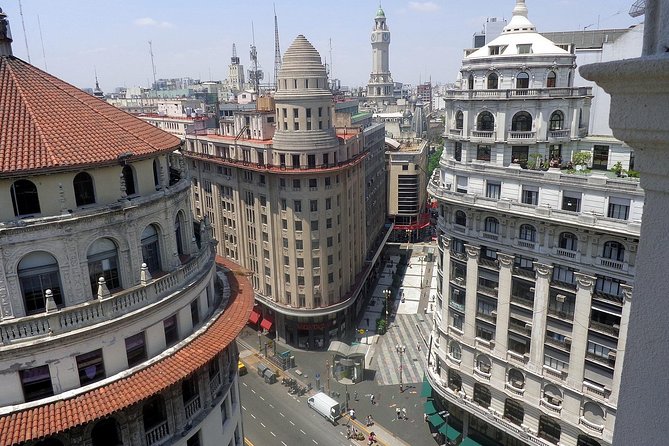
Then the route continues into Barrio Norte and along Avenida Alvear. This is one of the parts of the day where the tour feels especially practical: you see the neighborhoods that shaped the “Paris of the South” idea, then you learn what made that label believable, and what it hid.
Here you’ll get stops tied to different waves of influence—French and Italian are specifically called out—plus a strong sense of how Catholicism, Judaism, and immigration shaped the built landscape. Among the highlights mentioned for this stretch are:
- Mihanovich & Strugamou buildings
- Arroyo Street and its art galleries
- Alvear St. & Palaces and how embassies and religious architecture signal the city’s changing identity
- Palacio Ortiz-Basualdo, noted as the French Embassy
- Alzaga-Unzue Manor (the 4 Seasons)
- The Nunciature (Vatican Embassy area)
- Big name mansions like Duhau Mansion (Hyatt), Hume Mansion, and Alvear Palace
This section works well if you like architecture, but it also works if you don’t. The guide turns buildings into readable history, so you start noticing patterns: wealth in certain blocks, institutions in others, and how old power moved through the city.
Recoleta and the Recoleta Cemetery: Evita’s Monument and Why It Matters
If you only have time for one “wow” stop, make it this part.
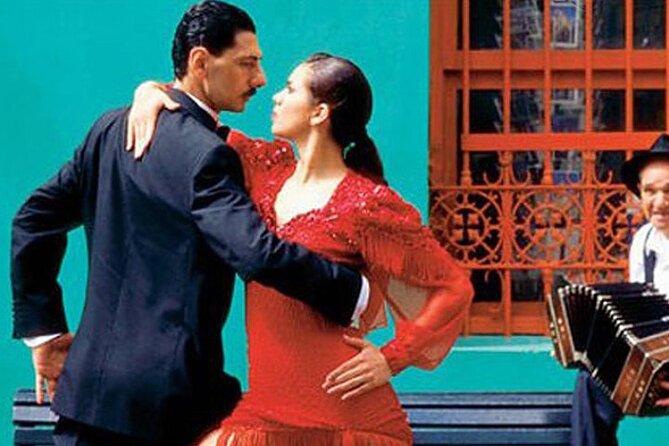
You’ll pass through Recoleta first, including Nuestra Senora del Pilar Church, and the Recoleta neighborhood context. The tour also mentions the Palais de Glace and frames it around tango’s coming-of-age, plus stops tied to design and exhibitions like BA Exhibition Center and BA Design Center.
Then you move into La Recoleta Cemetery, where the admission ticket is included and the time is set at 45 minutes. This is the stop that people talk about most, because the cemetery isn’t just a famous place. It’s a walking lesson in how Buenos Aires remembers its famous dead, and what that says about status, memory, and the politics of commemoration.
Evita Perón is the big name here, buried at Recoleta Cemetery, and the guide’s focus is on monuments and stories. Expect the time to feel slightly long if you’re sensitive to solemn spaces, but if you’re curious about how history gets kept alive in stone and symbols, this is one of the most meaningful parts of the entire day.
The practical tip: plan to slow down mentally during this segment. You’ll get more out of it if you let the guide’s explanations land, rather than treating it like a quick photo stop.
Palermo and El Centro: Museums, Monuments, Teatro Colón, and the Obelisco
After Recoleta, the route shifts outward into Palermo, where the tour adds layers beyond the classic postcard angles.
You’ll see stops tied to culture and public space, including:
- BA Design Center
- National Gallery of Art
- Peynot’s Grand Monument (linked to France’s centennial gift)
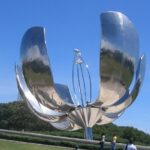
- Floralis Monument, the giant flower
- An Evita Perón monument connected to where she died
- The National Library building
This is a nice change of pace because Palermo often feels more modern and spread out than the tight downtown blocks. It also gives you a sense of how Buenos Aires presents culture—through major institutions and large public sculptures, not only museums.
Then you head into El Centro (downtown), where the symbolism stacks quickly. The tour highlights the areas around:
- Calle Florida, described as the oldest street and a way to trace how the city evolved
- Harrods and Galerías Pacífico buildings, including the British angle on downtown wealth
- Centro Naval, tied to past wealth and military power
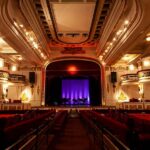
- Teatro Colón, Buenos Aires’ opera house
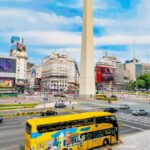
- The Obelisco, explained in meaning and context
- Mariquita Sanchez house, tied to Argentina’s national anthem
- The bank and finance district, framed through more recent economic and historical context
This segment is great for first-timers because it stitches together the big icons into a story. It’s also a reminder that you don’t just need pictures. You need the why behind them.
One reality check: the tour tends to be street-and-plaza focused. If your goal is to go deep into interiors nonstop, you might feel the pace is more about what you can see from outside and what the guide explains on foot.
You can also read our reviews of more private tours in Buenos Aires



San Telmo and Plaza Dorrego: Old Neighborhoods with Dark Memory
This is where Buenos Aires turns gritty and fascinating—in the best way.
You’ll be guided through San Telmo and Monserrat, described as the oldest neighborhood area, and you’ll connect the dots between historic institutions and the social life that formed around them.
The tour’s San Telmo stretch includes stops and context around:
- Cabildo (old city hall)
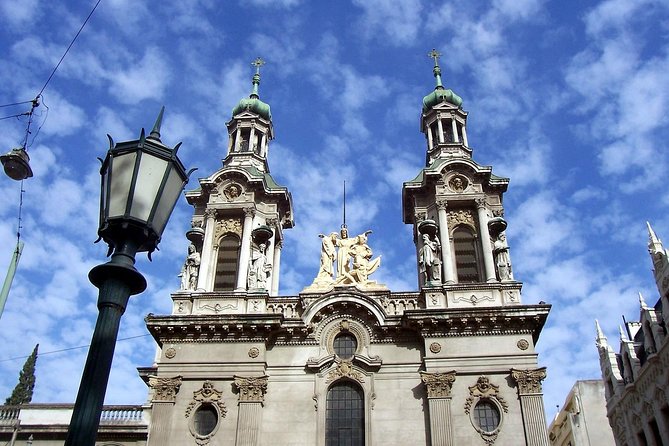
- Buenos Aires Cathedral, linked to Pope Francis in the tour framing
- General San Martín’s Mausoleum
- Government House and its architecture
- Monument to Manuel Belgrano, tied to the site where gallows used to be
- Ministry buildings, where shrapnel is mentioned as evidence connected to coups
- Piramide de Mayo and the Walk of the Mothers of the Disappeared
- Bolívar St. and Manzana de las Luces, called out as an Enlightenment Square and foundational school site
- Defensa St. and Saint Domingo Convent, tied to early British presence (1806 and 1807)
- Older preserved sites like the oldest shop, oldest church, and oldest house still preserved
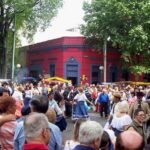
Then you arrive near Plaza Dorrego, framed as the heart of the famous San Telmo Antiques Fair area. This is used as a focal point for stories, including a painful one: the open-air Slave Market dark history connected to the square area.
If you’re someone who appreciates truth in history—even when it’s uncomfortable—this segment will stick with you. It’s not just about pretty colonial facades. The guide ties the neighborhood’s architecture and street layout to human stories, including slavery and how memory gets anchored in public space.
A final note: the tour’s stop list also mentions small story beats like Belen Church and Martina Cespedes’ cute story. Those are the kinds of details that make a walk feel like a conversation instead of a lecture.
Puerto Madero and Plaza de Mayo: New Waterfront vs Argentina’s Political Heart
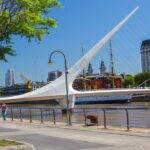
After San Telmo, the route shifts toward the water with Puerto Madero, described as the newest neighborhood built by expanding the city across old British dockyards into the water beyond the coast.
This contrast is useful. Puerto Madero helps you see how Buenos Aires repackages older industrial space into a modern identity, and it gives your brain a breather after the heavier street stories of San Telmo.
Then the tour reaches Plaza de Mayo, one of the most politically loaded plazas in the city. You’ll see:
- The historic downtown area and the plaza itself
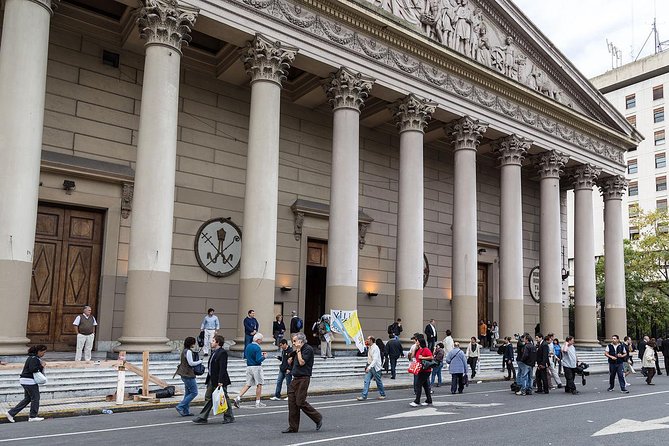
- Metropolitan Cathedral, described in relation to Pope Francis
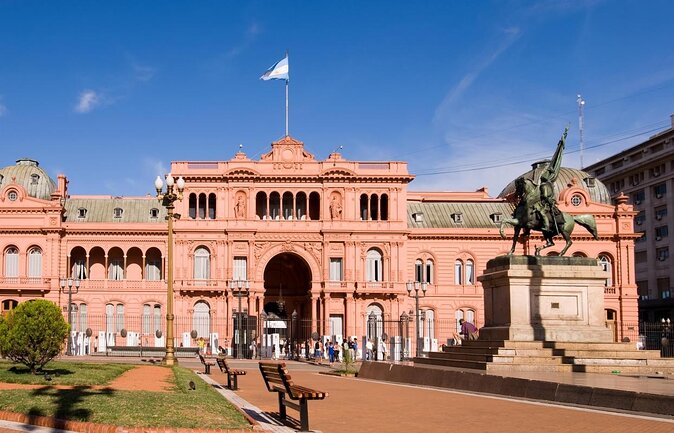
- Cabildo and Casa Rosada
- Piramide de Mayo
- The Mothers of the Disappeared, presented as a key part of Argentina’s struggle with tyranny and forced disappearances
You also get a dedicated look at Catedral Primada, the Metropolitan Cathedral, described as the main Catholic church in Buenos Aires. The tour’s notes include the tomb of General San Martín and the framing that Pope Francis officiated there.
Finally, there’s time at Casa Rosada, where the presidential office is housed. Even if you’ve seen it in photos, hearing what the building represents makes it feel less like a government prop and more like a living stage for national change.
Price and Logistics: What You Pay for, What You Still Cover
At $199 per person for about 6 hours, this tour sits in the mid-to-premium range. The value comes from three things that are clearly built into the experience:
- It’s private, so your time isn’t shared with people who move at a different speed.
- The guide is English-speaking, and the tour is designed around explanations, not just pointing.
- Recoleta Cemetery admission is included, which matters because it’s a ticketed attraction in the middle of the day.
What you’ll still need to plan for:
- Meals are not included. There’s a coffee and lunch break where you pay on your own.
- Transportation during the tour is not included. The tour explicitly notes that a one taxi ride may be necessary to reach one attraction to another, and estimates the cost around USD $5–7.
Also, the tour duration is listed as approx. 6 hours, but real city time varies. There’s a note that full coverage may depend on weather and city dynamics like repairs, strikes, or timing at the moment.
One more practical caution based on what you’ll want to avoid: the end point isn’t the same as the start. You’ll finish near Plaza Dorrego, which is great for continuing your day, but you should plan your pickup point or last-day steps around that.
Who Should Book This, and Who Should Skip It
Book it if you want a first-leg day that helps you orient fast. This tour is ideal for:
- First-time visitors who want neighborhood context instead of a list of landmarks
- People who like architecture and public spaces explained in human terms
- Anyone comfortable walking for a good chunk of the day with moderate physical fitness
Skip or think twice if:
- You prefer fewer stops and more museum time inside buildings.
- You don’t want to manage a short taxi segment.
- You’re extremely sensitive to long, solemn moments like cemetery time.
Should You Book This Buenos Aires One-Day Private Walking Tour?
I think this is a smart booking if your goal is understanding Buenos Aires on foot. The route packs major neighborhoods into a single day, and the guide’s job is clearly to connect what you’re seeing—plazas, embassies, opera landmarks, and memory sites—to how the city works and why it looks the way it does.
If you’re the kind of traveler who likes to know what a building signals, what a monument stands for, and why a square became a stage for national events, this tour will feel worth every hour. Just plan your shoes, budget a lunch and the possible taxi ride, and don’t assume you’ll return exactly where you started.
FAQ
What is the tour duration?
The tour lasts about 6 hours.
How much does the Buenos Aires in One Day Private Walking Tour cost?
It costs $199.00 per person.
Where do we meet, and what time does the tour start?
You meet at Buenos Aires Walking Tours, Florida Garden 899 (corner with Paraguay St.) and the start time is 10:00 am. The guide has a small BA Walking Tours sign.
What’s included in the price?
The tour includes a local English-speaking guide and cemetery admission tickets.
What’s not included?
Hotel pickup/drop-off, meals, and transportation during the tour are not included.
Is a taxi required during the tour?
The tour notes that a one-taxi ride may be necessary to get to one attraction to another, and the estimated taxi cost is about USD $5–7 (not included).
Does the tour run rain or shine?
Yes, it operates rain or shine.
Is this a private tour?
Yes. It’s a private tour, and only your group participates.
Where does the tour end?
The tour ends at Plaza Dorrego, Humberto 1º 400, C1065, in Buenos Aires (near the San Telmo Antiques Market area).