REVIEW · BUENOS AIRES
Buenos Aires: Empanadas and Alfajores Guided Cooking Class
Book on GetYourGuide →Operated by BsAs Mio Turismo · Bookable on GetYourGuide
Empanadas and mate in someone’s home sounds like a shortcut to Argentina. In this Buenos Aires empanadas and alfajores guided cooking class, I love how you get hands-on guidance for the empanada dough, fillings, and the classic repulgue seal, not just watching from the sidelines.
What I like just as much is that you also make a sweet finish: alfajores with dulce de leche, plus a traditional maté moment while you cook. One thing to consider: the savory empanada filling can feel similar across the table, and if you’re a total beginner you may want to slow down and ask for extra clarity on timing.
In This Review
- Empanadas and alfajores, the quick wins
- Meeting in San Telmo: where the evening starts
- A real Argentinian household setup beats a classroom vibe
- Empanada 101 in your hands: dough, fillings, and the repulgue seal
- Mate prep: learn the ritual while you cook
- Alfajores: corn starch cookies plus dulce de leche magic
- Food, conversation, and a full 3-hour meal
- Value check: what $37 gets you in real terms
- What to watch for: fillings, recipe access, and visibility
- Who this class is best for (and when it might not fit)
- Should you book this empanadas and alfajores cooking class?
- FAQ
- How long is the Buenos Aires empanadas and alfajores cooking class?
- How big is the group?
- Do you learn how to prepare mate in this workshop?
- What’s included in the price, and is wine included?
- Where is the meeting point in San Telmo?
- Is it wheelchair accessible, and can I cancel for a full refund?
Empanadas and alfajores, the quick wins
- Small group size (limited to 8) so you actually get help while shaping and sealing
- Repulgue practice so your empanadas don’t turn into open-faced pastries
- Savory filling variety with meat and vegetarian options included
- Traditional mate prep and an easy way to understand the ritual while you work
- Dessert you assemble and eat right after learning alfajores with dulce de leche
Meeting in San Telmo: where the evening starts
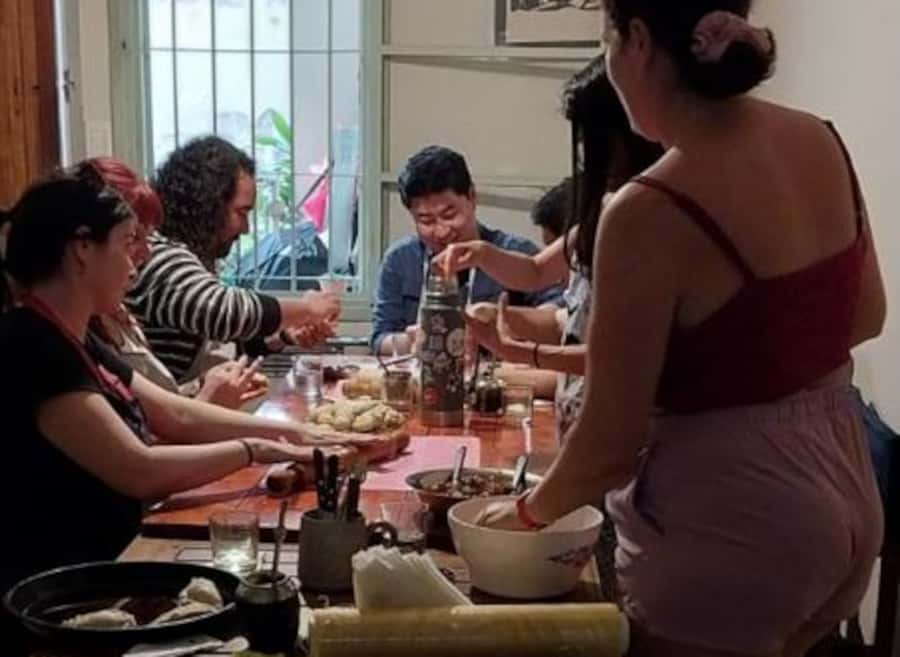
San Telmo is a great neighborhood to start a food experience. You meet at Paseo Col 1355 in San Telmo at the class start time, and you’ll want to ring the bell when you arrive. It’s the kind of meeting point that feels a bit like showing up at a friend’s place, which is exactly the mood here.
Timing matters because the class is only 3 hours, and the schedule packs in dough prep, filling work, shaping, and then dessert. I’d treat this like a ticketed dinner: arrive a few minutes early so you can get settled, not a few minutes late hoping things will still be fine.
Language is Portuguese and English, so you should feel comfortable following along even if your Spanish is rusty. And since the class is hosted in a real home, you’re not dealing with the noise and crowd-control vibes you might find in a restaurant kitchen. That makes it easier to focus on what your hands are doing.
You can also read our reviews of more guided tours in Buenos Aires

A real Argentinian household setup beats a classroom vibe
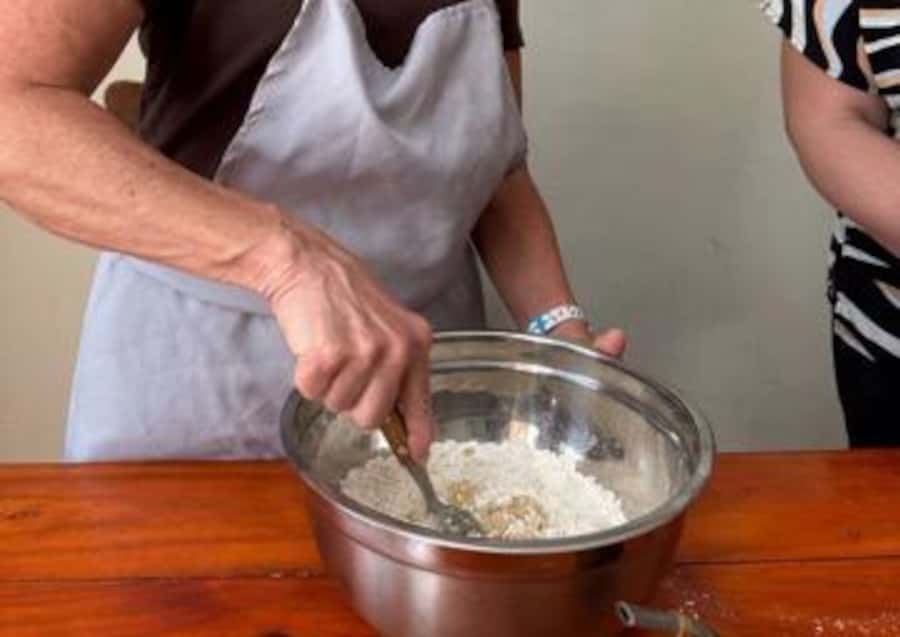
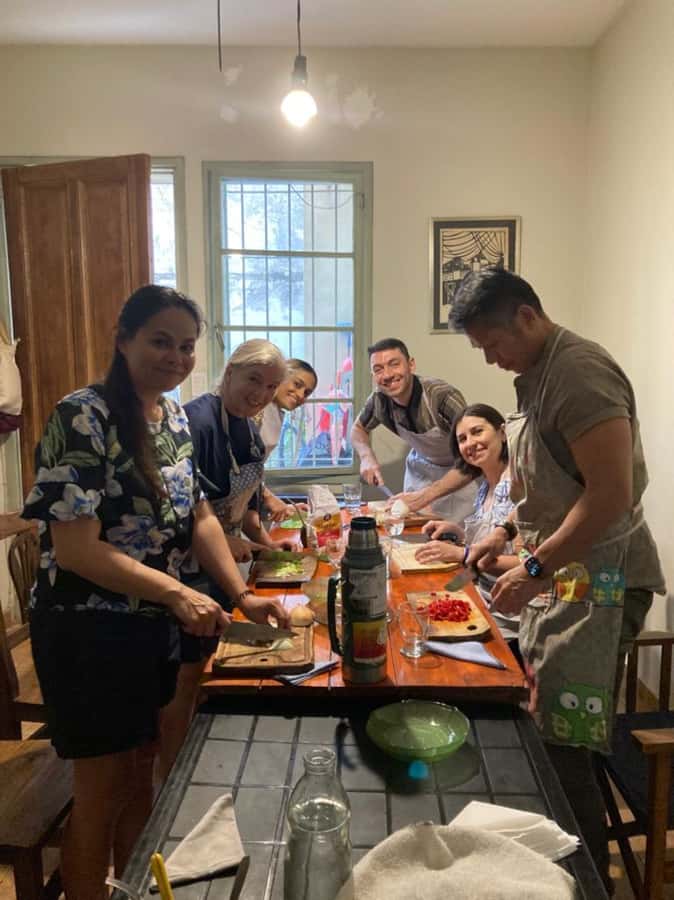
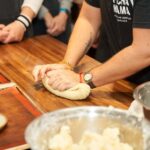
This isn’t a demo show. It’s a small, family-style workshop where you cook with the host team and other participants. The group stays small (up to 8 people), which means you can ask questions while you’re kneading, filling, and learning how to seal properly.
From what I can piece together, the best part is the warmth: you’re not just given instructions, you’re welcomed. Hosts often explain not only how to make the food, but also how these dishes fit into everyday Argentine life—especially around mate and shared meals. It’s the difference between taking a class and having an evening that feels like you were invited over.
One practical note: because everyone works at once, you might sometimes have to adjust your position to see certain steps clearly. If you’re on the outside edge, pay attention early when the group is forming the dough and when the sealing technique gets explained. Once you’re busy doing your own, it’s harder to watch from afar.
Empanada 101 in your hands: dough, fillings, and the repulgue seal
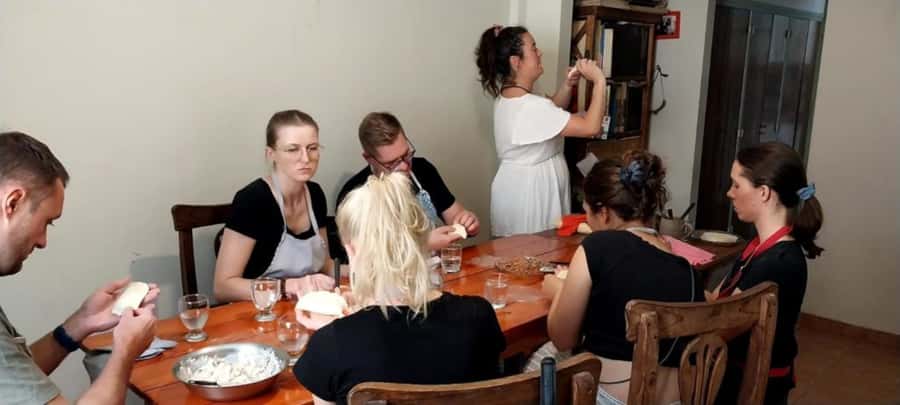
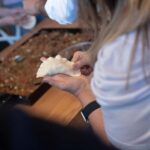
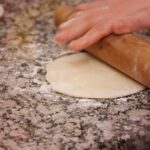
Empanadas are Argentina’s go-to stuffed pastry. In this class, you’ll learn how to make the doughs and fillings step by step, and you’ll get guidance on the signature “crimped” edge—often referred to as the repulgue. That seal is the skill that changes everything: it keeps the filling inside and gives you the classic look.
You also get to work with a variety of savory fillings. Expect options that include meat and vegetarian choices, such as combinations like meat filling and veg-based filling, plus classic comfort ingredients like ham and cheese when offered. Empanadas in Argentina can be baked or fried, and the workshop focuses on the practical side so you can reproduce the method at home afterward.
Here’s how I’d approach it while you’re cooking:
- Don’t overstuff. If the filling creeps past the dough edge, the seal is harder and the empanada can look less crisp.
- Aim for even thickness. If one empanada is thicker, it may take longer and feel heavier to bite.
- Work calmly on the edge. The repulgue looks decorative, but it’s really structure.
The end result is a meal made from scratch in a kitchen setting, not a plate assembled by someone else. And when you sit down to eat your own empanadas, you get a real sense of portioning and seasoning—useful if you want to cook again later.
Mate prep: learn the ritual while you cook
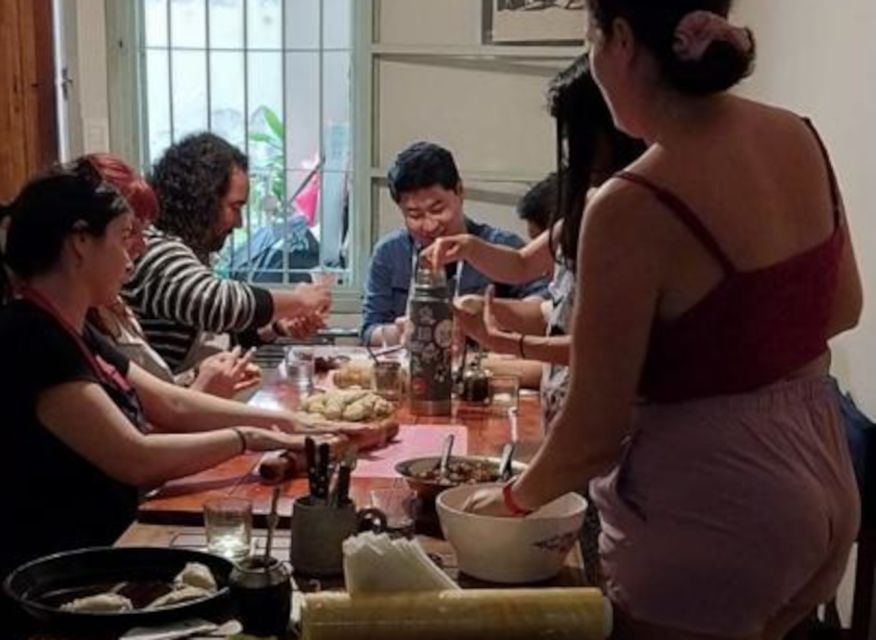
Maté is more than a drink in Argentina. It’s a social ritual, and in this class you learn the traditional method of preparing maté—the part that involves getting the drink set up properly so it’s ready to share.
You’ll be making and drinking it during the workshop, not as a random add-on. That’s one reason this class works well even if you’re not a pastry person. The mate portion slows the evening down just enough to help you settle in, ask questions, and connect with the group while you’re between steps.
A small but real advantage: maté is a great way to understand the “hang out and talk” side of Argentine food culture. While dough rests or fillings cool, the hosts can explain what’s behind the ritual and how people usually share it at the table. Then you get to do it yourself, which makes the knowledge stick.
Alfajores: corn starch cookies plus dulce de leche magic
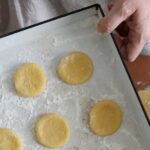
Now for the sweet part: alfajores. These are beloved Argentine sandwich cookies built around a creamy filling. In this class you focus on making alfajores that use corn starch in the cookie base, then assemble them with dulce de leche.
You’ll learn how to form the cookie dough, then how to put everything together cleanly so you end up with that classic alfajore shape—cookie, filling, cookie—without the filling turning into a mess. Since the class is hands-on and food is included as part of the experience, you also get to eat what you make while it’s still fresh from the process.
If empanadas are about technique and savory structure, alfajores are about texture. Corn starch helps create a tender, melt-in-your-mouth cookie feel, and dulce de leche brings the sweet, thick creaminess you expect. The workshop makes it practical: you’re not just learning the idea of alfajores, you’re learning the steps you need to recreate them.
And yes, it’s satisfying to finish cooking and then immediately taste the results you earned. That “I made this” feeling is a big part of why the class rates so highly for people who want more than a quick taste.
You can also read our reviews of more cooking classes in Buenos Aires

Food, conversation, and a full 3-hour meal
One of the smartest things about this experience is that it’s built like a meal, not like a workshop where you leave hungry. The class includes a meal, and the ingredients, mate, and water are all part of what’s provided. By the time you’re done, you’re eating what you made: empanadas and alfajores, plus whatever’s served alongside during the process.
A few practical tips if you want the smoothest experience:
- Come with an appetite. Even if you’re not a big eater, the amount of food is part of the value.
- Pace yourself with mate. It’s easy to get into the ritual and forget you still have dessert to assemble.
- If you’re a beginner, don’t be shy about asking for slower instruction during the dough or sealing stages.
Wine isn’t included, though it’s available for purchase. That keeps the class accessible to everyone and also means the price stays focused on the cooking and food experience rather than drinks.
Value check: what $37 gets you in real terms
For $37 per person and 3 hours, this class packs in a lot that you usually pay extra for elsewhere. You get:
- A hands-on cooking class
- Ingredients for both empanadas and alfajores
- Mate and water
- A meal (you eat the results)
That’s the key to the value: you’re paying for time, instruction, and the food-making process. If you’ve ever done a food tour that ends with a small bite and a promise that you’ll find a recipe later, this feels different because you’re actually producing the food.
The small group size also matters for value. When you have up to 8 people, you’re less likely to wait your turn while your dough dries out or your sealing technique becomes a mystery.
If you’re counting on getting the recipes to recreate everything later, it’s worth keeping one small expectation in check: recipe access can vary. Some hosts share recipes afterward, but for a smooth follow-up, I’d make sure you leave with whatever the class provides for home cooking.
What to watch for: fillings, recipe access, and visibility
No experience is perfect, and a few details are worth planning around.
1) Filling variety
Some people love getting two empanada rounds, but there’s a common wish for more variety across fillings—like an extra filling choice beyond repeating the same style. If you’re the type who wants maximum diversity, you might want to ask ahead what fillings are planned.
2) Recipe handoff
A few participants noted that getting the recipes afterward wasn’t always straightforward. In some cases, recipes may be shared through a host follow-up process, or you might need to request them. If recipes are a top priority, I’d confirm the plan for receiving them before you leave.
3) Clear instructions for total beginners
The teaching is hands-on, but a couple of people wished certain instructions were a little clearer—especially for those with less cooking experience. If that’s you, lean into asking questions early, not halfway through when you’re already holding a filled dough circle.
4) Getting a good view
Because the class happens in a home setting and involves a working table, visibility can depend on where you sit. If you’re on the outer side, watch carefully at the start of each key technique—especially dough shaping and sealing.
None of these issues spoil the experience, but they help you set the right expectations so you can enjoy the evening without frustration.
Who this class is best for (and when it might not fit)
This is a great choice if you want authentic Argentine food culture without turning it into a stiff lesson. It works especially well for:
- Couples who want a shared activity with food you’ll actually eat
- Solo travelers who like meeting a few people without big-tour crowd energy
- Families with teens who enjoy cooking and conversation (the class format is active, and younger participants often jump in fast)
You might not love it as much if:
- You’re only interested in empanadas and would rather skip the dessert focus
- You need guaranteed recipe documents handed to you on the spot with no follow-up steps
- You strongly prefer a wide range of filling options for empanadas and don’t want repetition
For most people, the balance is just right: you come for the food skills and leave with both practical technique and the feeling of having shared a real meal.
Should you book this empanadas and alfajores cooking class?
Yes, I’d book it if you want a small-group Buenos Aires food experience that’s hands-on from start to finish. The best reason: you learn the practical technique for making empanadas (including the repulgue seal), then you create alfajores with dulce de leche and corn starch cookies—plus you get the mate ritual while you cook.
Book it especially if you:
- Enjoy cooking and want skills you can repeat at home
- Like meeting people in a warm, family-style setting
- Want a true Argentine home dinner feeling in 3 hours
If your biggest priority is a large menu of different empanada fillings, or if you need instant recipe access with no follow-up, plan to ask questions at the start so you feel fully set up. Do that, and you’ll likely leave smiling with a full belly and a new set of skills you can brag about the next time someone asks how to make alfajores.
FAQ
How long is the Buenos Aires empanadas and alfajores cooking class?
The class lasts 3 hours.
How big is the group?
It’s a small group, limited to 8 participants.
Do you learn how to prepare mate in this workshop?
Yes. You learn how to prepare and enjoy mate (including the traditional method of preparing it).
What’s included in the price, and is wine included?
The price includes the cooking class, ingredients, mate, water, and a meal. Wine is not included, though it may be available for purchase.
Where is the meeting point in San Telmo?
Meet at Paseo Colon 1355, San Telmo, and ring the bell at the class start time.
Is it wheelchair accessible, and can I cancel for a full refund?
Yes, the workshop is wheelchair accessible, and you can cancel up to 24 hours in advance for a full refund.