REVIEW · BUENOS AIRES
Discover Buenos Aires: Private Tour with Your Expert Local Guide
Book on Viator →Operated by Buenosairestourvip · Bookable on Viator
A private half day can change how you see the city. This Buenos Aires tour is built around a bilingual local guide who adapts the plan to your group’s needs, including food preferences and allergies, with a mix of driving and walking that keeps things comfortable. You’ll cover the core neighborhoods most first-timers want, but without the usual feeling of being rushed through photos.
I especially like the flexible, group-first pace. The tour is designed for real-life travel moments too: first day arrivals, airport or cruise timing, and enough room to stop for small needs like shopping and quick pauses. And because it’s private, the guide can slow down or speed up depending on what grabs your interest.
One thing to consider: not everything is included in the ticket sense. While several sights along the route have free-access options, optional entrance fees are not included, and the tour needs good weather to run smoothly.
In This Review
- Key things I’d plan for
- First Day Buenos Aires, With Real Local Control
- The Value: What $180 Buys You in a Private Half Day
- La Boca and Caminito: Color, Street Life, and Tango Energy
- San Telmo: Old Streets, Antiques, and the Sunday Flea Market Effect
- Puerto Madero: Port History, Wide Streets, and Modern Buenos Aires Food
- Montserrat and Plaza de Mayo: The Heart of the Government Square
- Congreso, Microcentro, and 9 de Julio: Big Architecture and the Obelisk Moment
- Recoleta Cemetery and Palermo’s Rosedal: Where the Day Breathes
- Lunch on the Route: Included Food Time That Actually Matters
- What the Guide Style Feels Like on the Street
- When This Tour Is a Perfect Fit
- Good Weather Matters (And Crowds Are Real)
- Practical Tips Before You Go
- Should You Book This Private Buenos Aires Tour?
- FAQ
- How long is the Buenos Aires private tour?
- Is this a private tour or shared group?
- Does the price include lunch?
- Do I get hotel pickup and drop-off?
- Are site entrance tickets included?
- Which neighborhoods are included in the route?
- What time does the tour operate?
Key things I’d plan for
- 90% of the classics in a tight 4-hour window, so you get your bearings fast
- Bilingual guiding with attention to preferences and allergies
- Private hotel pickup and drop-off plus a car with gasoline and tolls handled
- Lunch included, plus bottled water for the day
- A smart mix of walking and driving to reduce fatigue
- Big-picture neighborhood variety, from La Boca street life to Recoleta and Palermo
First Day Buenos Aires, With Real Local Control
Buenos Aires can feel like a lot at once. This private tour helps you start with direction: where to go, what to notice, and what to save for later. You’re not stuck figuring out transit, and you’re not pressed into a big group schedule.
The guide portion is what makes it click. You get bilingual interpretation, and the plan is described as flexible around the way your group wants to experience the city. If you care about food, shopping, or photo stops, that’s part of the rhythm here. And if you have allergies or specific dietary needs, the tour is set up to account for them.
It also matters that the day is built as a private experience. Your guide can answer questions as you go, and you can tailor what matters most to you instead of watching other people’s priorities take over the plan.
You can also read our reviews of more guided tours in Buenos Aires

The Value: What $180 Buys You in a Private Half Day
At $180 per person, this is not the cheapest way to see Buenos Aires. But it is priced like a service: private transportation, a professional guide, hotel pickup and drop-off, bottled water, and lunch are included. For many travelers, the real cost is not just money. It’s time and stress—especially on your first day when every decision feels heavier.
You’re also paying for efficiency without making the day feel like a drive-by. The route spreads out across the city’s major neighborhoods in a way that’s meant to help you understand the layout. You’ll get both street-level atmosphere and major landmarks, but with a car segment that keeps the whole thing manageable.
Think of it as a fast start. By the time you’re done, you should know where you want to return for longer walks, museums, and food.
La Boca and Caminito: Color, Street Life, and Tango Energy
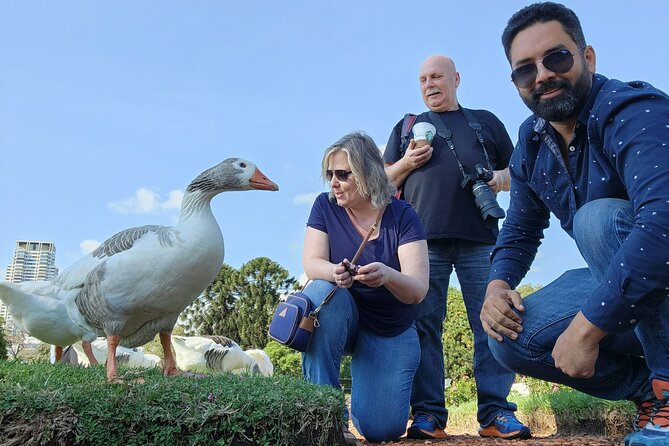
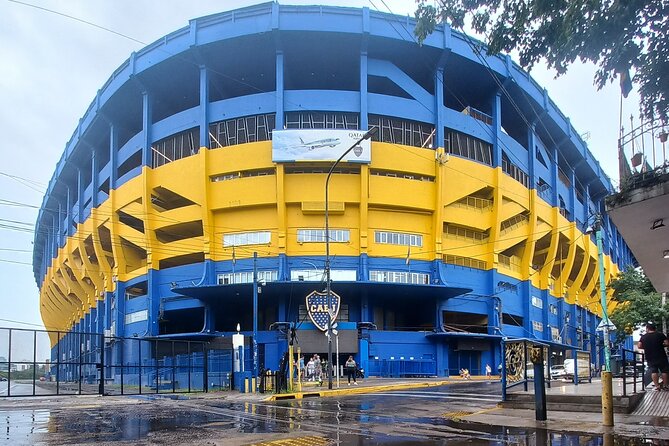
La Boca is where Buenos Aires lets its personality show. You’ll start here near Caminito, the long-running colorful outdoor walkway that has been operating since 1959. The area is known for its street performance energy, with tango dancers, souvenir shops, bars, restaurants, and local artists nearby.
Walking through this zone is part theatre, part neighborhood. The walls and street art are a visual anchor, and the guide’s job is to help you read it instead of just looking at it. As you arrive and drive through the surrounding areas, you’ll notice the contrast between famous photo spots and the broader street texture—graffiti, layers of color, and the everyday life that sits around the tourist core.
A practical note: this is the kind of place where you’ll want good shoes and a relaxed attitude. It’s colorful, crowded at peak times, and built for wandering. The tour timing for La Boca is about 40 minutes, so it’s enough to feel the vibe without turning into an all-afternoon detour.
San Telmo: Old Streets, Antiques, and the Sunday Flea Market Effect
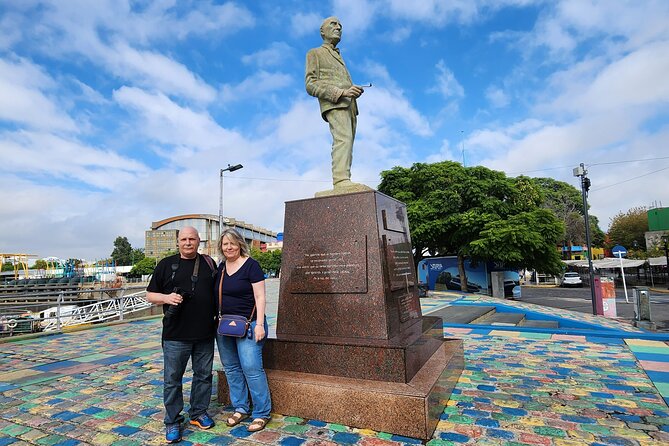
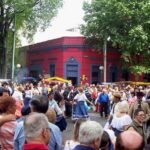
Next comes San Telmo, one of the city’s older neighborhoods with a classic porteño feel. The character here is bohemian and centered on historic streets, antique dealers, murals, and traditional meat restaurants. This is also the area that turns especially lively on Sundays, when the famous flea market takes over.
Even if you don’t plan to hunt antiques, San Telmo is valuable because it shows you a different Buenos Aires texture than the La Boca color machine. Here you’re more likely to notice the craftsmanship of storefronts, the street murals, and the way the neighborhood flows for people who actually live nearby.
The tour slot is about 25 minutes. That’s short, but it’s intentional: you’ll get the highlights without trying to do a full flea-market expedition. If you’re visiting on a Sunday and the market is running, consider using your guide for direction on where it’s best to start and what’s worth slowing down for.
Puerto Madero: Port History, Wide Streets, and Modern Buenos Aires Food
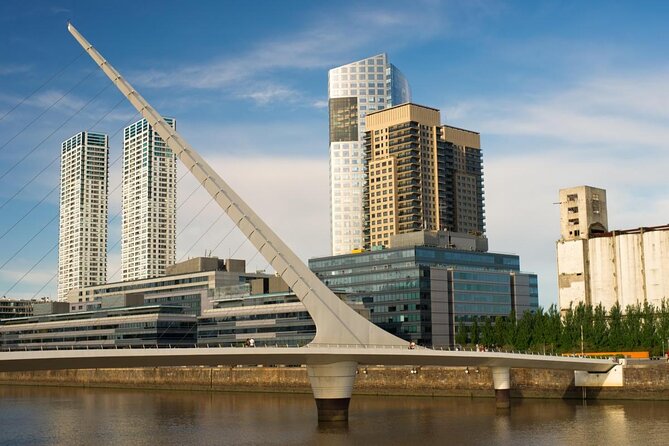
Then you shift to Puerto Madero, a neighborhood shaped by the city’s port ambitions. It was created at the end of the 19th century, tied to the need for a port connection between Buenos Aires and Europe during Argentina’s agro-export growth. The neighborhood is named for engineer Eduardo Madero, and the street names honor major women in Argentine history.
Puerto Madero also feels different in the way people move through it. The streets are wide, the atmosphere is more modern, and the dining scene is described as both broad and multicultural. If you’re a foodie, this stop is useful even if you don’t eat right away, because you’ll spot where to return later for a longer meal.
The tour time here is about 25 minutes, so you’ll mostly be viewing and orienting rather than settling in. Still, it’s a strong contrast stop after San Telmo, and it helps you see how Buenos Aires can swing from old-world textures to streamlined waterfront modernity.
You can also read our reviews of more private tours in Buenos Aires



Montserrat and Plaza de Mayo: The Heart of the Government Square
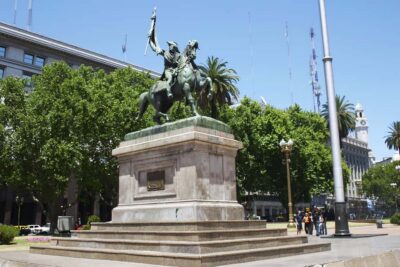
Montserrat brings you to Buenos Aires’s historic center, where the landmarks feel serious and symbolic. The key anchor is Plaza de Mayo, described as the most important square in the city—founding grounds and the place where major civic buildings unify in one view.
You’ll also pass by or near institutions tied to Argentina’s political story, including the Cabildo and Casa Rosada. The guide also points out other major government and financial sites in the historic core. One of the noted monuments here is the Pirámide de Mayo, linked to the May Revolution celebration and described as the first patriotic monument in the city.
This is one of the stops where a guide makes the difference. If you only see buildings from the sidewalk, you might miss why people care. But with local context, you start connecting what you see to how Argentina’s public life formed.
Timing is around 25 minutes. That’s enough for a focused look at the square without demanding you commit to a long museum or interior visit.
Congreso, Microcentro, and 9 de Julio: Big Architecture and the Obelisk Moment
From Montserrat you move toward Congreso, and then continue into San Nicolás and the microcentro area. Congreso is known for its emblematic building and interesting architecture. Even if you never step inside, the outside presence is part of the story, and it works well for a quick architectural sweep.
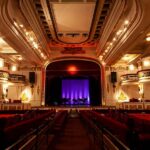
Then the tour emphasizes San Nicolás, home to major urban icons. This is where 9 de Julio Avenue comes in, described as one of the largest in the world. The Obelisk is the obvious photo target, and you’re also in an area with major theatres, including Teatro Colón, plus the theatre concentration along Corrientes Avenue.
This part of Buenos Aires is also where finance is concentrated, with banks and insurance companies nearby. You’ll also encounter the Palacio de los Tribunales complex, described as the home of the Supreme Court and other courts.
The stop times here are short on purpose—15 minutes around Congreso and 30 minutes in San Nicolás. Think of it as an orientation sweep. You’ll see the big signals that help you map Buenos Aires in your head, and you’ll know which streets feel like your kind of walking.
Recoleta Cemetery and Palermo’s Rosedal: Where the Day Breathes
The city stops feeling like a checklist at Recoleta. The neighborhood is described as affluent, with Paris-style townhouses, opulent old palaces, and luxury boutiques. But the big named site on this route is the Recoleta Cemetery, described as one of the largest necropolises in the world.
Cemetery tours can either feel like a chore or become one of the most memorable parts of the day. Here, the time is flexible in practice because you can spend a bit longer depending on how you want to engage. If you like symbolism, sculpture, and how a city preserves memory, this stop often turns into the highlight.
After that, the tour heads to Rosedal de Palermo, a rose garden in the middle of the city. It’s set up as an easy, pleasant pause: a place for walks, sightseeing, and even casual sports. The tour allots about 1 hour here, which is generous compared to the earlier stop durations.
If your feet are tired after La Boca and San Telmo, this is a smart recovery moment. It gives you a break from crowds and traffic noise, and it’s also a great spot to reflect on what you liked most so far and what you’ll want to return to.
Lunch on the Route: Included Food Time That Actually Matters
One of the best parts of this tour for practical travelers is that lunch is included. You’re not stuck solving food logistics mid-day or negotiating what sounds good while your schedule is ticking. Bottled water also helps keep the day comfortable, especially if you’re walking in warmer hours.
The guide approach is described as tailored to food choices and allergies, so lunch should match your needs rather than forcing a one-size-fits-all meal. And based on the service style described in customer experiences, you can often count on the guide to suggest good options nearby and adjust timing so the day doesn’t feel like a rush.
This is also where you get an extra value: a local guide can help you decide what’s worth repeating later. After lunch, you’ll have a better sense of where your own food preferences might lead you for dinner.
What the Guide Style Feels Like on the Street
The service is positioned as flexible and attentive, and the guide role comes through in small ways. In real-world examples tied to this company’s service, the guide was described as patient with delays at airports and cruise ports, and helpful with practical needs during the day. People also mention photo-friendly stops and time that isn’t all “stand here, take the picture, move on.”
If you’re the type who wants context while walking—why a neighborhood looks the way it does, what you’re seeing in the architecture, and how the city’s layout makes sense—this tour is built for you.
When This Tour Is a Perfect Fit
This is ideal for:
- Your first time in Buenos Aires and you want a fast, meaningful overview
- Travelers who want hotel pickup and a private guide to avoid transit stress
- Groups that need attention to food preferences or allergies
- People who prefer a structured plan with enough freedom to adapt
It’s especially good if you’re working with a short window. With a 4-hour format and multiple neighborhoods in one run, you can get oriented early and then plan the rest of your days with confidence.
Good Weather Matters (And Crowds Are Real)
This experience requires good weather, which matters for a route that mixes walking and open-air areas like Caminito and outdoor spaces in Palermo. If it’s a rainy day, you should expect an alternate date or a full refund per the tour’s operating conditions.
Also, some neighborhoods can get busy—San Telmo on Sundays and La Boca around peak hours are the usual crowd magnets in this part of town. You’ll still be able to enjoy the stops, but a relaxed pace helps.
Practical Tips Before You Go
Wear comfortable shoes. You’ll do both walking and driving, and the walking segments add up across several neighborhoods. Since lunch is included, treat the day like a normal half-day outing and avoid planning a second major meal immediately after.
If you’re sensitive to food, allergies, or specific dietary needs, tell the guide in advance. The tour is explicitly positioned as tailored around these concerns, so using that advantage improves your day.
And if you’re traveling as a first-day arrival, you’ll get the most out of the route by thinking of it as orientation. After the tour, pick one neighborhood you truly liked and return for a longer, slower walk.
Should You Book This Private Buenos Aires Tour?
If you want a smart first look at Buenos Aires—neighborhoods, major landmarks, and a relaxed private pace—this tour is a strong choice. The value isn’t just the sightseeing. It’s that you get a bilingual local guide, hotel pickup, private car time, bottled water, and lunch, all wrapped into a 4-hour window.
I’d book it if:
- You’re short on time and want to see the city’s core areas in one go
- You want flexible guidance rather than a rigid group script
- You like mixing iconic sights with street-level atmosphere
I’d think twice if:
- You’re hoping for long interior museum time at every stop (this is more of an orientation sweep)
- You’re traveling on a day that’s questionable for weather, since the tour requires good conditions
- You don’t want to deal with possible optional entrance fees
Overall, this is the kind of half day that helps you plan the rest of your Buenos Aires days with less guessing and more confidence.
FAQ
How long is the Buenos Aires private tour?
The tour lasts about 4 hours.
Is this a private tour or shared group?
It’s a private tour/activity, and only your group participates.
Does the price include lunch?
Yes. Lunch is included as part of the tour.
Do I get hotel pickup and drop-off?
Yes. The tour includes hotel pick-up and drop-off.
Are site entrance tickets included?
Not always. Entrance fees to certain sites are not included, though some stops are described as free entry.
Which neighborhoods are included in the route?
You’ll visit La Boca, San Telmo, Puerto Madero, Montserrat, Congreso, San Nicolás, Recoleta, and Palermo (including Rosedal de Palermo).
What time does the tour operate?
Tours run daily (Monday through Sunday) between 10:00 AM and 2:00 PM, for the listed travel window (11/28/2025 to 05/20/2026).