REVIEW · BUENOS AIRES
Pachamama – Argentine Cooking Experience in Buenos Aires
Book on GetYourGuide →Operated by Pachamama - Argentine Cooking Experience · Bookable on GetYourGuide
Cooking Argentine classics is easier than you think. At Pachamama, you get a homey, chef-led class where you cook from scratch and then sit down together to eat what you made, paired with Mendoza Durigutti wine. I love how practical it is: you’re not watching from the sidelines. I also love the food-and-drink rhythm, from welcome drinks to a plated dessert that feels like a proper Argentine meal. One thing to keep in mind: the cooking can be a shared, group workflow, so you may not individually execute every step of every dish.
This is built around Argentine flavors with a little culture lesson baked in. You’ll taste a welcome picada, learn about staples like mate and chimichurri, and then roll up your sleeves for a four-recipe, course-style menu (snack, appetizer, main, dessert). The chef keeps it structured and upbeat, while also explaining where recipes come from and how they fit Argentine tradition.
The main consideration is simple: because it’s a small group, the work happens together. If you want a class where each person fully makes an entire dish solo, you might feel like you’re sharing the process. Still, that group setup is also part of the fun—especially if you like meeting people while you cook.
In This Review
- Key things I’d circle on your planning list
- A homey Buenos Aires kitchen lesson (with structure)
- Before you cook: picada, mate talk, and the Buenos Aires start
- The cooking plan: snack, appetizer, main, dessert
- Snack: chipá with BBQ sauce and fermented spicy sauce
- Appetizer: beef empanadas + chimichurri
- Main: humita stew gratin
- Dessert: flamed dulce de leche crepes, ice cream, and limoncello
- Why the chef-led format is worth it
- Wine pairing: Mendoza Durigutti with Las Compuertas
- Dietary needs: options without making you feel like a burden
- Recipes and memories you can actually use later
- Timing and logistics in Buenos Aires: what to plan for
- Is it good value at $75 per person?
- Who should book Pachamama?
- Should you book Pachamama Argentine Cooking Experience?
- FAQ
- How long is the Pachamama cooking experience?
- How much does it cost?
- What’s included in the meal?
- Is hotel pickup included?
- What dietary options are available?
- What language is the cooking class taught in?
- How big are the groups?
Key things I’d circle on your planning list
- Hands-on, four-recipe cooking that turns into a full meal you get to eat right away
- Mendoza Durigutti wine pairing with your menu, plus vermouth, lemonade, and water included
- A structured course flow: snack, appetizer, main, dessert, with a welcome picada added
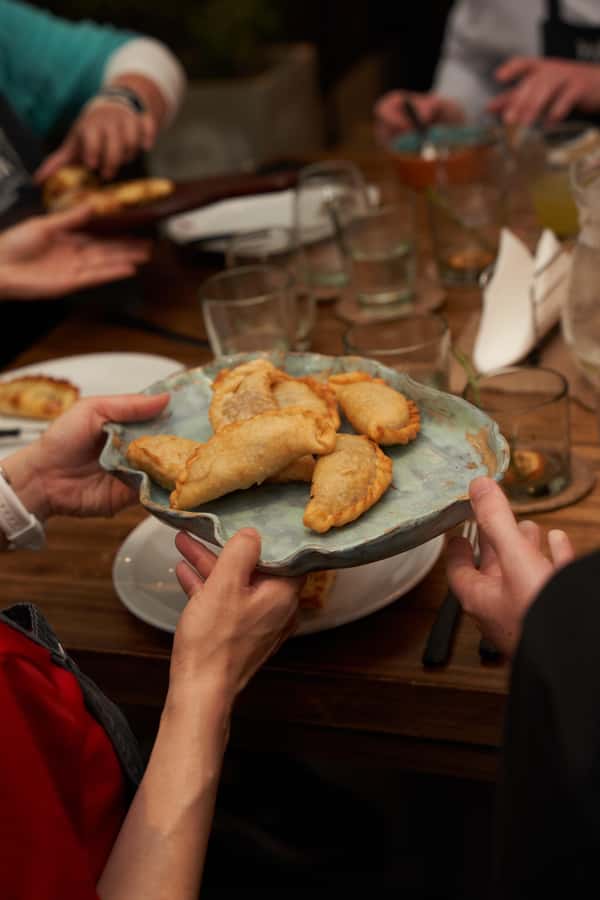
- Real Argentine classics: empanadas with chimichurri, humita stew gratin, chipá, and dulce de leche crepes
- Diet swaps available for vegetarian, gluten free, and lactose free plans
- Take-home support: PDF recipe books via QR code and class pictures for memories
A homey Buenos Aires kitchen lesson (with structure)
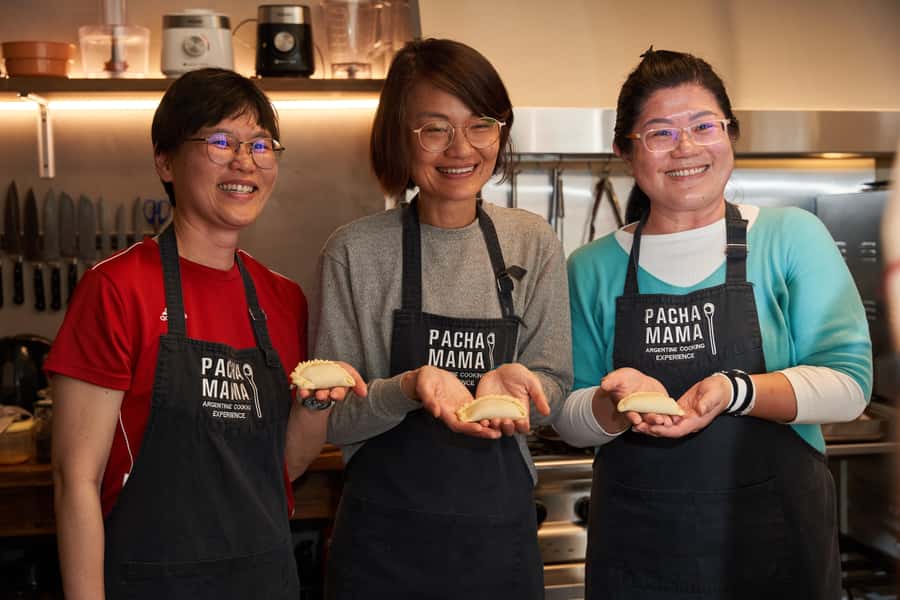
Pachamama is the kind of cooking experience that feels less like a show and more like you’ve been invited into someone’s kitchen—just with a professional chef keeping everything on track. You’ll cook in a friendly, cozy environment, and the vibe stays relaxed even when things get busy around the stove.
The class runs about 3 hours, with some versions described as 3.5 hours (and private groups can be 2.5 hours). Either way, it’s long enough to go beyond chopping and tasting. You get the full rhythm: learn a bit, cook actively, taste as you go, then sit down together for the meal.
One practical note: it’s English-led for the experience you’ll book. Private groups can be held in Spanish. Also, group size is listed as small, with up to 10 participants, and the provider notes capacity up to 14, so your exact class size may vary—worth checking when you confirm.
You can also read our reviews of more cooking classes in Buenos Aires
Before you cook: picada, mate talk, and the Buenos Aires start
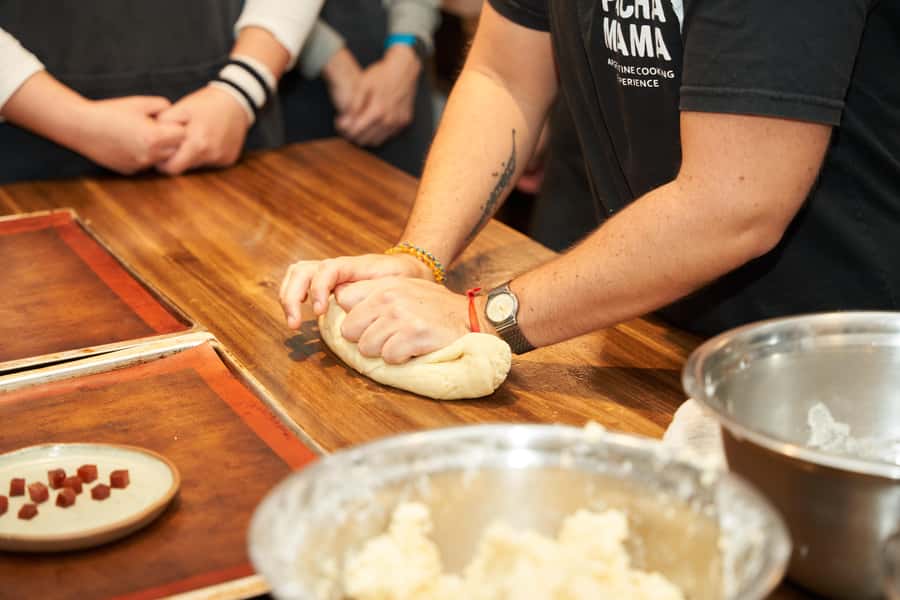
The experience begins with a welcome picada—think homemade preserves and pickles, plus local bread. This is a smart move, because it gets you eating and sets the flavor expectations before you start cooking anything.
Then you’ll hear about Argentine food in plain terms—its background, and how everyday items like chimichurri fit into the culture. You’ll also get a feel for staples like mate, which is basically part of the daily language in Argentina. The class uses these references to help you understand why certain flavors show up again and again.
Drinks are part of the flow, too. You’ll have a vermouth cocktail, and the menu pairing includes Durigutti wines (Las Compuertas). Water and homemade lemonade are included as well. If you like the way a meal feels more complete when the drinks aren’t an afterthought, this format will click.
The cooking plan: snack, appetizer, main, dessert
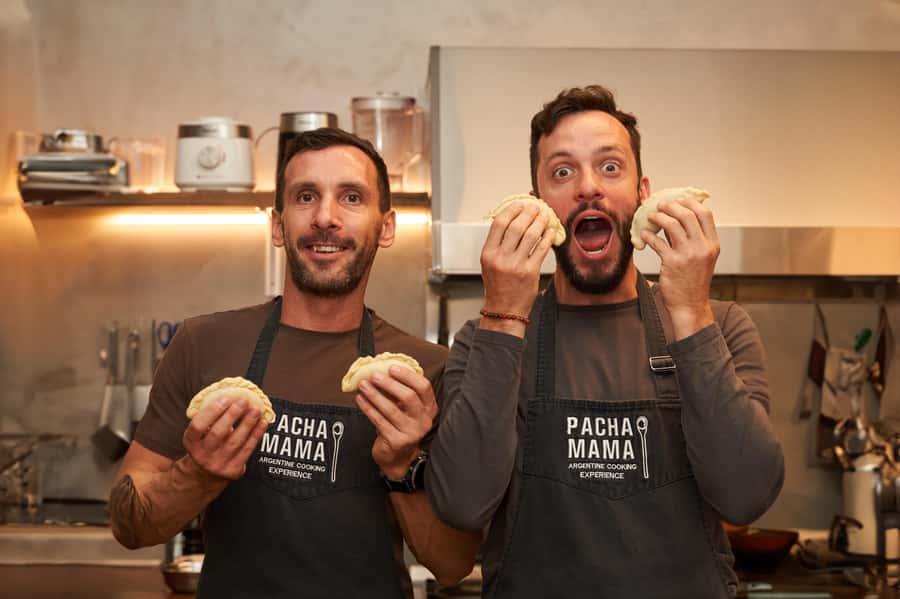
This is where Pachamama earns its reputation. You don’t just sample Argentine food—you participate in making it. The class is built like a four-course meal, and the five-step menu pairing is more like a full tasting lunch with wine, not a light snack activity.
Snack: chipá with BBQ sauce and fermented spicy sauce
You start with chipá, a cheesy bread that’s common in Argentina and often tied to snack-time culture. In this class, chipá comes with BBQ sauce and a fermented spicy sauce. That combination teaches you something useful: Argentine flavors often come from mixing comfort foods with bold, tangy heat.
Also, making chipá early helps you settle in. It’s active cooking without being too intimidating, and you’ll get the hang of the kitchen rhythm before the bigger components.
Appetizer: beef empanadas + chimichurri
Next comes a centerpiece: beef empanadas paired with chimichurri. This is the dish most people picture when they think of Argentine home cooking, and the class doesn’t treat it like a gimmick. You’ll learn why chimichurri works so well—herb freshness, acidity, and that unmistakable garlic-and-spice kick.
What I like about including chimichurri with empanadas is that you can taste the logic while you cook. Even if you’ve had empanadas before, you’ll likely leave with a clearer sense of how the sauce balances the filling.


Main: humita stew gratin
Then you move to humita stew gratin. Humita is corn-based comfort food—sweet, savory, and deeply “local” in feel. Turning it into a gratin adds a browned, baked top note that makes the dish feel satisfying even if you’re not a hardcore corn fan.
This is a great moment in the meal because it shifts away from the meat-forward plates and reminds you how broad Argentine cuisine can be.
Dessert: flamed dulce de leche crepes, ice cream, and limoncello
For dessert, you get flamed dulce de leche crepes with ice cream and homemade limoncello. This is the kind of finish that feels celebration-level without being overcomplicated. Dulce de leche is Argentina in one spoonful, and the flamed component adds drama and aroma.
The homemade limoncello pairing also makes sense. It cuts through the sweetness and leaves your palate cleaner for the final bite. It’s one of those details that makes the dessert more memorable than just another cake.
Why the chef-led format is worth it
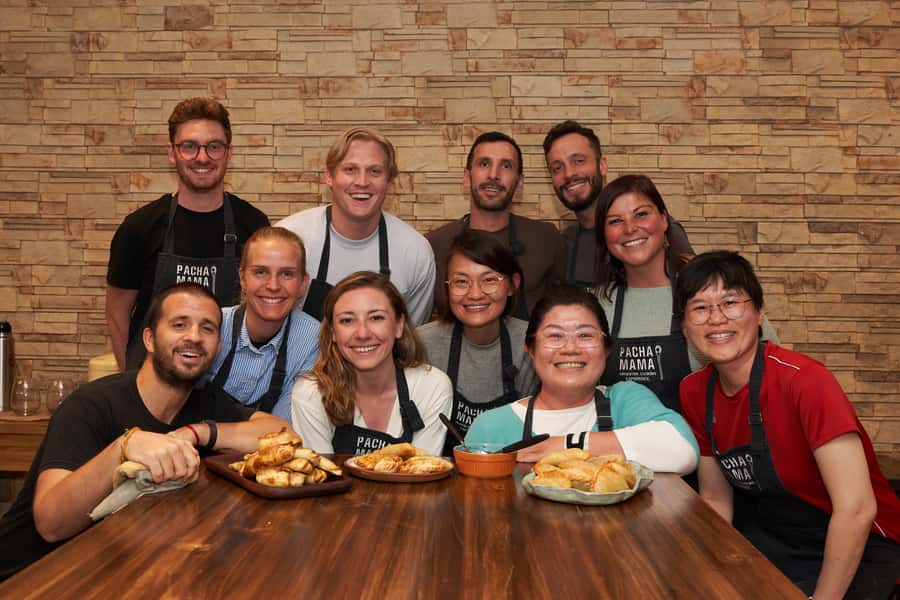
There’s a difference between a cooking class that teaches “recipes” and one that teaches “how to think while cooking.” Pachamama leans toward the second. The chef doesn’t just run you through steps—they explain the history and origin of recipes along the way.
That’s valuable because it helps you understand what you’re tasting, not just how you made it. For example, when you learn chimichurri’s role, you stop treating it like a generic sauce. You start using it the way Argentines do: as a flavor balance, not an extra.
The class also stays organized enough that you’re not waiting forever. A host named Franco is mentioned as part of the experience, and the overall team energy comes through: structured, fun, and quick to adjust if you need help.
Wine pairing: Mendoza Durigutti with Las Compuertas
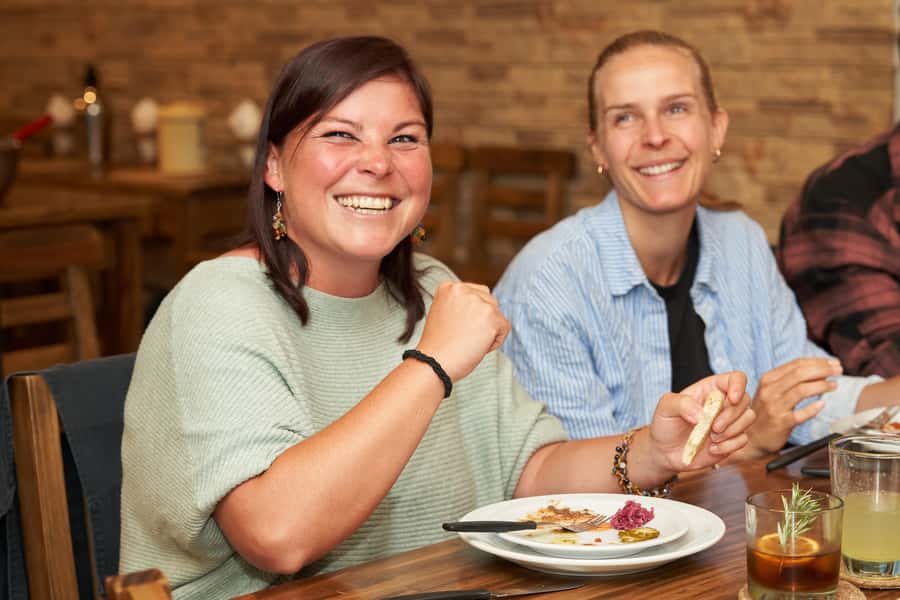
Food is only half the story here. The other half is pairing—specifically Mendoza Durigutti wine, Las Compuertas. You’ll have wine during the meal as part of the five-step menu pairing, which is a big reason the class feels like full value, not a “cook and run” workshop.
I like wine pairings that don’t feel random. This one follows the menu from snack to dessert, so each course has room to make sense on your palate. You’ll also have vermouth cocktail up front, which is a classic Argentine-style drink move and gives the experience a clear regional identity.
If you’re a wine fan, you’ll appreciate that this class doesn’t treat alcohol as an add-on. It’s built into the meal design.
Dietary needs: options without making you feel like a burden
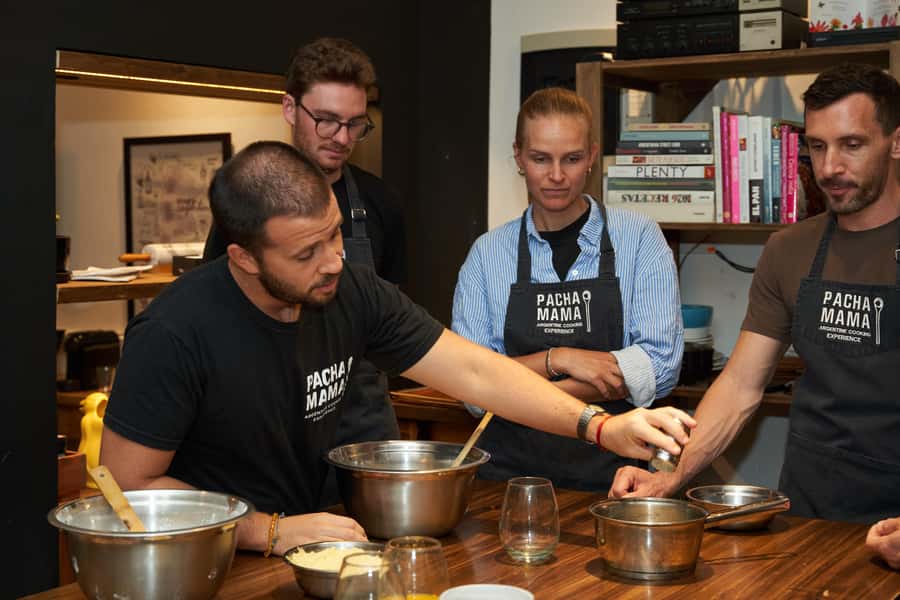
One of the most practical parts of the experience is that it can be adapted. The class states it can be adapted to vegetarian, gluten free, and lactose free. That matters because in many food classes, you’re either stuck with a limited substitute or forced into a “take it or leave it” plate.
Here, the structure stays the same: you’re still cooking and eating within the course flow. The class is also described as able to be held for smaller groups, which usually helps when accommodations are needed.
If you have dietary restrictions, I’d plan to tell them ahead of time so the kitchen can prepare the right adjustments. That way you don’t end up with half-steps and last-minute changes.
Recipes and memories you can actually use later
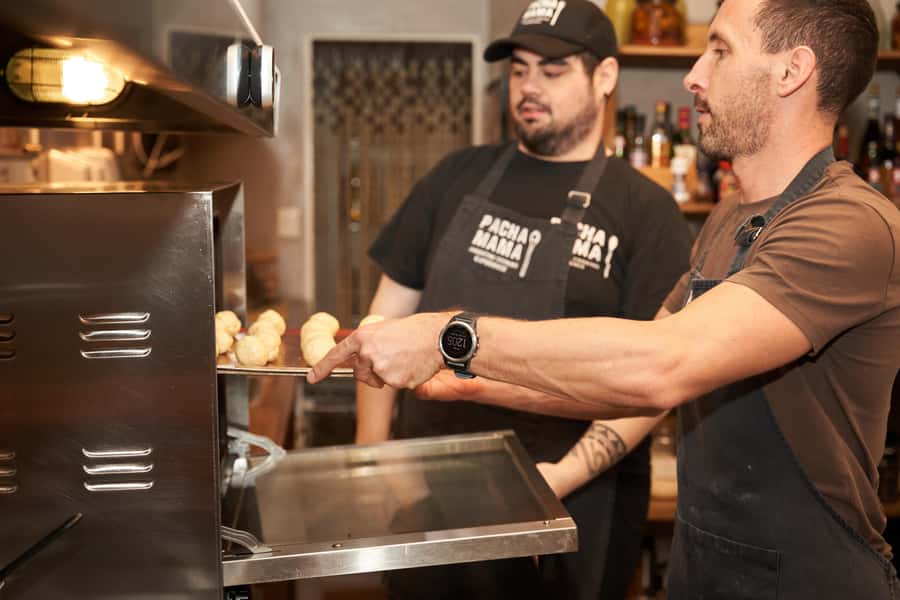
At the end, you don’t just leave with full stomachs. You’ll get recipe books in PDF format via a QR code, which is a real benefit if you want to recreate what you learned. You’ll also receive class pictures, so you can remember the parts you didn’t fully focus on while you were cooking.
This is the kind of detail that helps cooking classes move from entertainment to something you can repeat at home. Even if the flavors are familiar, having a copy of how the dishes were taught gives you a shortcut next time.
Timing and logistics in Buenos Aires: what to plan for
Pachamama doesn’t include hotel pickup and drop-off, so you’ll need to get yourself there. That’s not a dealbreaker, but it does change the “ease score” depending on where you’re staying in Buenos Aires.
The upside is that once you arrive, the experience is run like a plan. You’ll move through snack, cooking, tastings, and then sit together to enjoy what you cooked. It’s a smooth arc that doesn’t rely on you understanding the schedule as you go.
Also, keep in mind the class is wheelchair accessible, which is a major plus if mobility is part of your planning.
Is it good value at $75 per person?
For $75 per person, you’re paying for a lot that many “food experiences” often skip: active cooking, a full multi-course menu, included drinks, and recipe support after. You’re not just tasting one dish. You’re making several components and eating them as a coordinated meal with wine.
You also get more than “ingredients on a table.” You’re getting chef guidance plus the cultural context behind staples like chimichurri and mate references. That’s hard to price directly, but it’s real value when you want to leave knowing what to do at home—not just what to order in a restaurant.
Where the value question can turn is if you prefer a private, one-on-one cooking style. Because the class is small-group and group workflow is part of the experience, you may share steps rather than independently execute every dish. If you’re okay with that, the price feels fair for what’s included.
Who should book Pachamama?
This class is a great fit if you:
- Want hands-on Argentine cooking, not a spectator experience
- Like the idea of a complete meal with wine pairing included
- Enjoy learning why dishes work, not only how they’re assembled
- Need flexibility for vegetarian, gluten free, or lactose free plans
If you’re mainly looking for a deep cultural tour of specific neighborhoods or museums, this is more focused. It’s about the kitchen, the food, and the meal experience.
Should you book Pachamama Argentine Cooking Experience?
Book it if you want a fun, practical way to understand Argentine cuisine in a single afternoon. The hands-on cooking, the structured menu, and the Durigutti wine pairing make it feel like a full Buenos Aires experience rather than a short activity.
Think twice if you’re the type who needs to personally complete every step solo. This class leans group-friendly, and that can mean shared workload. If that sounds okay, you’ll likely love the energy and the fact that you can walk away with recipes in your pocket and a meal you built with your own hands.
If you go, come hungry and be ready to taste, cook, and laugh a bit during the process. That’s where the experience does its best work.
FAQ
How long is the Pachamama cooking experience?
The experience is listed as about 3 hours. Some versions are described as 3.5 hours, and private groups can be adapted to 2.5 hours.
How much does it cost?
The price is $75 per person.
What’s included in the meal?
You’ll get a 5-step menu paired with Durigutti wines (Las Compuertas), a welcome picada, chipá, beef empanadas with chimichurri, humita stew gratin, and flamed dulce de leche crepes with ice cream and homemade limoncello. Vermouth, water, and homemade lemonade are included.
Is hotel pickup included?
No. Hotel pickup and drop-off are not included.
What dietary options are available?
The experience states it can be adapted to vegetarian, gluten free, and lactose free.
What language is the cooking class taught in?
The experience is given in English. For private groups, it can be held in Spanish.
How big are the groups?
It’s described as a small group, limited to 10 participants, and the provider also notes capacity up to 14 people.