REVIEW · BUENOS AIRES
BA: Empanadas and Alfajores Cooking Experience in Palermo
Book on Viator →Operated by Signature Tours · Bookable on Viator
One good smell in Palermo and you’re learning fast. This small-group cooking class turns Argentine comfort food into hands-on culture, from folding empanadas to building alfajores with dulce de leche. I especially love the way the chef teaches technique you can actually repeat at home, not just a recipe list. I also like the intimate size, with room for questions and real conversation. One thing to consider: depending on the group and the step, some sessions can feel a bit more watch-and-help than full nonstop cooking.
You’ll learn how Argentine empanadas are shaped differently by filling—yes, there are folding standards. And as the dough cools and your alfajores take shape, you get mate tea and a few cultural stories that make the food feel rooted in daily life.
The only drawback I’d flag is that sharp knife work shows up in the prep, and kids will likely need help. Also, while the class includes mate/coffee or tea, a few people reported getting wine instead on their day, so don’t assume the beverage lineup is identical every run.
In This Review
- Key highlights you’ll feel right away
- Palermo, empanadas, and why this class feels different
- Your first taste of Argentina: setup, chef talk, and mate tea
- Cooking empanadas: fillings, dough, and the folding standards
- While fillings cool: the waiting game, the stories, and why it works
- Alfajores: dulce de leche assembly and the art of fragile cookies
- Value check: what $49 really buys you (and what to expect)
- Who this class is best for (and who should plan differently)
- Should you book BA: Empanadas and Alfajores Cooking Experience in Palermo?
- FAQ
- How long is the cooking experience?
- What is the maximum group size?
- Do I get to choose between meat and vegan options?
- What will I cook during the class?
- What drinks are included?
- Where does the experience start?
- What’s included in the price, and what’s not?
- Is this a good option if I’m traveling with kids?
Key highlights you’ll feel right away
- Small group (max 10) means you get more hands-on time and fewer awkward waits
- Meat or vegan empanadas so everyone at the table can participate
- Technique-focused empanada folding including how shapes vary by filling
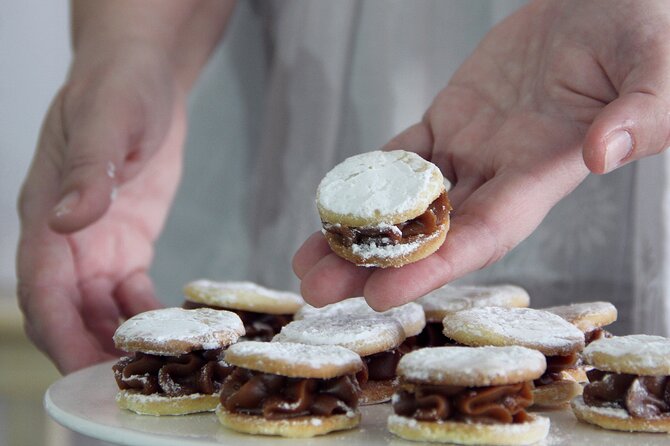
- Alfajores with dulce de leche using a classic Argentine cookie build
- Mate tea and cultural chat that connects food to place, not just steps
- You leave with recipes sent after the class (often via WhatsApp)
Palermo, empanadas, and why this class feels different
Buenos Aires does food the way some cities do art: as a daily skill, not a performance. In Palermo, this cooking class puts you right where the action is—at a working table, with dough, fillings, and tools in front of you. You’re not just tasting; you’re learning the moves.
The big value here is that you get the logic behind the cooking. Empanadas aren’t only about flavor. They’re also about structure: how you seal, how you fold, and how the shape helps the empanada cook evenly.
And alfajores are similar. The cookie is fragile, the filling needs to be the right texture, and the final assembly is part patience, part confidence. When a chef slows down long enough to explain those tiny realities, you walk away with skills, not just snacks.
You can also read our reviews of more cooking classes in Buenos Aires
Your first taste of Argentina: setup, chef talk, and mate tea
The session starts at Gorriti 4882 (Palermo), and it’s designed so you can settle in fast. Expect a warm welcome from your host and a setup that lets you jump in without hunting for ingredients or figuring out equipment.
A lot of people love the feel of this part because it frames the whole class. You get short cultural context, plus what to do next and why. You’ll also get a drink as part of the experience—typically mate tea, and the listing also includes coffee and/or tea. Some days, people have mentioned wine showing up alongside the cooking, so if you have a strong preference (or a reason you avoid alcohol), it’s smart to ask your host at the start.
Hosts in this experience can include chefs like Chef Valentino or Tomas, and people consistently note that the instruction is clear and patient. That matters if you’re a beginner, or if you’re bringing kids. You don’t need prior kitchen confidence—you need a willingness to follow directions for dough, sealing, and timing.
Cooking empanadas: fillings, dough, and the folding standards
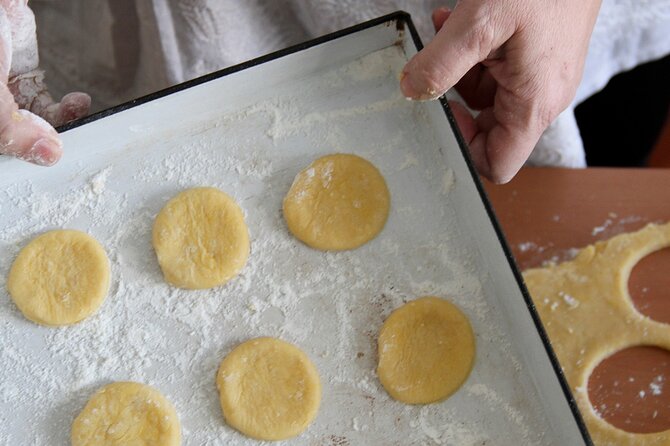
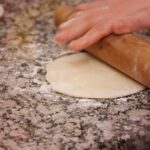
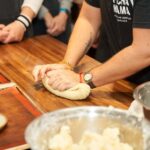
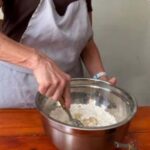
Empanadas are the headline dish, and the class treats them like one. You’ll learn the core steps: preparing the filling and working the dough/shell process, then assembling your empanadas.
The flexible part is the option for meat or vegan. For the vegan versions, the filling may be built with ingredients like lentils (one participant highlighted a lentil option). The key is that the chef doesn’t just swap ingredients. You’ll see how the technique changes with the filling.
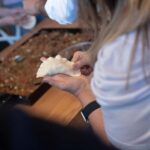
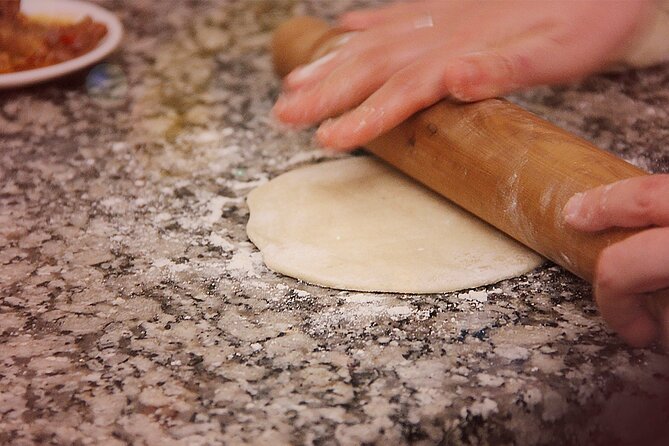
Here’s what makes the class worth your time: you’re taught how to fold and shape empanadas, including how the shape can differ depending on what’s inside. That’s a detail most cooking classes skip. It’s also exactly the kind of thing that makes empanadas taste better when you make them at home, because a well-sealed empanada behaves better in the oven or pan.
Even if chopping looks simple on paper, this is still real prep work. Many participants say they helped with tasks like chopping vegetables and preparing ingredients. If you’re traveling with kids, plan on some adult support—one family noted that kids may need help because the class includes chopping with sharp knives.
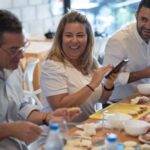
A practical tip: if you care about getting hands-on for every stage, speak up early. The class is small, and you’ll likely be able to switch between steps as your host assigns tasks. The best sessions feel interactive, and most people describe that exact vibe—shared work, shared laughs, and the satisfying moment when your empanadas hit the plate.
While fillings cool: the waiting game, the stories, and why it works
Most cooking classes rush. This one builds in waiting moments because Argentina’s classics don’t always move at breakneck speed. Fillings and components need the right temperature before assembly. Instead of wasting time, you get stories and small cultural insights while you prep for the next stage.
People mention hearing how hosts learned their empanada techniques—often tied to family kitchens and traditions passed down. One person even mentioned a grandmother’s kitchen rule, where the kids would whistle so Grandma knew they weren’t sneaking filling. Whether your version is exactly like that or not, the point is the same: you get the human side of the food.
That matters when you travel. You can see a city on a map. It’s harder to feel how people actually cook after work, on weekends, or during family gatherings. This waiting-with-purpose is part of the “culture” angle that keeps the ratings high.
Also, you get more than one reason to stay present. If you’re only half paying attention during cooling time, you’ll miss tips about sealing and texture. Those are the tips that let your finished empanadas look right and taste right.
Alfajores: dulce de leche assembly and the art of fragile cookies
Then comes the sweet part: alfajores filled with creamy dulce de leche. In a class like this, the alfajor step is where patience pays off.
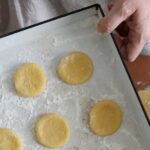
You’ll mix and prepare the cookie components and then bake and assemble. People mention practical assembly tips, like handling the cookies carefully. One participant warned that the cookies can be fragile, and they suggested not applying pressure when working with them. That’s exactly the kind of real-world detail that makes the difference between making a good-looking alfajor and ending up with a cookie collapse.
What I like about this segment is that it’s not just “eat dessert.” You’re learning how dulce de leche behaves in the assembly process—how to fill, how to balance thickness, and how to finish without turning the cookie into crumbs.
You may roll the finished alfajores in something like coconut, depending on the day’s method and the materials available. The class also varies in shape and style; one family described making alfajores in different shapes, which is a fun way for kids to contribute without doing the most delicate steps.
If you’re thinking about bringing home a souvenir that isn’t edible memories: this is one of the best “take-home skills” you can get in Buenos Aires. Alfajores are simple enough to re-create, but specific enough that technique matters.



Value check: what $49 really buys you (and what to expect)
At $49 per person for about 2 hours 30 minutes, the value is strong if you want more than a quick tasting. This price isn’t just paying for food. It’s paying for:
- a professional native host who teaches technique
- ingredients for empanadas and alfajores
- cooking tools
- and drink support like mate tea plus coffee and/or tea
In plain terms: you’re getting the time, the guidance, and the workstation covered. That’s hard to replicate on your own without already having the right ingredients and knowing what to do when dough sticks or filling seems too hot.
Small-group structure matters here. With up to 10 travelers, you’re less likely to spend the entire session waiting your turn. Most people emphasize how interactive it feels—people get to chop, roll, stuff, bake, and assemble instead of only watching.
One caution about expectations: a couple of participants described instances where cooking felt more observational than participatory. That’s not universal, but it’s worth keeping in mind. If you want maximum hands-on time, show up with energy and ask your host to place you in active steps.
Also, transportation isn’t included. You’ll want to plan your own ride or walk from nearby transit. The meeting point is in Palermo at Gorriti 4882, and it’s marked as near public transportation, which is convenient for squeezing this into a busy Buenos Aires itinerary.
Who this class is best for (and who should plan differently)
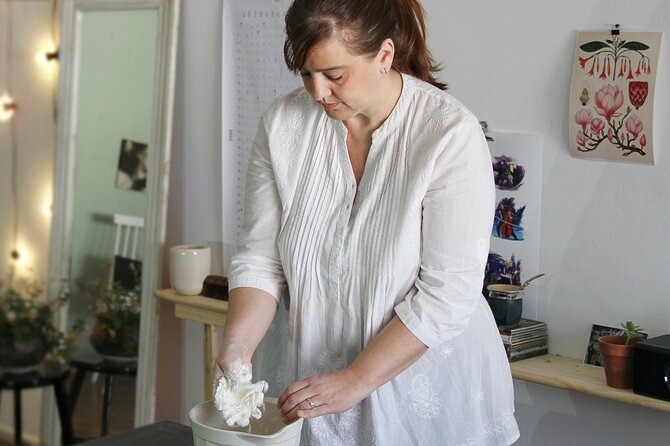
This experience fits families, couples, and solo travelers because the format supports participation. If you’re visiting Buenos Aires with kids, people highlight it as a great family activity, including ages like 10 and 13—just know kids may need help with safe knife work.
If you’re a foodie who likes learning craft, this class is built for you. The empanada folding standards and the alfajor assembly technique are the kind of details you can’t easily pick up from a casual meal.
If you’re a couple on a timeline, it also works well. At 2.5 hours, you can do it without sacrificing a full afternoon of sightseeing.
If you’re sensitive to dietary needs, the meat and vegan options are a clear plus. Just be aware that vegan fillings may vary, and you’ll want to confirm what’s included for your specific session when you arrive.
If you want a totally hands-off activity, this probably isn’t it. The class is designed to have you working with ingredients, and you’ll get the best experience when you lean into that.
Should you book BA: Empanadas and Alfajores Cooking Experience in Palermo?
I’d book it if you want a real Buenos Aires skill—how to fold, seal, and shape empanadas plus how to build alfajores with dulce de leche. The small group size, the active prep work, and the cultural conversation (with mate tea and stories) are the combo that makes this feel like more than a cookie-and-empanada factory.
I wouldn’t book it as your only plan if you’re expecting a flawless, high-intensity cooking workout from minute one. There can be variation in how much each person cooks versus watches, and the cookie and filling timing means there are natural pauses. If you communicate your preference for hands-on work early, you’ll likely do fine.
Bottom line: for most travelers, this is one of the better ways to spend an afternoon in Buenos Aires. You leave with food, a new skill set, and a better sense of how Argentine home cooks think about making things by hand.
FAQ
How long is the cooking experience?
It runs for about 2 hours 30 minutes.
What is the maximum group size?
The class has a maximum of 10 travelers.
Do I get to choose between meat and vegan options?
Yes. You can choose meat or vegan options for the empanadas.
What will I cook during the class?
You’ll make Argentinian empanadas and alfajores filled with dulce de leche.
What drinks are included?
The experience includes coffee and/or tea, and it specifically highlights mate as the traditional infusion. Some participants have mentioned wine on their day.
Where does the experience start?
The meeting point is Gorriti 4882, C1414BJN, Buenos Aires, Argentina.
What’s included in the price, and what’s not?
Included are ingredients for empanadas and alfajores, a professional native host, coffee/tea (and mate), and cooking tools. Transportation and tips are not included.
Is this a good option if I’m traveling with kids?
It’s described as ideal for you and your kids, but the class includes tasks like chopping ingredients with sharp knives, so kids may need help during prep.