REVIEW · BUENOS AIRES
Buenos Aires: Historic Buenos Aires Landmarks & Icons Tour
Book on GetYourGuide →Operated by daddiescuriosos · Bookable on GetYourGuide
Walk the layers of Buenos Aires fast.
This 150-minute tour is built for seeing big names and understanding how they connect, with guided stops around Plaza de Mayo and the surrounding government power center. I like how it pairs photo moments with straight talk about what each building used to be and why it matters, and I also like that the guide’s energy makes the streets feel less like a checklist and more like a story you can follow in real time, often led by guides such as Miguel.
The one drawback is simple: it’s outdoors and there’s a significant amount of walking. Comfortable shoes and a water plan aren’t optional.
Still, at $20 per person, this is strong value for anyone who wants the highlights without spending a full day stuck on buses, plus it ends in a fun, unexpected spot near the Comic Strip Plaza instead of just repeating the same streets.
In This Review
- Key highlights worth your time
- Starting at Plaza de Mayo: the city’s big stage
- Casa Rosada and Plaza de Mayo: more than a postcard
- Juan de Garay and the viewpoint that helps you read the city
- Central Bank and the old convent: when a building used to be something else
- The Cultural Center / old post office palace connection
- Museo del Bicentenario: presidential relics and art in one stop
- Metropolitan Cathedral, Cabildo, and Manzana de las Luces: the civic and spiritual spine
- Buenos Aires Metropolitan Cathedral
- Cabildo of Buenos Aires
- Manzana de las Luces
- Bank of Argentine Nation, City Legislature clock tower, and Ministry of Defense views
- Finishing near the National Customs House and Comic Strip Plaza
- Is it worth $20? Here’s the value math that matters
- What to bring and how to make the walk feel easy
- Who this tour is for (and who should skip it)
- Should you book Buenos Aires Historic Landmarks & Icons?
- FAQ
- FAQ
- How long is the Buenos Aires Historic Buenos Aires Landmarks & Icons Tour?
- Where do I meet the guide?
- Is the tour guided?
- What’s included in the price?
- Are hotel pickup and drop-off included?
- What language is the live guide?
- Is the tour mostly outdoors?
- What should I bring?
- Is it suitable for wheelchair users or people with mobility impairments?
- What is the cancellation policy?
Key highlights worth your time
- Plaza de Mayo as the starting compass, so you understand the city’s political core from the first minute
- Casa Rosada photo stop with real context, not just a quick glance and move on
- Garay Monument viewpoints that help you read Buenos Aires’ founding story and layout
- Bicentennial Museum stop with a mix of presidential relics and art, giving the walk more depth than monuments alone
- Cabildo and Manzana de las Luces for civic and educational history in walkable sequence
- A finishing combo of the National Customs House area and the Comic Strip Plaza for a lighthearted end
Starting at Plaza de Mayo: the city’s big stage
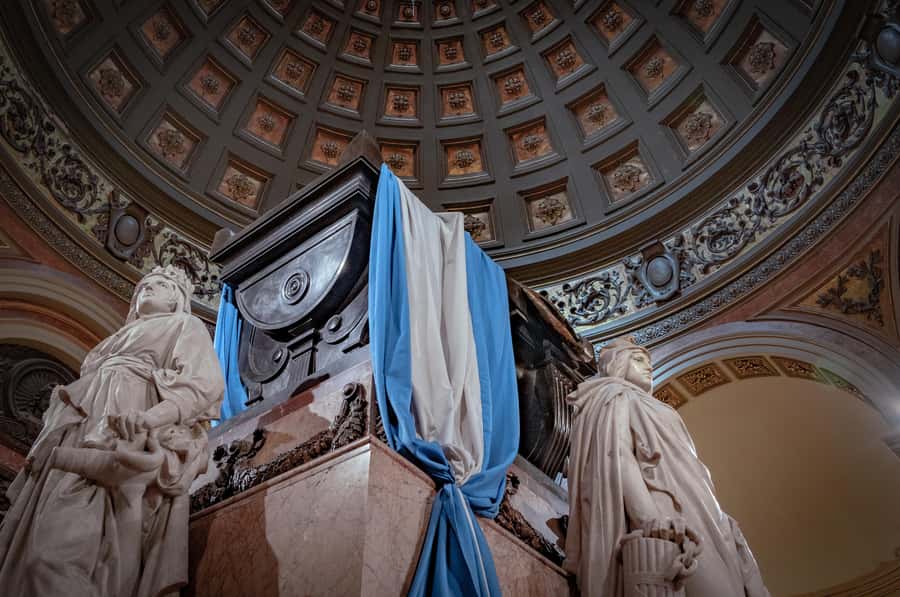
You meet your guide near the flagpole at Plaza de Mayo, and that location matters. It’s one of those squares where history isn’t behind glass—it’s in the way buildings face the open space and how often the city uses the square as a stage for public life.
In the first stretch, you’re not just standing around. You get oriented fast: where the main government buildings sit, how the square functions as a hub, and why this area is still central to Buenos Aires today. This is also where the tour’s pacing makes sense. You start with an anchor point, then you move out in a logical loop, hitting major landmarks while you still have the square’s layout in your head.
If you’re the type who likes your photos to come with meaning, this is a good match. If you’re trying to do everything independently and don’t know where to begin, this meeting point helps you avoid wandering in circles. Bring your eyes for the details too—stonework, arches, and façades look different once you know what they represent.
And because the tour is outdoors, you’ll feel the day. That’s why the practical kit (hat, sunscreen, water, and shoes you trust) is part of the experience, not just fine print.
You can also read our reviews of more historical tours in Buenos Aires


Casa Rosada and Plaza de Mayo: more than a postcard
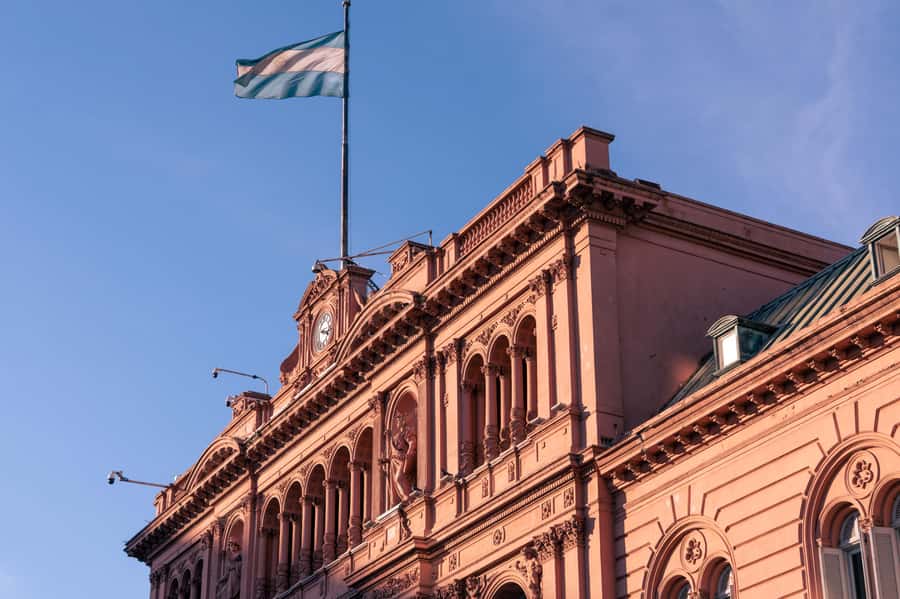
The Casa Rosada stop is the kind of photo moment most people come to see. On this tour, it’s more than a quick snap. You’ll get a guided look at why the building is so important, plus a sense of how it fits into the larger government set that surrounds the square.
You’ll likely do a mix of: a photo moment, a guided explanation, and brief passing time to keep the tour moving. The timing is tight but not rushed—think of it as guided orientation rather than a long museum lecture in the middle of the sidewalk.
Then you’re back to the wider view of Plaza de Mayo itself—one of Argentina’s most significant squares. Your guide helps you notice the surrounding iconic buildings without treating them like random stops. The square becomes a reference point for everything else you see later.
One reason this segment feels worthwhile is that it changes how you look at the rest of the city. Once you understand the role of the square and the political buildings around it, other stops start making more sense, even when you’re far from the plaza itself.
Juan de Garay and the viewpoint that helps you read the city
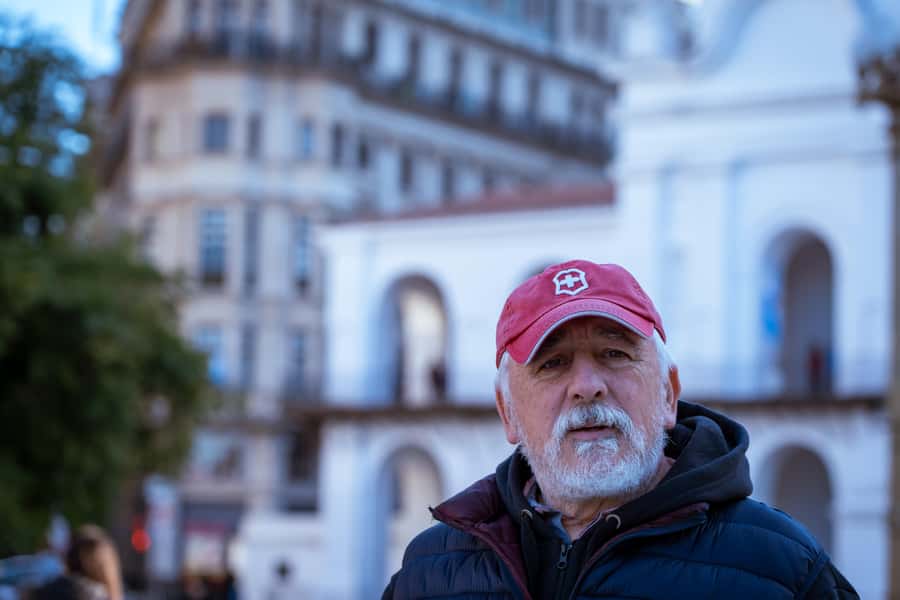
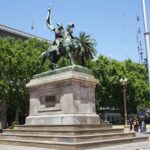
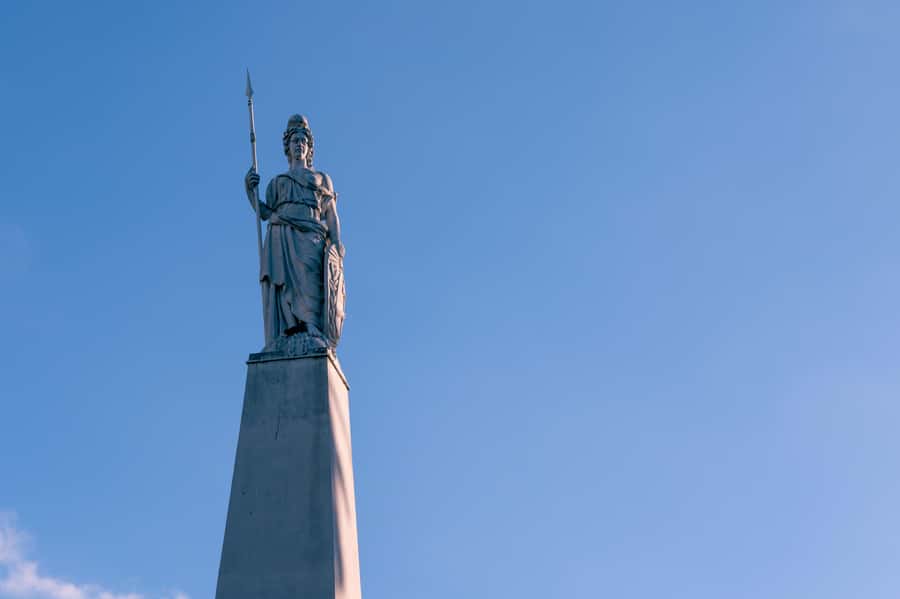
Next comes the Monumento a Juan de Garay, with a photo stop and guided context. This isn’t just about a statue. It’s about location—your guide ties the marker to Buenos Aires’ early story and the way the city grew into its present shape.
You’ll also get a stunning view of the historic center from this area. That matters because Buenos Aires can be deceptive: from street level, some landmarks feel flat and separated. From the right angle, you start to see how the city’s historic core lines up.
This stop works especially well if you like “how it all fits together” moments. If you prefer pure sightseeing and don’t care about dates, you’ll still benefit from the view and the guided setup. It turns the walk into a map in motion.
Central Bank and the old convent: when a building used to be something else
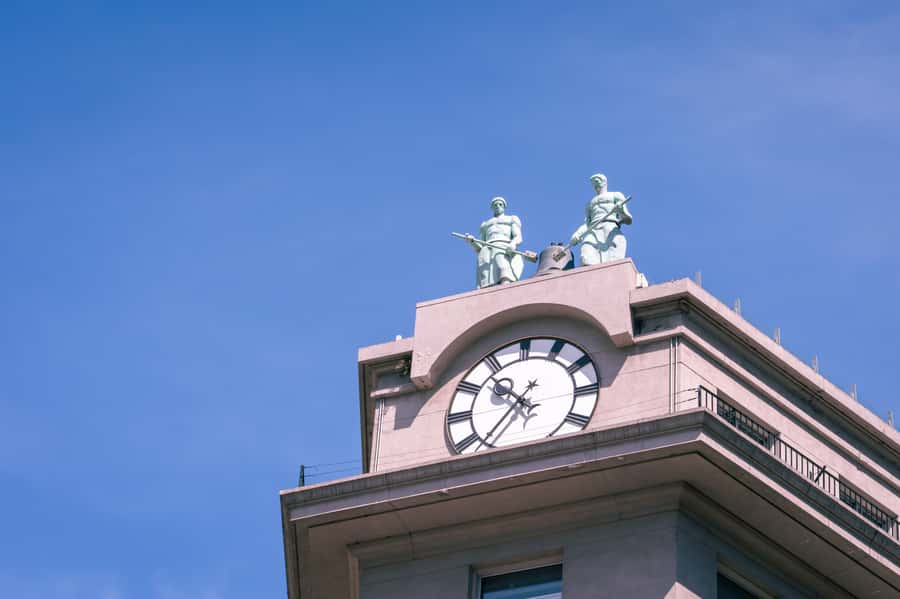
The tour also includes a stop at the Central Bank of the Argentine Republic, a former San Ramón Nonato Convent. This kind of transformation is one of the best ways to understand Buenos Aires without a giant museum day.
You’ll look at the building as an object in the city, but your guide frames it as a timeline. That makes the architecture feel alive. Instead of thinking of it as just a grand façade, you start recognizing how religious and civic spaces have been repurposed over time.
Even if your Spanish is limited, you’ll likely catch the main ideas because the tour format supports visual learning: the guide points, you look, and the story follows the scene.
One practical note: buildings in this area can mean varied lighting and lots of walking between points. Keep your pace comfortable so you can enjoy the details rather than race to the next corner.
The Cultural Center / old post office palace connection
Another highlight is the Cultural Center, described as the old grand post office palace and tied to the site of Buenos Aires’ second founding. That mix—communication, founding, and culture—is a smart pairing for a walking tour.
Post offices sound boring until you remember what they represented: how cities connected people and ideas. Your guide uses the setting to show why this stop belongs in a landmarks route. It connects the idea of beginnings with the evolution of how Buenos Aires functioned day to day.
This area also plays well with the rest of the itinerary because you’re already thinking about founding and layout from the Garay viewpoint. When you hit this stop, the city starts feeling like a coherent place rather than a pile of famous sites.
Museo del Bicentenario: presidential relics and art in one stop
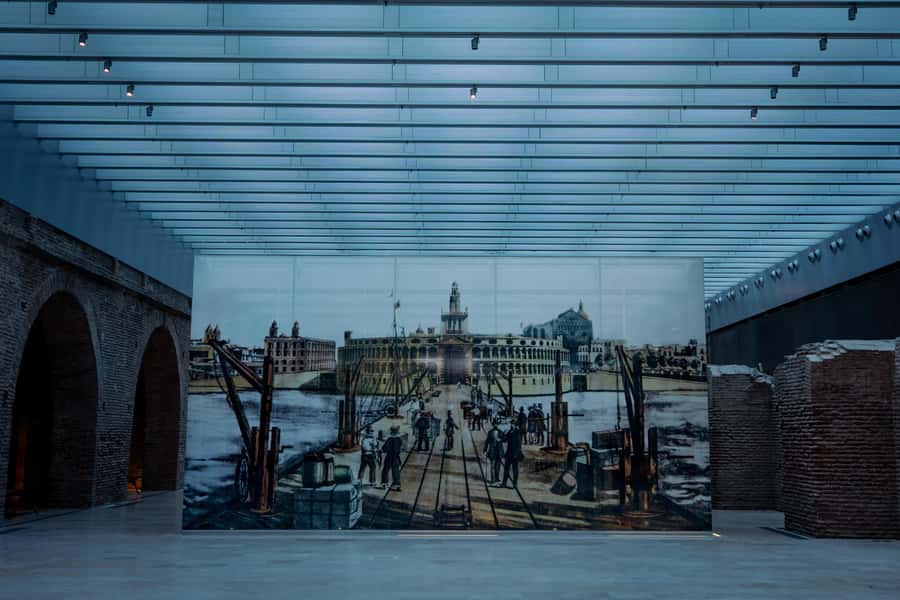
The Museo del Bicentenario is a strong mid-tour checkpoint. You’ll have a guided visit and sightseeing time here, giving your legs a real chance to reset while still keeping the momentum of the tour.
What I like about this stop for your planning: it’s not only about famous buildings. It adds artifacts and artworks into the mix, so the tour doesn’t feel like it’s trying to replace museums with street stops.
The museum houses relics of past presidents, plus exceptional artworks. That combination helps you shift from “who ruled” to “what people valued and created,” which is a different kind of history.
If you’re someone who gets museum fatigue, this still works because the stop is timed and structured. You’re not expected to wander for hours. You get enough time to understand the purpose of the collection and connect it back to the broader political and cultural buildings you’re seeing outside.
Metropolitan Cathedral, Cabildo, and Manzana de las Luces: the civic and spiritual spine
After the museum, the tour moves into the heart of institutional Buenos Aires.
Buenos Aires Metropolitan Cathedral
You’ll have a photo stop plus a visit and guided tour. The Cathedral is one of those places where the exterior can look “just impressive,” but the guided context changes what you notice. You’ll understand it as part of the city’s longer civic and spiritual center—again linking buildings to purpose.
Cabildo of Buenos Aires
Then you hit the Cabildo, with photo stop, visit, and guided time. This museum preserves the history of the city and the nation. That wording is useful for setting expectations: this isn’t only about the building. It’s about what you learn from it and how it frames Buenos Aires’ development.
If you want your walking tour to teach you something you can actually recall later, the Cabildo stop is where that memory often sticks.
Manzana de las Luces
Finally, you’ll visit Manzana de las Luces, again with photo and guided components. The name alone hints at education and light, and that’s exactly the vibe your guide is likely using: this stop helps you understand the city’s intellectual life, not only its politics.
This trio—Cathedral, Cabildo, and Manzana—works because it covers major foundations of urban life: faith, government, and education. You end up with a more rounded mental model of Buenos Aires than you would from monuments alone.
One drawback to keep in mind: these stops can mean standing, walking, and looking up. If the heat or sun is intense, take your water breaks seriously and protect your head.
Bank of Argentine Nation, City Legislature clock tower, and Ministry of Defense views
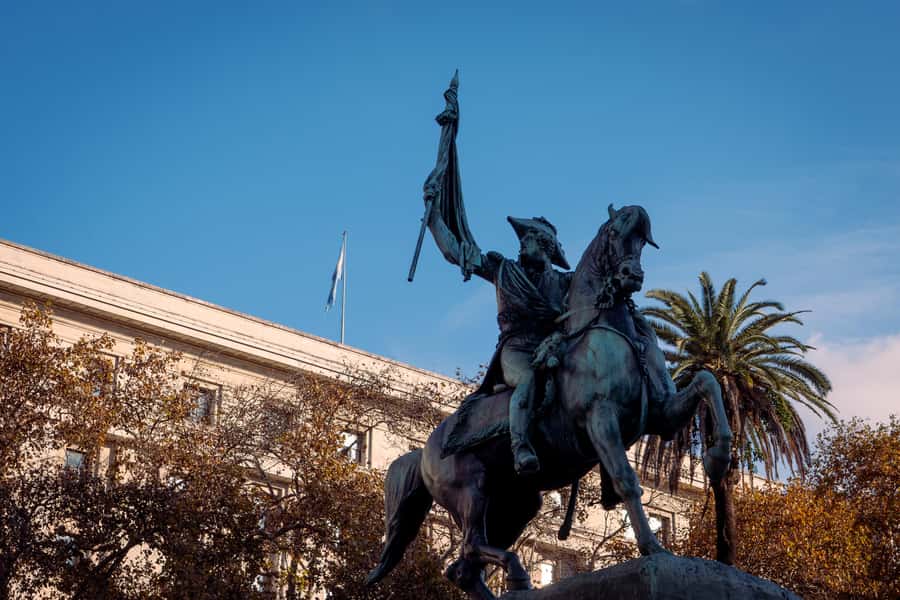
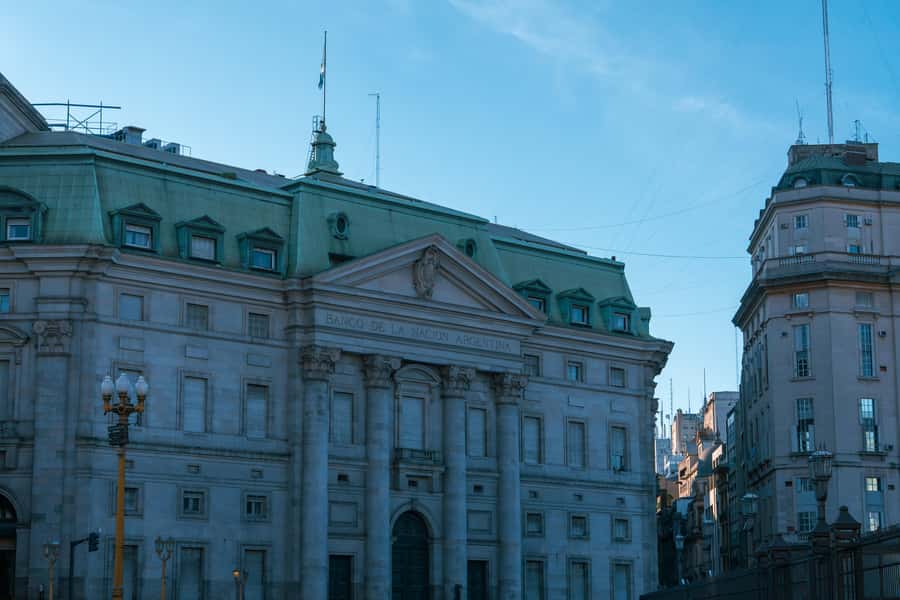
Your route also includes major government-facing landmarks such as the Bank of the Argentine Nation building, plus the City Legislature, known for its mix of architectural styles and a towering clock.
Some of these are guided plus pass-by or photo moments, so the payoff is in how the guide connects them. If you’re chasing only the biggest entrances and don’t care about the story, you may wish some parts were longer. But if you enjoy structure—where each stop has a purpose—the pass-by segments become useful context builders.
Then there’s the Ministry of Defense building, described as vast in size, with views you’ll get along the way. Even if you don’t spend a long time inside, your guide’s framing helps you appreciate the building as a power symbol and a landmark in scale.
This part of the tour is also where your sense of Buenos Aires’ layers really clicks. You’re moving through government zones that feel both historic and functional. The tour makes the city’s authority look like an actual system rather than a random collection of impressive structures.
Finishing near the National Customs House and Comic Strip Plaza
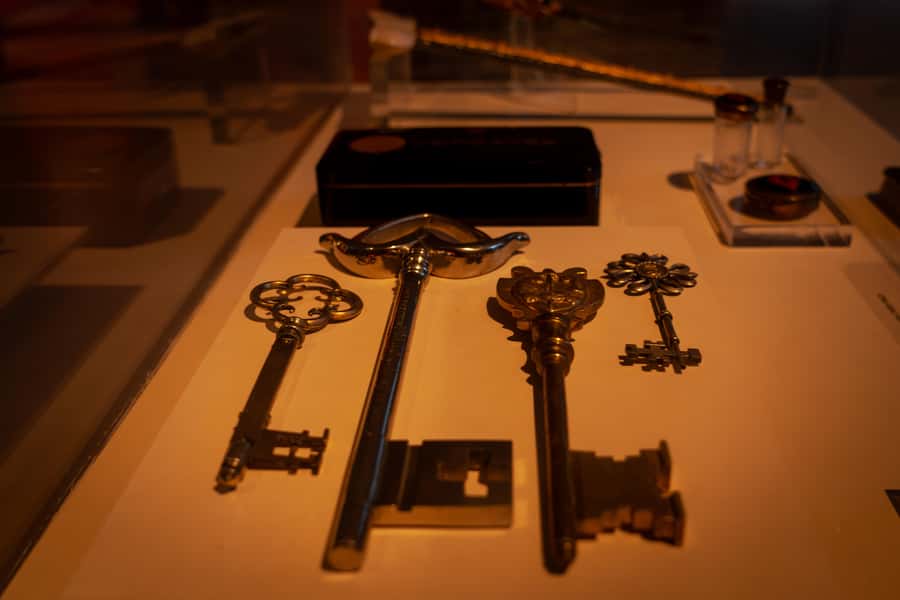
Near the end, you’ll reach the National Customs House and then finish at the Comic Strip Plaza. That ending combo is smart for two reasons.
First, the Customs House ties back to trade and movement—how goods and people flowed into and out of the city. It’s a different angle on history than politics and cathedrals, and it fits naturally after the earlier civic stops.
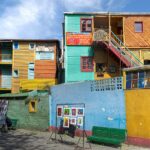
Second, ending at the Comic Strip Plaza shifts the mood. Instead of one more heavy monument, you get a playful public space that lets you process everything you’ve seen without finishing on a formal note. For photos, it’s also a good chance to reset your energy with something colorful and less solemn.
When a tour ends like this, you’re more likely to walk away feeling like you had variety, not just a line of government buildings.
Is it worth $20? Here’s the value math that matters
At $20 per person for about 150 minutes, the price is hard to argue with—especially because you get a guided tour included, and the route is packed with recognizable, high-impact stops.
What you should keep in mind is what you’re not paying for:
- No food and drinks are included
- No hotel pickup and drop-off
- You’ll be on foot for a significant stretch
So the value depends on you being able to walk and being ready to handle personal costs like water. If that’s you, you’re getting a lot of landmark time plus guided interpretation without paying museum-ticket prices repeatedly.
Also, the guide quality is clearly a big part of why people like this experience. The name Miguel comes up in accounts, and his style seems to focus on making stories feel personal and easy to follow. One practical note for you: if your Spanish is limited, you might find the guide can adapt your understanding better than you expect, including switching how explanations land.
One small bonus you may hear about: the guide has shown how to drink mate during the experience. Not every tour will include that, but it’s a nice example of how the day can include local touches beyond architecture.
What to bring and how to make the walk feel easy
For this tour, your success kit is simple. Bring:
- Comfortable walking shoes
- A hat and sunscreen
- Water (especially on hot days)
Check the weather forecast. The tour takes place outdoors, and you’ll cover a “real walking” distance even if the individual stops don’t look far on a map.
If you’re sensitive to heat, start thinking early about shade, water, and slowing down at each stop. A short pause with water can save the rest of your afternoon.
If you have mobility concerns, note that it’s not suitable for people with mobility impairments or wheelchair users. This is because you’ll be moving through public outdoor spaces that require walking.
Who this tour is for (and who should skip it)
This tour is a good match if:
- You want a guided landmarks route that connects buildings with stories
- You like mixing photo stops with short guided visits
- You prefer a structured walking experience over hopping between separate tickets
- You want to get your bearings fast around the historic core
You might choose something else if:
- You hate walking outdoors for any length of time
- You need a fully accessible route
- You want long, in-depth time inside museums and churches (this is paced, not all-day)
Should you book Buenos Aires Historic Landmarks & Icons?
I’d book it if you’re short on time and you want the city’s top icons explained in a way you can remember. The route hits the big set pieces—Casa Rosada, Plaza de Mayo, the Cathedral, the Cabildo, and museum time at the Bicentennial Museum—then finishes with a lighter note at Comic Strip Plaza. That mix keeps it from turning into a repetitive photo sprint.
If you can handle outdoor walking and bring your basics (shoes, hat, sunscreen, water), this is one of those low-cost tours that pays you back immediately with context and city orientation. If walking is a problem for you, skip it and look for an option that fits your mobility needs.
FAQ
FAQ
How long is the Buenos Aires Historic Buenos Aires Landmarks & Icons Tour?
The tour lasts 150 minutes.
Where do I meet the guide?
Meet your guide near the flagpole at Plaza de Mayo.
Is the tour guided?
Yes, it includes a guided tour.
What’s included in the price?
The guided tour is included. Food and drinks are not included.
Are hotel pickup and drop-off included?
No, hotel pickup and drop-off are not included.
What language is the live guide?
The tour is available in Spanish.
Is the tour mostly outdoors?
Yes. The tour takes place outdoors, and you should dress for the weather.
What should I bring?
Bring comfortable shoes, a hat, sunscreen, and water.
Is it suitable for wheelchair users or people with mobility impairments?
No. It is not suitable for wheelchair users or people with mobility impairments.
What is the cancellation policy?
Free cancellation is available up to 24 hours in advance for a full refund.