REVIEW · BUENOS AIRES
Discover Argentine Wines Paired with Delicious Tapas
Book on Viator →Operated by Wine Discovery · Bookable on Viator
Four wines, one relaxed Buenos Aires evening. I like that this tasting takes you through Argentina’s wine regions in just 2 hours, and it does it with Aby’s homemade tapas that make every pour feel like a full meal moment. I also love that the hosts, Bertie and Aby, explain what makes each region different, not just what’s in the glass. The one catch: the experience is tightly timed, so if you’re hoping for a long sit-down lunch with tons of food, you might need to plan a proper meal before or after.
In the room, the vibe is cozy and conversational. You’ll be in a small-group setting (up to 14 people) in a Palermo Soho–area apartment, and the tasting pace leaves room for questions and back-and-forth.
You’ll taste 4 wines from small, family-run producers sourced across Argentina, moving from the arid north down toward Patagonia and then back north to the famous vineyards of Mendoza. And yes, the wine is part of the price, with the option to repeat what you like.
In This Review
- Key highlights you’ll feel fast
- How the wine flight and tapas pairing really works (and why it matters)
- From the arid north to cool plains: tasting Argentina by geography
- Tasting step 1: Arid north, first introduction
- Tasting step 2: Patagonia’s cool plains, where the wine changes its personality
- Tasting step 3: Another region stop that keeps you from pigeonholing Argentina
- Tasting step 4: Mendoza’s famous vineyards moment
- Aby’s tapas: the food that makes the wine lessons stick
- Inside the Palermo Soho apartment setting with Bertie and Aby
- Price and value: is $84 a fair deal for what you get?
- Who this suits best (and who might want a different style)
- Booking timing, group size, and what to expect when you show up
- Should you book Discover Argentine Wines Paired with Delicious Tapas?
- FAQ
- How long is the wine and tapas experience in Buenos Aires?
- How many wines will I taste?
- What food is included during the tasting?
- Are alcoholic beverages included?
- Can I repeat the wines I like?
- Can I buy the wines at the end?
- Where does the tour start?
- What is the maximum group size?
- Is free cancellation available?
- Are service animals allowed and is it near public transportation?
Key highlights you’ll feel fast
- 4-region wine flight across arid north, Patagonia, and Mendoza, with each wine from a different producer
- Homemade tapas between pours, freshly prepared by Aby to match the wine
- Bertie’s region-and-grape storytelling, including why certain grapes are grown where they are
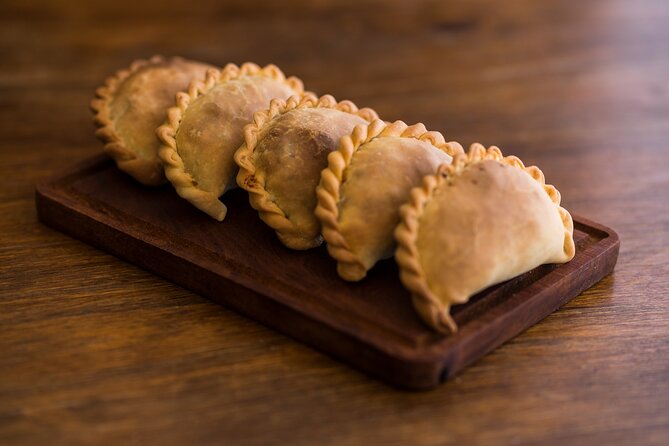
- Standout bites like empanada and an Inca-inspired humita that people remember
- Small group size (max 14), which keeps the atmosphere calm instead of crowded
- Bottle buying at the end if you want to bring a favorite back home
How the wine flight and tapas pairing really works (and why it matters)
This is built like a set of linked mini-lessons. You taste a wine, then you eat a small regional tapa designed to go with it, then you move to the next region and the next producer. The pairing isn’t just about flavor matching. It’s about helping you taste the differences between regions without needing a wine textbook.
The practical win for you: you get repeated chances to notice patterns. If you’re new to Argentine wine, it makes learning feel simple. If you already drink wine, it gives you a structured way to compare styles without getting stuck on one grape or one region.
Alcohol is included, with 4 wines total, and you’re welcome to repeat the wines you like best. That matters because tastings often end right after you figure out what you like. Here, you can circle back and taste again while the conversation is still flowing.
You can also read our reviews of more wine tours in Buenos Aires


From the arid north to cool plains: tasting Argentina by geography
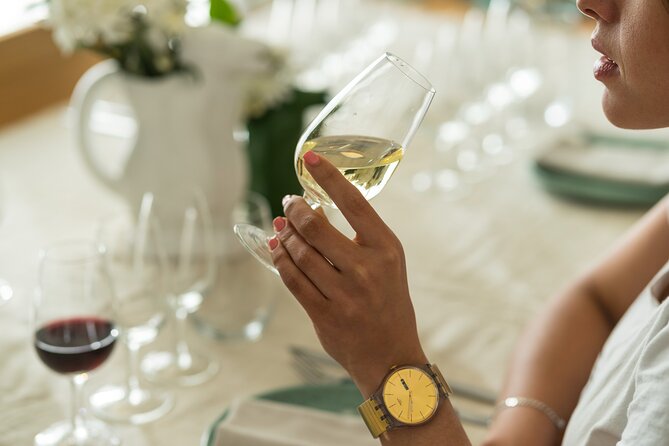
One of the smartest parts of this experience is the route it follows. You start in the arid north, then work down toward the cool plains of Patagonia, and then head back north to Mendoza. Even if you don’t know Argentina’s wine map today, the sequence gives you a mental picture by the time you’re done.
Tasting step 1: Arid north, first introduction
Your first wine sets the tone. You’re tasting from a small producer, from a region described as arid and north-facing, and you’ll hear the story behind that choice. This is where Bertie’s explanations help you connect geography to flavor.
The food pairing here is small but intentional. It’s the sort of bite that helps you notice acidity, structure, or spice in the wine without forcing you to “analyze” every sip.
Tasting step 2: Patagonia’s cool plains, where the wine changes its personality
Next comes the Patagonia stop. The key idea you’ll pick up fast is that cooler conditions and different growing environments lead to different wine character. You don’t need to be technical. You just need to taste, then listen to how Bertie frames what you’re tasting.
A fresh tapa arrives between pours, keeping your palate reset. This is also where the experience feels more like a real hang than a class: you eat, you taste, you talk.
Tasting step 3: Another region stop that keeps you from pigeonholing Argentina
The flight doesn’t just do a north-versus-south showdown. You’ll move through four wines from different parts of the country, each by a different producer. That means you get a broader view of what Argentina can do.
If you tend to assume one country equals one style, this section is your reality check. You’ll likely find that your preferences shift as the regions shift.


Tasting step 4: Mendoza’s famous vineyards moment
Mendoza is the big name in the story, and you’ll reach it as the flight moves back north. One review notes that only one of the four wines was from Mendoza, which is a good reminder that this tasting isn’t built to feel repetitive. It uses Mendoza as a highlight, not a crutch.
If you’re hoping to come away with a clear “Mendoza is for me” conclusion, this last stop is where you’re set up to decide.
Aby’s tapas: the food that makes the wine lessons stick
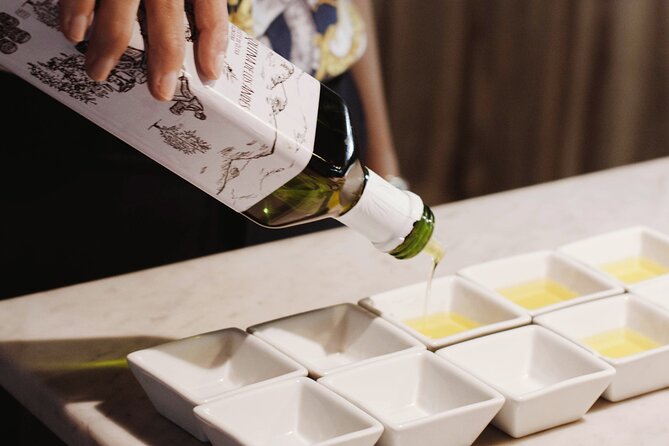
Wine tastings can sometimes feel like you’re holding a glass and waiting for the explanation. Here, Aby’s cooking does the heavy lifting. The tapas are homemade and prepared freshly during the experience, and they’re paired to support the wines you’re tasting—not just to fill space.
Two standout items show up in the experience in a way that people talk about:
- Empanada, repeatedly described as delicious, and often the best bite of someone’s whole trip
- Inca-inspired humita, mentioned as a favorite due to its flavor and warmth
This matters even if you’re not a “food person.” Tapas like these help your brain remember what you tasted. The combo of warm, regional food plus wine creates an easier memory than trying to compare three or four dry notes in a row.
Also, since the tapas arrive between wines, you avoid that common tasting problem: palate fatigue. Eating small bites keeps you tasting with more clarity, and you feel less like you’re rushing through sips.
Inside the Palermo Soho apartment setting with Bertie and Aby
The setting is part of the appeal. You meet at Soler 5650 (C1425BYH), and the experience stays local and human-sized. It ends back at the meeting point, so you’re not playing transit roulette mid-tasting.
In the apartment setting, the whole vibe feels calmer. It’s not a formal winery room. It’s more like a well-run evening at someone’s place where you’re invited to learn without feeling lectured.
Bertie brings the wine side, with explanations that connect:
- what a winery is about (and how it thinks)
- where the grapes are grown
- why regions matter for the wine’s character
Aby runs the food side, and it shows. The reviews highlight her care in presentation and her ability to make the tapas feel connected to the wine, not like an afterthought.
And because the maximum group size is 14, you’re more likely to get direct answers than generic “talking points.”
Price and value: is $84 a fair deal for what you get?
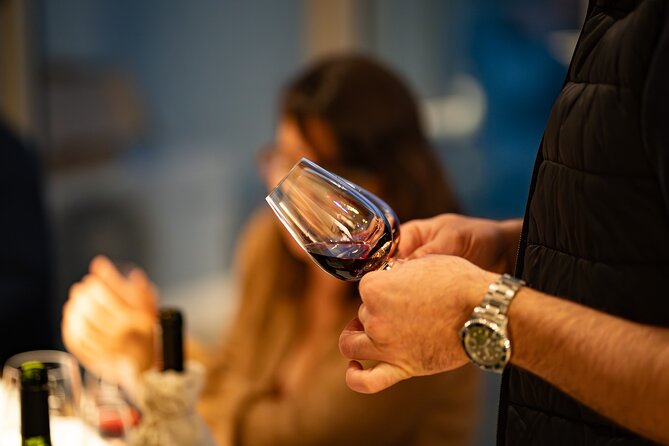
At $84 per person for about 2 hours, this is priced like a mid-range wine experience. The value comes from three things that are included:
- 4 wines across different Argentine regions
- snacks/tapas paired with each wine
- the hosts’ time and storytelling (history, culture, and region context)
Here’s the real math in plain terms: you’re paying for wine + pairing food + an organized guide. If you were trying to replicate this yourself in Buenos Aires, you’d spend time booking tastings, buying food separately, and paying for transportation between places—then you still wouldn’t get the same structured regional route.
The main “consideration” for you is drink pace. Some people like to sip slowly, and others prefer quick comparisons. This experience is designed as a flight with scheduled food. You can absolutely ask questions, but the timing is part of the format, not an optional extra.
One more value note: you can buy bottles at the end of the tasting. That’s useful if you find a producer you want to remember after the tour—and it’s also how many people turn the tasting into something they can revisit later at home.
Who this suits best (and who might want a different style)
I think this tour is a great fit if you want an Argentina intro that doesn’t feel overwhelming. It’s especially good for:
- Food-and-wine couples looking for a relaxed date activity
- Solo travelers who want conversation without the pressure of a big group
- People who like learning culture alongside what they’re eating and drinking
It’s also a solid choice if you’re not a total wine expert. The experience is structured so you learn by comparison. You don’t need to know how to describe tannins to enjoy it.
If you’re the type who prefers either (a) a high-end restaurant meal, or (b) a deep, winery-style tour with lots of walking, you may find this is more social and tasting-focused than “out in the vineyard.” It’s an apartment tasting experience with a clear timeline.
Booking timing, group size, and what to expect when you show up
This is popular enough that, on average, it’s booked about 40 days in advance. If you’re traveling during a busy season or have fixed plans, it’s worth booking early so you’re not hunting for a slot late.
When you arrive, expect a small-group start and a smooth flow through the wines and tapas. You’ll get confirmation after booking, it’s near public transportation, and service animals are allowed.
One practical tip: since you’re tasting alcohol and eating small bites, plan to keep dinner flexible afterward. If you do a hearty lunch before this, you’ll be able to enjoy it. If you skip food entirely, the tapas will help, but you may still want a real meal after.
Should you book Discover Argentine Wines Paired with Delicious Tapas?
Yes, I’d book it if you want a short, high-signal Argentina experience: four wines, homemade regional tapas, and a guided story that ties it all together. The track record is strong too, with a 5/5 average rating and a 100% recommendation rate across 51 ratings.
I’d skip or look for a different option only if you want a long sit-down meal or a full-day vineyard tour. This one is designed to be about learning by tasting, in a small cozy setting, with food that actually shows up between sips.
If your ideal Buenos Aires afternoon includes good company, solid wine choices from across the country, and empanada-level snacks, this is an easy yes.
FAQ
How long is the wine and tapas experience in Buenos Aires?
It’s about 2 hours.
How many wines will I taste?
You’ll taste 4 wines, each from a different producer and region.
What food is included during the tasting?
You’ll get snacks with each wine, served as small homemade regional tapas.
Are alcoholic beverages included?
Yes. Alcoholic beverages are included as part of tasting 4 wines.
Can I repeat the wines I like?
Yes, you are more than welcome to repeat the wines.
Can I buy the wines at the end?
Yes. The wines are available to purchase at the end of the tasting (not included in the price).
Where does the tour start?
The start location is Soler 5650, C1425BYH, Cdad. Autónoma de Buenos Aires, Argentina.
What is the maximum group size?
The tour has a maximum of 14 people.
Is free cancellation available?
Yes. You can cancel for a full refund up to 24 hours before the experience start time.
Are service animals allowed and is it near public transportation?
Yes. Service animals are allowed, and the meeting area is near public transportation.