REVIEW · BUENOS AIRES
Premium Argentinian Wines and Malbec Tasting Experience
Book on GetYourGuide →Operated by Signaturetours · Bookable on GetYourGuide
Argentina’s wine story hits fast and tastes even faster. In Palermo Soho, you’ll do a guided tasting focused on Malbec plus two surprising counterpoints—Torrontés and Pinot Noir—paired with classic bites and cheese. I like how the format stays practical: you’re not just swallowing wine, you’re building a quick map of where flavors come from.
Two things I especially like: the wine-to-region explanations (Mendoza, Salta, and Patagonia get compared side-by-side) and the food pairing that actually helps you notice differences. One consideration: it’s only 90 minutes and there’s no hotel pickup, so you’ll want to plan an easy arrival at Gorriti.
In This Review
- Key Points That Make This Tasting Worth It
- Palermo Soho Meeting Point and the 90-Minute Flow
- The Big Idea: Mendoza, Salta, and Patagonia in One Session
- What You Actually Taste: Torrontés, Pinot Noir, and Malbec
- Torrontés: the aromatic opener
- Pinot Noir: the “Argentina isn’t only Malbec” moment
- Malbec: the star, with context
- Snacks, Cheese, and an Appetizer That Makes It Click
- How the Guide Teaches You to Taste (Without Making It Awkward)
- Price and Value: Is $50 Worth 90 Minutes?
- Who This Works Best For (and Who Might Want Another Option)
- Practical Notes: What to Do Before You Go
- Should You Book This Malbec Tasting in Palermo Soho?
- FAQ
- FAQ
- How long is the wine tasting experience?
- Where do I meet for the tour?
- What does the tour cost?
- What’s included in the price?
- Are hotel pickup and drop-off included?
- Which languages is the tour offered in?
- Will the experience run in bad weather?
- Is the tour suitable for children?
- Is it accessible for wheelchair users?
- Can I cancel, and is there reserve-and-pay-later?
- Do I need to choose a specific start time?
Key Points That Make This Tasting Worth It
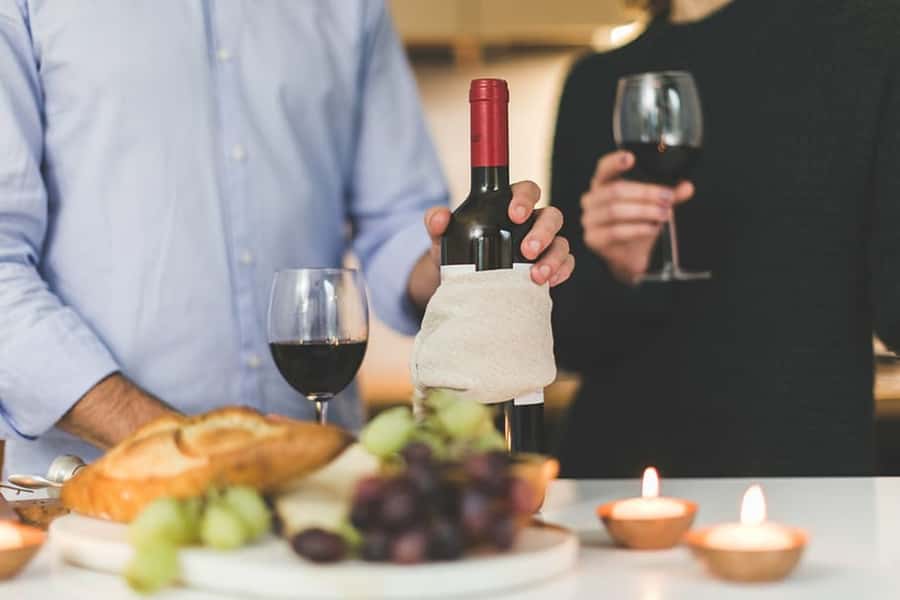
- Palermo Soho setting makes it a fun, easy add-on to a food-and-wine evening
- Three varietals: Torrontés, Pinot Noir, and Malbec, with Malbec as the star
- Pairing matters: typical Argentinian appetizer plus cheese and salami alongside the pours
- Regional comparisons across Mendoza, Salta, and Patagonia so you understand the flavor “why”
- Hands-on tasting cues covering appearance, aroma, and taste (not just what to like)
- Generous service comes up often, with people noting the pours feel substantial
Palermo Soho Meeting Point and the 90-Minute Flow
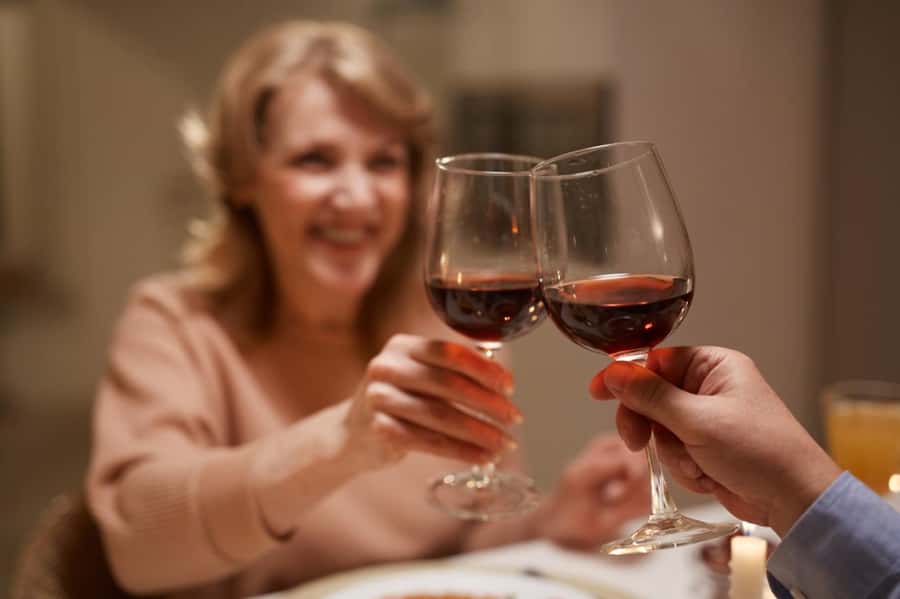
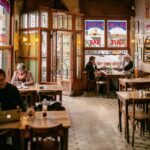
This is a focused tasting session that starts in Palermo Soho at Gorriti 4882 (your confirmation may cite Gorriti 4886, so double-check the exact number). The venue is in a trendy neighborhood, which matters because it makes the night feel social and local, not like a formal bus-and-brochure tour.
The timing is built for momentum. In about 90 minutes, you’ll taste a selection of regional wines, learn how Argentina’s major wine regions differ, and then connect the dots with a food pairing. You’re not expected to be a wine geek. The guide brings you along step-by-step.
Also, the experience is scheduled to run even if it rains or storms, so you’re not gambling your evening. It’s a simple plan: show up, taste, learn, snack, ask questions, and leave with a better sense of what you like and why.
You can also read our reviews of more food & drink experiences in Buenos Aires
The Big Idea: Mendoza, Salta, and Patagonia in One Session
Argentina doesn’t have one single “house style.” It has region-to-region variation that can be dramatic. The guide lays this out by explaining the country’s winemaking story and then comparing how the three main vineyard regions—Mendoza, Salta, and Patagonia—lean in different flavor directions.
Here’s why that’s useful. When you travel, Malbec is the easy entry point, but wine shops and menus can blur together. This tasting gives you a framework to decode the label and the story behind it. Instead of thinking only in grape names, you start noticing climate and place effects: how acidity, fruit character, and texture tend to shift with region.
And you get more than theory. As you move through the wines, the guide ties each pour to things like vintage, vineyard location, and grape variety. That helps you go beyond “this tastes good” to “this tastes good because…”
Some hosts also bring extra visuals to make the past feel real—Faku, for example, has been praised for using original antique maps during explanations. Even if you’re not the museum type, those details make the wine history stick.
What You Actually Taste: Torrontés, Pinot Noir, and Malbec
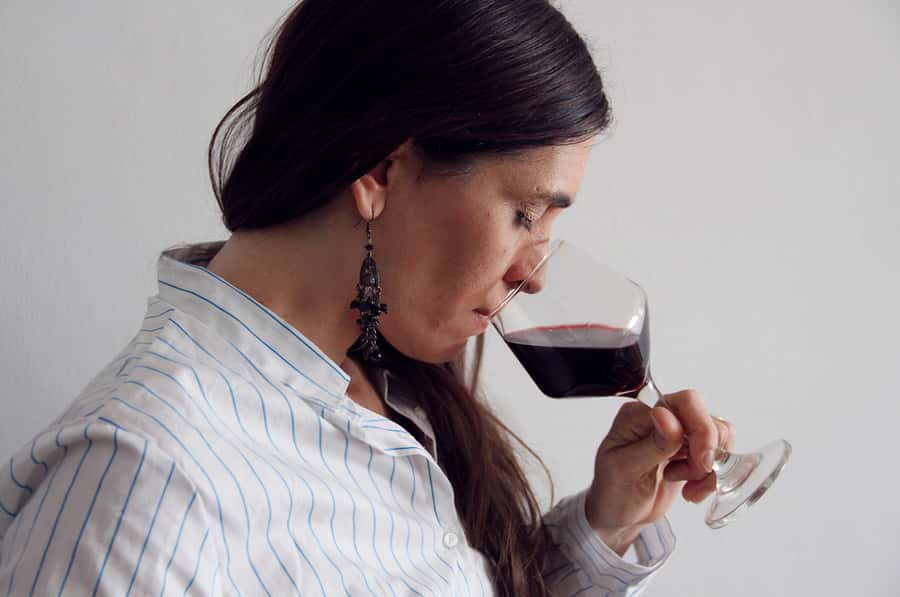
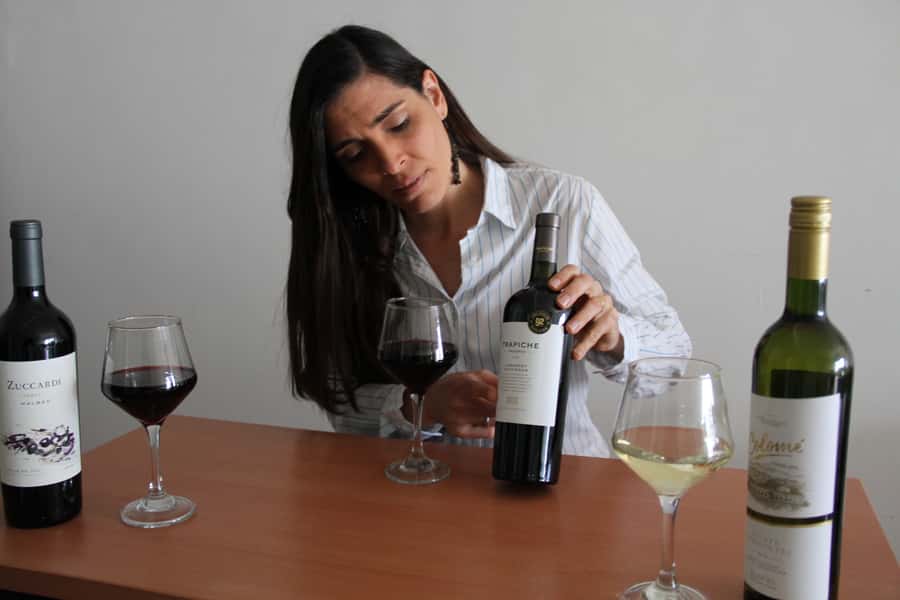
This is a three-wine tasting: Torrontés, Pinot Noir, and Malbec. Malbec gets center stage, but you’ll spend meaningful time on the other two so you’re not stuck with a one-grape idea of Argentina.
Torrontés: the aromatic opener
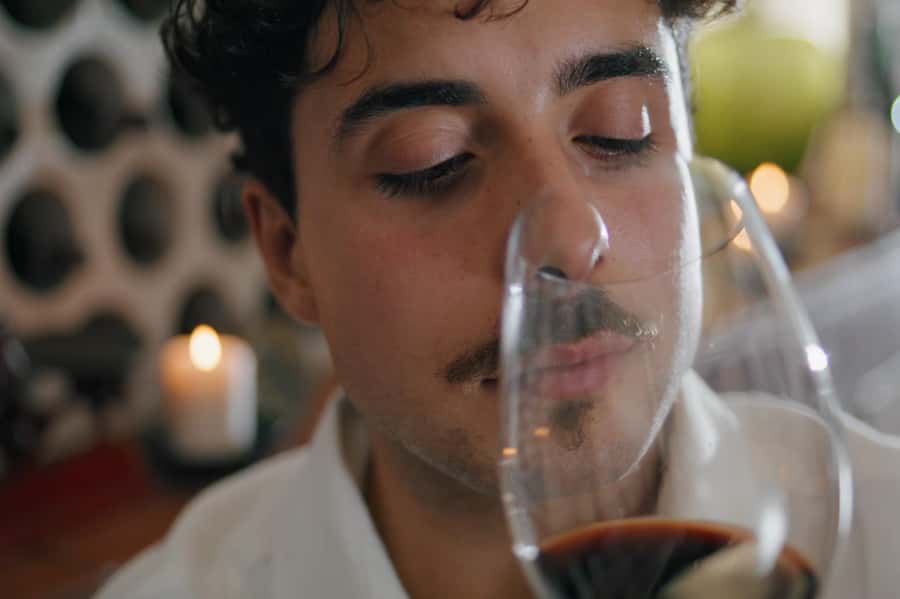
Torrontés is your first lesson in how Argentina can be bright and floral, not just dark and smoky. I like using it early because it resets your palate and helps you notice aroma patterns, not only taste.
A host will typically guide you through how to assess the wine—things like appearance, aroma, and taste—so you’re learning a method rather than memorizing facts.
Pinot Noir: the “Argentina isn’t only Malbec” moment
Pinot Noir is where the tasting becomes more interesting. It’s a reminder that Argentina has range. Expect the guide to connect how different growing conditions influence the wine’s character, giving you context beyond grape variety alone.
If you’ve only had Pinot in Europe or the US, this part is a useful comparison point. You’ll start to see where Argentina keeps its own fingerprint.
You can also read our reviews of more wine tours in Buenos Aires



Malbec: the star, with context
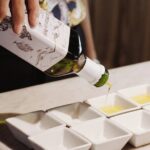
Malbec is the headline for a reason. But the value here is that you’re not only tasting Malbec—you’re tasting it with explanations of vineyard placement and the thinking behind production.
People often point out that the pours feel generous, which matters in a tasting format. When you get enough wine in the glass, you can actually compare notes, re-check impressions, and let the aromatics develop without rushing.
Snacks, Cheese, and an Appetizer That Makes It Click
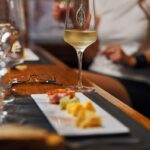
A tasting without food can turn into quick swallows and vague opinions. Here, you get a typical Argentinian appetizer plus cheese pairings (and salami shows up in the pairing mix). This is practical food education: you learn what works with the wine right on the spot.
Cheese helps because it changes how the wine tastes on your tongue. With Malbec, pairing tends to highlight structure and fruit balance. With Torrontés and Pinot Noir, the right bites can support acidity or lift aroma.
I also like that the guide doesn’t just place food on the table and walk away. The host explains what pairing is doing, so you’re not guessing. You’ll finish knowing what to look for if you want to replicate the experience later at a restaurant.
If you have dietary needs, ask questions in advance. One person highlighted that their guide handled restrictions thoughtfully, including celiac and lactose intolerance, while still keeping the experience moving. That’s a good sign: the hosts are used to adjusting within the tasting style.
How the Guide Teaches You to Taste (Without Making It Awkward)
This is where the experience earns its rating. The best part isn’t that you get three wines. It’s how you’re taught to notice differences.
You’ll be guided through basics like:
- what you’re seeing in the glass
- what you’re smelling
- what you’re tasting as flavors hit the tongue
Even if you’ve never done a formal tasting, this structure is easy to follow. It turns a fun evening into real learning. And it makes your next bottle purchase far less random.
Guide names come up in people’s stories—Lourdes, Tomas, Faku, Myrian, Pamela, and Andrea—and common praise includes friendly conversation and lots of room for questions. That’s the secret sauce: you don’t feel judged for asking simple questions like what “tannins” really feel like.
Price and Value: Is $50 Worth 90 Minutes?
At $50 per person for about 90 minutes, this is priced like a proper tasting experience, not a cheap pour-and-go. The big value question is: what do you get for that money?
You get:
- a professional tour guide
- food and drinks (not just water and a cracker)
- guided regional explanations tied directly to what you’re tasting
Compared with buying bottles “just to try,” you’re paying less for knowledge plus a small meal. And because the session includes Torrontés, Pinot Noir, and Malbec, you’re sampling more variety than most standard tastings that focus on one grape.
Is it a deal if you only drink one kind of wine? Maybe not. But if you want to understand Argentina fast—especially if Malbec is on your radar—this is a practical way to spend a night.
Who This Works Best For (and Who Might Want Another Option)
This tour fits well if:
- you like wine but don’t want homework
- you want a guided way to compare regions (not just grapes)
- you’re staying in Buenos Aires and want an evening plan that doesn’t require long travel
It may not be the best match if:
- you need wheelchair access (the experience isn’t suitable for wheelchair users)
- you’re traveling with kids (it isn’t suitable for children under 18)
- you hate structured food-and-drink schedules (90 minutes is timed and guided)
Also, because there’s no hotel pickup, you’ll want to be comfortable getting to Palermo on your own. The good news: the neighborhood is built for walking and easy ride-hailing.
One practical tip from how people plan their arrival: take Uber to the location. It’s usually the simplest match for short, scheduled activities like this.
Practical Notes: What to Do Before You Go
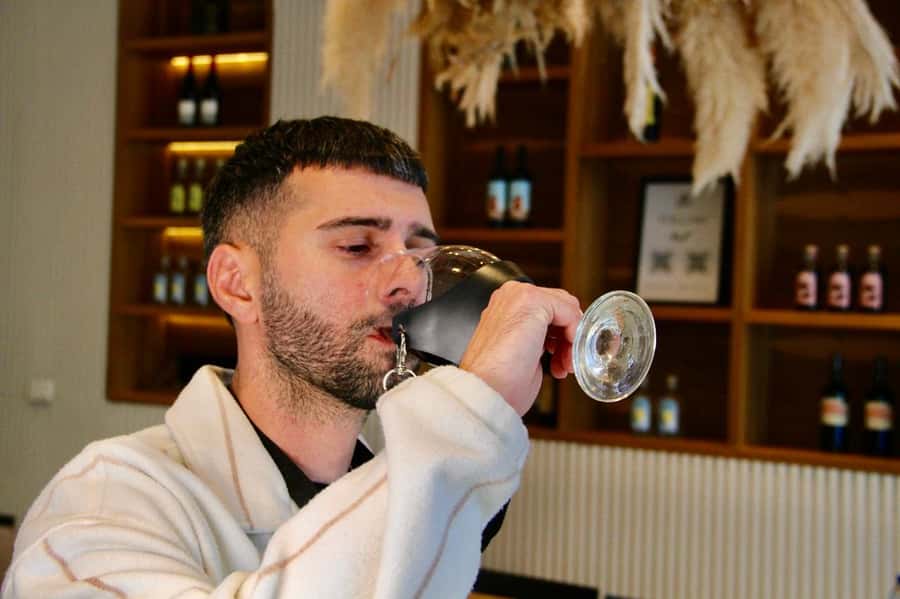
A few things will make your night smoother.
First, plan to arrive a few minutes early so you’re not stressed when the tasting begins. Second, come ready to sip and ask questions—this isn’t only about the final glass; it’s about what the guide helps you notice along the way.
Third, if you’re sensitive to alcohol or pacing, it helps to go in with a light meal earlier that day. You’ll have snacks during the tasting, but a tasting still means multiple pours in a short time.
Finally, this runs rain or shine. So bring the usual Palermo Soho weather plan—something you can move around in comfortably, because you’ll likely be in a street-level neighborhood before or after.
Should You Book This Malbec Tasting in Palermo Soho?
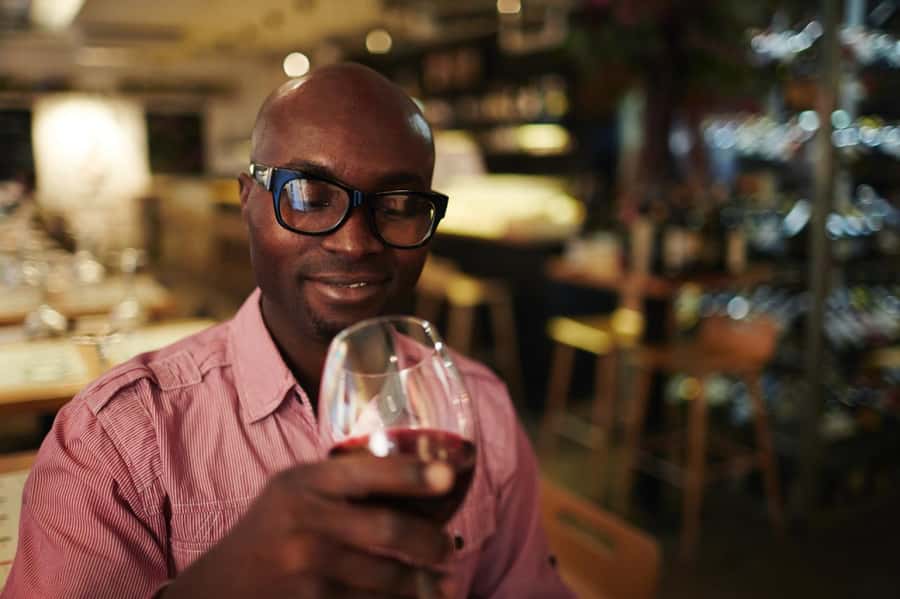
I think this is a strong pick if you want an Argentina wine intro that’s more than “here’s a glass, good luck.” The session gives you a fast mental map of Mendoza vs. Salta vs. Patagonia, then reinforces it with tastings of Torrontés, Pinot Noir, and Malbec plus cheese and an Argentinian appetizer.
It’s also a good value for the time and included food and guide attention. The only real downside is the short duration and the no-pickup logistics—so it works best when you can easily meet at Gorriti in Palermo.
If you’re spending a day or two in Buenos Aires and want one evening that teaches you something you can use immediately, book it.
FAQ
FAQ
How long is the wine tasting experience?
It lasts 90 minutes.
Where do I meet for the tour?
You meet at Gorriti 4882, Palermo (C1414 CABA), Buenos Aires. Some details may also list Gorriti 4886, so check your confirmation for the exact number.
What does the tour cost?
The price is $50 per person.
What’s included in the price?
The experience includes a professional tour guide and food and drinks.
Are hotel pickup and drop-off included?
No. There’s no hotel pickup or drop-off.
Which languages is the tour offered in?
The live tour guide speaks English, Spanish, and Portuguese.
Will the experience run in bad weather?
Yes. It will go ahead even if it rains or storms.
Is the tour suitable for children?
No. It is not suitable for children under 18.
Is it accessible for wheelchair users?
No. The experience is not suitable for wheelchair users.
Can I cancel, and is there reserve-and-pay-later?
You can cancel up to 24 hours in advance for a full refund. You can also reserve now and pay later.
Do I need to choose a specific start time?
You should check availability to see starting times. The tour duration is fixed at 90 minutes, but start times can vary.