REVIEW · BUENOS AIRES
Wine Tasting in Buenos Aires
Book on GetYourGuide →Operated by Funny Times Travel & Tours · Bookable on GetYourGuide
Wine and food in Buenos Aires, without the long day planning. I like that you get a guided tasting built around real Argentine labels, and I also like the food pairing that actually shows up at the table, not just a snack tray. The main catch to consider is that this is a fast, 1-hour format, so it may feel a bit “go-go-go” if you’re looking for deep wine lecture time.
You’ll be choosing between two tasting styles, both designed to cover major grape types and regions in a short visit. Come ready to taste, ask a few questions, and keep your expectations aligned with a compact experience.
In This Review
- Key things to know before you go
- A 1-hour Argentina wine lesson in Buenos Aires
- Where the value shows up
- Menu by Steps: how the tasting flow actually works
- Two tasting styles: Federal Mix vs Catena Zapata Classic
- Option 1: Federal Tasting Menu (multi-region sampler)
- Option 2: Catena Zapata Clásico (bigger-name, signature vibe)
- The food pairing that makes the wines make sense
- What to expect from the bites
- Price and value: is $60 a fair deal?
- Logistics that affect your experience
- Duration and pacing
- Transfers and venue changes
- Group size feels small, so choose your moment
- Timing tip: plan your walk back
- Who this wine tasting is for
- Should you book this Buenos Aires wine tasting?
- FAQ
- How long is the Buenos Aires wine tasting?
- What’s included in the tasting?
- Do I need to pay extra for food or drinks?
- Are transfers included?
- Is this activity suitable for children?
- When can I cancel for a refund?
Key things to know before you go
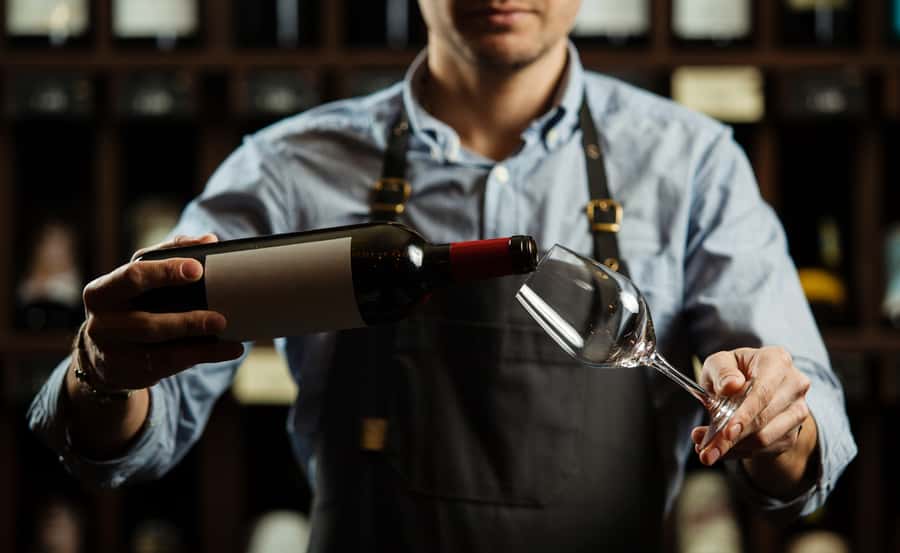
- Two menu choices: Federal Tasting Menu or Catena Zapata Clásico.
- 1 hour total with tasting and pairings all included.
- 3 glasses of wine are part of the tasting flow, matched with bites.
- Food is part of the deal: bruschetta, cheeses, cold cuts, and a traditional empanada.
- English and Spanish live guide.
- No transfers are included, and the tasting venue can change based on availability.
A 1-hour Argentina wine lesson in Buenos Aires
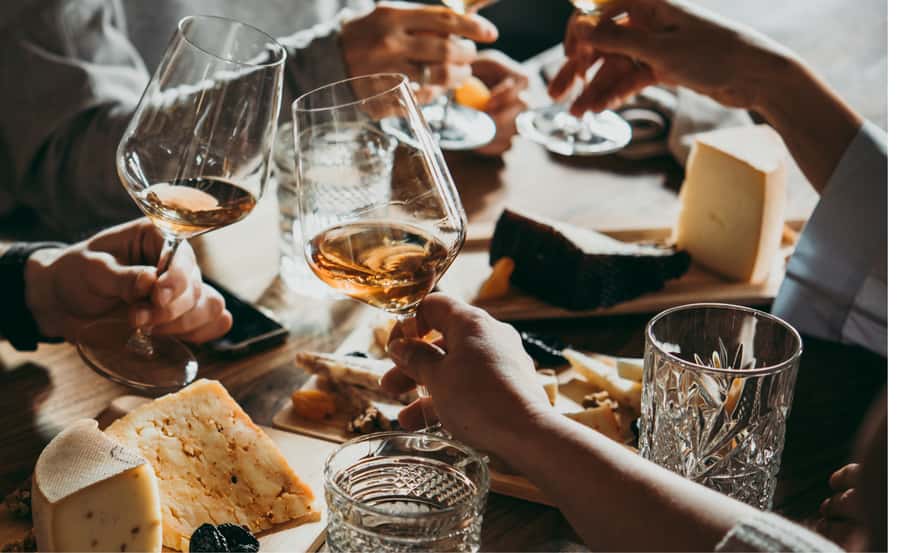
This is a good pick when you want Argentine wine without committing to a full day trip outside the city. It’s timed at 1 hour, which means you’ll get focused taste-and-pairing time, then be free to keep exploring Buenos Aires afterward.
What makes it appealing is the way the tasting is structured. Instead of a random pour-and-go, you follow a set menu that pairs each wine with bites. That matters because wine in Argentina is often about place and grape, but it also shows best when you’re eating something that responds to it. You don’t have to be a sommelier to get value here, but you will taste more clearly if you slow down for a few seconds per sip.
You can also read our reviews of more food & drink experiences in Buenos Aires
Where the value shows up
At $60 per person, you’re not just paying for wine. You’re paying for an organized tasting format: a live guide, a guided sequence, and food pairings that are specifically named. If you’ve ever tried to wing it at a bar, you know how easy it is to spend money on wine and still leave feeling like you didn’t learn anything. This experience is built to help you leave with a clearer sense of what you liked and why.
Menu by Steps: how the tasting flow actually works
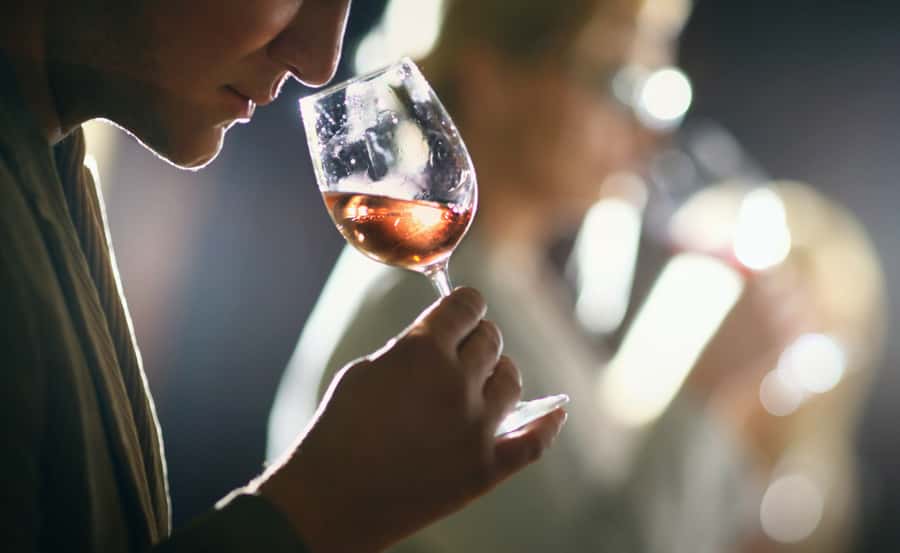
The experience runs as a menu-style progression. You’ll be offered a tasting that includes 3 glasses of wine during the 1-hour visit, along with the harmonized accompaniments. Along the way, you’ll also see a list of wines tied to the menu you select, so you’ll know which bottle/label you’re working through.
In practical terms, that means you should treat this like a guided tasting sprint. You’ll get enough time to notice aroma, then match that with flavor from the food. But you won’t have a long, slow “sit and study” session. If you’re the type who likes to compare ten vintages side-by-side, you may find this brief. If you’re the type who wants a smart introduction to Argentine wine labels and regions, it’s a great fit.
Also note the guide language: English and Spanish. That’s helpful if your Spanish is rusty or if you want to understand the grape and region explanations clearly.
Two tasting styles: Federal Mix vs Catena Zapata Classic
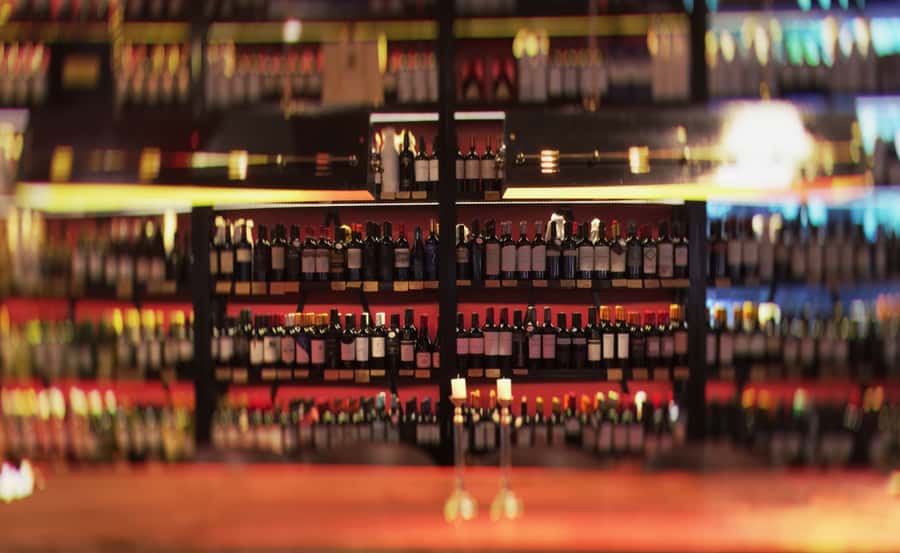
You’ll choose one of two tasting menus. Both are built around multiple regions and grape styles, but they feel different in focus.
Option 1: Federal Tasting Menu (multi-region sampler)
This menu is designed like a regional tour in miniature. You go from a high-aroma white through reds spanning different climates.
Here’s the lineup:
- Coquena Torrontés (Salta)
- Primogénito Noir (Patagonia)
- Gouguenheim Reserva Malbec (Mendoza, Tupungato)
- Julepe Tannat (Entre Ríos)
The payoff for you is variety. Torrontés is a very distinctive introduction in Argentina, and then you pivot through darker, more structured flavors. That can help you map your preferences quickly: Do you love aromatic whites, or do you want the heavier red profile? Or do you like both?
A small practical caution: because this is a “sampling across regions” approach, don’t expect every pour to be your deepest dive into one winery’s style. The strength is breadth.
You can also read our reviews of more wine tours in Buenos Aires





Option 2: Catena Zapata Clásico (bigger-name, signature vibe)
If you’d rather anchor your tasting in one of Argentina’s best-known producers, this is the calmer, more recognizable choice.
This menu includes:
- Saint Felicien Chardonnay
- Nicasia Cabernet Franc
- DV Catena Cabernet-Malbec
- DV Catena Syrah-Syrah
I like this option if you’re the kind of traveler who wants to leave with labels you can find later. Catena’s name carries weight, and the wine lineup covers a mix of grapes that are common reference points for Argentine red fans. You’ll likely come away with a better sense of how their style translates across white and red.
If you’re curious about authenticity, this option doesn’t feel “touristy” in the bad sense. It’s still Argentina—just guided through more famous bottles.
The food pairing that makes the wines make sense
One reason people enjoy this tasting is that the bites aren’t an afterthought. You’re given a set pairing that shows up with each segment.
The included accompaniments are:
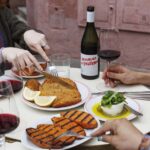
- Bruschetta Serrana
- Selected cheeses
- Assorted cold cuts
- Traditional Argentine empanada
Why this matters: wine can be hard to evaluate on an empty stomach, and it can get messy if you’re eating random flavors that clash. The goal here is a sensible pairing mix: creamy cheese for texture, savory cold cuts for salt balance, bruschetta for crunch and acidity, and empanada for that familiar Argentine comfort-food punch.
What to expect from the bites
You’re not picking from a menu during the tasting. You’ll get what’s paired for the chosen wine sequence. If you have dietary restrictions or allergies, you should tell the provider in advance, because dietary needs aren’t described as being flexible on-site.
And yes, this is still a snack-and-wine format, not a full meal. Plan on eating a real dinner later.
Price and value: is $60 a fair deal?
Here’s my honest take on value. $60 for a 1-hour, guided tasting can be fair, or it can feel steep, depending on what you’re trying to get out of it.
You’re getting:
- A live guide (English/Spanish)
- 3 glasses of wine
- Named regional/winery labels tied to your menu choice
- Pairing food: bruschetta, cheeses, cold cuts, and an empanada
- One organized visit, so you’re not doing trial-and-error at multiple spots
Where it might not feel worth it:
- If you’re hoping for long explanations, slower pacing, or extra drinks/extra food. The info is clear that other drinks and additional food options aren’t included.
If you do the math the way a practical traveler does—wine plus a guided structure plus real food—this lands in the “worth it” category for most people who want an organized introduction to Argentine wine. If you already drink wine like a hobby and you want hours of comparison, then a restaurant wine flight might suit you better.
Logistics that affect your experience
This is a straightforward visit, but two details matter for your comfort.
Duration and pacing
Because it’s 1 hour, expect a steady tempo. You’ll be served in sequence, and you’ll move on when the next wine arrives. If you’re the kind of person who likes to linger over aromas, it may feel brisk. Still, the benefit is that it’s easy to fit into a day.
Transfers and venue changes
Transfers are not included, so you’ll handle your own way to the tasting location. Also, the venue is subject to availability and may change. That’s not unusual, but it does mean you should plan to follow whatever meeting point details you receive close to the booking date.
Group size feels small, so choose your moment
One helpful detail: the experience can feel quiet and intimate. In at least one case, someone found they were one of only a few people in the bar area and that the tasting felt more individual than group-style.
That’s good for you if you want to ask questions and actually hear the guide. It also means there’s less social momentum, so you might want to arrive a bit early and get oriented before the tasting starts.
Timing tip: plan your walk back
Buenos Aires is great, but nighttime comfort matters. One person flagged that it didn’t feel safe to stay outside and walk alone in the dark, especially as a woman. My advice: once you finish, plan your ride or your route back so you’re not doing an awkward late walk on your own.
If you’re finishing in the evening, build a little extra buffer so you’re not rushed.
Who this wine tasting is for
This is a strong fit for:
- Wine lovers who want a quick, structured sampler with guidance
- People who want to understand Argentine wine by region and grape
- Travelers who like pairing food with drinks and don’t want to piece together a DIY itinerary
It may be less satisfying if:
- You want a long, academic wine session with deep detail for each label
- You expect extra drinks beyond the included tasting flow
- You’re looking for a leisurely, sit-and-relax meal
And since it’s for people over 18, it’s not a family-style activity.
Should you book this Buenos Aires wine tasting?
Book it if you want a fast, guided tasting that uses real Argentine labels and gives you actual pairing food—bruschetta, cheeses, cold cuts, and a traditional empanada—within one hour. The two menu styles also let you choose your vibe: a broader multi-region sampler (Federal) or a more recognizable producer-centered lineup (Catena Zapata Clásico).
Skip it (or think twice) if you’re after lots of extra wine, a slow pace, or the kind of experience where you can spend time comparing subtle differences for an extended period. In that case, you might get more satisfaction from ordering a wine flight at a restaurant and taking your time.
If you do book, set yourself up for success: arrive ready to taste, ask a couple of questions in the language you’re most comfortable with, and plan your ride back so you’re not lingering outside in the dark.
FAQ
How long is the Buenos Aires wine tasting?
It lasts 1 hour total, including the tasting and the included food pairings.
What’s included in the tasting?
The experience includes a tasting of 3 glasses of wine plus Bruschetta Serrana, selected cheeses, assorted cold cuts, and a traditional Argentine empanada. You choose between Federal Tasting Menu or Catena Zapata Clásico.
Do I need to pay extra for food or drinks?
No extra food options or extra drinks are included beyond what’s part of the menu. Any other drinks are not mentioned as included.
Are transfers included?
No. Transfers are not included, so you’ll need your own way to reach the tasting venue.
Is this activity suitable for children?
No. It’s not suitable for children under 18.
When can I cancel for a refund?
Cancellations made up to 48 hours in advance will receive a full refund. Cancellations made between 24 and 48 hours before the tasting receive a 50% refund, and cancellations less than 24 hours in advance or no-shows are not eligible for a refund.