REVIEW · BUENOS AIRES
Buenos Aires: La Boca Art and History Walking Tour
Book on GetYourGuide →Operated by Baires Experience · Bookable on GetYourGuide
La Boca tells its story in color. This 150-minute walk connects Benito Quinquela Martín-style art with the neighborhood’s working-class and immigration history, while you also get a clear hit of football culture and tango energy in the streets. I love how it turns a pretty postcard area into something you actually understand.
The main thing to plan for is the pacing: it’s a tight loop, so La Bombonera is a photo stop rather than a full stadium visit. If you’re hoping for a long, inside look at Boca Juniors, you’ll likely want an extra activity.
You’ll meet your guide at the Benito Quinquela Statue and finish back on Av. Don Pedro de Mendoza. Tours run in Spanish, English, and Portuguese, and guides are often praised for being friendly, proactive about meeting points, and good at keeping the group moving.
In This Review
- Key highlights you should care about
- La Boca art and history: why this neighborhood is more than photos
- Starting at the Benito Quinquela statue: how you get oriented fast
- Walking La Boca: working-class roots and immigration stories in plain language
- La Bombonera photo stop: how to catch the Boca feeling without overshooting
- Museo Conventillo El Rincon de Lucia: housing history that makes the past feel real
- Benito Quinquela Martín Museum: turning art into neighborhood memory
- Tastings and sweet stops: wine or dulce de leche, plus how to choose
- 150 minutes on foot: what to wear and how to pace yourself
- Guides and language: what makes the tour feel personal
- Price and value: is $46 a fair deal?
- Who should book this La Boca art and history walk
- Should you book this La Boca Art and History Walking Tour?
- FAQ
- Where is the meeting point for the tour?
- How long is the Buenos Aires La Boca Art and History Walking Tour?
- What does the tour cost?
- What languages are available for the live guide?
- Is hotel pickup and drop-off included?
- What is included in the tour price?
- Is cancellation free?
- Do I need to bring anything with me?
- Is the tour wheelchair accessible?
- Can solo travelers book without extra steps?
- When should I book if my plans are set?
Key highlights you should care about
- Benito Quinquela Martín’s impact on La Boca art and identity, with museum time built in
- La Bombonera photo stop that still gives you the football atmosphere
- Museo Conventillo El Rincon de Lucia to understand everyday life and immigration-era housing
- Art movement context around the Riachuelo, not just surface-level street photos
- Two included extras (museum entry, wine tasting, or dulce de leche tasting, depending on selection)
La Boca art and history: why this neighborhood is more than photos
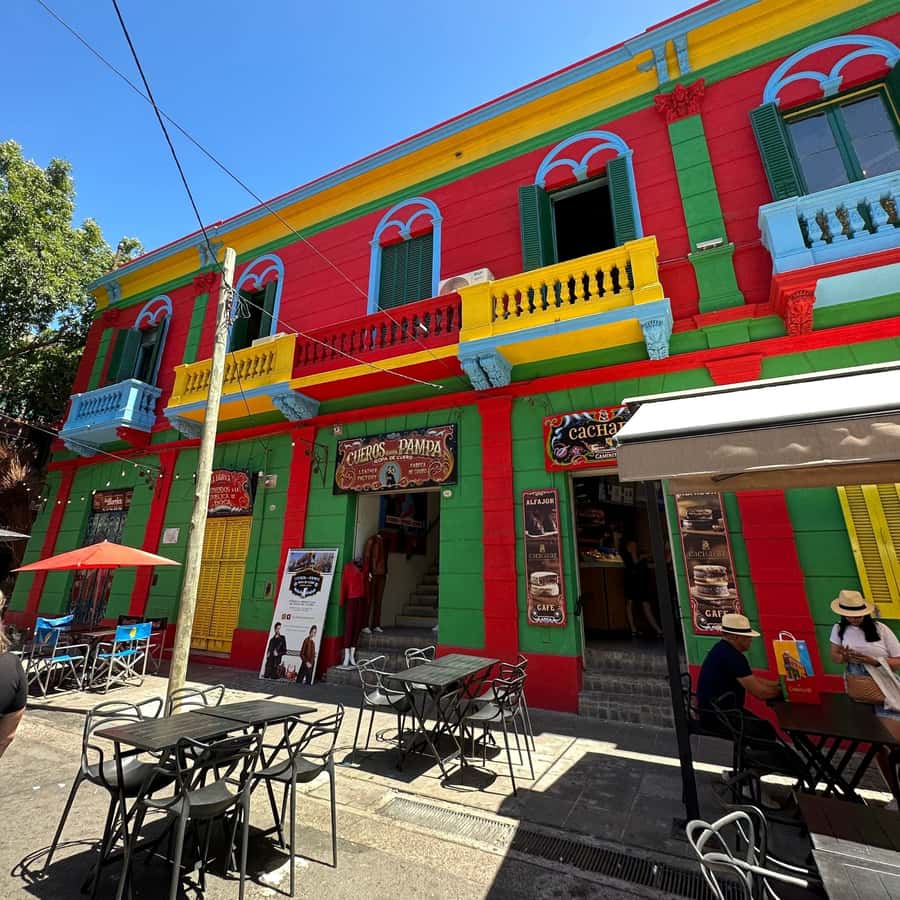
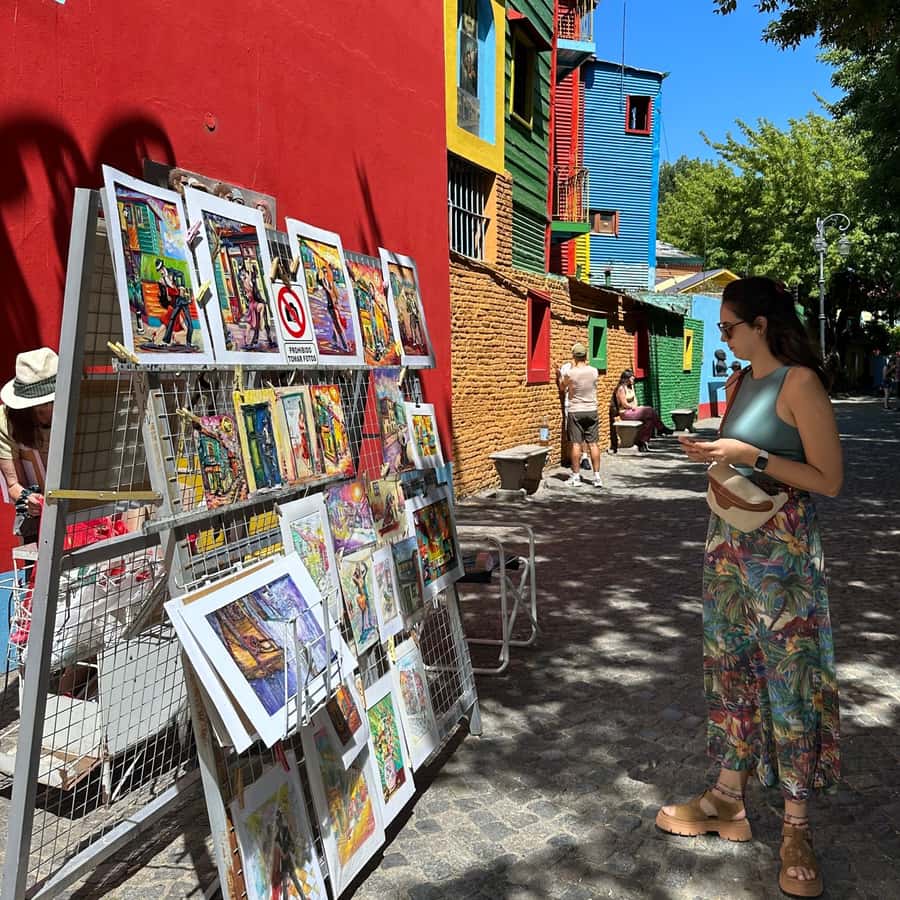
La Boca gets attention for its color, but the best part of this tour is how it explains why those colors exist in the first place. You learn how the neighborhood’s identity formed through port work, waves of immigration, and a culture that turned everyday hardship into something expressive—often through art.
What I like is the cause-and-effect. You don’t just see a painted wall and move on. You connect it to a person and a place, including the influence of Benito Quinquela Martín and the Riachuelo Art movement. That shift matters, because it makes the area feel less random and more personal.
And then the tour keeps you from getting stuck in only art history. The football pieces help you understand why Boca feels intense and proud, even for people who don’t follow every match. Add the tango feel you get in the neighborhood atmosphere, and the whole walk starts to make sense as a living culture, not a staged show.
You can also read our reviews of more walking tours in Buenos Aires
Starting at the Benito Quinquela statue: how you get oriented fast
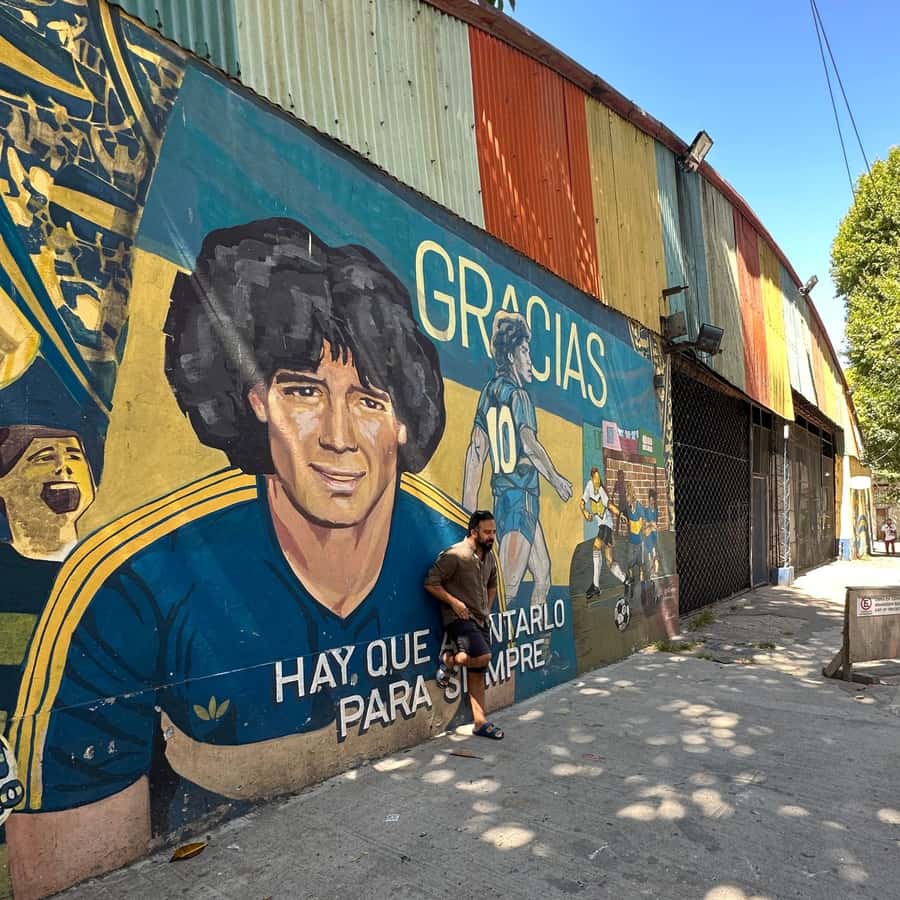
Your tour begins right by the Benito Quinquela statue, which is a smart choice. It gives you an anchor point for everything else you’ll see, and it also sets the theme: art here isn’t separate from daily life. The guide then leads you into La Boca’s streets with a mix of sightseeing and explanation.
This opening stretch is where you’ll learn how to “read” the neighborhood. Look for the way the streets guide your attention toward certain landmark zones and community spaces. The guide’s job is to make those connections for you so you don’t wander around feeling like you’re just taking pictures.
Also pay attention to how the group stays on pace. The entire experience runs about 150 minutes, so you’ll want comfortable shoes and a phone ready for photos. You’re not rushing like a sprint, but you’re also not settling into long, slow detours.
Walking La Boca: working-class roots and immigration stories in plain language
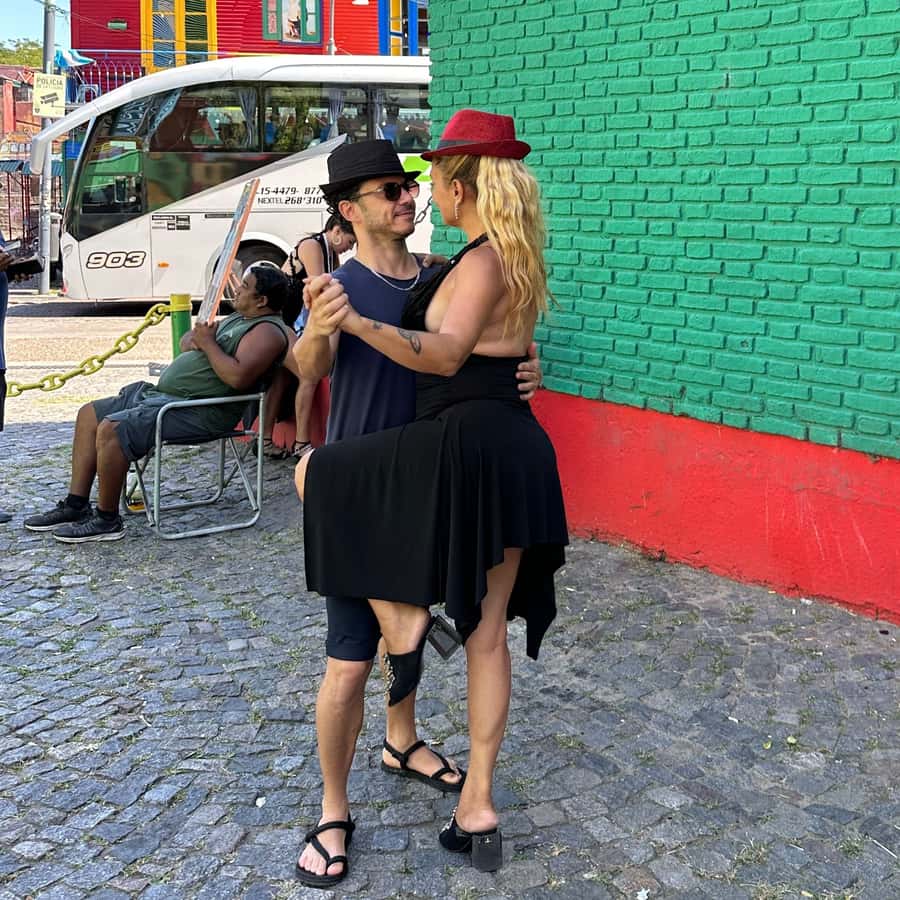
Once you’re in the core of La Boca, the tour shifts from “what am I looking at?” to “why does this matter?” You get a guided walk through the neighborhood’s working-class roots and its immigration-era story. That’s the part that usually turns a first-time visit into a real understanding.
A big reason this works is that the tour connects people to places. You learn how communities formed, how they lived, and how art and culture became part of identity. Instead of treating history like a lecture, the guide ties details to the streets you’re standing on right now.
The tour also gives you time to enjoy the visible side of La Boca: colorful houses, shops, and the street-level energy. Since your route includes museums afterward, it’s helpful that you start with the neighborhood view first. It gives your brain a visual map before you learn the deeper layers.
La Bombonera photo stop: how to catch the Boca feeling without overshooting
At some point you’ll hit La Bombonera for a photo stop. It’s short, but it’s not empty. Even with limited time, the guide frames it so you understand what the stadium represents for locals and for Argentine football culture.
The reality check: you won’t get a full inside tour in this format. If that’s what you want most, plan additional time elsewhere. But if your goal is to experience the atmosphere and connect it to the neighborhood’s pride, the photo stop does the job.
My advice is to use the moment well:
- Take wider shots first so you remember the scale.
- Then grab a couple closer pictures for details.
- Listen while you’re there, because the guide explains the cultural weight behind the stadium.
Museo Conventillo El Rincon de Lucia: housing history that makes the past feel real
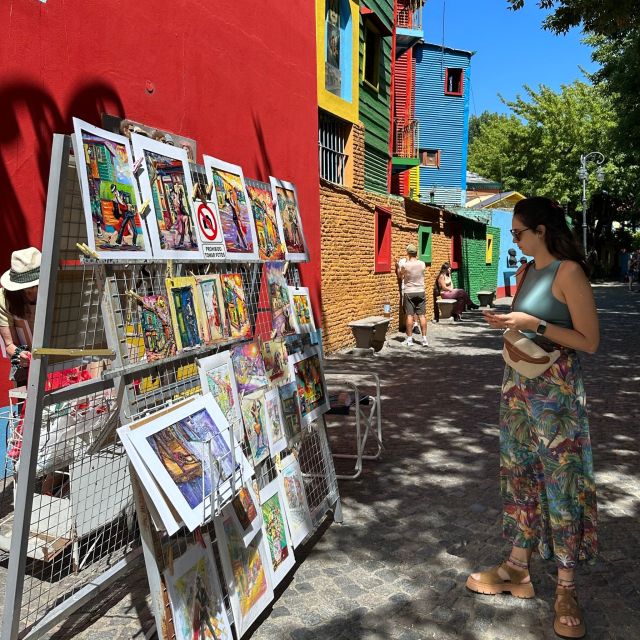
One of the best parts of this tour is the stop at Museo Conventillo El Rincon de Lucia. A conventillo is the kind of shared housing that shows up in many immigrant histories in Argentina, and this museum helps you understand daily life rather than treating the past as abstract dates.
What you gain here is perspective. You see how housing shaped community life, how people organized their routines, and how migration changed neighborhoods. The guided visit is what makes it worthwhile. Without a guide, you might look at rooms and architecture and miss the social meaning.
This is also a good pacing break in a walking tour. After street-level sightseeing, you get a structured look at how people lived. It’s the kind of stop that makes everything outside feel more grounded.
You can also read our reviews of more historical tours in Buenos Aires




Benito Quinquela Martín Museum: turning art into neighborhood memory
Next comes time at the Benito Quinquela Martín Museum. This is where the tour’s main theme really locks in. Quinquela Martín matters in La Boca not just as an artist, but as someone whose work reflects and supports the neighborhood’s story.
The museum visit helps you connect the street art vibe with a broader movement tied to the Riachuelo area. That context changes how you interpret the colorful look of La Boca. You stop seeing it as only decoration and start seeing it as identity—crafted through work, struggle, and community expression.
One thing I like about this stop is that it gives you a reason to slow down. Street walks move fast. Museums make you look longer, and the guide’s role is to keep that time productive so you don’t just shuffle through exhibits wondering what you’re supposed to notice.
If you’re the type who likes understanding where a style comes from—rather than only admiring the final result—this museum is the centerpiece.
Tastings and sweet stops: wine or dulce de leche, plus how to choose
Your tour includes a guide and a walking tour, plus two out of three extras: Benito Quinquela Museum entry fee, free wine tasting, and dulce de leche tasting. That’s actually a decent value structure, because it lets you pick what you’ll get the most joy out of.
Here’s the simple way I’d think about it:
- If you want the art focus to be complete, prioritize the museum entry option.
- If you enjoy Argentinian flavors and want a relaxed break, pick the wine tasting.
- If you want a classic, easy-to-like local sweet, choose the dulce de leche tasting.
Either way, the tastings work as a palate reset during a walking itinerary. And they add a low-pressure, fun element that matches the tour’s tone: history and art, but still with enjoyment built in.
150 minutes on foot: what to wear and how to pace yourself
Plan for about 2.5 hours of walking and stops. That’s long enough to see meaningful parts of La Boca but short enough that you don’t feel trapped. You’ll be on your feet for the neighborhood section, then you’ll have guided museum time and a stadium photo moment.
Wear comfortable shoes with good traction, especially if the day is warm. Bring your ID or passport, since it’s required. And keep your phone battery up—you’ll want photos of the colorful streets and the stadium view.
If you’re sensitive to heat, consider going earlier in the day. The itinerary doesn’t give weather control, so your best strategy is to time your outing when the streets feel easier to walk.
Guides and language: what makes the tour feel personal
This tour runs with live guides in Spanish, English, and Portuguese. And the guide style seems to be a big part of why the experience gets strong marks: people are often happy with how guides communicate, how friendly they are, and how well they connect the dots.
You’ll notice guides tend to focus on storytelling—people, places, and why Argentine football culture matters to La Boca’s identity. Some guides are specifically praised for having clear English and for being proactive about helping you find the meeting spot.
Names that show up in the guide reputation include Facundo, Juan, Rafa, Laura, Dani, Danielle, and Francisco. Even if your guide differs, the pattern is consistent: you should expect a guide who explains the neighborhood, not just points.
One more practical tip: if you care about football, say so at the start. It can shape how the guide emphasizes stadium context and cultural background.
Price and value: is $46 a fair deal?
At $46 per person for about 150 minutes, this is priced like a focused neighborhood tour with built-in stops. You’re not paying only for walking. You’re paying for guided interpretation plus museum time, and possibly additional value through tastings or museum entry, depending on the selection.
Here’s the honest value calculation:
- You get guided walking through La Boca with context.
- You get a museum visit at Museo Conventillo El Rincon de Lucia.
- You get time at the Benito Quinquela Martín Museum.
- You may add wine tasting or dulce de leche tasting, depending on which two extras are included in your booking.
What you’re not getting is hotel pickup and drop-off, and you’re not getting a long stadium visit. If you’re okay with that trade-off, the value makes sense. If you’re craving a deep stadium experience, you may need a different add-on.
Who should book this La Boca art and history walk
This tour fits best if you want:
- A first-time La Boca visit that teaches you what you’re seeing
- A blend of art, neighborhood history, and football culture
- Museum stops instead of only photo-taking
It’s also a good pick if you prefer a small rhythm: walk, stop, learn, taste, then move on. Solo travelers should confirm availability directly with Baires Experience around their travel date, since solo spots may require checking.
If you’re already a hardcore football fan and want stadium interiors, you might prefer a longer dedicated stadium tour. But if you want the stadium as part of the neighborhood story, this format works nicely.
Should you book this La Boca Art and History Walking Tour?
Yes, if you want an organized way to understand La Boca beyond the colorful streets. The combination of Quinquela Martín’s art influence, a conventillo museum visit, and a clearly explained football stop gives you a well-rounded picture in just 2.5 hours.
Book it especially if you care about context. This tour helps you connect the dots between art, immigration-era life, and why the neighborhood feels the way it does. If you want only casual sightseeing with zero structure, you might find the museum time and guided storytelling a bit much. But for most people, it’s the right balance.
FAQ
Where is the meeting point for the tour?
Meet your guide at the Benito Quinquela Statue.
How long is the Buenos Aires La Boca Art and History Walking Tour?
The duration is 150 minutes.
What does the tour cost?
The price is $46 per person.
What languages are available for the live guide?
The live tour guide is offered in Spanish, English, and Portuguese.
Is hotel pickup and drop-off included?
No. Hotel pickup and drop-off are not included.
What is included in the tour price?
The tour includes a walking tour, a guide, and two of these three options: Benito Quinquela Museum entry fee, free wine tasting, and dulce de leche tasting.
Is cancellation free?
Free cancellation is available up to 24 hours in advance for a full refund.
Do I need to bring anything with me?
Bring your passport or ID card.
Is the tour wheelchair accessible?
Yes, the tour is wheelchair accessible.
Can solo travelers book without extra steps?
Solo travelers must confirm availability directly with Experience Baires before or after booking.
When should I book if my plans are set?
The provider only accepts bookings scheduled with 24 hours in advance.